What Are Free Weights? The Ultimate Beginner's Training Guide
If you've ever hit a plateau with bodyweight exercises or felt restricted by the rigid paths of selectorized machines, you're not alone. Many lifters eventually reach a point where they need more versatility, leading them to ask: what are free weights, and are they the missing piece to my home gym setup?
In this guide, we'll strip away the confusion. We'll explore exactly how unrestricted lifting can transform your physique, what equipment yields the highest return on investment, and how to safely integrate these tools into your daily routine.
Key Takeaways
- Definition: Free weights are any resistance equipment not attached to a pulley, cable, or pin system.
- Core Engagement: They force your body to stabilize the load, burning more calories and recruiting secondary muscle groups.
- Versatility: A single pair of dumbbells can be used for hundreds of different exercises.
- Space Efficiency: Adjustable options make them ideal for compact North American garage or basement gyms.
The Core Mechanics: Understanding Unrestricted Lifting
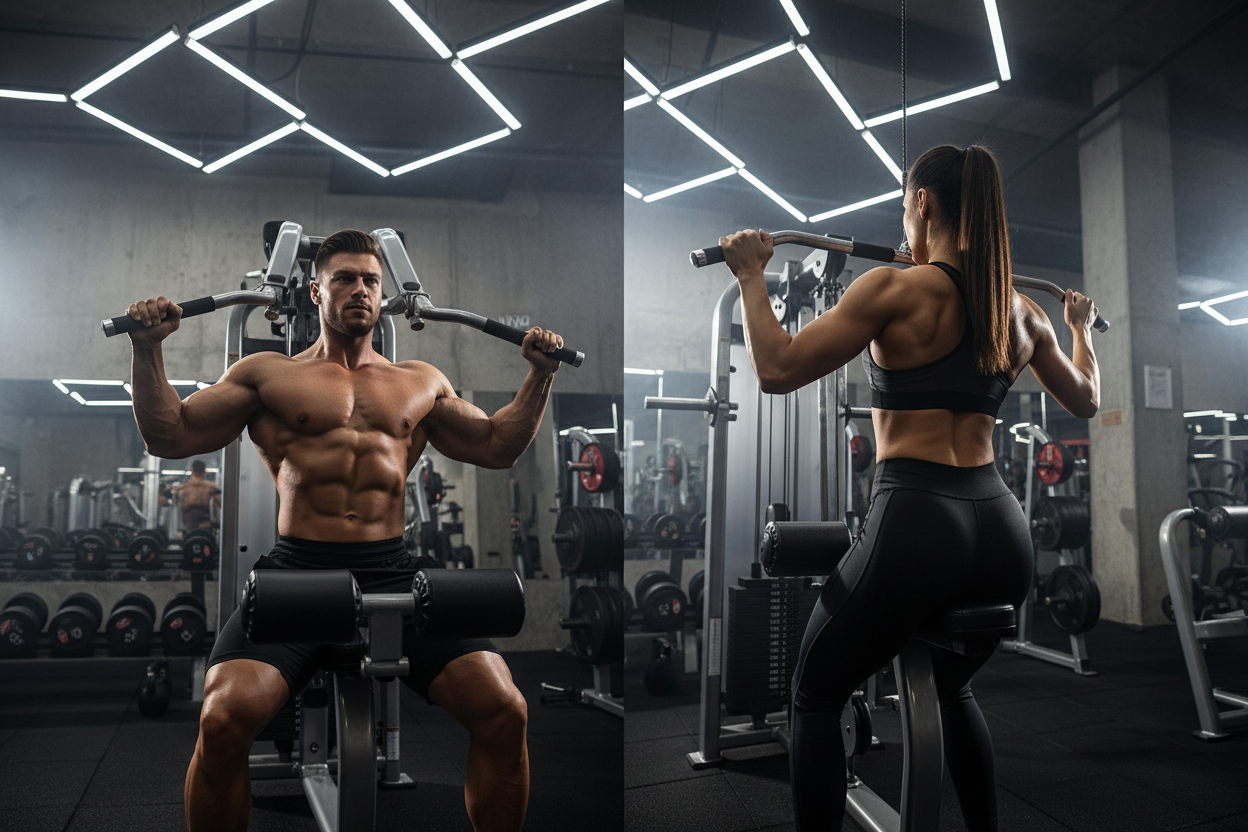
When people ask, "what is free weight training?", they are usually looking for the fundamental difference between free-moving objects and fixed machines. Unlike a chest press machine that locks you into a predetermined path, unrestricted equipment requires you to balance and control the weight through three-dimensional space.
Common Types of Equipment
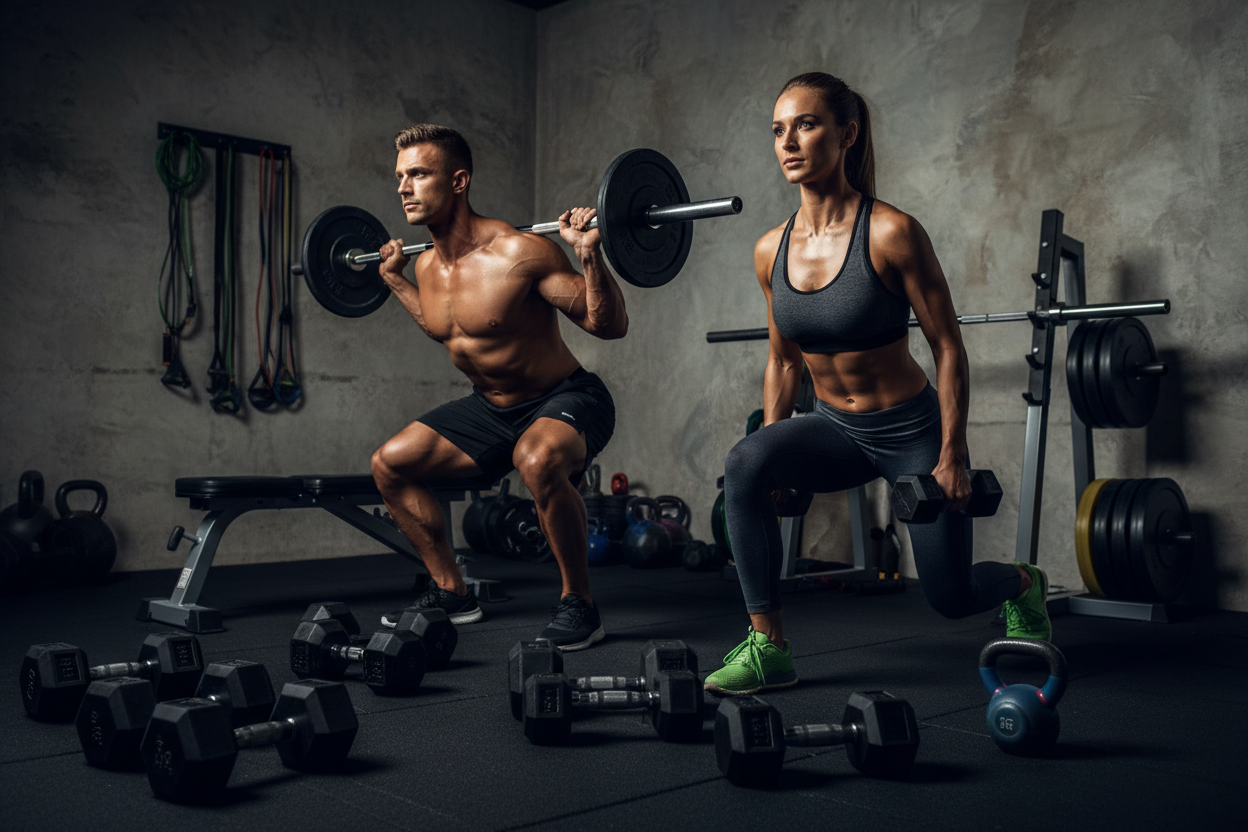
If you're wondering exactly what are free weights at the gym, you've likely seen the massive racks of iron and steel. The holy trinity of this category consists of:
- Dumbbells: The gold standard for unilateral (one-sided) training and correcting muscle imbalances.
- Barbells: The ultimate tool for moving maximum loads in compound lifts like squats and deadlifts.
- Kettlebells: Perfect for explosive, ballistic movements that blend cardio and strength.
Space Planning: Building Your Home Setup
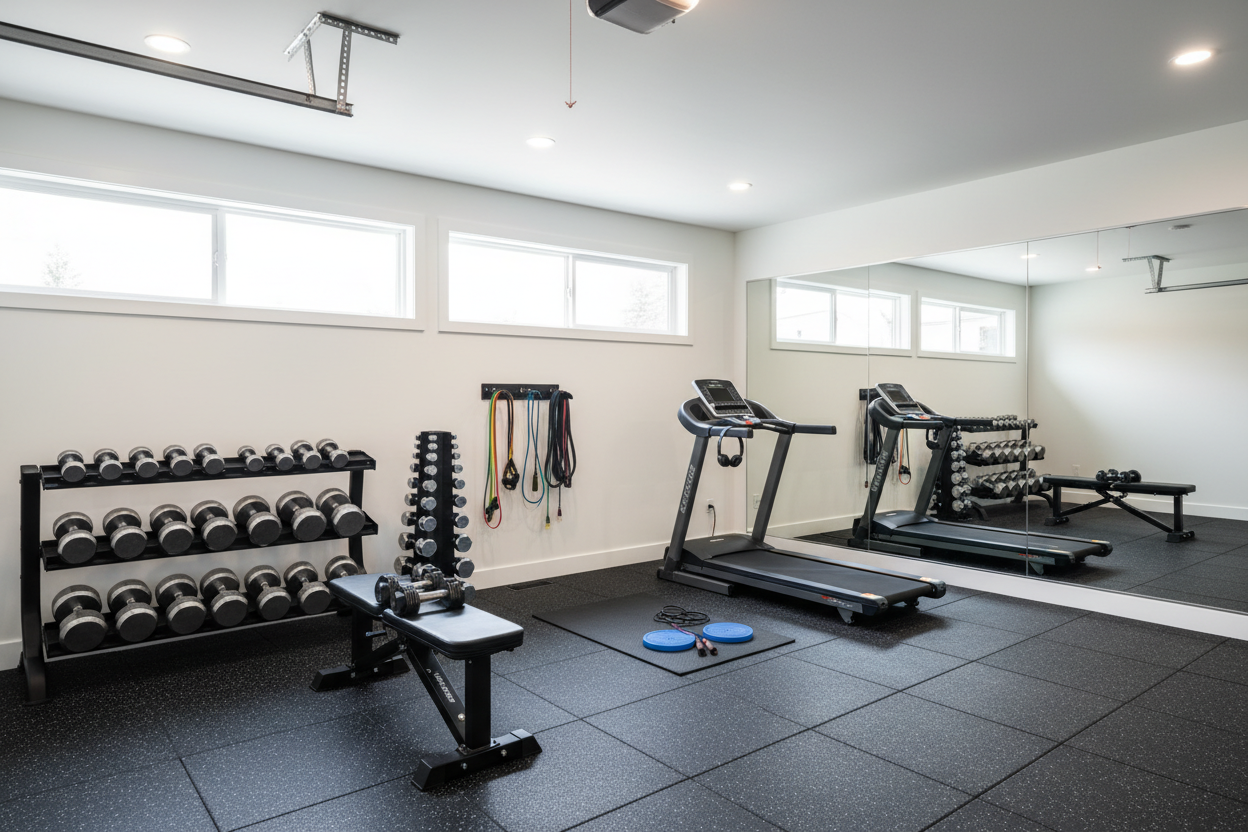
You don't need a massive two-car garage to reap the benefits of a solid strength program. Understanding what is free weight gear's actual footprint can save you thousands of dollars and valuable square footage.
Maximizing Limited Square Footage
For apartment dwellers or those with tight basement corners, a set of adjustable dumbbells is the ultimate space-saving hack. They replace up to 15 pairs of traditional dumbbells in a footprint no larger than a shoebox. If you are upgrading to a barbell setup, ensure you have at least 10 feet of width to comfortably load and unload plates, plus a minimum of 84 inches of ceiling clearance if you plan on doing overhead presses.
From Our Gym: Honest Take
When I first transitioned my garage gym from a cheap all-in-one multi-gym to a dedicated barbell and dumbbell setup, the learning curve was real. I vividly remember the first time I loaded up my new Olympic barbell for a set of overhead presses. Because I had to stabilize the load myself, muscles I didn't even know existed were screaming by rep five. The knurling on my new bar was noticeably more aggressive, and my chalked grip held solid through heavy deadlift sets.
However, I will warn you: dropping iron plates on a concrete garage floor is incredibly loud and can damage your foundation. If you're building a home gym, do yourself a favor and invest in 3/4-inch high-density horse stall mats or rubber flooring right out of the gate. It's an extra expense, but absolutely non-negotiable for noise reduction and equipment longevity.
Frequently Asked Questions
Are free weights better than machines?
Neither is inherently "better," but they serve different purposes. Free moving weights are superior for building functional strength, core stability, and balance, while machines are excellent for safely isolating specific muscles without worrying about dropping the load.
How much space do I need for a basic setup?
A basic dumbbell setup requires as little as a 4x6 foot space. However, if you are investing in a power rack and a 7-foot Olympic barbell, you should plan for a dedicated area of at least 8x10 feet to train safely.
What is the best free weight for beginners?
A pair of medium-weight dumbbells (or an adjustable set) is the best starting point. They allow for a natural range of motion, are highly versatile, and carry a much lower risk of injury compared to heavy barbell lifting for those still mastering their form.