Understanding Women’s Pecs: Anatomy, Function, and Strength Training Insights
Many people wonder about the structure and function of chest muscles in women. Questions such as “Do women have pecs?” or “What do pec muscles look like on women?” are common, especially among those beginning fitness journeys or exploring anatomy for sports and health. The truth is, women have pectoral muscles just like men, and these muscles play a significant role in upper body strength, posture, and overall fitness.
Do Women Have Pecs?
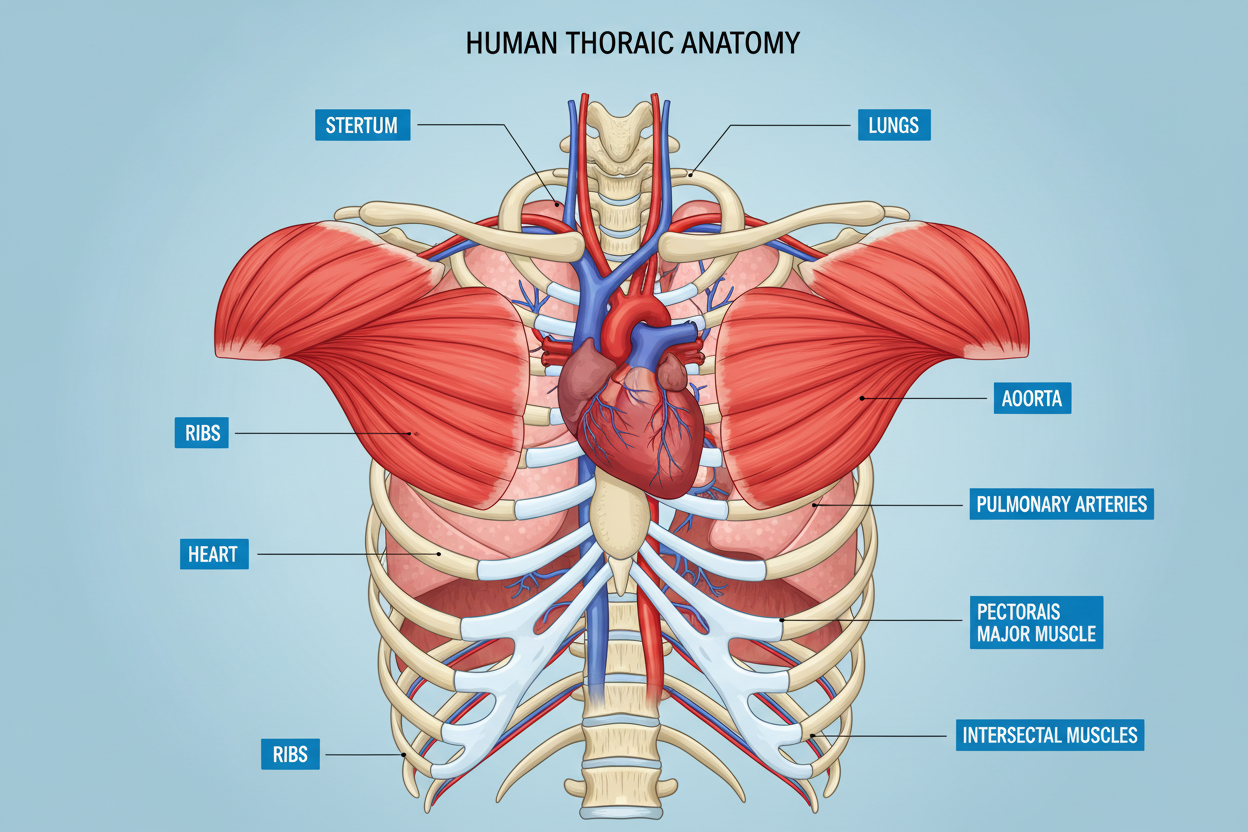
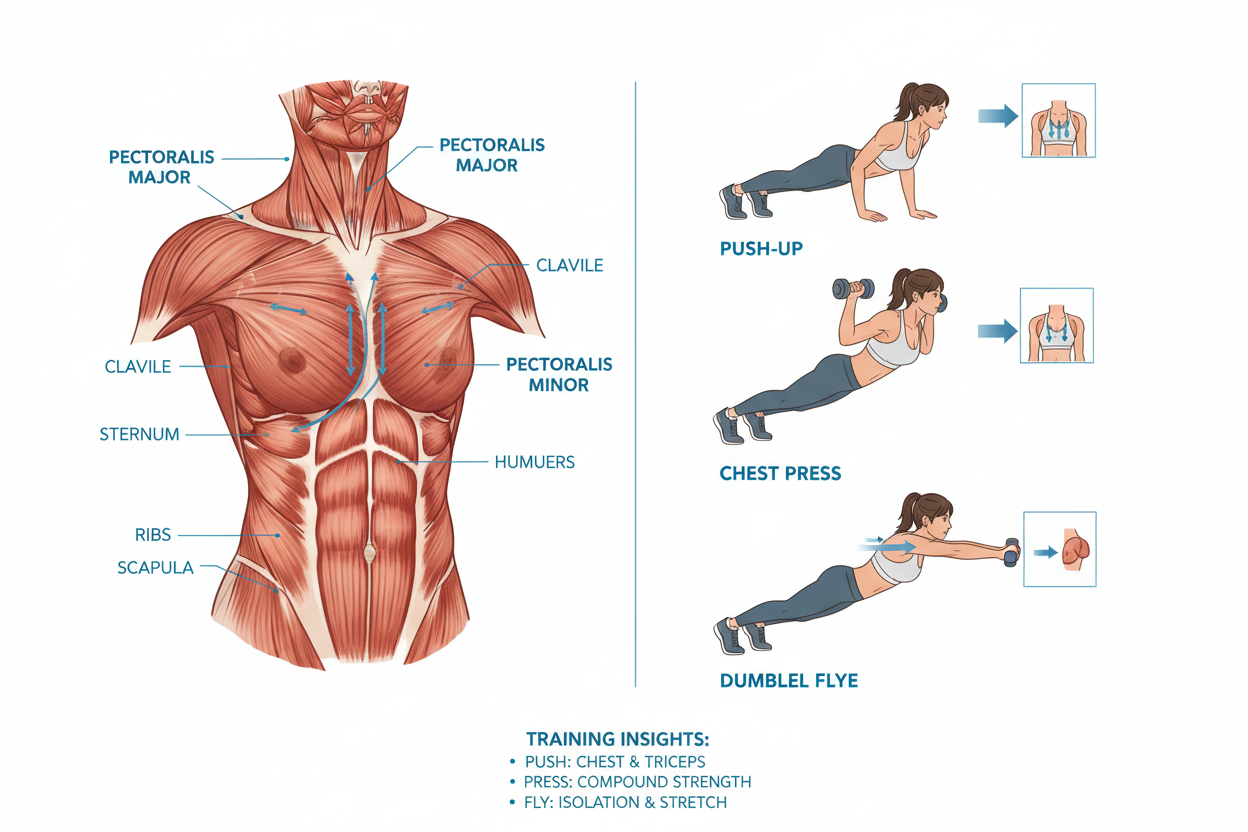
The pectoral muscles, often referred to simply as “pecs,” are located beneath the breast tissue. In both men and women, these muscles are comprised mainly of the pectoralis major and pectoralis minor. While the visibility of pecs on women may differ due to breast tissue and body composition, the anatomical structure is the same. This means that training and strengthening these muscles can be beneficial for women of all ages.
Anatomy of Women Pec Muscles
The pectoralis major is the larger, fan-shaped muscle that extends across the upper part of the chest. It is primarily responsible for movements such as pushing, lifting, and bringing the arm forward. Below it lies the pectoralis minor, a smaller muscle that assists in stabilizing the shoulder. When people refer to "women pecs" or "pecs on women," they are primarily talking about the appearance, definition, and strength of these muscles beneath the chest.
Benefits of Strengthening Pecs on Women
Strengthening pec muscles in women is essential not only for aesthetic purposes but also for functional health. Strong pecs help with daily tasks, improved sports performance, and better posture. For example, activities such as pushing open a heavy door or performing a push-up require both strength and stability from the chest muscles. Additionally, the balance between chest and back muscle development helps prevent shoulder injuries.
Improved Upper Body Strength
Targeting pecs on a woman through resistance training can increase arm power, making everyday activities easier. Exercises such as bench presses, push-ups, and cable flys are effective ways to build strength in women pec muscles without necessarily adding bulk.
Better Posture and Support
Since the chest connects to the shoulders and upper back, strengthening pecs woman can help maintain proper spinal alignment. This can reduce discomfort from poor posture that often accompanies desk jobs and sedentary lifestyles.
Training Women Pec Muscles Safely
When starting a pec-focused workout routine, it’s important to consider gradual progression and proper form. Research supports that low to moderate resistance training combined with consistent repetition can lead to steady improvement in muscle strength and endurance.
Beginner-Friendly Exercises
- Modified push-ups for those building initial strength.
- Chest presses using resistance bands or light dumbbells.
- Wall push-ups for controlled movement and reduced strain.
Advanced Training Options
- Flat and incline bench presses for increased muscle activation.
- Cable crossovers to target different areas of the pecs on women.
- Plyometric push-ups for explosive strength development.
Pecs on a Woman: Aesthetic vs Functional Goals
There is a wide variation in how women pec muscles appear, influenced by factors such as genetics, body fat percentage, and type of training. Some women may prefer a toned chest for a balanced physique, while others aim to boost strength for athletic performance. Regardless of the goal, understanding how pecs on women function gives a clear direction for training approaches.
Personal Perspective
When I began training my pecs as part of an overall fitness program, I noticed improvements not only in my upper body strength but also in my posture. Daily tasks felt easier, and I experienced less strain in my shoulders. Over time, incorporating targeted chest routines helped create a more balanced appearance between my upper and lower body, proving that pecs on women can be both functional and aesthetic aspects of health.
Conclusion
Women have pecs just like men, and strengthening these muscles benefits posture, performance, and day-to-day movement. Whether the goal is to enhance chest definition or improve upper body capabilities, incorporating safe, structured exercises for women pec muscles can make a meaningful difference. Understanding the anatomy and purpose of pecs woman ensures an informed, evidence-based approach to fitness that supports long-term health.