Building a Basement Gym? Why the TDS Power Rack Might Be Your Best Bet
Finding the right centerpiece for a home gym is often a game of compromises. You usually have to choose between commercial-grade durability and a price tag that doesn't require a second mortgage. If you have been lifting for a while, you likely know that the flashiest equipment isn't always the best. This is where the TDS power rack often enters the conversation. It is not designed to win beauty contests on social media, but it is built to handle heavy iron without flinching.
Many lifters start with a cheap, flimsy stand and quickly realize the danger of trusting their safety to thin gauge steel. When you decide to upgrade to something substantial, you need equipment that prioritizes function over form. TDS, distributed by New York Barbell, has carved out a reputation for providing exactly that: no-nonsense gear that survives heavy abuse.
My Experience with the "Basement Problem"
A few years ago, I moved into a house with a basement that seemed perfect for a gym, except for one glaring issue: the ceiling height. I had just under seven feet of clearance, thanks to some low-hanging HVAC ductwork. Most standard commercial cages stand around 84 to 90 inches tall. I spent weeks scouring forums and manufacturer specs, frustrated that I might have to settle for independent squat stands, which I didn't trust for heavy benching alone.
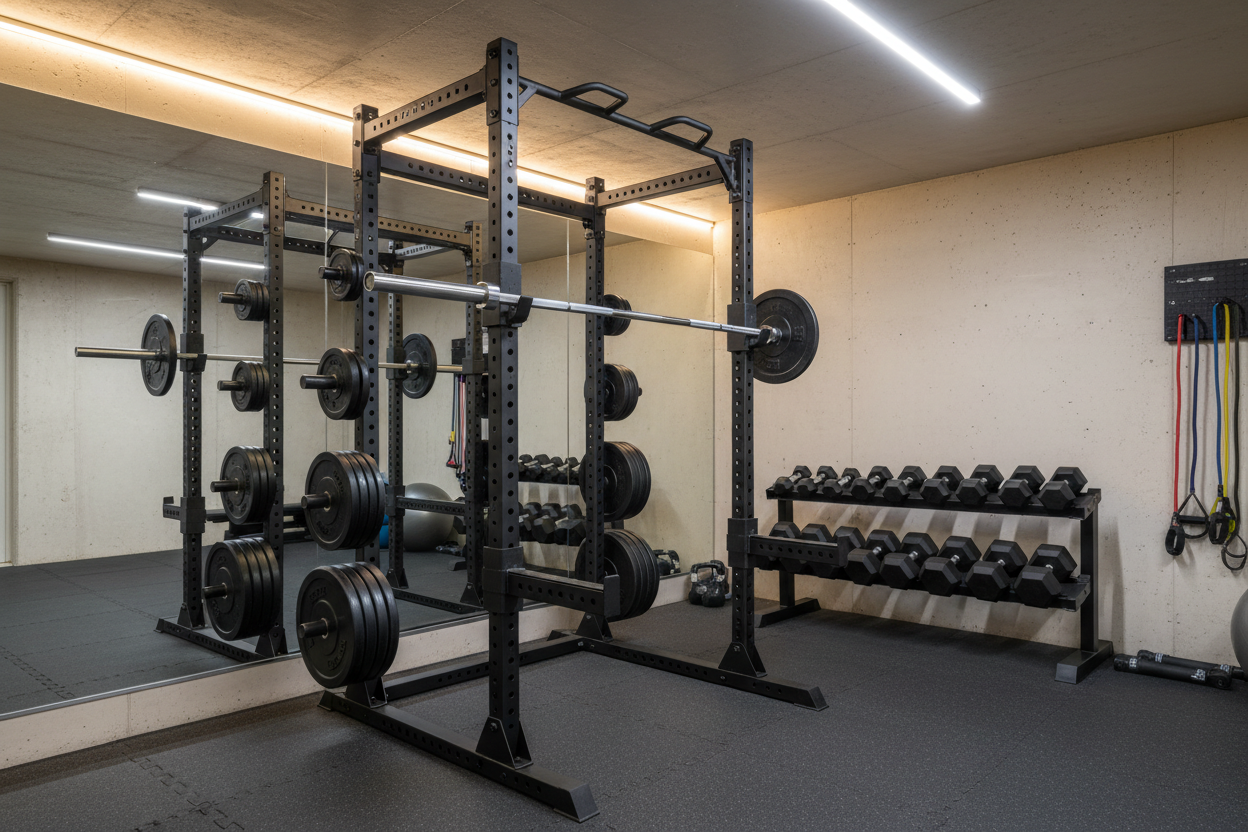
That is when I stumbled upon the TDS short power rack. It was one of the few heavy-duty options specifically designed for height-challenged spaces like mine. Setting it up was straightforward, though the boxes were heavy enough to make the delivery guy hate me. Once assembled, the difference in stability compared to my old gear was night and day. I could slam a loaded barbell into the uprights after a failed squat, and the cage didn't budge. That specific rack allowed me to train safely alone in a basement that otherwise would have been relegated to storage.
Construction and Durability
The primary reason anyone looks at a TDS power cage is the steel. We are generally talking about 2-inch by 2-inch steel tubing, often 11-gauge or close to it depending on the specific model. This creates a rigid frame that doesn't sway under load. When you are under a heavy bar, the last thing you want is the "death wobble"—that unnerving shake some cheaper racks do when you re-rack a weight.
The welds on a TDS rack are industrial. They aren't smoothed over or painted to look pretty; they are thick and functional. This aesthetic screams "old school gym," which appeals to those of us who just want to lift. The knurling on the included pull-up bars is usually aggressive, providing a grip that ensures you aren't slipping off during weighted chins.
Safety Features
The safety pins (sabers) or straps are the most critical component of any cage. On the TDS models, these are solid steel rods that run through the uprights. If you miss a lift, these bars catch the weight so you don't get crushed. The hole spacing is another factor to consider. Many TDS units offer reasonable spacing that allows you to set the safeties right at chest level for bench pressing, ensuring you can escape a failed rep without ruining your arch.
Versatility and Expansion
A bare-bones cage is great, but a home gym needs to be space-efficient. This is where the ecosystem of TDS power rack attachments becomes vital. You aren't just buying a place to squat; you are buying a modular station. Common additions include dip bars that slot into the safety holes, landmine attachments for rows and rotations, and plate holders to weigh the unit down further.
One of the most popular upgrades is the lat pulldown and low row attachment. Unlike some competitors that use jerky, friction-heavy pulley systems, the TDS power pulley systems tend to be surprisingly smooth for the price point. Adding a cable system to the back of the rack transforms it from a strength station into a complete bodybuilding hub. You can hit triceps pushdowns, face pulls, and seated rows without needing a separate machine that takes up valuable floor space.
Open Rack vs. Enclosed Cage
There is a distinction to be made between a full cage and an open TDS squat rack. The full cage (power rack) surrounds you with four uprights. This offers the highest level of safety because the barbell is contained within the box. You cannot fall backward or forward out of the safety zone.
However, some lifters prefer the open design of a squat rack or a half-rack. An open TDS squat rack usually consists of two uprights and spotter arms. This footprint feels less claustrophobic and is often easier to use for overhead pressing if you have decent ceiling height but limited depth in the room. While the spotter arms are shorter than the full safety bars of a cage, they are usually sufficient for catching a squat or bench press, provided you don't walk the bar out too far.
Who is This Equipment For?
The TDS power line targets the intermediate to advanced lifter who understands value. It sits in a sweet spot between the entry-level gear found at big-box sporting goods stores and the ultra-premium, custom-colored racks that cost as much as a used car. If you don't care about laser-cut logos or fancy powder coat finishes, but you do care about whether your equipment can hold 800 pounds, this is the demographic TDS serves.
It is particularly well-suited for garage gym owners. The finish on these racks is durable enough to withstand the temperature fluctuations and humidity changes typical of a garage environment. A quick wipe down with oil occasionally keeps the steel in good condition for decades.
Final Thoughts on Setup
When you commit to a TDS power rack, take the time to assemble it correctly. Do not tighten the bolts fully until the entire frame is standing and leveled. This ensures the rack sits flat on the floor and doesn't rock. If you are lifting heavy, bolting the rack to the floor or a lifting platform is always the safest move, though the wide base of these racks often provides enough stability for most general lifting.
Choosing gym equipment is about trust. You need to trust that the J-hooks won't snap and that the safeties won't bend. TDS has been around long enough to earn that trust through sheer mechanical reliability. whether you choose the tds short power rack for a basement or a full-sized cage for a garage, you are investing in a piece of iron that will likely outlast your lifting career.
Frequently Asked Questions
Will standard attachments from other brands fit a TDS rack?
It depends on the specific model. TDS typically uses 2x2 inch tubing, but the hole sizing (often 1 inch) can vary. You should always measure your uprights and hole diameter before buying generic attachments, though many 2x2 accessories are compatible.
Is the short power rack safe for tall people?
Yes, for most movements. The height of the rack mainly limits overhead pressing inside the cage and pull-up clearance. If you are over 6 feet tall, you might have to bend your knees during pull-ups, but squatting and benching remain unaffected.
Do I need to bolt the rack to the floor?
While TDS racks are heavy and stable, bolting them down is recommended for maximum safety, especially if you plan on using heavy attachments like dip bars or doing kipping pull-ups. If you cannot drill into the floor, building a plywood lifting platform to bolt the rack onto is a great alternative.