Type of Work Out Exercise: The Complete Home Guide
Building a home gym is exciting until you stare at an empty garage and realize you have no idea where to start. Budget constraints, space limitations, and workout plateaus often stem from one core issue: not clearly defining your primary type of work out exercise before buying heavy gear.
Whether you want to build raw strength, improve cardiovascular health, or just move better without joint pain, aligning your equipment with your specific goals will save you thousands of dollars. In this guide, we will break down fundamental training modalities and help you choose the exact equipment you need to transform your space.
Key Takeaways
- Identify your primary fitness goal before purchasing large, heavy equipment.
- Strength-focused setups require dense, durable flooring and higher ceiling clearances.
- Cardio and mobility equipment often offer folding or space-saving designs for tight areas.
- Mixing different working out types ensures long-term progression and prevents routine burnout.
Matching Equipment to Your Goals
Every piece of fitness gear serves a specific purpose. Understanding the primary type of working out you plan to do dictates whether you need a massive power rack or a sleek set of adjustable dumbbells.
Resistance and Strength Training
If pushing heavy iron is your goal, your equipment needs to handle abuse. A standard barbell and a heavy-duty squat rack are the centerpieces here. Look for racks with at least a 1,000-pound weight capacity and 11-gauge steel construction. This ensures maximum safety when you are lifting alone in your basement without a spotter.
Cardiovascular Conditioning
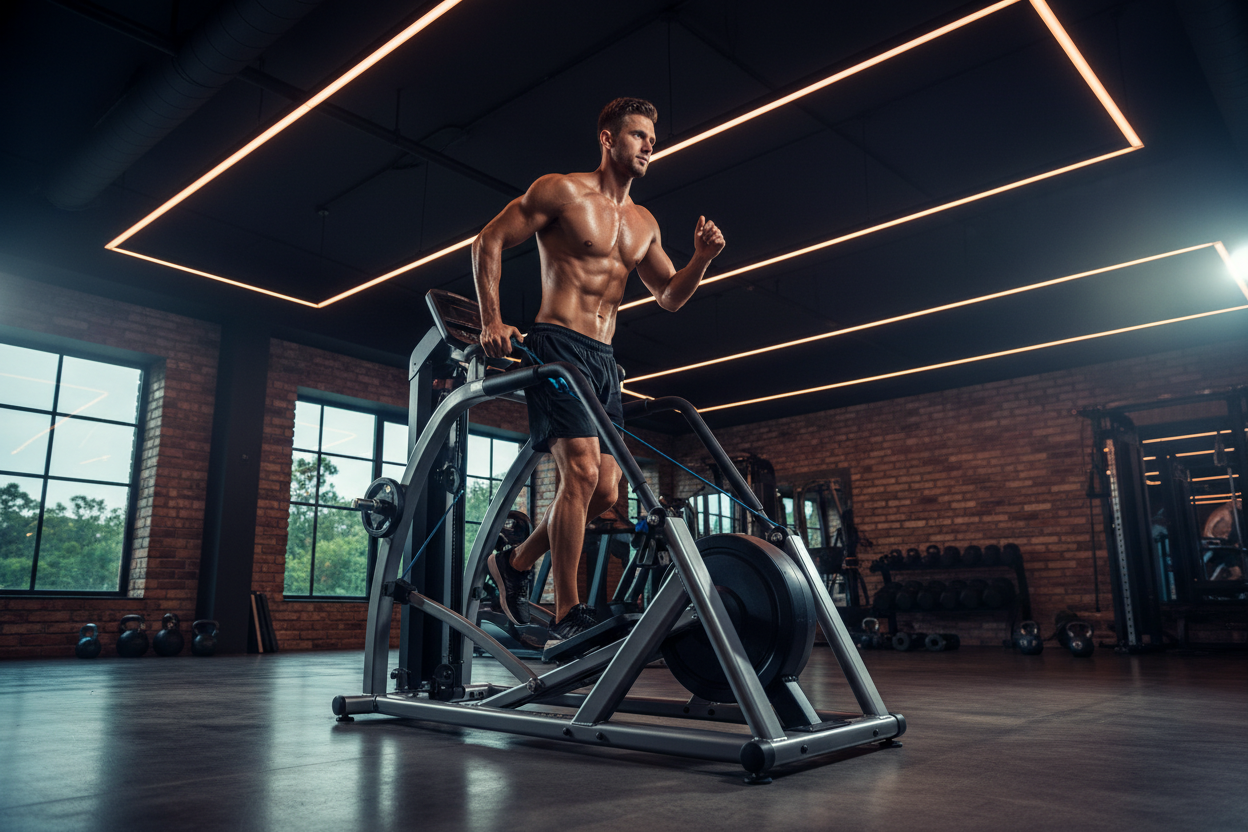
For those focused on endurance, the gear looks vastly different. Treadmills, rowing machines, and air bikes dominate this space. When shopping for cardio equipment, pay close attention to the footprint and noise level. A magnetic-resistance spin bike is whisper-quiet for apartment living, whereas an air bike will sound like a jet engine in a small spare bedroom.
Space Planning for Different Modalities
Your available square footage is the ultimate dictator of what you can actually buy. Let's look at how different working out types fit into common North American home gym spaces.
Garage Gyms vs. Apartment Corners
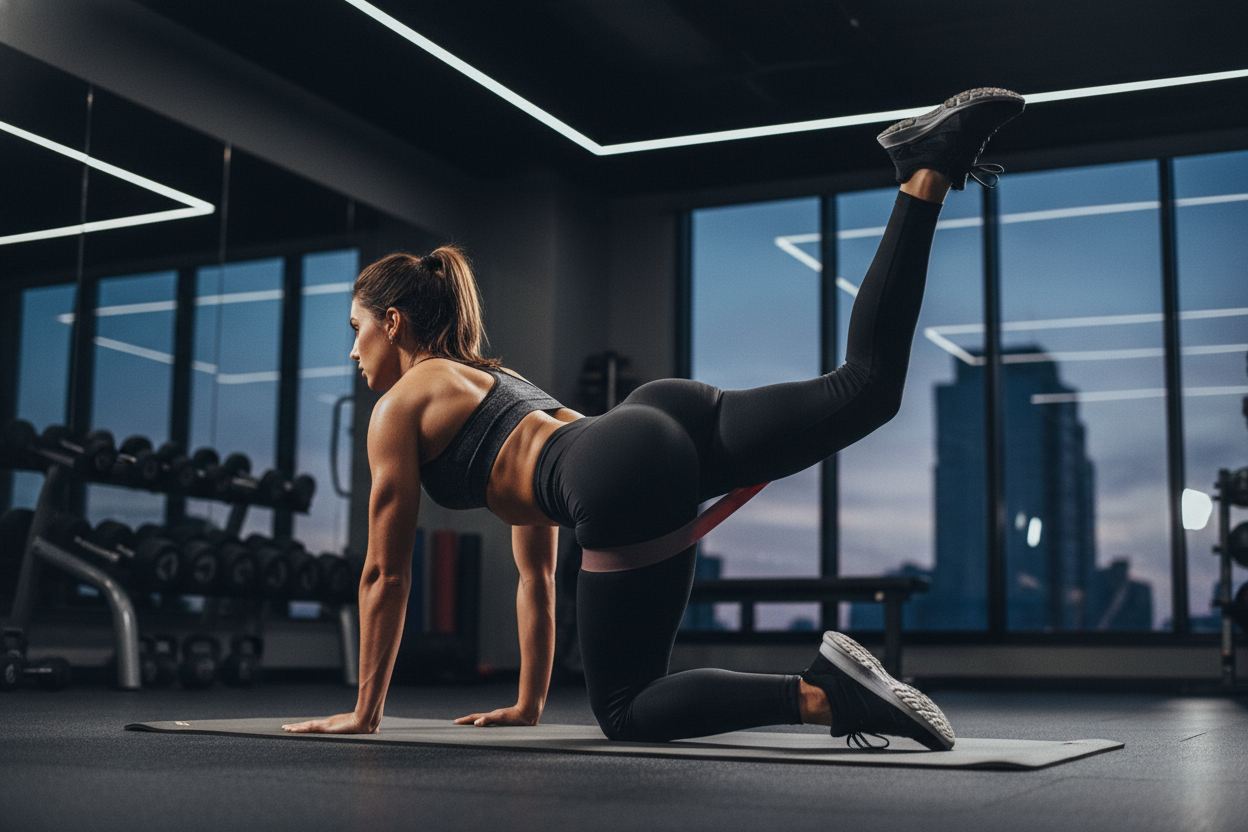
If you have a two-car garage, you can easily dedicate a 10x10 foot space for a full powerlifting setup. However, if you are in a condo, vertical space and multi-functional gear are your best friends. Adjustable dumbbells, resistance bands, and a doorway pull-up bar can facilitate a massive variety of movements without eating up your living room floor.
From Our Gym: Honest Take
Over the years, I have tested almost every conceivable setup in my own 400-square-foot garage gym. When I first started, I bought a massive, cheap multi-station machine thinking it would cover every base. It was a mistake. The cables were jerky, the weight stack was too light, and it took up half my floor space.
I eventually sold it and switched to a simple, high-quality half-rack with a flat bench. The knurling on my bare-steel barbell is noticeably more aggressive, and my chalked grip holds solid through heavy deadlift sets. At 6'2, I also realized I needed at least 90 inches of ceiling clearance for standing overhead presses—something most product pages fail to mention. The lesson? Pick one primary modality, invest in a commercial-grade centerpiece for it, and use cheaper accessories to fill the gaps.
Frequently Asked Questions
What is the best type of working out for beginners?
For absolute beginners, a mix of basic resistance training and light cardiovascular work is ideal. Starting with bodyweight movements and adjustable dumbbells allows you to learn proper form without a massive upfront financial commitment.
How do I mix different working out types at home?
Cross-training is highly effective. You can pair a heavy strength session in your power rack with a 10-minute high-intensity interval finisher on an air bike. Space-saving cardio machines complement bulky strength gear perfectly.
Do I need commercial-grade gear for every exercise?
Not at all. Spend your budget on items that carry your body weight or heavy loads, like your rack, barbell, and bench. You can save money on accessories like medicine balls, jump ropes, and yoga mats.