The Wall-Leaning Trick That Fixed My Go-To Exercise for Lateral Deltoid
I spent years swinging a pair of 40lb dumbbells around like a bird trying to take flight, wondering why my shoulders still looked like narrow coat hangers. I was consistent, I was training hard, but my side delt workouts were essentially just trap shrugs with extra steps. It wasn't until I stopped trying to move the heaviest weight in the rack and started focusing on mechanics that I actually saw my exercise for lateral deltoid pay off.
If you're tired of having flat shoulders despite doing endless side shoulder exercises, it's time to stop ego lifting. The side deltoid muscle is small, stubborn, and very easy to 'cheat' with momentum. Here is how I fixed my side delt exercise routine and finally added some actual width to my frame.
Quick Takeaways
- Stop using momentum; if you have to swing your hips, the weight is too heavy.
- Leaning away from a rack or wall increases tension at the bottom of the movement.
- Train in the scapular plane (30 degrees forward) to save your rotator cuffs.
- Side delts recover quickly and can handle higher frequency (2-3 times per week).
Why Your Current Side Delt Workout Isn't Working
The biggest mistake in most side delt workouts is 'trap takeover.' Your upper traps are incredibly strong and they love to help out when things get heavy. When you stand upright and fly those dumbbells out to the side, your traps usually initiate the first 30 degrees of the movement. By the time your side deltoid muscle actually kicks in, you've already used momentum to bypass the hardest part of the lift.
Most guys are also guilty of 'ego lifting' their side delt dumbbell exercises. They grab the 50s, heave them up with a massive hip hinge, and wonder why their neck hurts the next day. This isn't just inefficient; it's a waste of time. To grow side deltoids, you need constant, focused tension—not a full-body seizure. You're looking for an isolation movement, not an Olympic lift variation.
The Leaning Lateral Raise: My Ultimate Exercise for Lateral Deltoid
The leaning one-arm lateral raise is the single most effective exercise for side delts I've ever used. By grabbing onto a power rack or a sturdy door frame and leaning your torso out at a 20-to-30-degree angle, you completely change the resistance curve. In a standard standing raise, there is almost zero tension at the bottom because gravity is pulling the weight straight down through your arm. When you lean, you're fighting gravity from the very first inch of the rep.
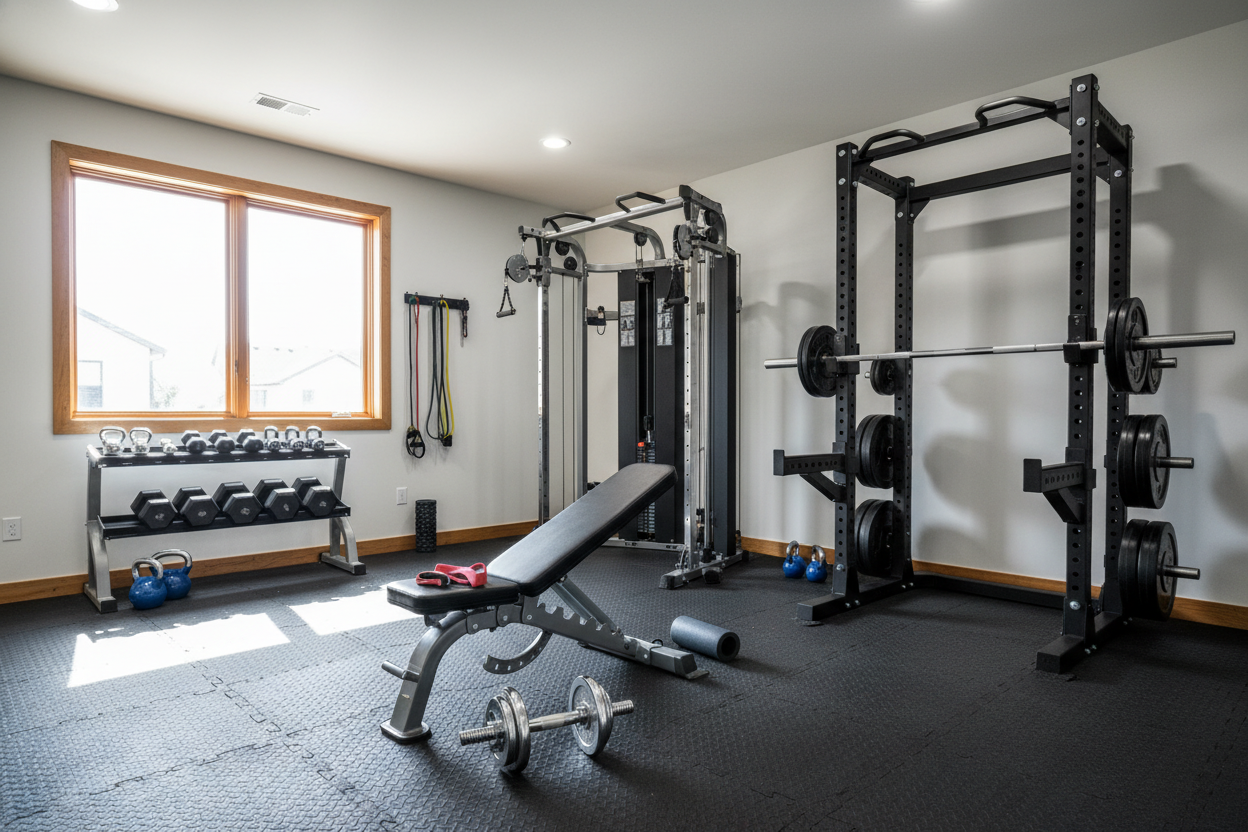
This setup places the lateral head under maximum tension exactly where the muscle is strongest. It also makes it nearly impossible to use 'body english' to cheat the weight up. When setting this up in a home gym, make sure you have a large exercise mat for home gym so your feet don't slide. I've tried doing these on bare concrete or dusty horse stall mats, and having your lead foot slip mid-set is a great way to pull a groin while trying to build your side shoulder muscle.
How to Actually Execute the Movement (Without Cheating)
Forget the old 'pouring water' cue. Turning your thumbs down at the top of a side delt workout is a recipe for shoulder impingement. Instead, keep your hand neutral or with the pinky slightly elevated. Think about pushing the dumbbells 'out' toward the walls, rather than 'up' toward the ceiling. This cues the lateral head shoulder workout to stay focused on width rather than height.
Move your arms in the scapular plane—this is about 20 to 30 degrees in front of your body, not perfectly out to the sides. This is the natural path for your shoulder blades and makes side lateral exercises much more joint-friendly. Lock your core down, keep your chest proud, and don't let your torso rotate as you fatigue. If you can't hold the weight at the top for a split second, it's too heavy.
Dumbbells vs. Cables: What's the Better Tool?
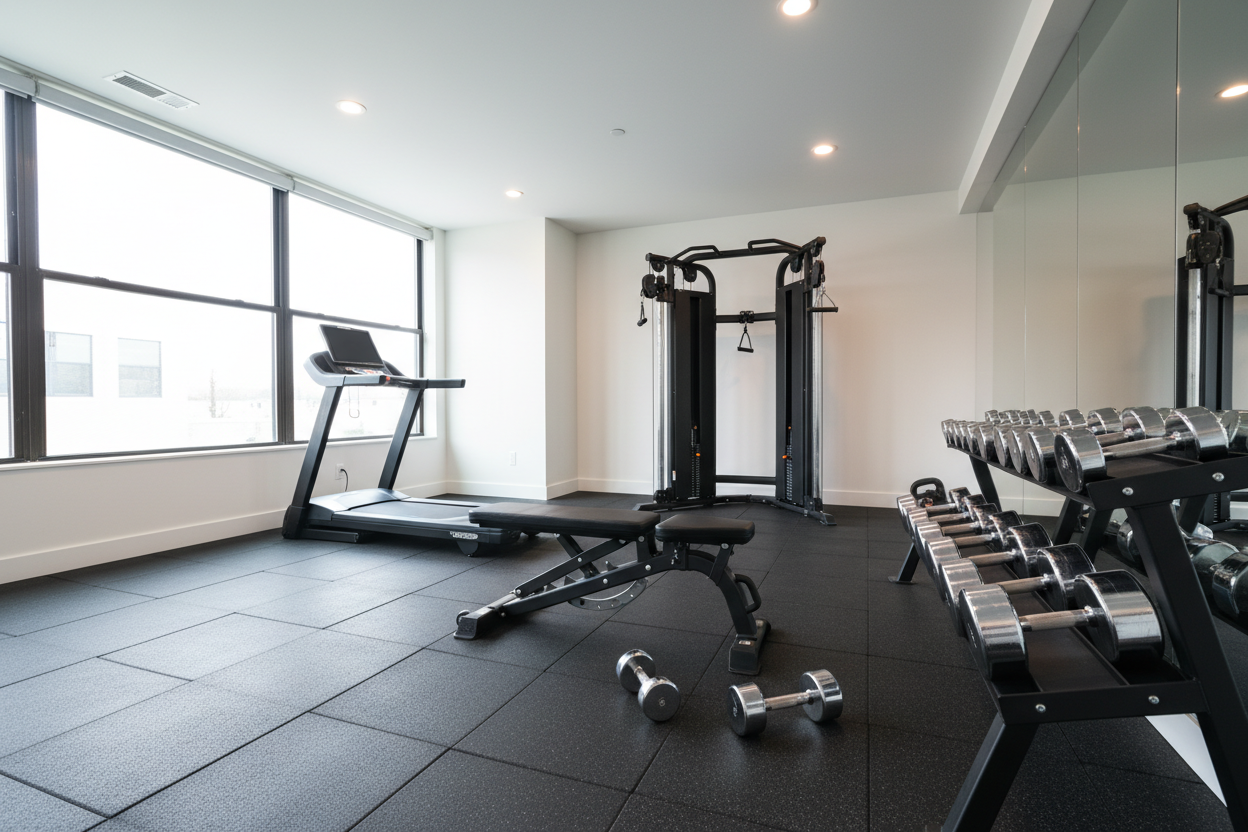
If you have access to a cable machine, side delt isolation exercises are arguably better with a low pulley. Cables provide 'constant tension,' meaning the lateral deltoid muscle is working against the same resistance at the bottom, middle, and top of the rep. It's the gold standard for how to target side delts effectively.
However, side delt dumbbell exercises are more convenient for most of us. To make dumbbells work, you have to use the leaning trick mentioned above. If you're stuck with just dumbbells, focus on a three-second eccentric phase. This increases the 'time under tension' and makes up for the lack of resistance at the very bottom of the movement. Both tools work, but cables are the secret for side delt muscle growth.
Building 3D Shoulders: Programming Your Isolation Work
The side delts are primarily slow-twitch fibers, which means they can handle higher volume and frequency. I've found the best results hitting side delt movements three times a week. You don't need to go heavy; sets of 12-20 reps are the sweet spot for a lateral deltoid workout. If you're only doing side shoulder exercises once a week, you're leaving gains on the table.
To get that 'capped' look, you need to balance this with posterior work. You should pair your side work with the best back of shoulder exercises to ensure your posture stays upright and your shoulders look thick from the side, not just the front. A good rule of thumb is to perform two sets of rear or side delt work for every one set of heavy pressing you do.
Personal Experience: The Day I Checked My Ego
I used to be the guy doing side delt lifts with the 45lb dumbbells. My shoulders were perpetually sore, but they weren't growing. I finally swallowed my pride, dropped down to the 15lb dumbbells, and started using the leaning method with strict form. Within three months, I had more lateral head development than I'd seen in the previous three years. It was a humbling reminder that in the world of isolation exercises, how you move the weight matters infinitely more than how much weight you move.
FAQ
Can I do side delt exercises at home without a rack?
Absolutely. You can lean against a sturdy door frame or even a wall. The goal is just to create that angle. If you have zero equipment, you can even do side lat exercises using a gallon of water or a heavy backpack.
What are side delts exactly?
The side delts (or lateral deltoids) are the middle head of the shoulder muscle. They are responsible for shoulder abduction—lifting your arm out to the side. They are the primary muscle that creates the 'V-taper' look.
How do I stop my traps from taking over?
Lower the weight and think about pushing your hands away from your body, not up. You can also try seated side delt dumbbell exercises, which help keep your torso still and minimize the ability to shrug the weight up.