The Unsexy Reality of What Strength Training Leads To:
I remember the night I bought my first 300-lb Olympic barbell set from a guy on Craigslist. I didn't care about my insulin sensitivity or my bone mineral density. I just wanted to fill out the sleeves of a size Large t-shirt without looking like I was wearing a tent. Most of us start this way—scrolling through equipment reviews at midnight, looking for the fastest way to look like we actually lift.
But after a decade of sweating in my garage and testing everything from budget racks to competition-grade bars, I've realized the mirror is the most boring part of the story. Beyond the bicep peaks, strength training leads to: a fundamental biological upgrade that most people completely miss while they're chasing a six-pack.
Quick Takeaways
- Strength training increases bone density via Wolff's Law, preventing age-related fractures.
- Muscle tissue is metabolically active, increasing your resting calorie burn significantly.
- Grip strength is a scientifically backed predictor of longevity and lower mortality risk.
- Heavy lifting bulletproofs joints by strengthening connective tissues, not just muscles.
We All Start Lifting for the Wrong Reasons
Vanity is a hell of a drug. It gets you into the gym, sure, but it rarely keeps you there when the temperature in your garage drops to 30 degrees in January. We buy the adjustable dumbbells and the squat racks because we want to change how we look. We want the before-and-after photo that gets a few likes on social media. It is an honest admission: most of us buy our first barbell to look better in a t-shirt, completely ignoring the massive physiological overhaul happening beneath the skin.
What we ignore is that every time you grind out a heavy triple, you aren't just tearing muscle fibers. You are sending a signal to your entire nervous system that the current version of you is inadequate for the environment. Your body doesn't care about your beach body. It cares about survival. That overhaul is what keeps you coming back long after the novelty of seeing a vein in your forearm wears off. It’s about becoming a more durable human being, not just a more decorative one.
I’ve seen guys obsessed with the scale who ignore the fact that they can finally walk up three flights of stairs without huffing. They’re so focused on the fat loss that they miss the fact that their posture has improved and their chronic lower back pain has vanished. We start for the mirror, but we stay for the feeling of being capable.
What the Latest Strength Training Studies Prove
If you look at recent strength training studies, the data is staggering. It turns out that lifting heavy isn't just a meathead pursuit—it’s arguably the most effective form of preventative medicine we have. One strength training study after another highlights how resistance training significantly alters your resting metabolic rate. You aren't just burning calories while you lift; you're turning your body into a furnace that consumes more energy even while you're sleeping. This isn't marketing fluff; it's basic thermodynamics.
Beyond the metabolism, we're seeing massive links between heavy loading and cognitive function. Pushing through a heavy set of squats requires a level of neurological recruitment that aerobic exercise simply can't match. To get these results, you need the right tools. Having quality strength equipment for home is the best way to ensure you actually hit those heavy sets required for these adaptations. When you have a 20kg bar and a pile of iron plates at your disposal, you're more likely to stick to the high-intensity work that actually drives these biological changes.
The science is clear: strength training improves insulin sensitivity, reduces systemic inflammation, and even helps manage anxiety. It’s a total system reboot. When you lift, you are essentially telling your body to stay young. You are forcing it to maintain its hardware rather than letting it go to seed. The latest research suggests that even two sessions a week can significantly lower the risk of cardiovascular disease, proving that the barbell is a tool for longevity as much as it is for power.
Bulletproof Joints and Denser Bones
Most people think of aging as a slow, inevitable slide into brittleness. They’re wrong. They just aren't following Wolff’s Law. This law states that bone grows or remodels in response to the forces placed upon it. When you put a heavy bar on your back, your bones literally thicken to support the load. This isn't just for powerlifters; it's the difference between a hip fracture at 70 and a vibrant, mobile old age. Loading the skeletal system prevents the brittle degradation most people accept as normal aging.
The same goes for your joints. Lifting with proper form strengthens the tendons and ligaments surrounding your knees and shoulders. I used to have bad knees from years of high school sports. After three years of consistent squatting, those aches are gone. You aren't wearing your joints out; you're reinforcing them. By providing a controlled stressor, you're teaching your connective tissue to be resilient rather than fragile.
The Real Metabolic Furnace
The old-school advice was always to do cardio for fat loss. That's a trap. While a 30-minute run burns calories in the moment, it does nothing for your long-term metabolic baseline. Building dense muscle tissue is like upgrading the engine in your car from a V4 to a V8. Even at a red light, you’re burning more fuel. For those who want to push this further, trying a high-intensity strength training challenge can bridge the gap between raw power and metabolic conditioning.
Dismantling the cardio-for-fat-loss myth is essential. Muscle is expensive tissue for your body to maintain. It requires energy just to exist. By shifting your focus from burning calories to building tissue, you permanently alter your daily calorie expenditure. This makes weight management a byproduct of your strength rather than a daily struggle against the treadmill.
Fixing the 'Strength Health' Disconnect
There is a weird disconnect in the fitness world between being strong and being healthy. People see a guy deadlifting 400 pounds and think it's just for show. But strength health is about the carryover. It’s about being able to carry all the groceries in one trip, picking up your kids without throwing out your back, and never needing help moving a couch. It’s the functional reality of living in a body that isn't easily broken.
To stay in the game long enough to see these benefits, you don't need a million machines. You need the basics. Investing in basic strength training accessories like a solid leather belt or a pair of knee sleeves can make the difference between a productive session and a week on the heating pad. These tools aren't crutches; they're safety equipment that allows you to push the intensity high enough to actually trigger a health response. They keep your joints warm and your spine supported while you do the hard work.
I’ve met plenty of people who can run a 5k but struggle to lift a heavy box into their attic. That is a gap in their health. True health includes the capacity to handle physical load. When you bridge that gap, you realize that being strong makes every other aspect of life easier. You move better, you sit better, and you recover faster from minor injuries.
One Specific Strength Training Study You Need to Read
If you need more motivation, look at the research regarding grip strength. A landmark strength training study published in The Lancet followed nearly 140,000 people and found that grip strength was a stronger predictor of all-cause mortality than systolic blood pressure. Basically, the stronger your hands and lower body are, the longer you are likely to live. It’s a direct correlation: more strength equals less death.
This study didn't just look at athletes; it looked at the general population. It found that for every 5kg decrease in grip strength, there was a 17 percent higher risk of cardiovascular death. It’s a sobering thought. This is why I tell people to stop worrying so much about their mile time and start worrying about their deadlift numbers. Lower body power and grip strength are the ultimate markers of how well your body is holding up against the passage of time.
How to Start Reaping These Benefits Today
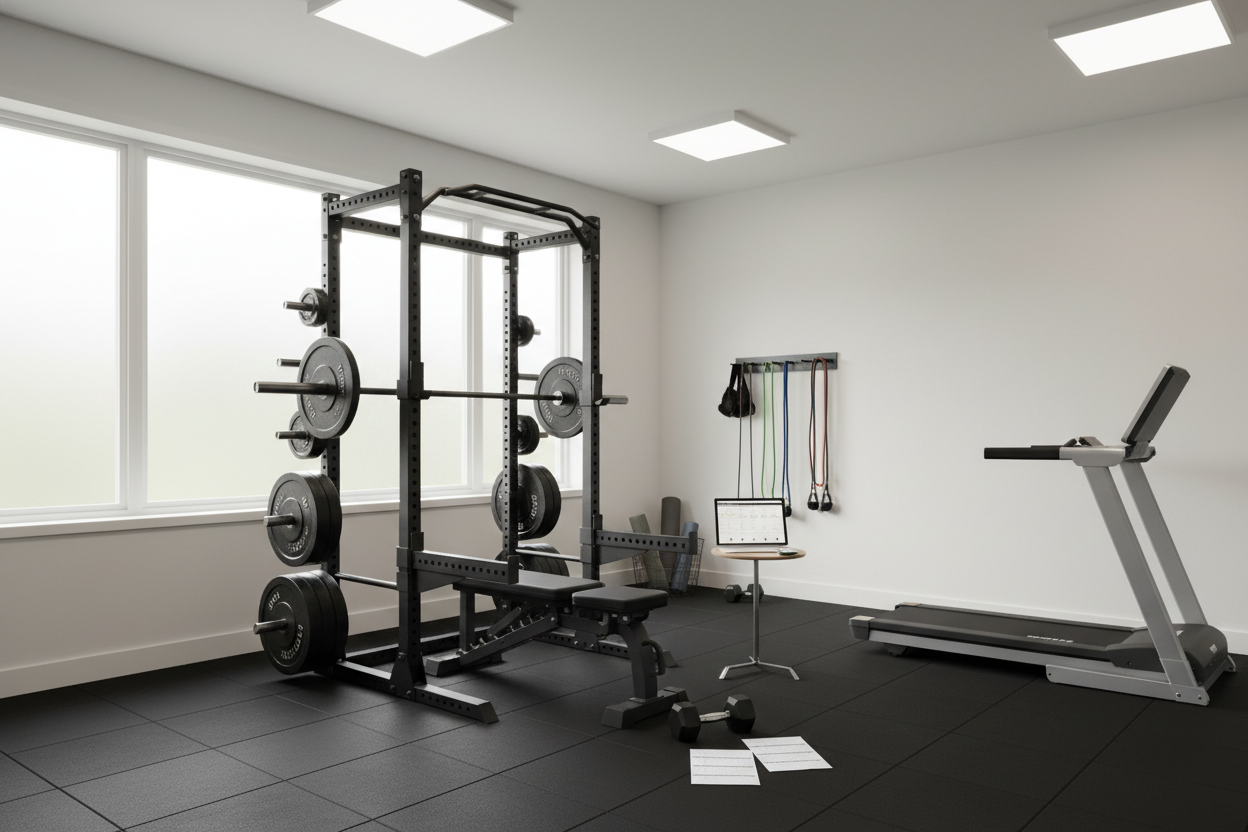
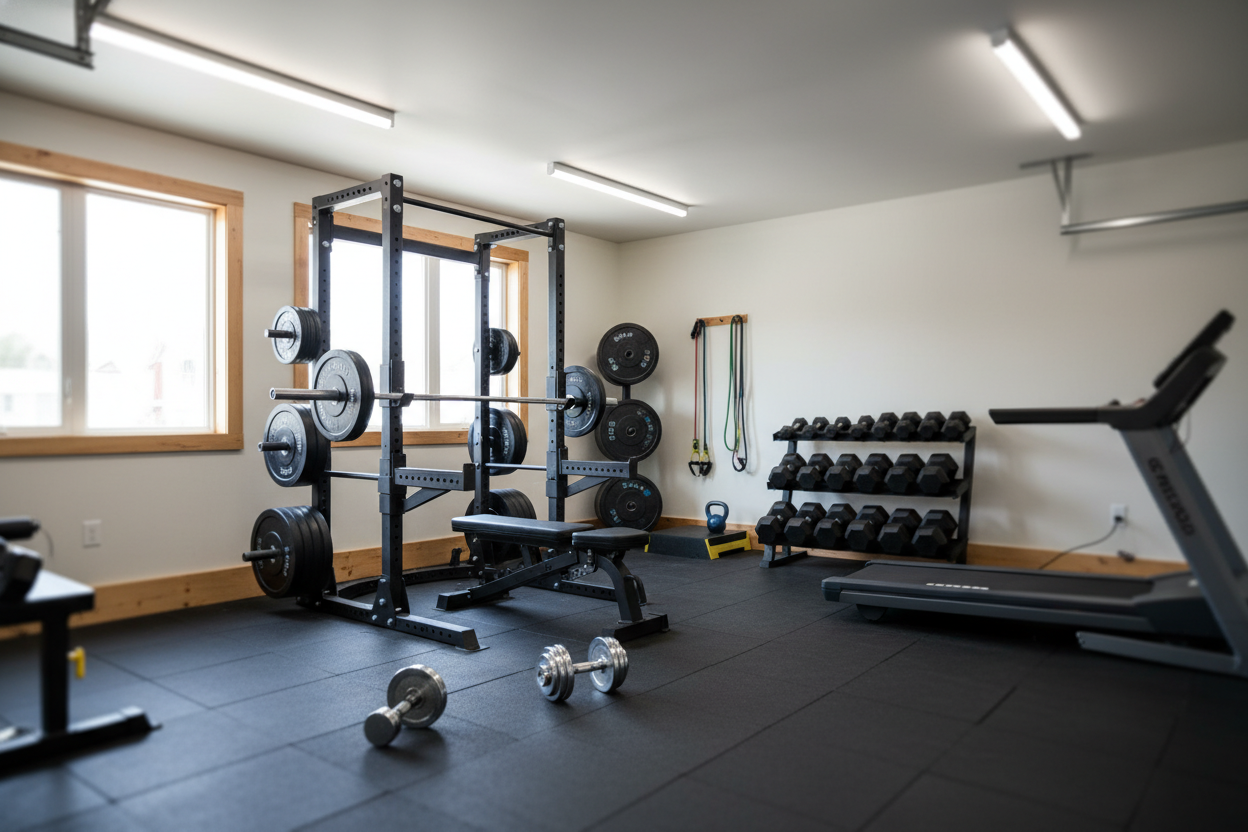
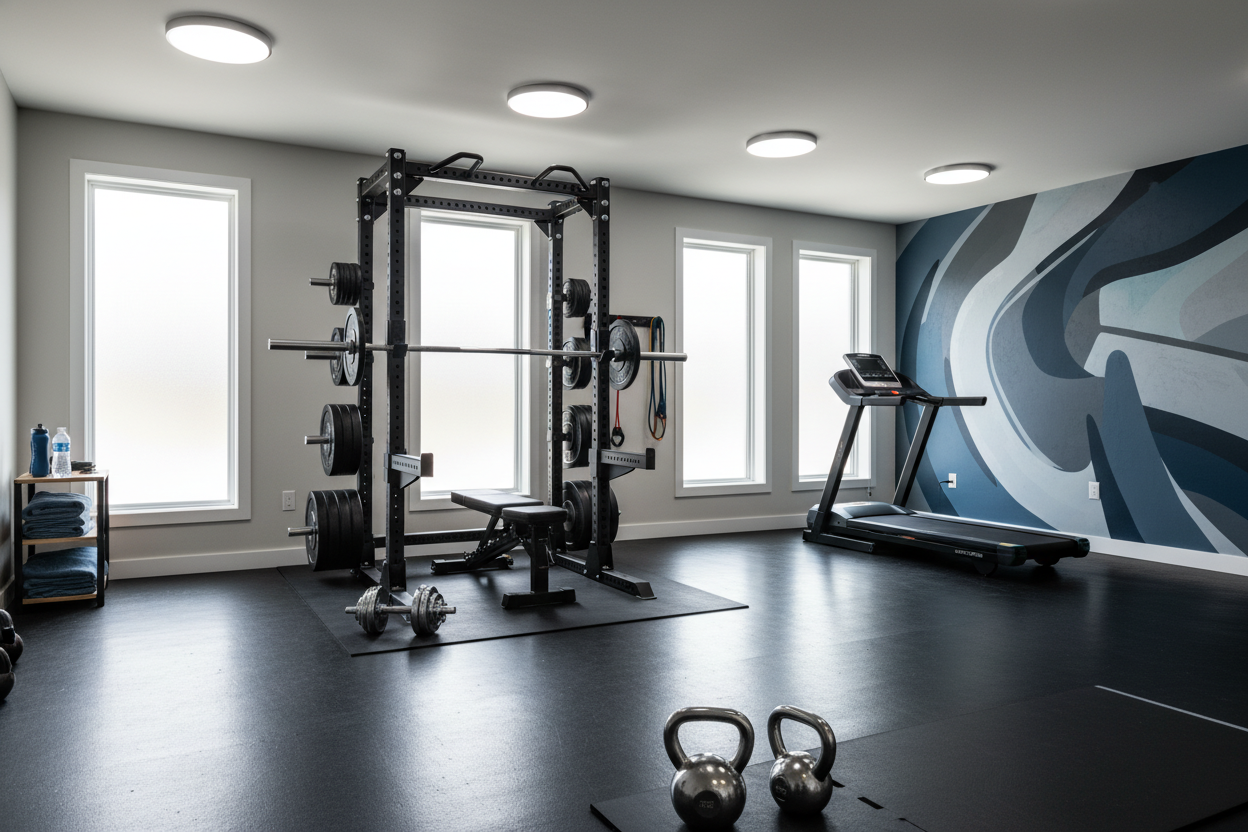
The biggest mistake I see is over-complicating the process. You don't need a 12-week periodized program designed for an Olympian. You need a barbell, a rack, and a willingness to be uncomfortable. Start with the big compound movements: Squat, Bench, and Deadlift. Add five pounds every time you go to the gym. That’s it. Stop overthinking your routine and start driving these biological changes in your own garage gym.
Stop looking for the perfect routine. The best routine is the one where you actually move heavy weight three days a week. Your bones don't care about your wellness goals—they care about the 200 pounds pressing down on them. Get the gear, get in the garage, and start the work. The aesthetics will come as a side effect, but the health benefits—the bone density, the metabolic health, the longevity—are the real prize. Pick up something heavy today.
Personal Experience: My Gear Mistake
When I first started, I bought a cheap, no-name barbell that had a 300-lb capacity. I thought I was being smart and saving money. About six months in, I was deadlifting 275, and the bar started to hold a permanent bend. The knurling was so passive it felt like holding a wet noodle. One day, it slipped out of my hands mid-pull, and I nearly crushed my toes. I learned then that cheap gear often costs more in the long run. I eventually upgraded to a high-quality power bar with aggressive knurling, and my progress exploded because I actually felt secure under the load.
FAQ
Does strength training make you bulky?
Only if you eat in a massive surplus to support that growth. For most people, it just makes you look tighter and more athletic. You won't accidentally wake up looking like a pro bodybuilder; that takes years of specific effort.
How many days a week do I need to lift?
Three days is the sweet spot for most home gym owners. It gives you enough stimulus to grow and enough recovery time to avoid burnout or injury. Consistency beats intensity every time.
Can I get these benefits with just bodyweight?
To a point, yes. But to truly maximize bone density and metabolic changes, you need external resistance. Gravity alone isn't enough to trigger the heavy-duty adaptations that iron provides. You eventually need to add weight to the bar.