The Underbutt Fix: How to Finally Lift and Sculpt Your Lower Glutes
Everyone wants that gravity-defying lift, but targeting the lower section of the gluteus maximus—often called the "gluteal fold" or "underbutt"—is notoriously tricky. If you have been squatting heavy for months without seeing a change in how your glutes separate from your hamstrings, you aren't alone. The gluteus maximus is a single muscle, but the lower fibers require specific biomechanical angles to fully activate. To really sculpt that area, you need to focus on exercises that challenge the muscle in its lengthened position, meaning movements where the hips are deeply flexed while under tension.
Finding the right exercise for lower glutes isn't about reinventing the wheel; it is about tweaking your form to shift the bias from the quads or upper glutes down to that stubborn lower insertion point. Standard squats are great for overall mass, but they often don't provide enough stretch at the bottom to carve out that specific line. The secret lies in hip extension exercises where the resistance is greatest when the muscle is stretched.
My Struggle with the "Pancake" Phase
I spent the first three years of my training journey obsessed with heavy barbell back squats. I thought that if I just moved enough weight, the aesthetic results would naturally follow. While my legs got stronger and my quads grew significantly, my posterior chain didn't seem to get the memo. I looked in the mirror one day and realized I had developed what bodybuilders call a "shelf" on top, but the bottom still looked flat and undefined. It was frustrating to put in that much work and not see the lift I wanted.
It wasn't until I stopped obsessing over the amount of weight on the bar and started obsessing over the angle of my hips that things changed. I swapped out some of my heavy lifting for lunges with a forward lean and deep step-ups. The soreness I felt the next day sat right at the base of the glute, a sensation I had never achieved with squats alone. That shift in strategy was the turning point for my physique.
The Myth of Spot Reduction vs. Spot Building
Before diving into the movements, we have to clear up a common misconception. You cannot burn fat specifically off your lower glutes by doing leg lifts. Fat loss is systemic and dictated by a caloric deficit. However, you absolutely can spot build. By increasing the muscle mass in the lower region of the gluteus maximus, you create a firm foundation that pushes out against the skin, creating that rounded, lifted appearance regardless of body fat percentage.
The Best Lower Glute Exercises for Definition
To target this area, we need movements that emphasize the stretch. Here are the most effective movements to add to your rotation.
1. Deficit Reverse Lunges
This is arguably the king of lower glute exercises. By standing on a small platform (like a weight plate or a low step), you allow your back knee to travel lower than your front foot. This increased range of motion puts a massive stretch on the glute fibers at the bottom of the movement.
The key here is the torso angle. Instead of staying upright, which targets the quads, lean your torso forward about 30 to 45 degrees. Keep your spine neutral. As you step back and drop down, think about driving your front hip backward. You should feel a deep pull right where the glute meets the hamstring.
2. Romanian Deadlifts (RDLs)
The RDL is a pure hip hinge movement. Unlike a standard deadlift where you bend your knees significantly, the RDL keeps the legs relatively straight (soft knees, not locked). This movement is entirely about pushing the hips back as far as possible.
Imagine you are trying to close a car door with your butt while holding groceries. Push back until you feel a tight stretch in your hamstrings and lower glutes. Pause there. Do not just bounce out of the bottom. Squeeze your glutes to pull your torso back up. This tension in the lengthened position is exactly what triggers growth in the lower fibers.
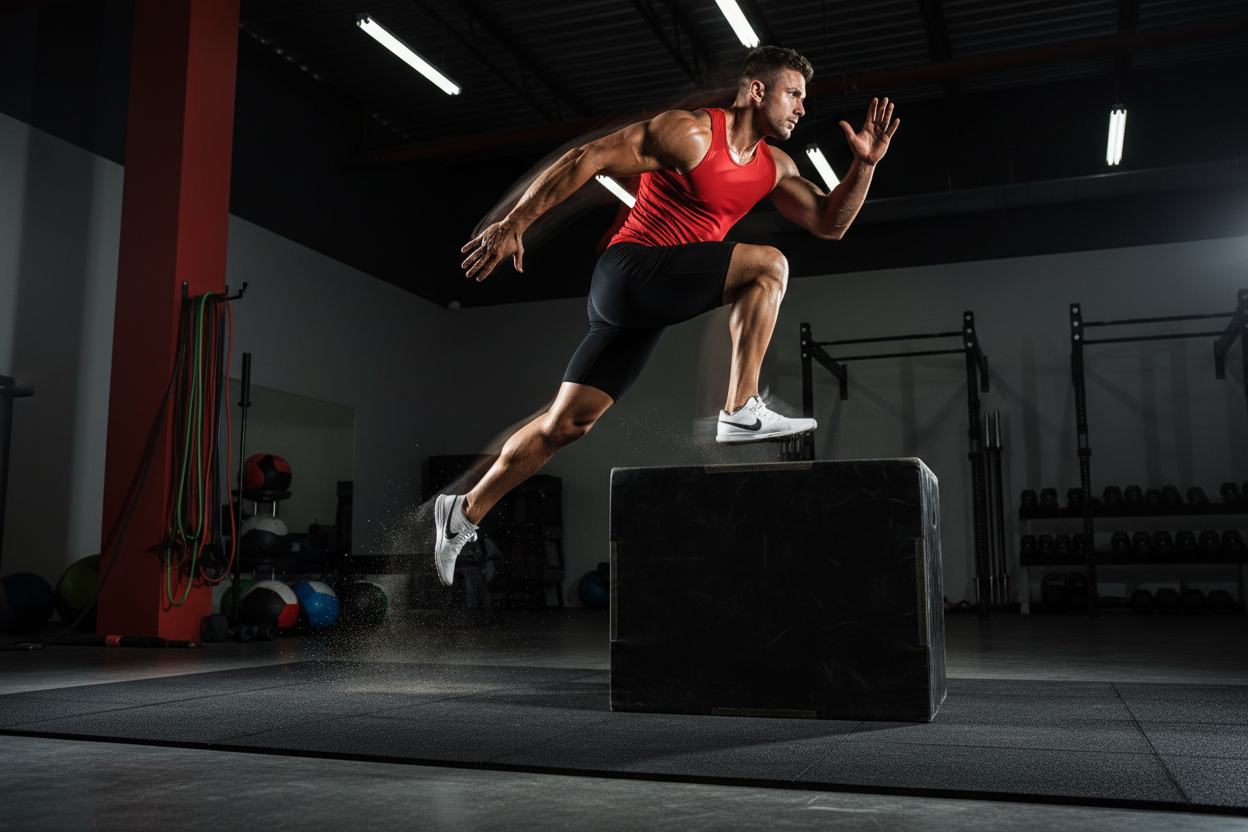
3. Glute-Biased Step-Ups
Step-ups are often performed poorly, with people launching themselves up using their back leg. To make this a lower glute builder, you need to be strict. Find a box that is roughly knee height or slightly higher.
Place one foot on the box. Before you lift, lean your weight forward so your nose is over your toes. Drive strictly through the heel on the box. Do not push off the ground with the other foot—pretend the floor is lava. Control the descent slowly (3-4 seconds down). That slow eccentric (lowering) phase is where the magic happens for muscle tearing and rebuilding.
4. Bulgarian Split Squats
Most people have a love-hate relationship with these because they are difficult, but they are non-negotiable for a complete lower glutes workout. Similar to the lunges, the setup dictates the muscle usage.
Take a longer stance than usual. If your foot is too close to the bench, you will target your quads. Hop your front foot out further so that at the bottom of the squat, your shin is vertical. Lean your torso forward. Drop your back knee down and back, focusing on stretching the glute of the working leg. If you aren't shaking by the eighth rep, you likely aren't going heavy enough.
Structuring Your Routine
Knowing the exercises is half the battle; programming them correctly is the other half. You shouldn't try to do all these movements in a single session unless you want to be unable to walk for a week. Instead, integrate them into your leg days intelligently.
A solid lower glutes workout structure prioritizes compound movements first when you have the most energy. Start with your heavy RDLs. Since this move taxes the central nervous system and the lower back, you want to be fresh.
Follow that with a unilateral (single-leg) movement like the Bulgarian Split Squat or Deficit Reverse Lunge. These fix imbalances and allow you to really focus on the mind-muscle connection without worrying about stabilizing a heavy barbell on your back. Finish with higher-repetition work like step-ups or hyperextensions.
The Importance of Progressive Overload
Doing the same workout with the same weight for months will yield the same results. To change the shape of your muscles, you must force them to adapt. This is progressive overload. Every week, try to add a little weight, do one more rep, or slow down your tempo.
Keep a logbook. If you did 40lbs on your split squats for 10 reps last week, try 45lbs this week, or stick with 40lbs and go for 12 reps. That incremental increase in volume is the signal your body needs to lay down new muscle tissue.
Common Mistakes to Avoid
The biggest error people make when targeting the underbutt is squeezing too hard at the top (the "ugly butt squeeze"). While a peak contraction is good, the lower glutes are most active at the bottom of the movement, under the stretch. Squeezing your hips forward at the top of a squat often just irritates the lower back and shifts tension to the upper glutes.
Focus your mental energy on the bottom half of the rep. Feel the fibers separating and stretching. If you lose tension at the bottom, you are losing the benefit of the exercise. Also, watch your speed. Momentum kills muscle growth. Bouncing out of a lunge or using a swing to get a weight up removes the tension from the muscle you are trying to build.
Consistency combined with the right angles will eventually change your physique. It takes time to build muscle tissue, specifically in stubborn areas, but with a focus on deep hip flexion and heavy loads, that lift is achievable.
Frequently Asked Questions
How long does it take to see results in the lower glutes?
With consistent training and proper nutrition, you can typically start seeing noticeable changes in muscle shape and lift within 8 to 12 weeks. However, significant muscle growth (hypertrophy) is a long-term process that requires months of progressive overload.
Can I train my lower glutes every day?
No, muscles grow during rest, not during the workout. Training glutes every day prevents recovery and can lead to injury or stalled progress. Aim to train them 2 to 3 times per week with at least 48 hours of rest between sessions.
Do I need to lift heavy weights to lift my buttocks?
While you can build some muscle with bodyweight exercises, lifting moderate to heavy weights is significantly more effective for changing the shape of the muscle. To stimulate the glutes enough to grow and "lift," you generally need to challenge them with resistance that makes the last few reps of a set feel difficult.