Build Explosive Speed: The Strength Routine Every Track Athlete Needs
Speed is not created solely on the track; it is forged in the weight room. Many runners fall into the trap of believing that the only way to get faster is to run more laps. While volume on the oval is necessary for conditioning, raw speed comes from force application. The more force you can put into the ground with every step, the longer your stride and the faster your turnover. To achieve this, you need a training regimen that prioritizes power, stability, and neuromuscular efficiency.
A specialized leg workout for track differs significantly from a bodybuilder's routine. You aren't training for size or pump; you are training for performance. The goal is to increase your power-to-weight ratio. This means lifting heavy weights with low repetitions and incorporating explosive movements that mimic the mechanics of sprinting. If you ignore the iron, you are leaving free speed on the table.
The Misconception of "Light Weight, High Reps"
For years, a pervasive myth plagued the running community: lifting heavy makes you bulky and slow. This couldn't be further from the truth. Hypertrophy (muscle growth) requires a specific caloric surplus and volume that most runners simply don't hit. Instead, heavy resistance training recruits high-threshold motor units—the fast-twitch muscle fibers responsible for explosive bursts of speed.
I learned this lesson the hard way during my sophomore year of college competition. I was stuck at a plateau in the 400m, running the exact same time week after week despite increasing my mileage. I felt flat. My coach eventually pulled me off the track two days a week and threw me into the squat rack. I was terrified my legs would feel too heavy to run. The opposite happened. After six weeks of heavy back squats and deadlifts, I felt like I had springs in my spikes. I broke my PR by a full second that season. That experience cemented my belief that strength is the foundation of speed.
Structuring the Ultimate Track Leg Workout
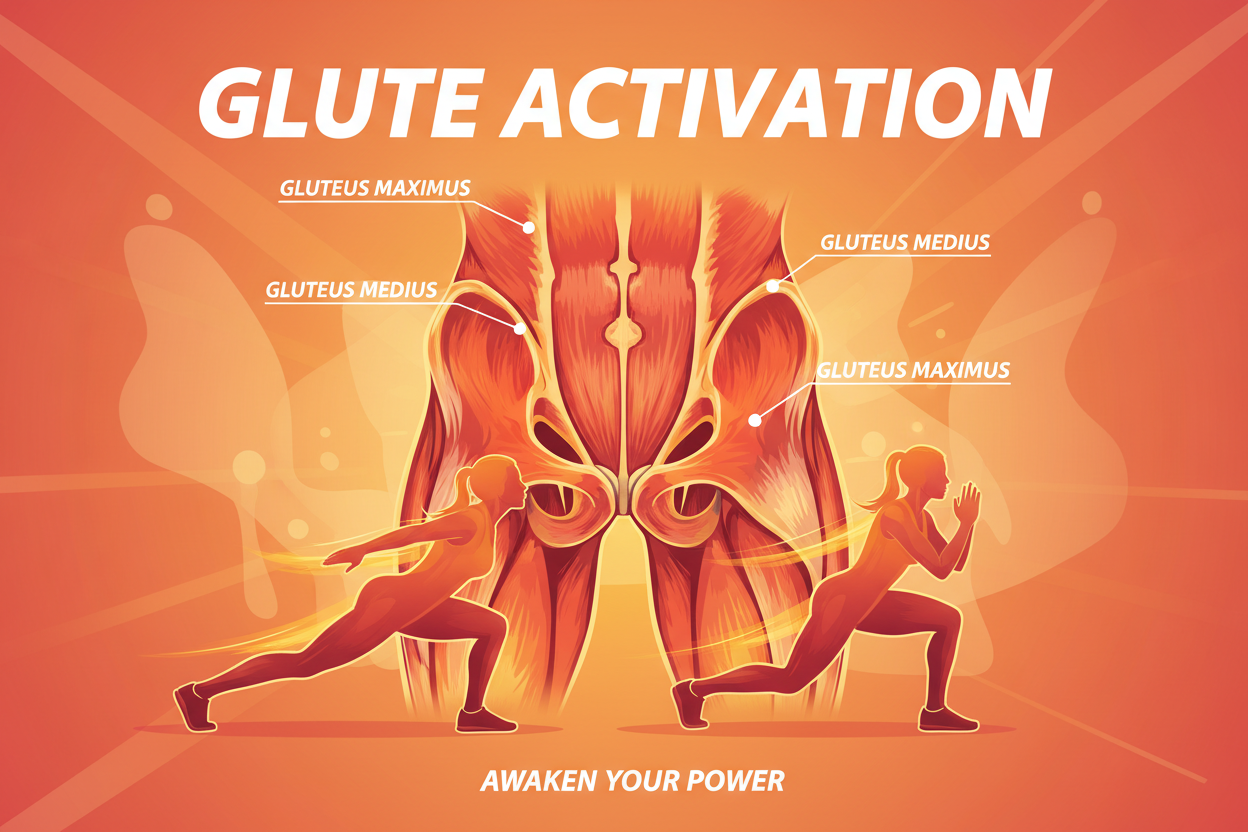
An effective track leg workout must target the posterior chain—the glutes and hamstrings. These are the prime movers in sprinting. While quads look good, the glutes and hamstrings are what propel you forward. The workout should be divided into three components: Max Force (Heavy Lifts), Unilateral Stability (Single-leg work), and Rate of Force Development (Plyometrics).
1. The Foundation: Trap Bar Deadlift
The trap bar deadlift is arguably the king of exercises for runners. It places less shear stress on the lower back compared to a conventional straight-bar deadlift and allows for greater force production. The movement pattern mimics the hip extension required to push off the blocks or maintain top-end speed.
Focus on keeping a neutral spine and driving your feet through the floor. The ascent should be aggressive. Do not grind the rep slowly if you can avoid it; try to move the bar with intent. This teaches your nervous system to fire rapidly.
2. Single-Leg Strength: Bulgarian Split Squats
Running is essentially a series of single-leg bounds. You are never on two feet at the same time. Therefore, bilateral exercises like the standard squat, while useful, don't fully replicate the stability demands of the sport. Unilateral training exposes imbalances between your left and right sides, which is a common cause of injury.
The Bulgarian Split Squat stretches the hip flexor of the rear leg while heavily loading the glute and quad of the front leg. This mobility-strength combination is vital for maintaining an efficient stride cycle. If you lack hip extension, your stride shortens, and you slow down.
The Aesthetic Byproduct
While performance is the primary goal, the physical results are undeniable. The lean, powerful look of runners legs men often aspire to achieve is a direct result of this type of training. Sprinters possess developed hamstrings and high, defined calves not because they do calf raises all day, but because they sprint and lift heavy. The high-intensity nature of track workouts strips away body fat, revealing the musculature built in the gym.
3. Explosiveness: Box Jumps and Depth Jumps
Strength means nothing if you cannot apply it quickly. Ground contact time for an elite sprinter is less than 0.10 seconds. You need to train your tendons to act like stiff springs. This is where plyometrics come in.
Start with standard box jumps to learn how to land softly and absorb force. Once you have mastered the landing, progress to depth jumps. Step off a low box, land, and immediately jump as high as possible. This trains the stretch-shortening cycle (SSC), improving your reactive ability. Keep the volume low here; quality is far more important than quantity.
Sample Routine for Speed
Here is a sample session designed to be performed twice a week, ideally on days when you are not doing high-volume running. Ensure you warm up thoroughly with dynamic stretching before touching a weight.
- A1. Box Jumps: 3 sets of 5 reps (Focus on max height, full recovery between sets)
- B1. Trap Bar Deadlift: 4 sets of 4-6 reps (Heavy, explosive concentric phase)
- C1. Bulgarian Split Squats: 3 sets of 8 reps per leg
- D1. Romanian Deadlifts (RDL): 3 sets of 10 reps (Focus on hamstring stretch)
- E1. Seated Calf Raises: 3 sets of 15 reps (Soleus strength for injury prevention)
Rest periods are crucial. Take at least 2 to 3 minutes between heavy sets. You are taxing your central nervous system, and it requires longer to recover than your muscles do.
Recovery and Mobility
Lifting heavy creates micro-tears in the muscle fibers. Recovery is where the actual strengthening occurs. If you combine a heavy leg workout for track with intense interval training without adequate sleep and nutrition, you risk overtraining or injury. Prioritize protein intake and sleep quality.
Furthermore, mobility work is non-negotiable. Tight hips restrict your range of motion, limiting your stride length. Incorporate pigeon poses, hip flexor stretches, and foam rolling into your post-workout routine. A mobile athlete is a durable athlete, and durability is the key to consistency.
Incorporating these strength movements will do more than just improve your physique; they will alter the mechanics of how you run. You will find yourself hitting the ground with more authority, maintaining form late in the race, and ultimately, crossing the finish line faster.
Frequently Asked Questions
Should I lift on hard running days or easy days?
It is generally better to lift on your hard running days, usually after your run. This keeps your hard days hard and allows your easy days to be true recovery days. Lifting on rest days prevents your body from fully recovering, which can lead to burnout.
How heavy should I lift for track speed?
Aim for a weight that allows you to complete 4 to 6 reps with good form, leaving maybe one or two reps in the tank. If you can easily do 10 or 12 reps, the weight is too light to stimulate the strength adaptations needed for explosive speed.
Will heavy squats make my legs too big for running?
No, lifting heavy with low volume (reps) primarily builds strength and neural drive rather than muscle mass. Hypertrophy requires high volume and a calorie surplus. You will get stronger and more powerful without gaining significant weight that would slow you down.