The Uncomfortable Truth About Weight Lifting Results Female Lifters Face
I remember staring at my bathroom scale three weeks into my first real lifting program, wondering why I looked exactly the same despite being unable to walk up stairs without wincing. Social media had me convinced I’d have visible abs and capped shoulders by Tuesday. If you’re hunting for weight lifting results female lifters actually achieve, you need to ignore the filtered 'before and after' photos and look at the hard data.
Real progress isn't a montage. It's a slow, often frustrating grind of moving heavy metal in a garage or basement. Here is the reality of what happens when you commit to the iron.
- Neurological gains arrive first; you get stronger before you look different.
- Scale weight often spikes early due to muscle inflammation and glycogen storage.
- Visible 'tone' requires at least 12 to 16 weeks of consistent progressive overload.
- Your home equipment will eventually dictate your progress ceiling.
Stop Believing Those 30-Day Transformation Photos
The fitness industry is built on the lie that you can overhaul your entire physique in a month. Most of those 30-day transformation photos are a masterclass in deception. They involve strategic lighting, a heavy 'pump' from a high-carb meal and a quick workout, and sometimes just a better tan. Actual muscle tissue accrual—the kind that stays when you're relaxed—happens at a glacial pace.
You cannot force your biology to build five pounds of lean muscle in four weeks. It’s physically impossible for a natural lifter. When you see a change that looks dramatic in a month, you’re usually seeing someone who lost five pounds of water bloat or simply learned how to stand with better posture. Real weight lifting women results are measured in seasons, not weeks.
Months 1 to 3: The 'Invisible Strength' Phase
During the first 90 days, you will feel like a superhero, but you'll probably look the same in the mirror. This is the neurological adaptation phase. Your central nervous system is learning how to recruit motor units more efficiently. You’ll find yourself adding 5 or 10 pounds to the bar every week, which is incredibly addictive. This is where most people quit because they expect the mirror to reflect that 20% strength increase. It won't.
Your body is currently laying the foundation. It’s strengthening connective tissue and improving bone density. While you aren't seeing weight training women results in the form of bulging biceps yet, your 'invisible strength' is what allows you to eventually lift heavy enough to force the muscle to grow later. Stick with it.
Why the Scale Might Actually Go Up (And Why That's Fine)
Don't panic if the scale jumps three pounds in the first fortnight. When you start a new lifting routine, your muscles experience micro-tears. To repair them, your body triggers an inflammatory response, which involves holding onto water. Additionally, your muscles begin storing more glycogen (fuel) to keep up with the new demand. That extra weight isn't fat; it’s the literal infrastructure your body needs to get stronger.
Months 4 to 6: When the Muscle Actually Shows Up
This is the sweet spot. Around the four-month mark, the 'invisible' work starts becoming visible. This is hypertrophy in action. Your clothes will start fitting differently—not necessarily tighter or looser, but the shape changes. Your shoulders might start squaring off, and your legs will feel denser. This is also when you notice that relying strictly on heavy lifting without cardio creates a specific, 'hard' look that high-rep calisthenics just can't replicate.
To see these results, you must be eating enough protein and practicing progressive overload. If you’re still using the same 10-lb dumbbells you started with in month one, your body has no reason to change. You have to give it a reason to grow by consistently increasing the challenge.
Year One and Beyond: The Lower Body Shift
By the time you hit a year of consistent training, your lower body will likely be unrecognizable compared to day one. Building significant mass in the glutes and quads takes time because those are massive muscle groups. Most women spend years trying to 'tone' their legs with light weights, failing to realize that 'tone' is just muscle mass minus a layer of body fat. You have to build the muscle first.
Don't worry about waking up one day looking like a pro bodybuilder by accident. Understanding the real science of lower body mass will show you that 'bulking' is a deliberate, difficult process. For most of us, hitting the heavy squats simply results in a firmer, more athletic silhouette that looks great in and out of gym clothes.
Does Your Equipment Choice Change the Timeline?
I’ve trained in world-class facilities and in a 100-degree garage. The gear matters, but not for the reasons you think. You don't need a $5,000 cable crossover machine, but you do need equipment that doesn't limit your ceiling. If your 'home gym' is just a pair of 15-lb dumbbells, you will plateau within two months. You need a way to keep adding weight safely.
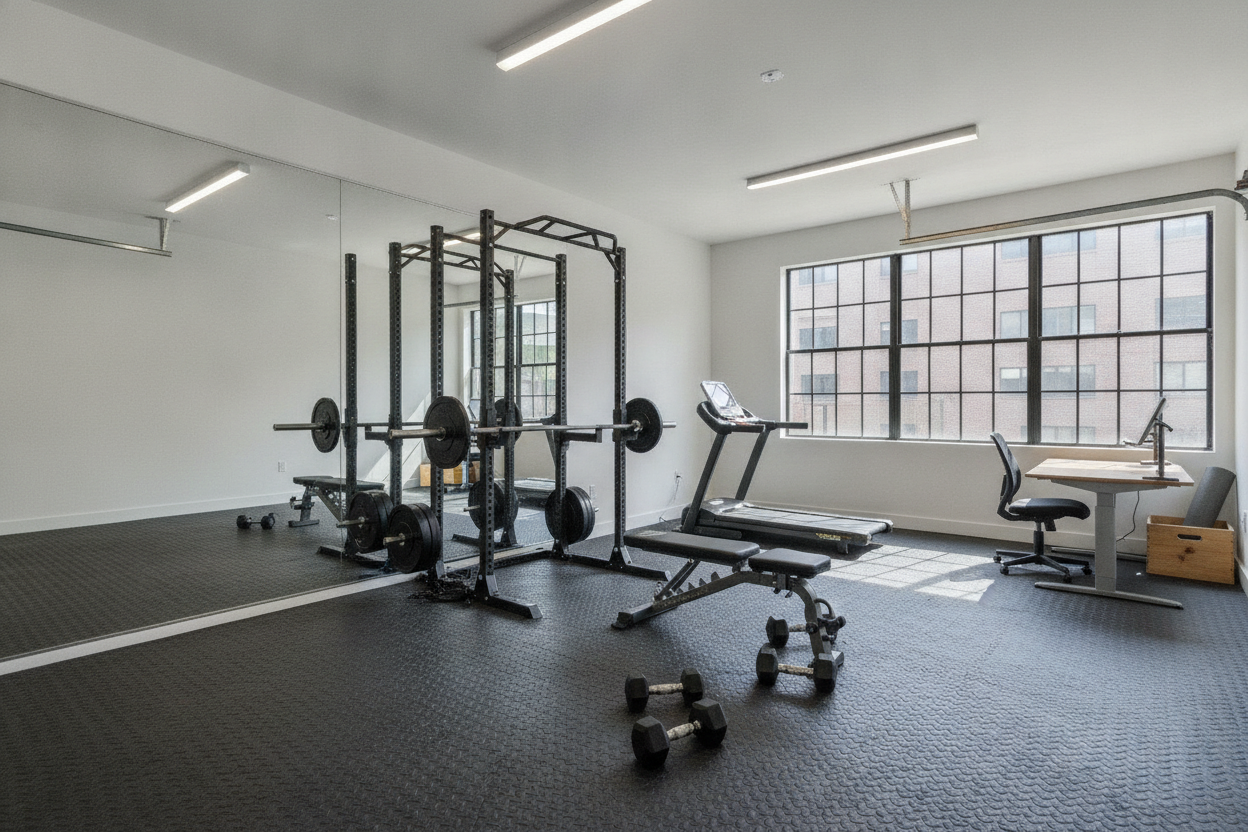
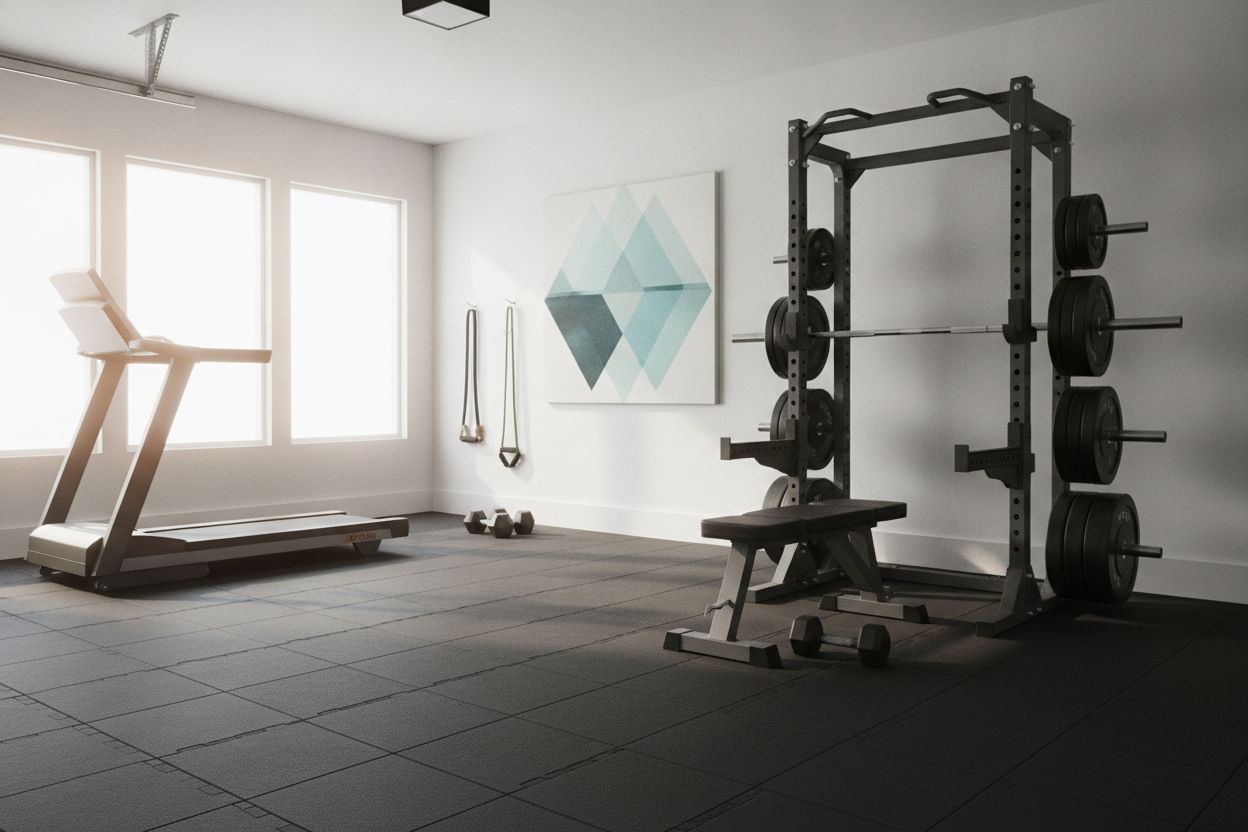
Investing in a heavy-duty power rack package is the move if you're serious about long-term results. It allows you to squat and press heavy without a spotter. Pair that with a solid adjustable weight bench so you have a stable platform for presses and rows. If your bench wobbles when you're trying to push a heavy set of dumbbells, you're losing force transfer and increasing your injury risk. Buy gear that matches your ambitions.
Personal Experience: My 'Light Weight' Mistake
I spent my first six months of lifting terrified of the 'big' weights. I stuck to high-rep lunges with 12-lb weights because I thought that was the 'female' way to train. My results were nonexistent. It wasn't until I bought a real barbell and started failing reps at five or six that my body actually changed. I wasted half a year because I was afraid of a number on a plate. Don't make that mistake. Load the bar.
FAQ
How many days a week should I lift?
Three to four days is the sweet spot for most. It allows for enough volume to trigger growth while giving your central nervous system time to recover between sessions.
Will lifting make me bulky?
No. You lack the testosterone levels to 'accidentally' look like a bodybuilder. What most people call 'bulk' is usually just muscle covered by a layer of body fat. If you want that 'toned' look, you need the muscle underneath.
Can I get results with just bodyweight?
Initially, yes. But your body adapts quickly. Without external resistance—like barbells or heavy dumbbells—you’ll stop seeing physical changes once your body gets used to moving its own weight.