The Ugly Truth About Those Killer Glute Exercises on Your Feed
I have spent way too much time scrolling through social media watching influencers perform 'rainbow' leg lifts with 2-lb ankle weights. It is frustrating because most people think they are doing killer glute exercises while their posterior chain is basically taking a nap. If you are training for a specific look, you need to train for specific function, and that usually involves moving some actual weight.
The reality is that your glutes are among the most powerful muscles in your body. They are designed to move heavy loads and propel you forward, not to be tickled by a resistance band for 40 minutes. Most of what you see online is built for the camera, not for the mirror or the squat rack.
Quick Takeaways
- Stability is the foundation of force production.
- Mechanical tension beats a 'sweaty burn' every single time.
- Stop doing balance-act exercises if you want actual muscle growth.
- Heavy compounds like RDLs and Lunges are non-negotiable.
Why Your Feed Is Lying to You About Lower Body Growth
Algorithms love movement. They love colorful leggings, high-energy music, and exercises that look complicated and 'dynamic.' The problem is that the gluteus maximus is a simple, stubborn muscle. It responds to load and stretch. When you see someone doing a killer booty workout that involves jumping, twisting, and three different types of bands, you are watching a cardio session, not a muscle-building session.
Visual flair does not equal hypertrophy. Most influencers are already lean and genetically blessed; they didn't build that physique with the 'burn' workouts they are selling you. They built it with heavy squats, deadlifts, and years of consistent effort. Don't let a 30-second clip convince you that you can bypass the hard work of moving heavy iron.
The Difference Between a 'Burn' and Muscle Damage
We have all been there—that stinging sensation in your hips after the 50th rep of a side-lying leg lift. That is lactic acid, not necessarily muscle growth. If you want a killer booty workout, you need to understand that being tired isn't the same as being productive. You can get 'tired' by running in place, but that won't help you fill out a pair of jeans.
True growth comes from mechanical tension—placing a muscle under a load it isn't used to. This is why structuring a proper routine is so vital. You need a plan that tracks your lifts and ensures you are adding weight or reps over time. If you are doing the same bodyweight circuit every Tuesday, your body has no reason to change.
Stability: The Unsexy Secret to Killer Glute Exercises
You cannot fire a cannon from a canoe. If your central nervous system is worried about you falling over or sliding across the floor, it will 'gate' your strength. It won't let your glutes fire at 100% because it is too busy trying to keep your ankles from snapping. This is why I always tell people to get off the carpet and onto something solid.
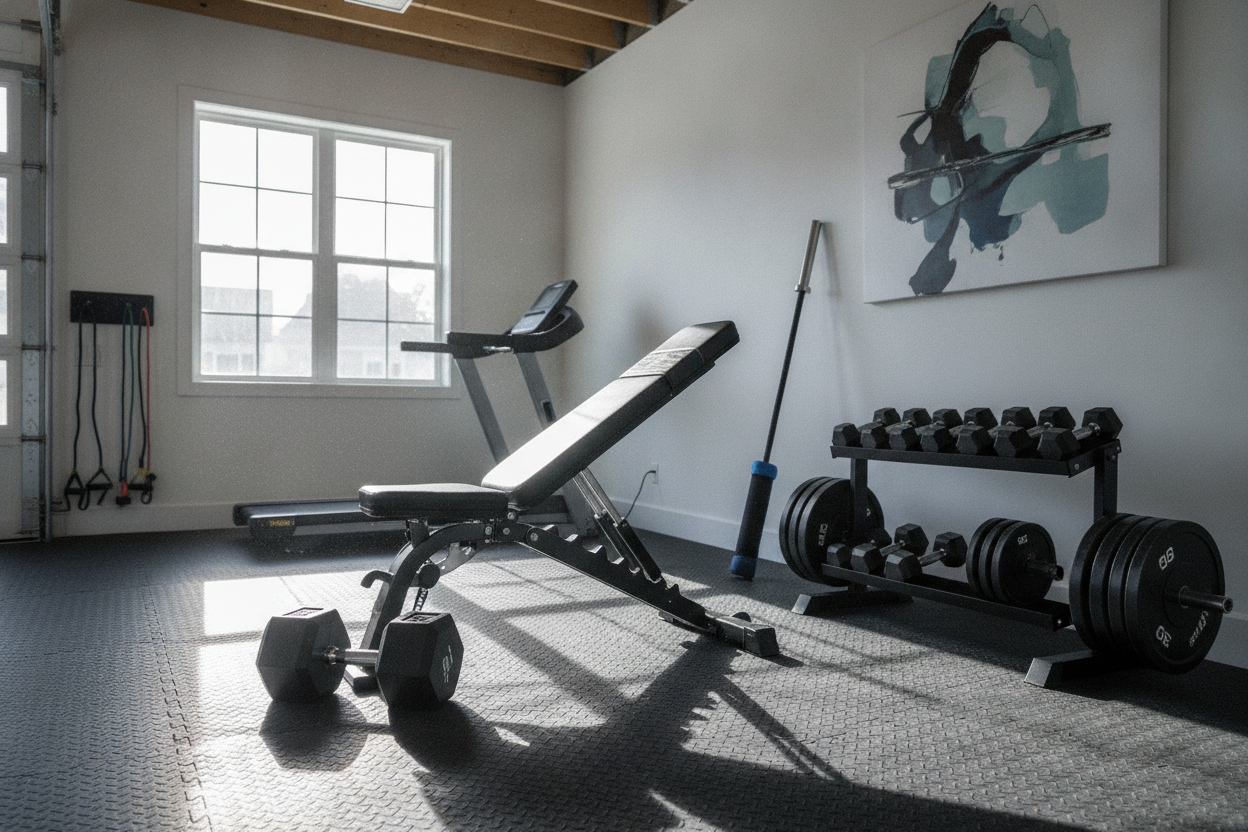
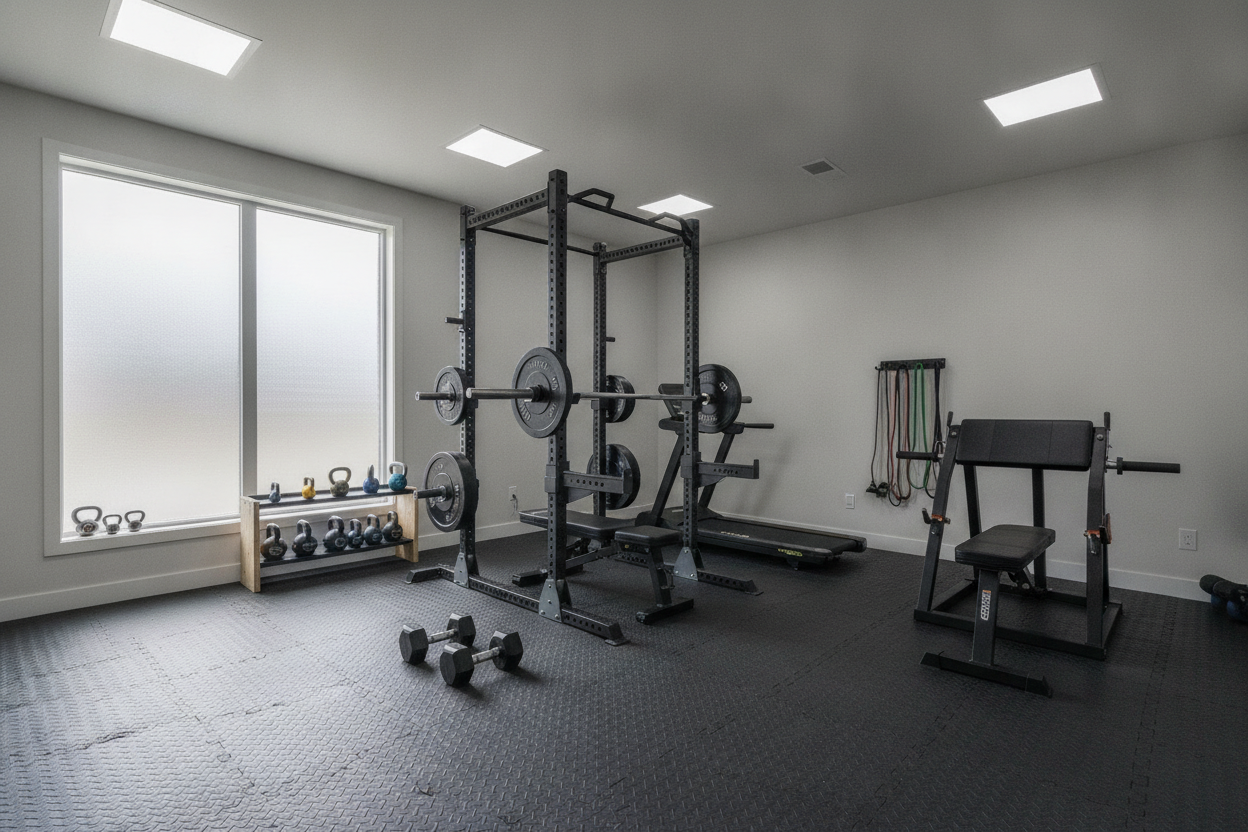
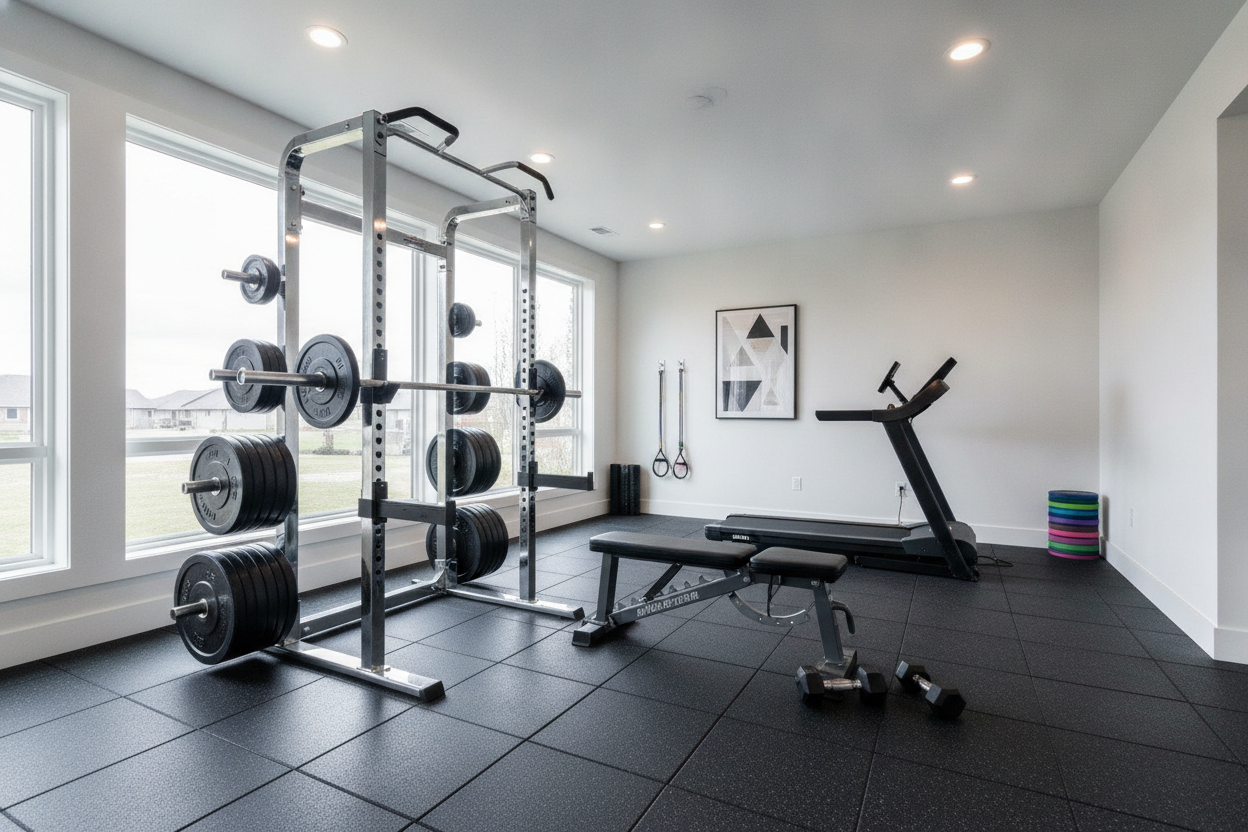
Driving your feet firmly into the ground during a heavy RDL or hip thrust requires a surface that won't slip. Investing in high-traction gym flooring is one of the best things you can do for your home setup. When you feel glued to the floor, you can actually push your limits without that nagging fear of a foot sliding out from under you mid-set.
Stop Balancing on Things
Please, for the love of your shins, stop doing squats on Bosu balls. Unstable surfaces are great for physical therapy and balance drills, but they are the enemy of hypertrophy. If you are wobbling, you aren't lifting heavy enough to grow. You want your environment to be as stable as possible so your muscles can focus entirely on moving the weight.
The 3 Pillars of a Real Killer Glute Workout
A real killer glute workout isn't about how much you sweat; it's about three things: a deep stretch under load, progressive overload, and proximity to failure. If you finish a set and feel like you could have done 20 more reps, you didn't do a set—you did a warm-up. You need to be within 1-3 reps of your 'technical limit' to see real changes.
Don't confuse these heavy, localized strength sessions with high intensity cardio sessions. Cardio is great for your heart and burning calories, but it's a different tool for a different job. If you want to build muscle, you need to rest between sets, catch your breath, and keep the intensity high on the bar, not the stopwatch.
Trading Fluff for Iron: A Simple Swap Guide
It is time to audit your routine. If your workout is 80% 'activation' drills and 20% lifting, you are doing it backwards. Swap those standing banded kickbacks for heavy cable pull-throughs or deficit reverse lunges. Swap those bodyweight glute bridges for weighted hip thrusts where you're actually struggling to lock out the last rep.
The goal is to get more 'bang for your buck.' One heavy set of Bulgarian split squats will do more for your glute development than twenty minutes of 'booty band' side-steps. It’s harder, it’s less 'Instagrammable,' and it’s significantly more effective. Focus on the movements that allow you to add weight every couple of weeks.
Personal Experience: My 'Burn' Phase
I remember a six-month stretch where I did every 'killer' glute circuit I found on Pinterest. I was sweating, I was sore, and my glutes didn't change a single centimeter. I finally got fed up and traded the bands for a barbell. I felt like a beginner again, struggling with 95-lb RDLs, but within three months, the visual changes were undeniable. My mistake was chasing the feeling of being tired rather than the reality of getting stronger.
FAQ
Do I need a barbell for glute growth?
Not necessarily, but you need significant resistance. Heavy dumbbells or a sturdy sandbag can work, but you will eventually need more weight than a standard 'home gym' set provides if you want to keep progressing.
How many times a week should I train glutes?
2 to 3 times is the sweet spot. Any more and you aren't giving the tissue enough time to recover and actually grow. Remember, you don't grow in the gym; you grow while you sleep.
Are resistance bands useless?
No, they are great for warm-ups or adding 'accommodating resistance' to a lift, but they shouldn't be the main course of your workout if your goal is significant muscle growth.