The Truth About Exercise Equipment Full Body Routines Require
I remember the night I finally gave up on my commercial gym membership. The prices had hiked for the third time in two years, and I was tired of waiting twenty minutes for a squat rack while someone scrolled through their phone. I went home and started searching for exercise equipment full body solutions, thinking I could just buy one magic machine and be done with it. I was wrong. Most of what you see in late-night infomercials is glorified scrap metal that will end up holding your laundry within three months.
Quick Takeaways
- Avoid 'all-in-one' machines with plastic pulleys and proprietary cables.
- Focus on a 'Big Three' approach: a squat rack, a functional trainer, or a heavy-duty adjustable bench.
- Prioritize gear with a 2:1 or 1:1 cable ratio for actual strength gains.
- Never skip floor protection—it is cheaper than replacing your subfloor.
Why the 'One Machine Does It All' Pitch is Usually a Scam
The dream is simple: one full body gym machine that takes up four square feet and turns you into an Olympian. The reality is that most of these machines are built with cheap bushings instead of ball bearings. They feel jerky, the range of motion is restricted, and they usually top out at a weight capacity that a teenager could outgrow in a summer.
When you see a total body fitness machine advertised for $299, run. Real weight is heavy, and steel is expensive. To safely handle a full body workout machine for home use, the frame needs to be at least 11-gauge or 14-gauge steel. Anything thinner will wobble the moment you try to do a pull-up or a heavy row. Strategic modularity—buying a few high-quality pieces that work together—is always better than one flimsy 'do-it-all' contraption.
What Actually Makes Gear Worth Giving Up Floor Space?
I’ve tested racks that felt like they were made of soda cans and functional trainers with cables so thin I was afraid to do a heavy face pull. When finding the best full body home workout machine, the first thing I check is the footprint versus the functionality. If a machine takes up half your garage but only lets you do chest presses and leg extensions, it’s a waste of space.
You want a full body workout station that allows for quick transitions. If it takes ten minutes to move a pin and swap a handle, you’re going to lose your pump and your motivation. Look for laser-cut numbering on uprights and high-quality pop-pins. These small details are the difference between a full body workout system you love and one you regret buying.
The Red Flags of Flimsy Infomercial Toys
If the weight stack is made of plastic-coated sand, walk away. If the pulleys are nylon instead of aluminum, they will fray your cables. Most importantly, check the weight limit. If a full body workout machine is rated for less than 300 lbs total, it isn't built for a serious full body machine workout routine. It’s built for light toning, and you’ll be bored with it in a month.
The Real Blueprint for a Total-Body Setup
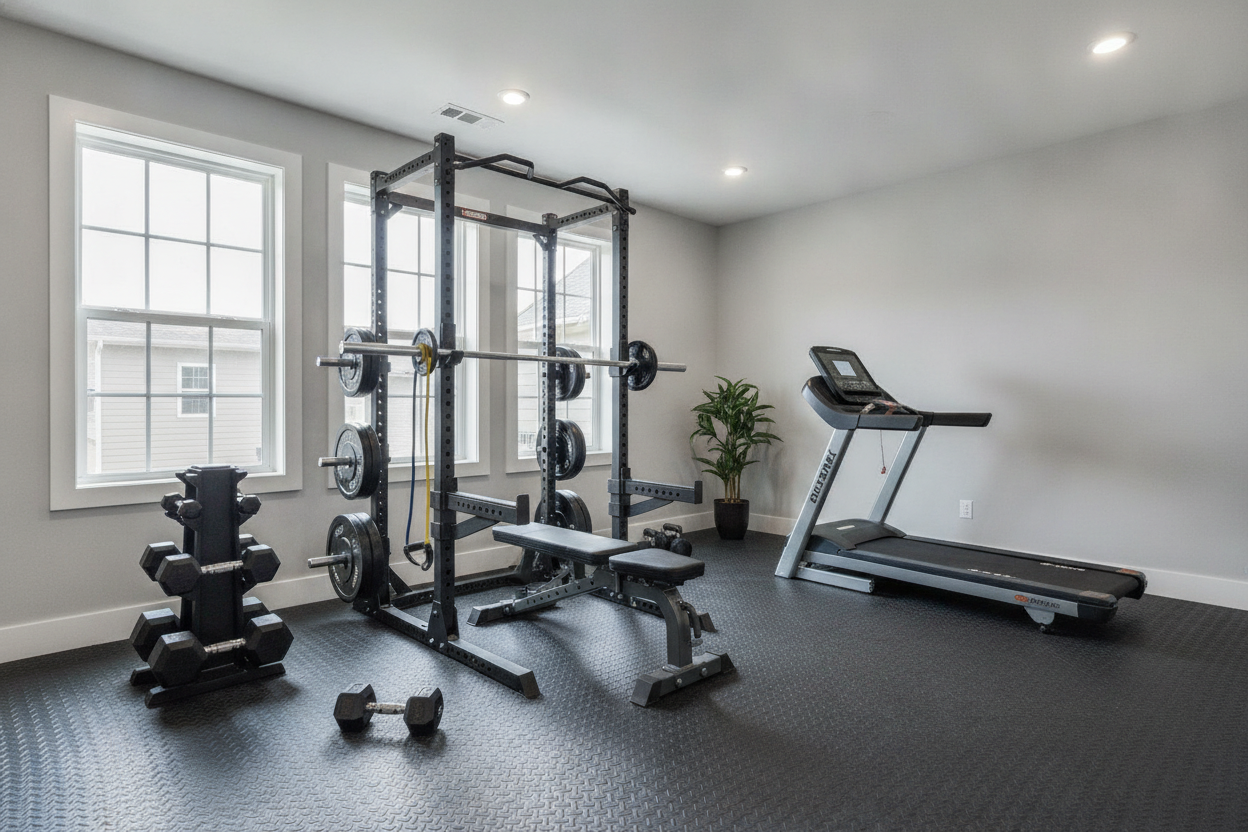
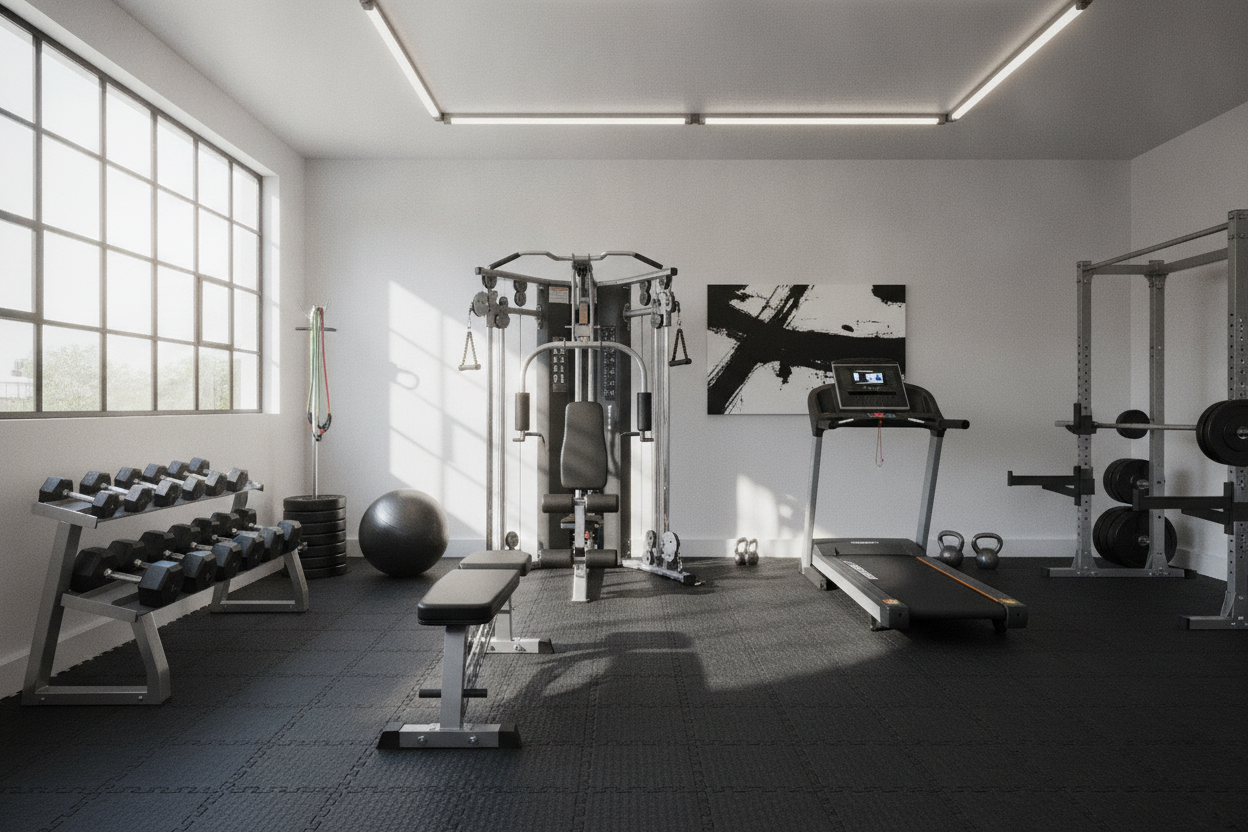
If I were starting over today with a blank slate and a 10x10 spare room, I wouldn't buy a single complete workout machine. I’d buy a high-quality power rack with a cable attachment. This gives you the ability to do the big compound movements—squats, presses, and rows—while still having the versatility of a full body weight machine for accessory work.
Programming a full body machine workout becomes much easier when you have a piece of equipment that doesn't limit your range of motion. You need to be able to hit your lats from different angles and perform lunges without hitting the frame. A full body exerciser should adapt to your body, not the other way around.
The Brutal Reality of Training Legs at Home
Let's be honest: training chest and arms at home is easy. You can do that with a pair of dumbbells and a floor. The real challenge is the lower body. Most total body exercise equipment fails miserably when it comes to leg day. The leg developer attachments on cheap benches are usually ergonomically disastrous, putting weird pressure on your kneecaps.
If you want real growth, you need a dedicated lower body strength machine or a rack that allows for deep, heavy squats. I once tried a 'total body' glider machine that claimed to replace a leg press. It felt like I was doing a light cardio session instead of building muscle. Don't fall for it. You need resistance that actually challenges your central nervous system.
Why Your Flooring Choice Might Matter More Than the Machine
I learned this the hard way after cracking a tile in my sunroom. You can buy the most expensive full body gym equipment in the world, but if it's sitting on a naked floor, you're going to vibrate the whole house and eventually cause structural damage. A thick 6X8Ft exercise mat is the bare minimum for a home setup.
Proper flooring absorbs the shock when you drop a plate and keeps your full body workout at home machine from sliding around during explosive movements. It also saves your joints. Doing burpees or lunges on concrete is a one-way ticket to shin splints and cranky knees.
How to Stop Overthinking and Just Start Training
The best all body exercise machine is the one you actually use four days a week. Don't get paralyzed by the specs. Pick a foundation—whether it's a functional trainer or a power rack—and build around it. Ensure it has a small enough footprint to leave you some breathing room, but enough durability to handle your heaviest sets.
FAQ
Is a cable machine better than free weights for a full body workout?
Neither is 'better,' but cables provide constant tension which is great for hypertrophy. Free weights are better for raw strength. A hybrid setup is the gold standard.
How much should I spend on a home full body machine?
Expect to spend at least $800 to $1,500 for something that won't feel like a toy. Anything cheaper usually compromises on the quality of the bearings and the thickness of the steel.
Do I really need a 6x8 mat?
Yes. Even if you aren't dropping heavy weights, the mat provides stability and protects your home's resale value from scratches and sweat damage.