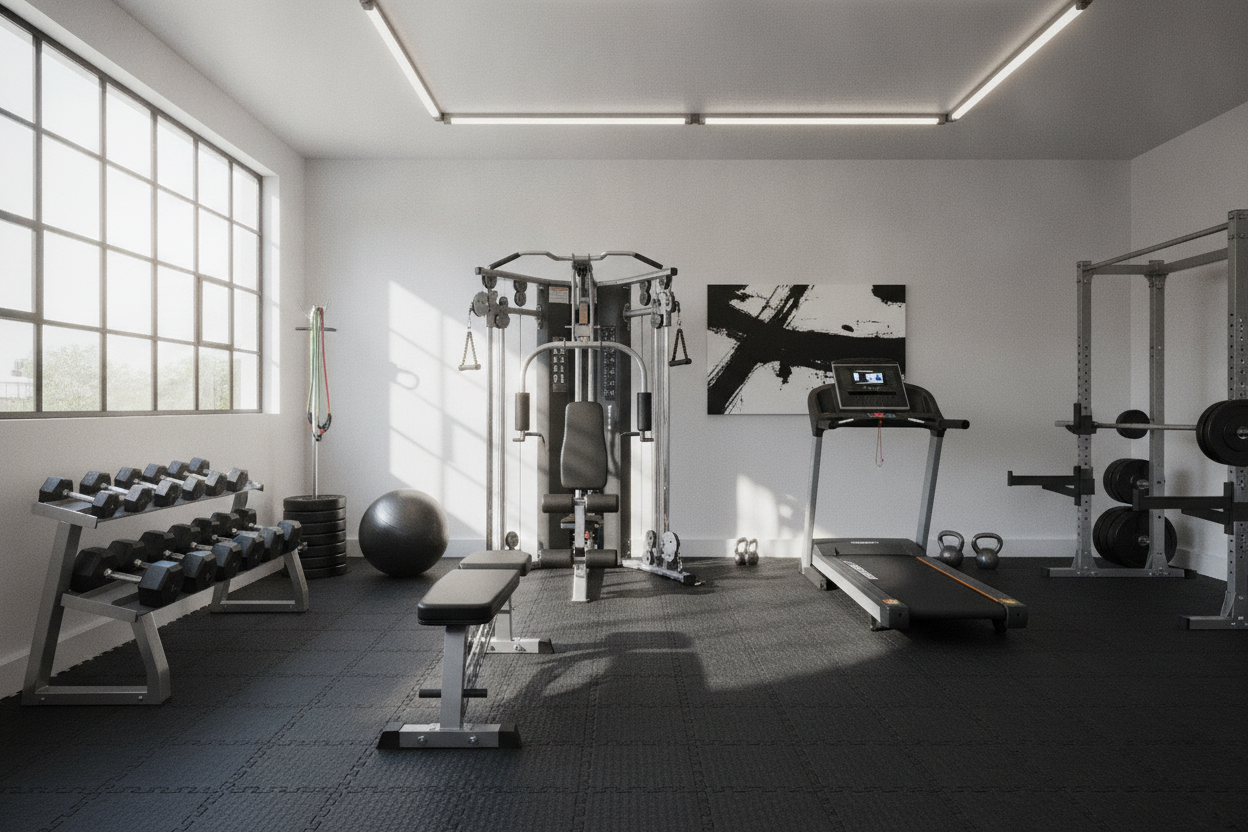
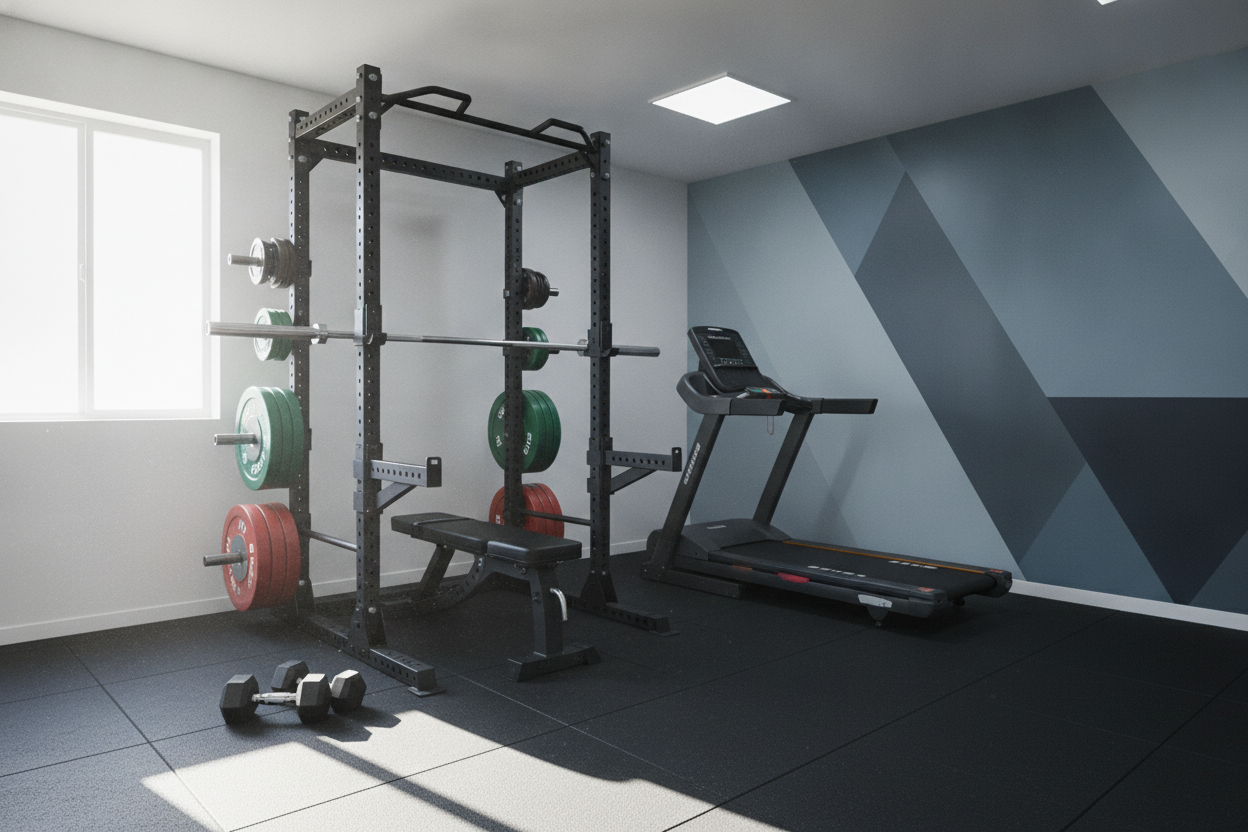
The 'All-in-One' Weight Set for Home Is Usually a Scam
I remember scrolling through online listings at 1 AM, trying to find a weight set for home that didn't cost a mortgage payment. I saw a '114-piece professional kit' for $199 and thought I'd hit the jackpot. I was wrong. When the box arrived, it was full of plastic, sand, and tiny plates that were essentially paperweights.
- Avoid Piece Counts: Brands count collars, nuts, and 1lb plates to inflate the 'piece count.'
- Material Matters: Iron lasts forever; plastic-coated cement leaks sand and cracks.
- Barbell Quality: A hollow bar is a safety hazard; look for solid steel with real knurling.
- Flooring is Required: Real iron will destroy your subfloor without proper mats.
The Illusion of the 100-Piece Mega Kit
When you type 'home.weight set' into a search bar, the algorithm loves to show you these massive combo kits. It looks like a gym-in-a-box. In reality, they are counting every single 1lb plastic plate, every spring collar, and every tiny screw-on nut as a 'piece.' You end up with 80 pieces of junk and maybe 40 lbs of actual weight. These kits are designed for marketing, not for people who actually want to get strong.
The bars in these kits are often the biggest red flag. They are usually three-piece 'threaded' bars that you have to bolt together. If you try to put more than 100 lbs on a bar like that, you are asking for a structural failure mid-lift. A real weight set home setup should center around a solid, one-piece steel barbell.
Plastic vs. Iron: A Lesson in Density
Those cheap home training weights are usually plastic shells filled with sand or cement. They are physically massive. A 10lb plastic plate is often twice as thick as a 10lb iron plate. This means you'll run out of room on the barbell sleeves before you even get a decent workout in. Plus, they leak. One heavy drop and your garage floor is covered in gray dust. It's one of the most costly mistakes when buying an at-home weight training set because you'll just end up replacing them with iron in six months.
Iron is dense, durable, and holds its value. If you buy a set of cast iron plates today, you can sell them for 70% of their value ten years from now. Try doing that with a cracked plastic plate leaking sand.
What Actually Makes a Good Weight Set Home Setup?
Forget the high piece counts. You need a 7-foot Olympic bar (2-inch sleeves) and a selection of iron plates. Machined iron is the gold standard because the weight is actually accurate. If you buy cheap, un-machined cast iron, a '45lb' plate might actually weigh 42lbs. That's a nightmare for your training log. Check out this guide to buying the right weight set for a deeper look at what to look for in a barbell, specifically the tensile strength and knurling.
Don't Forget About Home Fitness Dumbbells
A barbell is the king of the gym, but you need home fitness dumbbells for the accessory work. I usually recommend a pair of adjustable dumbbells or a small set of rubber hex dumbbells. If you're doing lunges, rows, or lateral raises, you need that unilateral movement to keep your joints healthy and fix muscle imbalances that a barbell can sometimes hide.
Protecting Your House from Your New Gear
Real weights for home use are heavy and destructive. If you drop a 45lb iron plate on a concrete slab, the concrete usually loses. You need a large exercise mat for home gym protection. I usually tell people to get at least a 6x8ft exercise mat. That gives you enough room to drop a barbell safely without chipping your foundation or waking up the neighbors. Don't skip the flooring; it's cheaper than a contractor.
Building Your Setup Without the Buyer's Remorse
The best weight sets for home aren't bought in a single box. They are built over time. Buy a good bar first. Then buy a pair of 45s, 25s, and 10s. You can add more as you get stronger. It's better to have 100 lbs of gear you love than 300 lbs of plastic trash that makes you want to skip your workout.
Personal Experience: The Sand Leak
My first 'deal' was a cement-filled set from a big-box store. I was doing overhead presses, and a hairline crack in the plastic plate showered my face with gray sand. It was a mess, it was dangerous, and I felt like an idiot for trying to save $50. I sold the remains for $10 and bought a used set of iron plates that I still use today. Buy once, cry once.
FAQ
Are bumper plates better than iron?
Only if you're doing Olympic lifts like cleans or snatches. For basic squats and deadlifts, iron is cheaper and takes up less space on the bar.
How much weight do I really need to start?
Start with a 160 lb set. That's usually two 45s, two 25s, and two 10s. It's enough to get most people through their first six months of consistent progress.
Will iron weights rust in a garage?
Yes, if you live in a humid climate. A quick wipe with a 3-in-1 oil rag once a month keeps the surface rust away and keeps them looking new.