The Real Reason Strength Training Women Over 40 Try Fails Miserably
I remember staring at my heart rate monitor after a grueling 45-minute HIIT session, wondering why my midsection looked softer than it did five years ago despite the 'intensity.' I was doing everything the magazines told me: more miles, more sweat, and fewer calories. It took a painful realization—and a lot of research—to understand that strength training women over 40 requires a total shift in philosophy. The strategy that worked in your 20s is often the very thing sabotaging your progress now.
Quick Takeaways
- Muscle loss (sarcopenia) is your primary enemy after age 40, not just 'slow metabolism.'
- Cardio is great for your heart, but it won't fix your hormonal profile or bone density.
- Heavy lifting is the most efficient way to improve insulin sensitivity and burn fat at rest.
- Recovery is just as important as the lift itself; your body needs more time to repair than it used to.
The 'Eat Less, Run More' Trap Stops Working at 40
In our 20s, we could practically run off a bad weekend of eating. But once you hit 40, the biological landscape shifts. Sarcopenia—the age-related loss of muscle mass—begins to accelerate. If you're just doing cardio, you're often burning through the little muscle you have left to fuel those long runs. This leaves you 'skinny fat,' exhausted, and frustrated.
When you lose muscle, your resting metabolic rate drops. You end up needing fewer and fewer calories just to maintain your weight, leading to that 'stubborn' belly fat that seems immune to the treadmill. Resistance training for women over 40 isn't just about looking good in a tank top; it's about keeping your metabolic engine from stalling out entirely.
Why Resistance Training for Women Over 40 is a Metabolic Cheat Code
Muscle is metabolic gold. It is calorically expensive for your body to maintain, meaning the more you have, the more you burn while sitting on the couch. The best strength training for women over 40 focuses on compound movements—squats, deadlifts, and presses—because they recruit the most muscle fibers and trigger the most significant hormonal response.
Lifting weights improves insulin sensitivity, which is crucial as we age and our risk for metabolic syndrome increases. Instead of focusing on how many calories you burn during the workout, focus on the 'afterburn' and the long-term metabolic shift. Weight lifting women over 40 changes the way your body processes fuel, turning you into a more efficient machine.
Stop Babying Your Joints: You Need to Lift Heavy
I often hear women say they are afraid of 'bulking up' or hurting their joints, so they stick to those tiny 3-lb pink dumbbells. Let's be real: those weights are better suited as paperweights than fitness tools. To see real change, you have to challenge your nervous system and your bones. Weight training over 40 female lifters need to lift heavy enough to elicit a response.
Heavy lifting actually strengthens connective tissue and increases bone density, which is your best defense against osteoporosis. As long as your form is locked in and you aren't ego-lifting, your joints will actually feel better, not worse. The 'toning' myth is just that—a myth. You can't tone a muscle that isn't there. You build it, then you reveal it.
Building a No-Nonsense Home Gym Setup
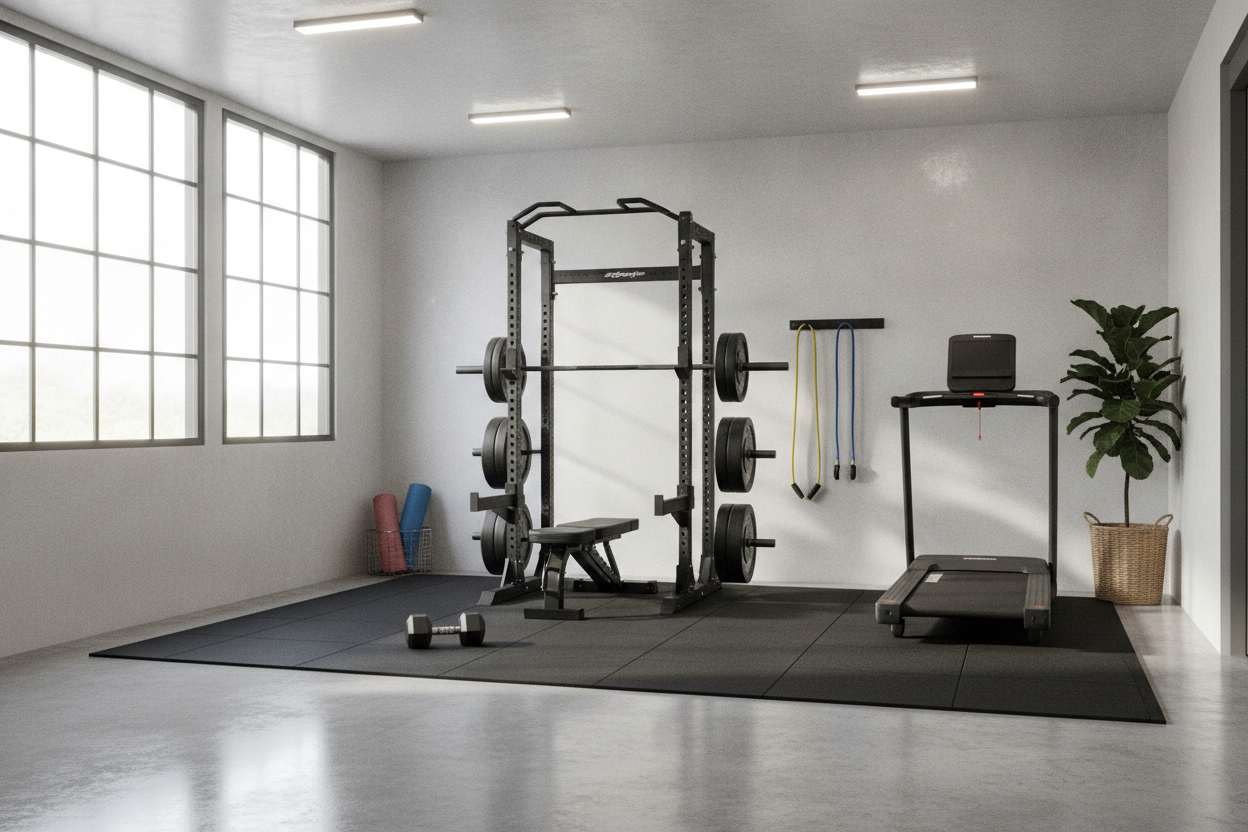
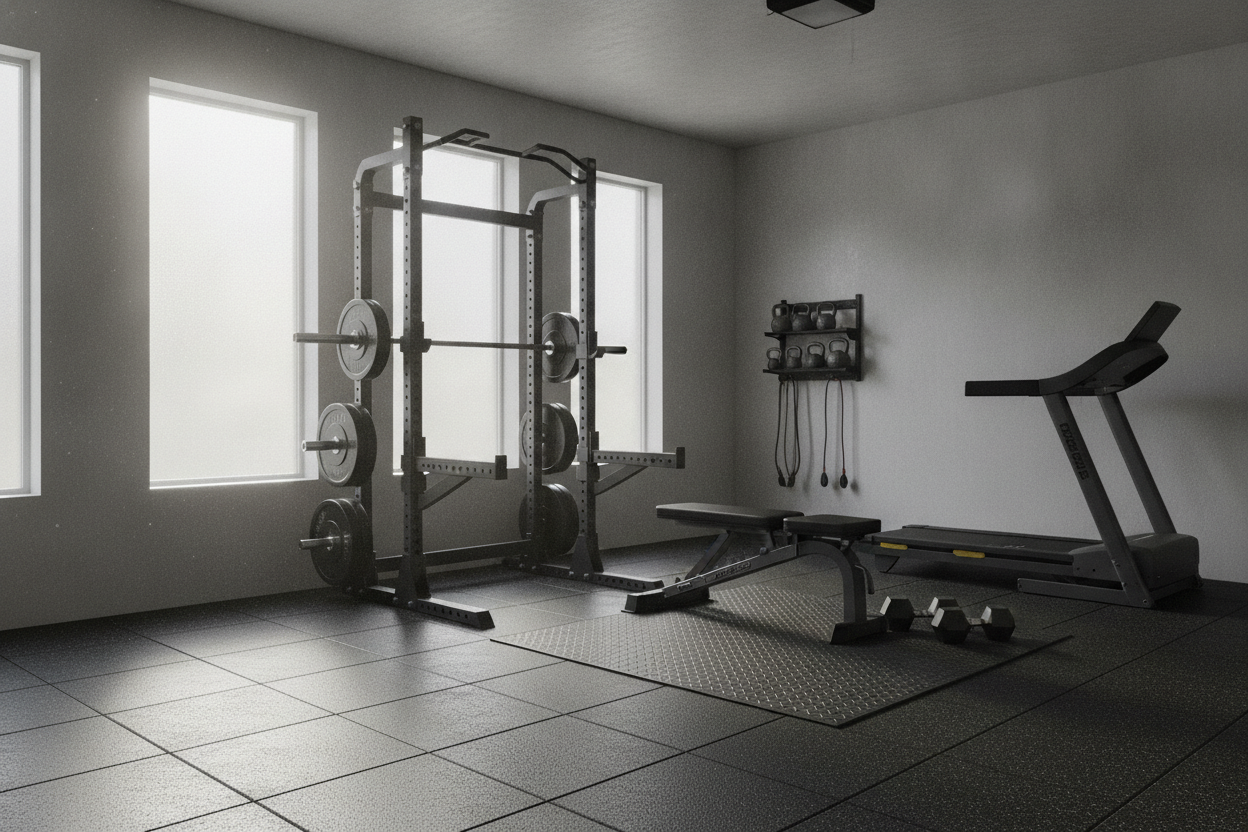
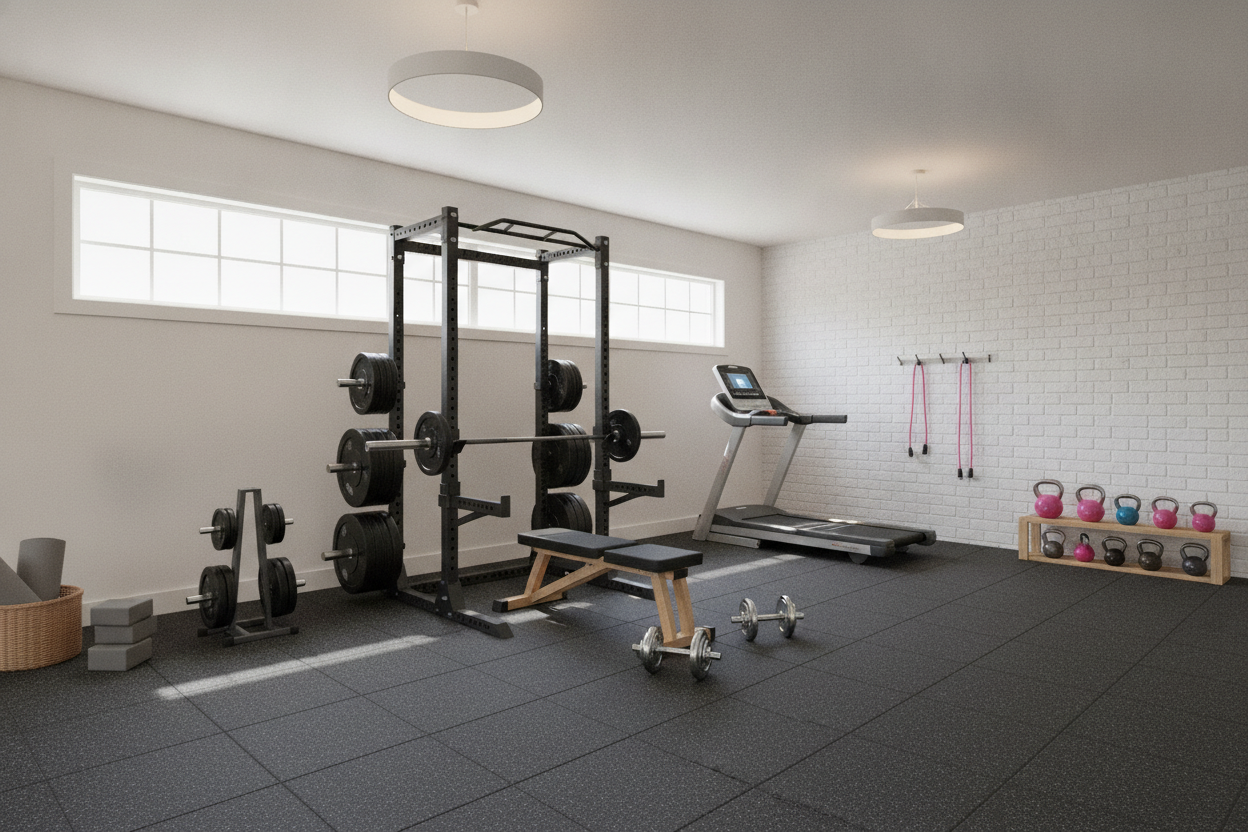
You don't need a 2,000-square-foot commercial space to get elite results. Most people clutter their garages with cheap, single-use machines that eventually become laundry racks. Choosing The Best Strength And Weight Training Equipment For Your Goals means focusing on versatility and durability over flashiness.
A pair of adjustable dumbbells, a solid pull-up bar (or bands for assistance), and a place to squat are the core of any serious program. I've wasted plenty of money on 'as-seen-on-TV' gadgets that broke within a month. Stick to the basics that allow for progressive overload.
A Sturdy Bench is Non-Negotiable
If you're doing chest presses or seated rows, you need a foundation that doesn't wobble. I've used cheap benches that felt like they were made of balsa wood, and it's terrifying when you're holding 40-lb dumbbells over your face. The Gxmmat Adjustable Weight Bench is the kind of heavy-duty gear I recommend because it stays planted. It has the stability needed for serious weight training for women in 40s who are moving past the beginner phase.
Skip the Clunky Contraptions, Buy Good Accessories
You might think you need those massive Weight Lifting Machines to get a 'complete' workout, but they are often overkill for a home setup. They take up too much space and limit your natural range of motion. Instead, spend that money on high-quality Strength Training Accessories like heavy-duty resistance bands or chalk. These small additions allow you to modify free-weight movements to fit your specific mobility needs without the $2,000 price tag.
My Bare-Bones 3-Day Strength Template
For strength training for women in their 40s, I'm a huge fan of the 3-day full-body split. It allows for maximum recovery, which is where the actual muscle growth happens. If you train every single day at 45, you’re likely just digging a recovery hole you can't climb out of.
Focus on one 'Big Lift' per session. Monday could be Squats, Wednesday could be Overhead Press, and Friday could be Deadlifts. Fill in the rest with rows, lunges, and core work. The goal is progressive overload—doing slightly more than you did last week, whether that's one more rep or five more pounds. Women over 40 strength training success is built on consistency and data, not just 'feeling the burn.'
Personal Experience: My Biggest Mistake
The biggest mistake I made when I turned 40 was refusing to stop my daily 5-mile runs. I was so afraid of gaining weight that I kept adding more cardio while my lifts stalled. I was tired, my knees ached, and I wasn't seeing any muscle definition. It wasn't until I cut my running to twice a week and prioritized heavy squats that my body composition actually changed. I weigh 10 pounds more now than I did then, but I wear a smaller pant size. That’s the power of muscle density.
FAQ
Will lifting heavy make me bulky?
No. Women don't have the testosterone levels to 'accidentally' look like a bodybuilder. Lifting heavy will make you look firm and athletic, not bulky.
How many days a week should I lift?
Three days is the sweet spot for most women over 40. It provides enough stimulus to build muscle while allowing 48 hours of recovery between sessions.
Do I need a squat rack to start?
Not necessarily. You can do a lot with heavy dumbbells (goblet squats, lunges). However, once you can squat more than you can comfortably pick up and put on your shoulders, a rack becomes a vital safety feature.