Stop Juggling Goals: The Best Fitness for Beginners
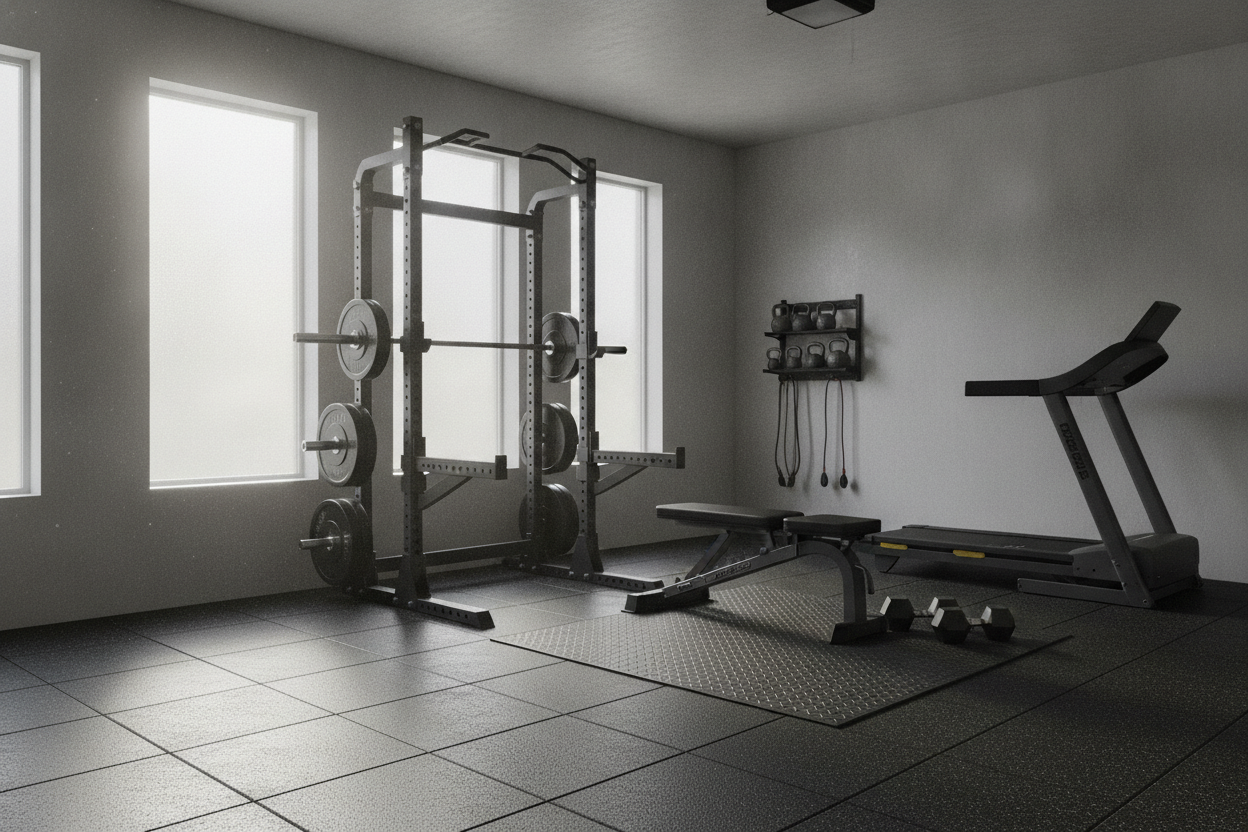
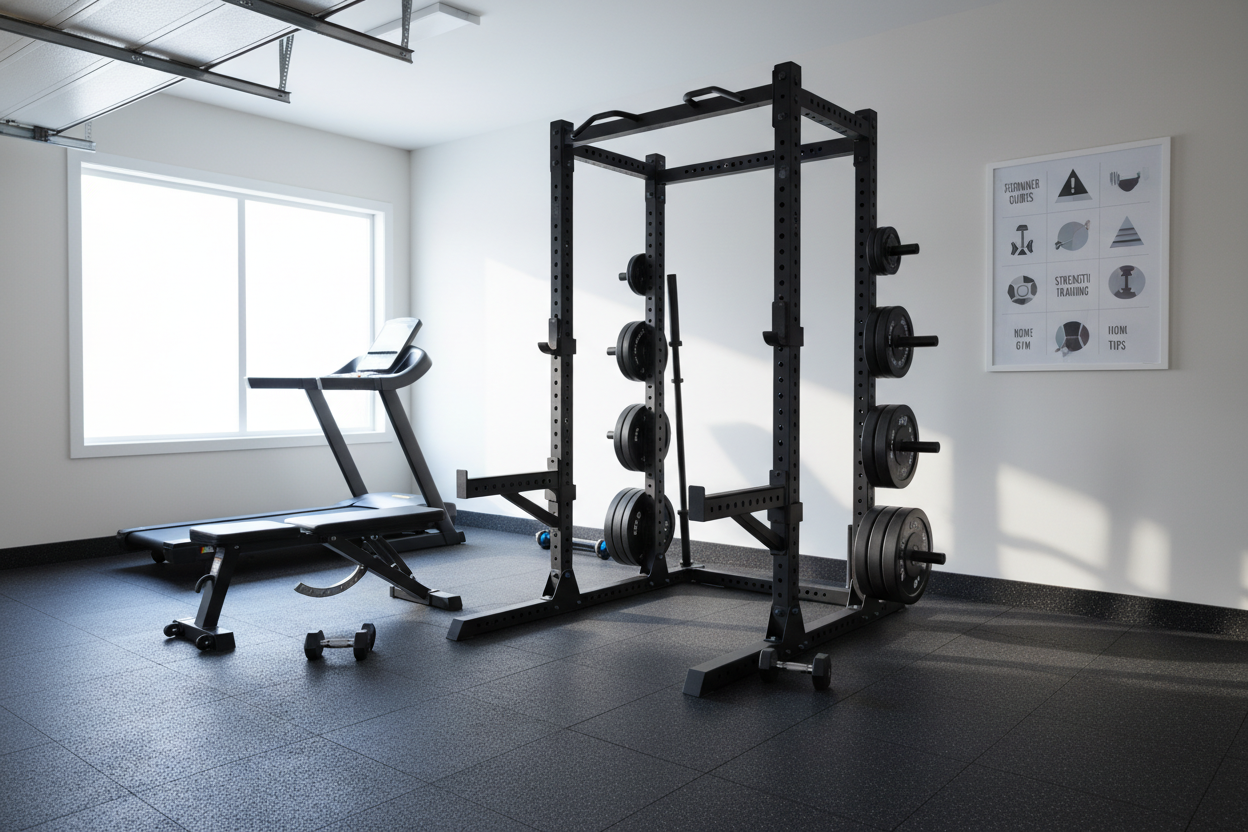
I remember staring at a brand new 300-lb Olympic weight set in my garage, feeling like a failure because I was too sore to use it. I had spent the week trying to run five miles every morning, lift every afternoon, and do hour-long yoga sessions at night. I was burned out by Thursday. Finding the best fitness for beginners isn't about how much you can cram into a calendar; it's about how much you can actually sustain without hating your life.
- Pick one primary goal (Strength, Endurance, or Weight Loss) for 90 days.
- Prioritize recovery as much as the actual sweat.
- Build a dedicated space so you don't have to 'set up' every time.
- Follow a proven path rather than winging it with random YouTube clips.
The 'Everything All At Once' Trap
The biggest mistake I see novices make is trying to overhaul their entire biology in four weeks. They want to build a chest like a bodybuilder, run a sub-25-minute 5K, and fix twenty years of tight hamstrings simultaneously. This is the fastest way to end up back on the couch with a bag of frozen peas on your knee.
Your body has a limited 'adaptation budget.' If you spend it all on cardio, you won't have enough left to build muscle. If you try to do both at high intensity, you just get tired and stay weak. The best beginner exercise program is the one that respects your recovery capacity. Stop trying to win every race at once.
Why the Best Beginner Fitness Program Has Blinders On
I’m a huge fan of phase-based training. This means for the first three months, you focus on one specific adaptation. If you want to get strong, your best beginner fitness program should involve lifting heavy things three days a week with plenty of rest. Everything else—the hiking, the swimming, the pickup basketball—becomes secondary 'active recovery.'
When you focus, your nervous system actually learns the movements. You stop shaking under a barbell and start feeling stable. If you're looking for structure, I suggest checking out some of the best at home workout programs for beginners that emphasize a single 90-day focus. It keeps you from getting distracted by the newest fitness fad on your feed.
The Strength-First Approach (And When to Pick It)
In my experience, building a base of strength is the highest-ROI move you can make. Muscle is metabolically expensive; the more you have, the more calories you burn just sitting there. Most best workout programs for beginners focus on compound movements like squats, presses, and rows because they use the most muscle mass in the shortest time.
You don't need a commercial gym for this. A pair of adjustable dumbbells that go up to 50 lbs and a flat bench can take you through the first six months of any best beginner workout programs. The goal is to master the form, not to see how much weight you can move with shaky technique. Once you can move your own body weight with ease, then you can start thinking about fancy machines.
Setting Up a Space That Prevents Distractions
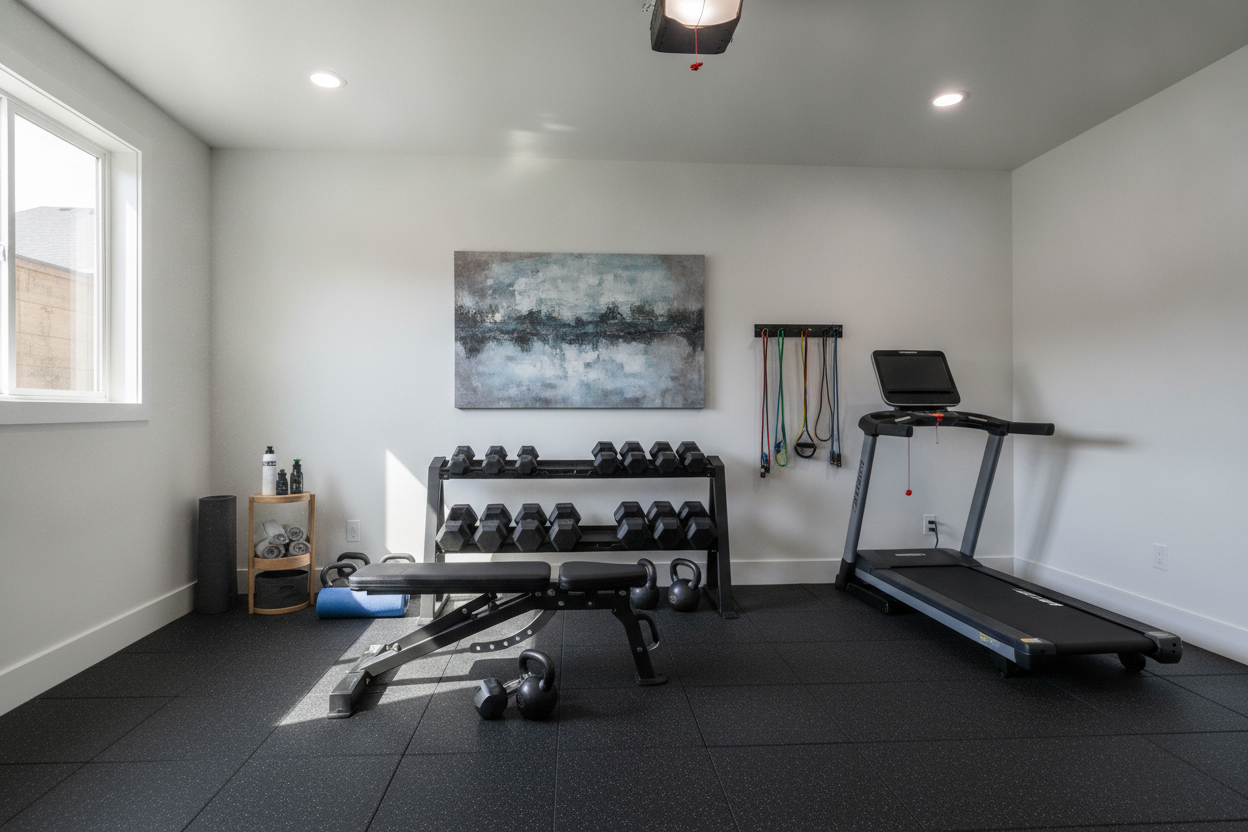
Your environment dictates your behavior. If you have to move the coffee table, vacuum the rug, and find your shoes every time you want to work out, you're going to skip it. You need a dedicated 'work zone' that tells your brain it's time to perform. It doesn't need to be a full garage gym, but it needs to be defined.
I always tell people to start with a large exercise mat for home gym use to stake out their territory. It protects your floors and gives you a grippy surface for sweat. Specifically, a 6x8ft exercise mat is the sweet spot. It’s large enough for a full wingspan during a best home exercise program for beginners but doesn't require you to clear out your entire living room. Having that dedicated 48 square feet makes a massive psychological difference.
When Is It Time to Add More Complexity?
You’ll know you’re ready to graduate from your best beginner workout program when the 'newbie gains' start to slow down. Usually, this is after 12 to 16 weeks of consistent work. If you’ve been focusing on strength, maybe you add two days of zone 2 cardio. If you’ve been running, maybe you add two days of full-body resistance training.
The key is to add complexity slowly. Don't go from a 3-day split to a 6-day split overnight. Your joints need more time to adapt than your muscles do. If you jump the gun, you’ll be dealing with tendonitis before you even hit your first major milestone.
Personal Experience: My 'Too Much' Phase
A few years back, I decided I was going to be a 'hybrid athlete.' I was lifting heavy four days a week and trying to run 20 miles a week. I didn't adjust my sleep or my food. Within a month, I was so irritable my wife didn't want to be in the same room as me, and my deadlift numbers actually went down. I had to swallow my pride, cut the running back to a light walk, and refocus on one goal. My progress returned immediately. Learn from my ego: pick one lane and dominate it.
FAQ
How many days a week should a beginner train?
Three days a week is the gold standard. It gives you 48 hours between sessions to recover, which is where the actual progress happens. Anything more usually leads to burnout for a true novice.
Do I need to buy expensive equipment right away?
Absolutely not. A solid floor mat and a single heavy kettlebell or a set of bands can get you through a best beginner workout program. Buy gear as you outgrow your current setup, not before.
What is the most important part of a beginner program?
Consistency. It sounds boring, but doing a 'B-minus' workout three times a week for a year beats doing an 'A-plus' workout for three weeks and quitting. Pick a schedule you can actually keep on your worst day.