The Only Resistance Exercise Examples at Home Worth Your Time
I remember the first time I tried to follow a 'home workout' video during a snowstorm. Ten minutes in, I was sweating, but my muscles felt nothing. It was just burpees and air squats. If you're tired of the same old 'toning' routines that feel more like a Zumba class than a lifting session, you're in the right place. We're looking for resistance exercise examples at home that actually force your muscle fibers to adapt.
- Focus on mechanical tension, not just getting your heart rate up.
- Stability is the foundation of force—if you're sliding, you aren't growing.
- Unilateral (single-limb) movements are your best friend for overloading with less weight.
- Progressive overload still applies; track your reps and pause durations.
The Problem With Living Room Influencer Workouts
Most home workouts you see on Instagram are just cardio in disguise. They rely on high reps and 'the burn' to make you feel like you've done something. But the burn is often just metabolic byproduct buildup, not the mechanical tension required to actually build a physique. If you can do 50 reps of something, it's not a strength exercise; it's a test of patience.
Real growth happens when you get close to technical failure. If you're just flailing around with 2-lb dumbbells, your body has no reason to get stronger. I've spent years testing everything from $3,000 power racks to gallon jugs of water, and the principle never changes: you have to make the movement hard enough that you physically cannot do more than 8-15 reps with good form.
What Actually Makes the Best Resistance Training at Home Work?
The best resistance training at home bridges the gap between 'moving around' and 'training.' To do this, you need to understand the difference between getting tired and creating tension. Mechanical tension is the primary driver of hypertrophy. It requires you to put a muscle under a heavy load through a full range of motion.
When you're at the gym, this is easy—you just grab a heavier plate. At home, you have to be smarter. You use tempo, pauses, and leverage to make your body weight or minimal equipment feel like a 300-lb barbell. Understanding the truth about best at home resistance equipment helps because the right tools allow you to stabilize yourself and push to actual failure without the equipment failing first.
Your Feet Need Grip Before Your Muscles Can Fire
Before we talk about movements, we have to talk about your floor. I see people trying to do split squats in socks on hardwood floors all the time. It’s a recipe for a groin strain and zero force production. Your brain won't let your muscles fire at 100% if it feels like you’re on ice.
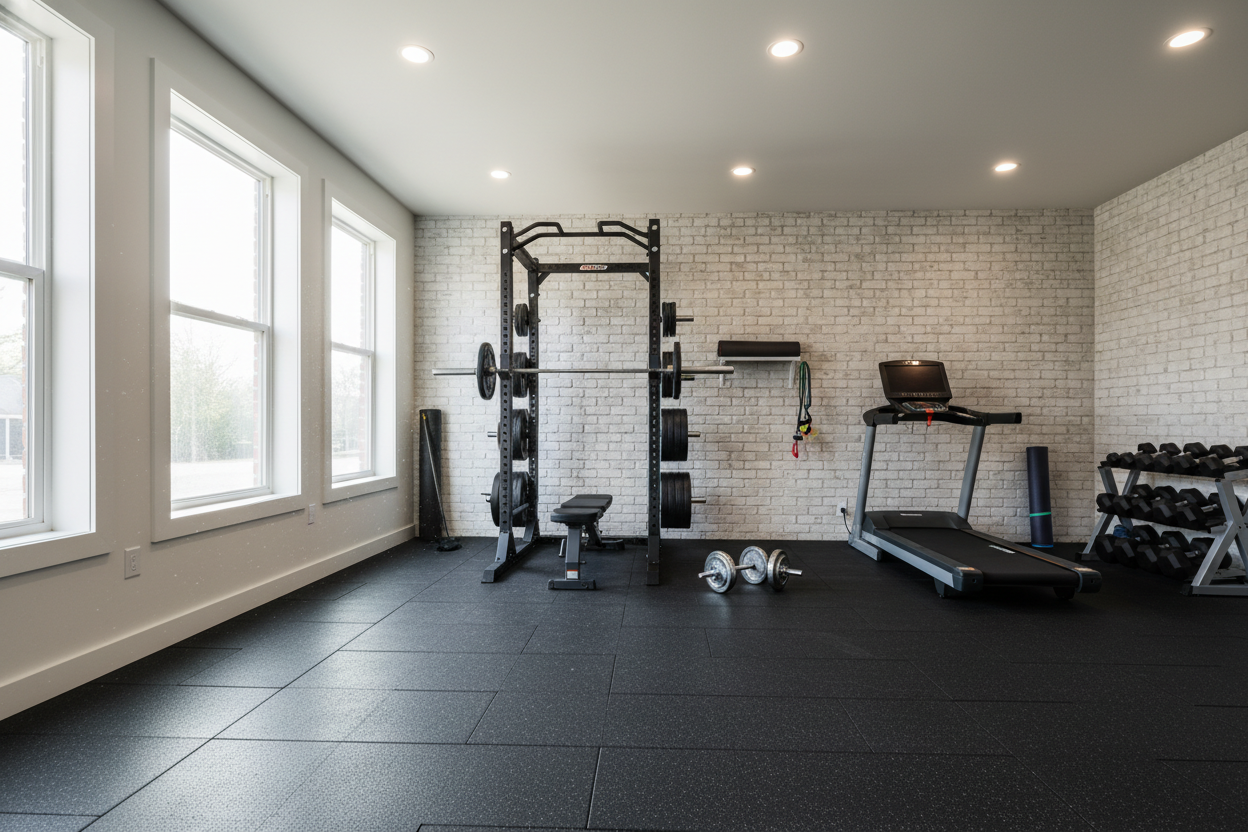
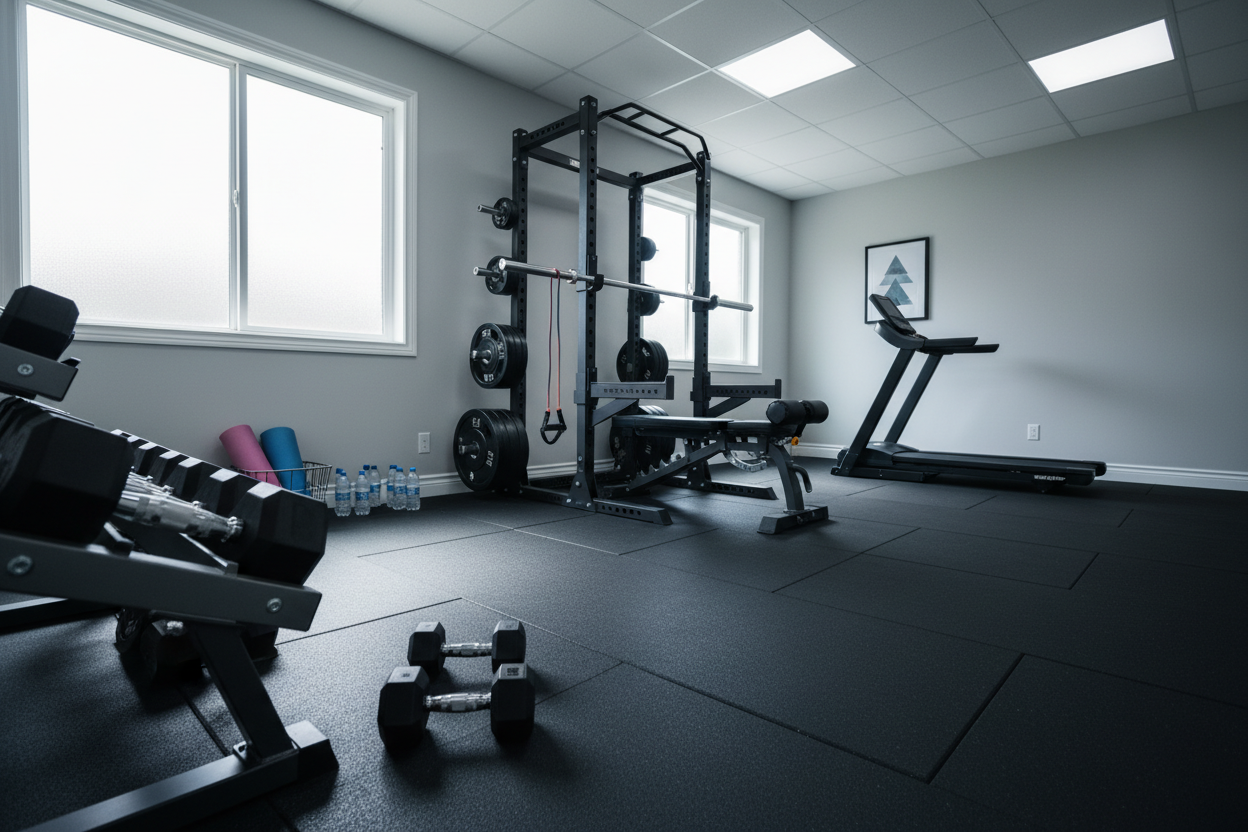
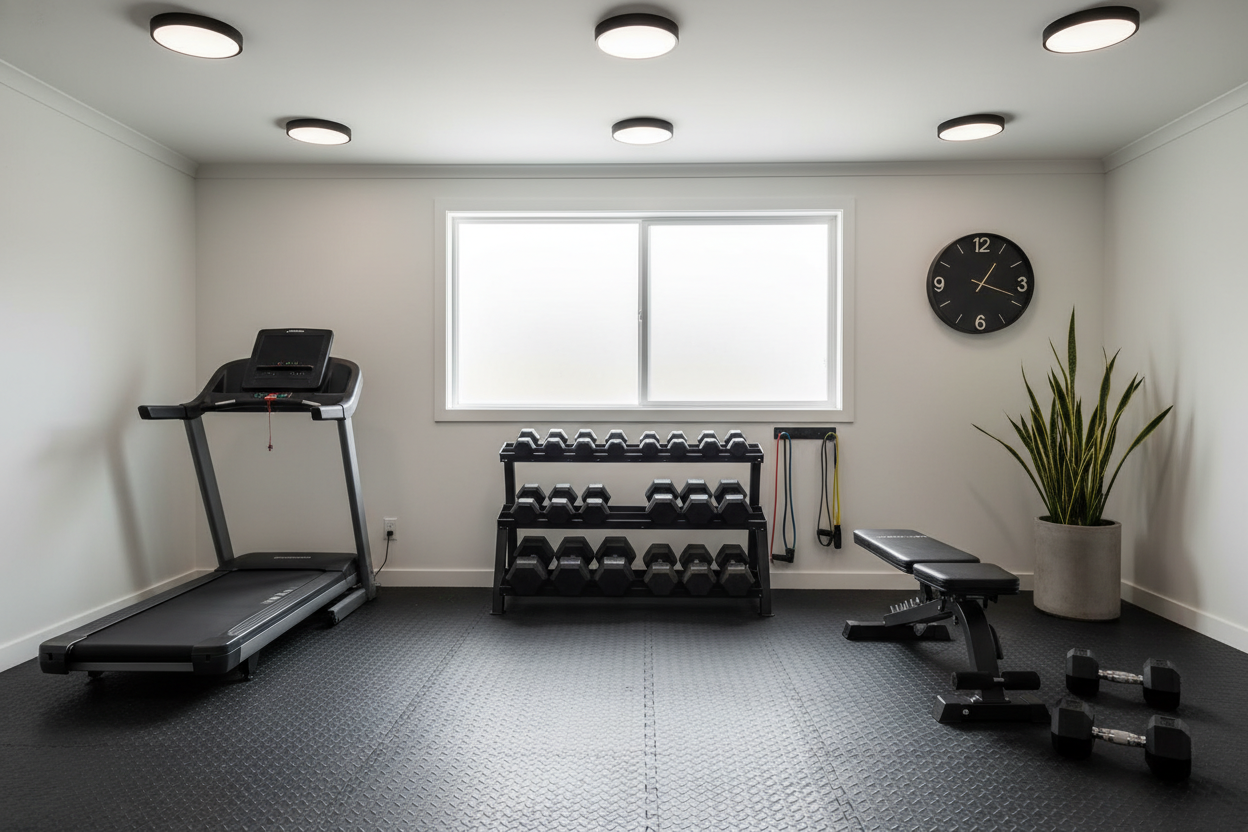
You need a dedicated space with actual traction. Investing in a large exercise mat is the single most important 'gear' upgrade you can make for a living room setup. It turns a slippery floor into a stable platform where you can actually drive through your heels and stay balanced during heavy lunges or push-ups.
4 Brutal Resistance Exercise Examples at Home
These aren't your typical '3 sets of 20' fluff. These are designed to be difficult. If they feel easy, you're doing them too fast or without enough focus on the contraction.
1. Bulgarian Split Squats (The Leg Press Killer)
This is the king of home leg movements. Elevate your rear foot on a couch or chair. By shifting all the weight to your front leg, you're essentially doubling the load. To make this truly miserable, hold a heavy backpack against your chest. Go down for a 3-second count, pause at the bottom, and drive back up. Your quads will be screaming long before you hit 12 reps.
2. Deficit Push-Ups (Chasing the Stretch)
Standard push-ups become 'endurance' work pretty quickly for most guys. To fix this, elevate your hands on two sturdy books or blocks. This allows your chest to sink below the level of your hands, creating a massive stretch in the pectorals. That 'stretch-mediated hypertrophy' is where the real growth happens. It turns a basic move into something that rivals a heavy bench press session.
3. Sliding Leg Curls (Hamstring Torture)
You don't need a $2,000 leg curl machine. Use furniture sliders or even just paper plates on a carpeted floor. Lie on your back, hips up in a bridge, and slowly slide your heels away from your glutes until your legs are straight, then curl them back in. The eccentric (lowering) phase here is absolutely brutal on the hamstrings. Keep your hips high the whole time—don't let them sag.
4. Paused Backpack Rows (Back Thickness)
Building a thick back at home is tough without a pull-up bar, but rows are the answer. Fill a sturdy duffel bag with water jugs, books, or sandbags. Hinge at the hips, pull the bag to your stomach, and—this is the key—squeeze your shoulder blades together for a full 2-second pause at the top. Most people use momentum; the pause forces the lats and rhomboids to do all the work.
How to Put It Together Without Losing Your Mind
Don't just do these exercises at random. Pick two for lower body and two for upper body, and hit them twice a week. The goal is to reach a point where you only have 1 or 2 'reps in reserve' (RIR) by the end of each set. If you're just going through the motions, you're wasting your time. You need to stop treating at home resistance training like a rest day and bring the same intensity you'd have if you were under a loaded squat rack.
FAQ
Can I really build muscle without a gym?
Absolutely. Your muscles don't have eyes; they only know tension. If you provide enough mechanical stress through difficult movements and eat enough protein, they will grow. You just have to be more creative with how you apply that stress.
How many days a week should I do this?
For most people, 3 to 4 days of high-intensity resistance work is plenty. The key is the quality of the sets, not the quantity. If you're training hard enough, you'll need those recovery days.
What's the best way to add weight at home?
A sturdy backpack is the most versatile tool. You can fill it with anything heavy, and it's easier to hold or wear than trying to juggle loose items. I've used everything from old textbooks to 20-lb bags of rice.