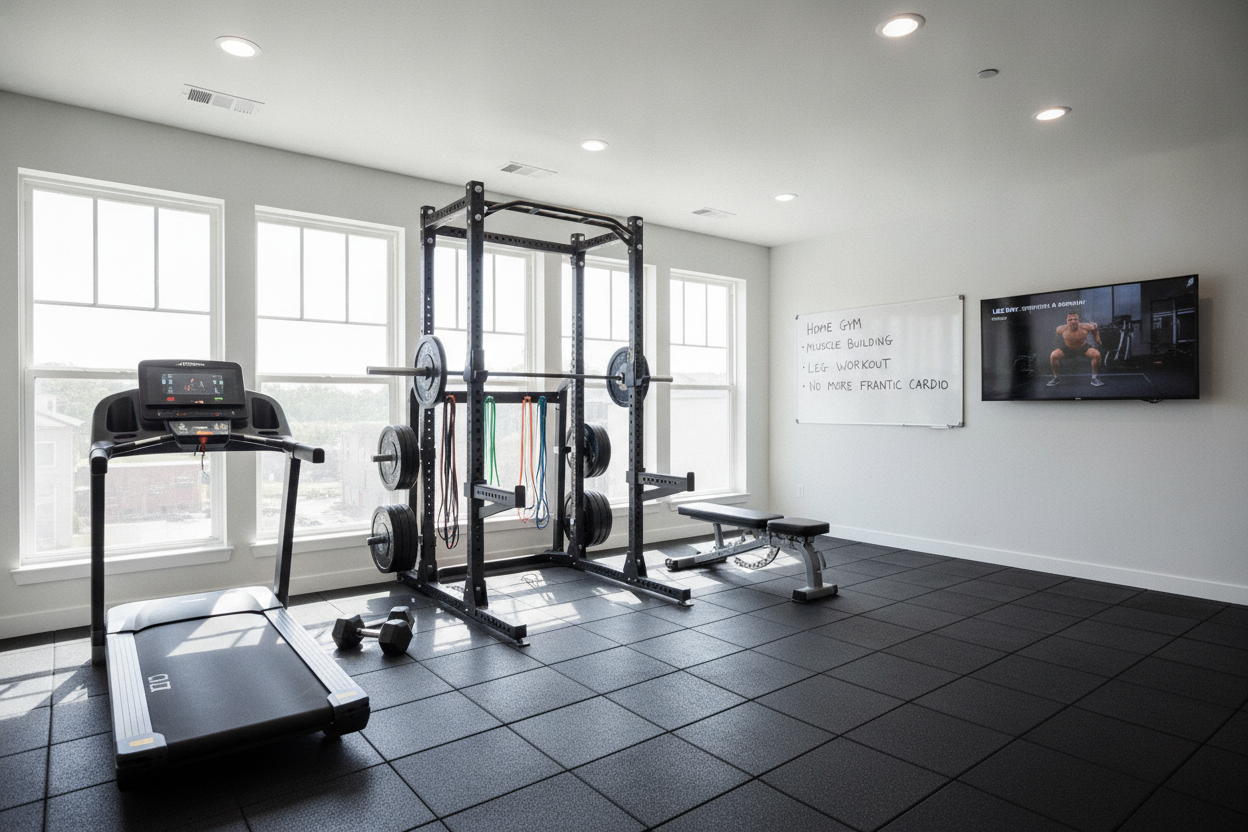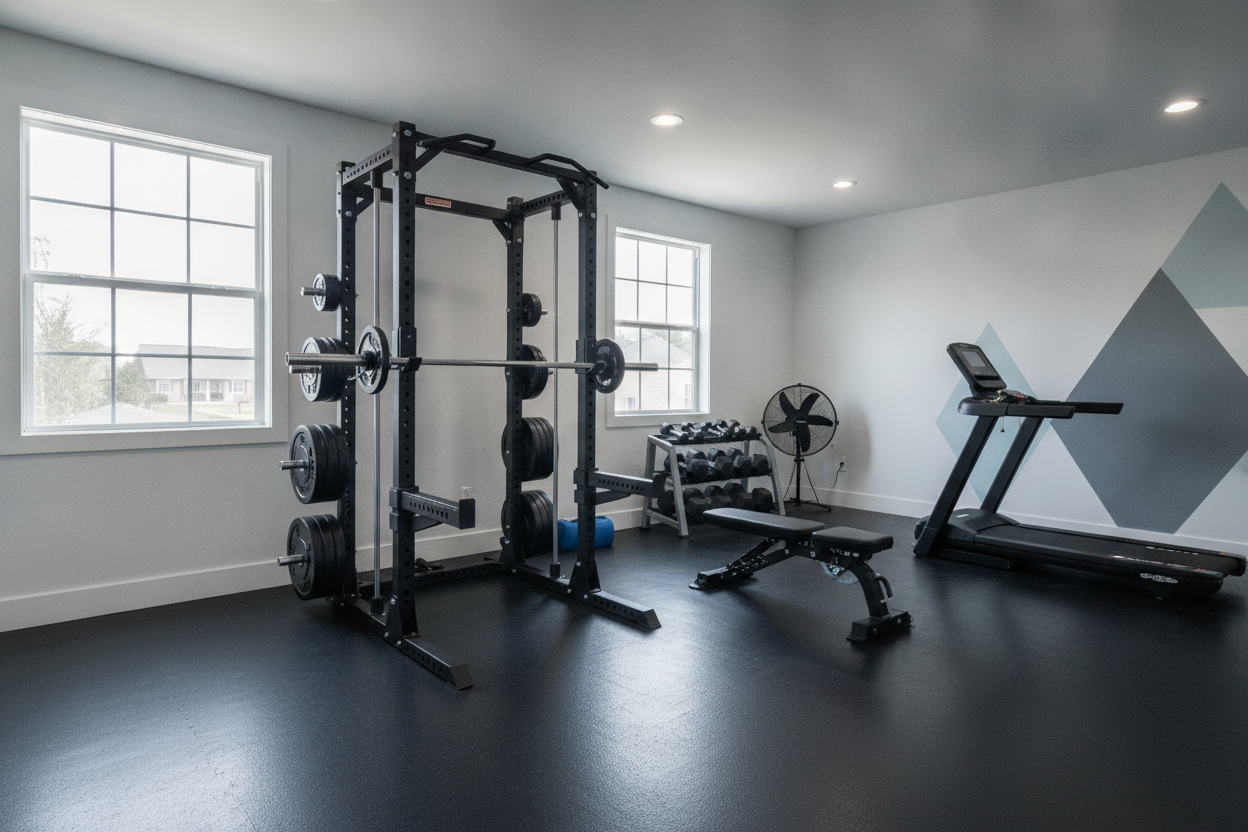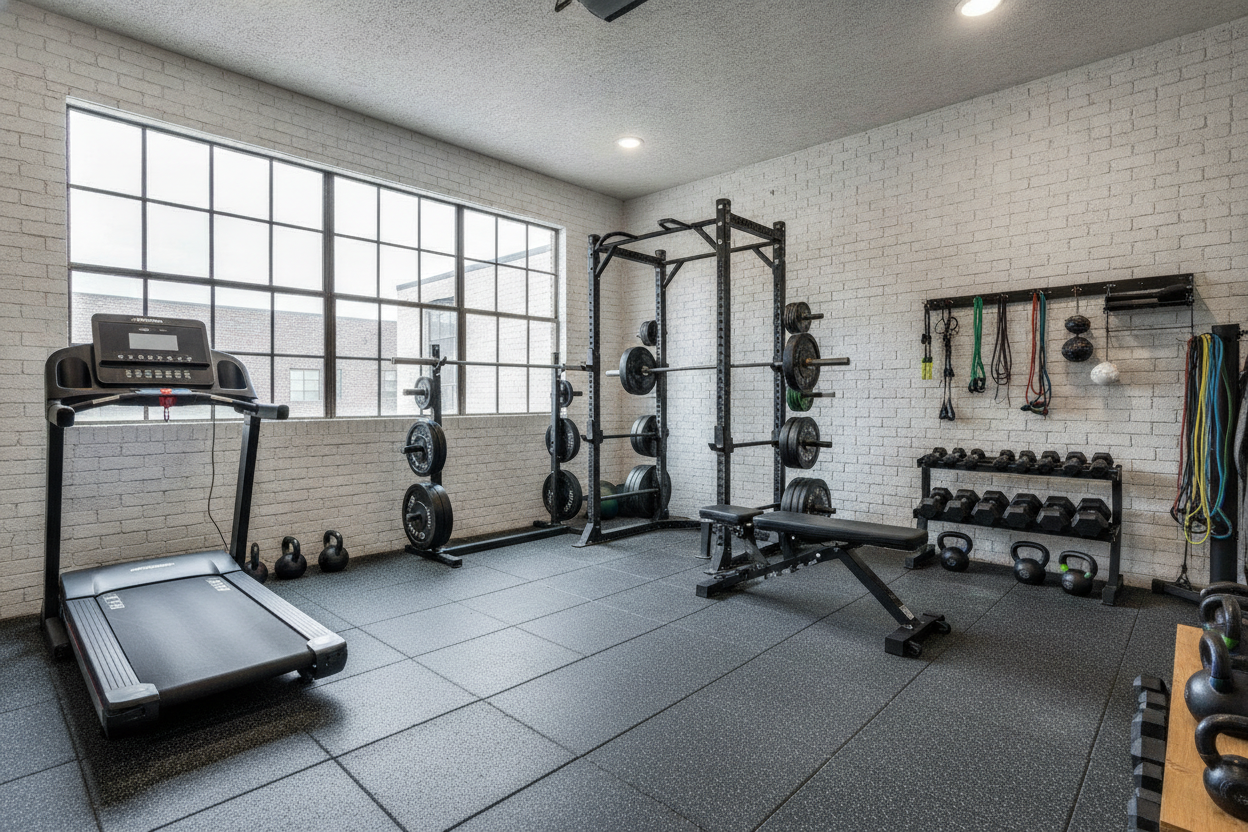
The Only Fitness Trainer Equipment You Should Actually Copy at Home
I remember scrolling through social media at midnight, watching an influencer perform a one-legged squat on a vibrating platform while juggling kettlebells. It looked impressive, but my own coach—the guy who helped me add 50 pounds to my bench in six months—doesn't own a single piece of that junk. If you want a home gym that actually produces results, you need to look at the fitness trainer equipment used in private strength studios, not the stuff pushed by people with a promo code and a ring light.
- Buy once, cry once: Heavy iron beats plastic gadgets every time.
- Fractional plates are the most underrated tool for breaking plateaus.
- Functional trainers offer the best utility-to-footprint ratio for small spaces.
- High-quality resistance bands can replace 100 lbs of bulky weight.
Stop Copying Influencers (Look at What Real Coaches Carry)
There is a massive disconnect between what sells on TikTok and the actual personal trainer tools used by professionals. A pro coach needs gear that can handle eight clients a day, six days a week, for years. They don't have space for a 'thigh master' or a folding treadmill that shakes when you walk on it. They prioritize versatility and durability above all else.
When you look inside a high-end private studio, you see 11-gauge steel, 1-inch hardware, and equipment that feels anchored to the earth. Most personal trainer equipment isn't flashy because the basics—squats, hinges, pushes, and pulls—don't require flash. They require stability. If a piece of gear looks like it belongs in an infomercial, a real coach probably won't let it in the door.
The Holy Trinity of Personal Training Accessories
I’ve spent thousands on gear, but the three items I use every single session cost less than a pair of decent lifting shoes. First: fractional plates. If you can't jump 5 lbs on an overhead press, you jump 1.25 lbs. It's the only way to keep the linear gains coming. Second: heavy-duty latex loop bands. I use them for everything from assisted pull-ups to face pulls.
Third: liquid chalk. It keeps the gym clean but gives you a death grip on the bar. Investing in quality strength training accessories like these is how you actually progress. These personal training accessories are small enough to fit in a duffel bag but effective enough to change the trajectory of your strength gains.
Why Pros Avoid Flimsy Gadgets for Heavy Iron
Coaches build their businesses on strength equipment that doesn't wobble when a 250-lb client racks a barbell. I've seen too many home lifters buy a rack that feels like a wet noodle just to save a hundred bucks. A real fitness trainer tools list starts with a solid power rack and a barbell that won't permanent-bend under a heavy load.
The return on investment (ROI) for solid gear is massive. If you buy a commercial-grade barbell with 190,000 PSI tensile strength, you will likely never need to buy another one. Compare that to the 'budget' bars that rust and lose their sleeve spin within six months. Pros know that downtime is lost money, and in your home gym, downtime is a lost workout.
The One Machine Every Private Studio Owns
If a coach only has room for one big machine, it is almost always a dual-pulley system. The Life Fitness Functional Trainer is a staple in the industry because it allows for 3D movement. Unlike a fixed-path chest press machine, cables require you to stabilize the weight, which is a core tenet of personal fitness trainer equipment.
These machines have a tiny footprint—usually about 4x5 feet—but they allow for hundreds of movements. You can do low-to-high woodchops, cable crossovers, and lat pulldowns all in one spot. For the home lifter, this is the ultimate 'force multiplier.' It replaces a dozen single-use machines while providing the constant tension that builds muscle effectively.
How to Build a Pro-Level Setup Without Going Broke
You don't need a $50,000 budget to train like a pro. Creating a personal trainer home gym setup is about being surgical with your spending. Skip the fancy touchscreen displays and the 'smart' weights that require a monthly subscription. Put that money into a high-quality adjustable bench and a set of expandable dumbbells.
Smart shoppers keep an eye on home gym equipment deals to snag commercial-grade tools for personal trainers during holiday sales or clearance events. Focus on the 'big rocks' first: a rack, a bar, plates, and a bench. Everything else is just icing on the cake. If the gear can survive a commercial studio, it will last a lifetime in your garage.
Personal Experience: The $90 Mistake
Early in my lifting career, I bought a 'budget' barbell for $90. It looked fine in the photos, but the second it arrived, I knew I messed up. The knurling was so passive it felt like a wet pool noodle, and it developed a permanent slight bend after my second month of deadlifting. I wasted $90 trying to save $200. Now, I only buy bars with a proven track record. I’d rather have one great bar than three mediocre ones.
FAQ
Do I really need fractional plates?
Yes. If you are a natural lifter, you will hit a wall where adding 5 lbs to the bar is impossible. Adding 1 or 2 lbs allows you to keep the momentum going without hitting a plateau for months.
Are resistance bands better than dumbbells?
Not better, just different. Bands provide 'accommodating resistance,' meaning the weight gets heavier as you stretch them. They are a great personal trainer tool for warming up and finishing off a muscle, but you still need heavy iron for the big lifts.
What's the best flooring for a home gym?
Don't waste money on those foam puzzle mats. They compress and slip. Go to a farm supply store and buy 3/4-inch thick rubber horse stall mats. They are indestructible, heavy, and provide the best protection for your subfloor.