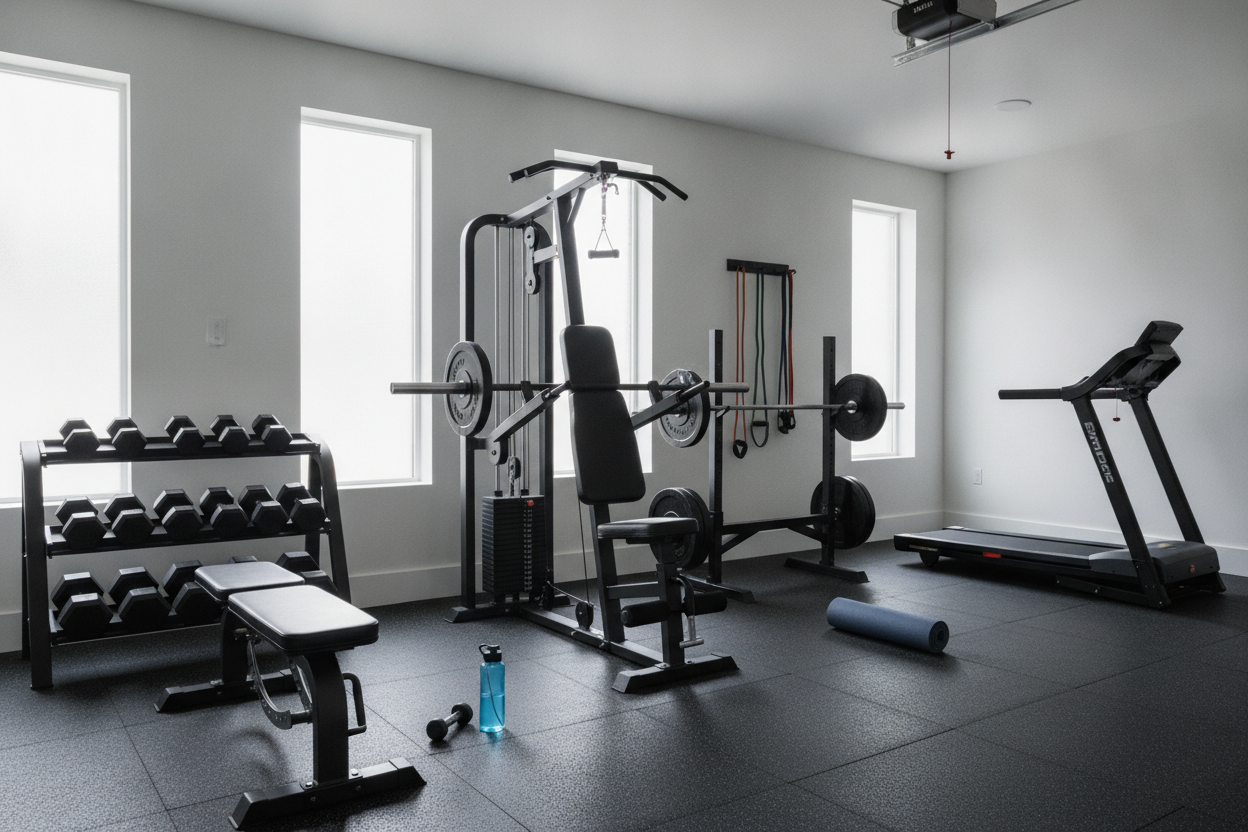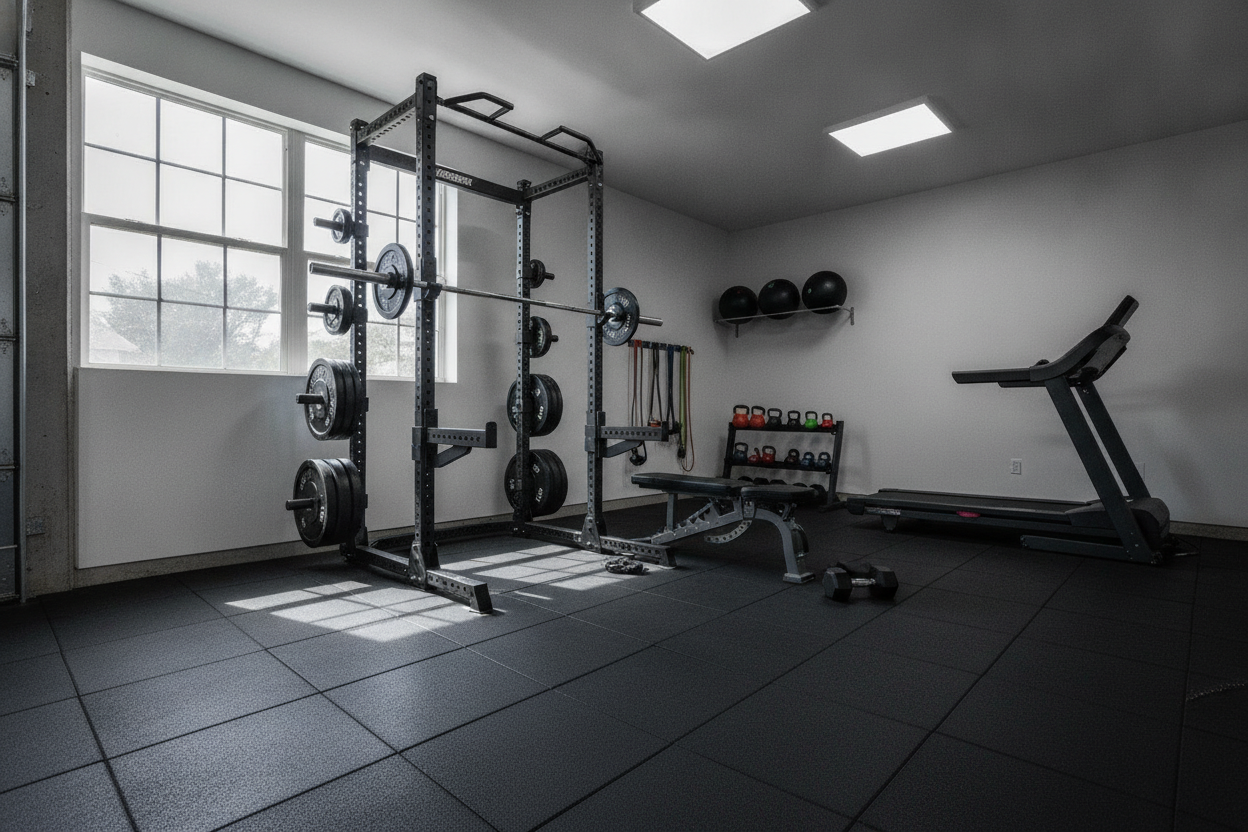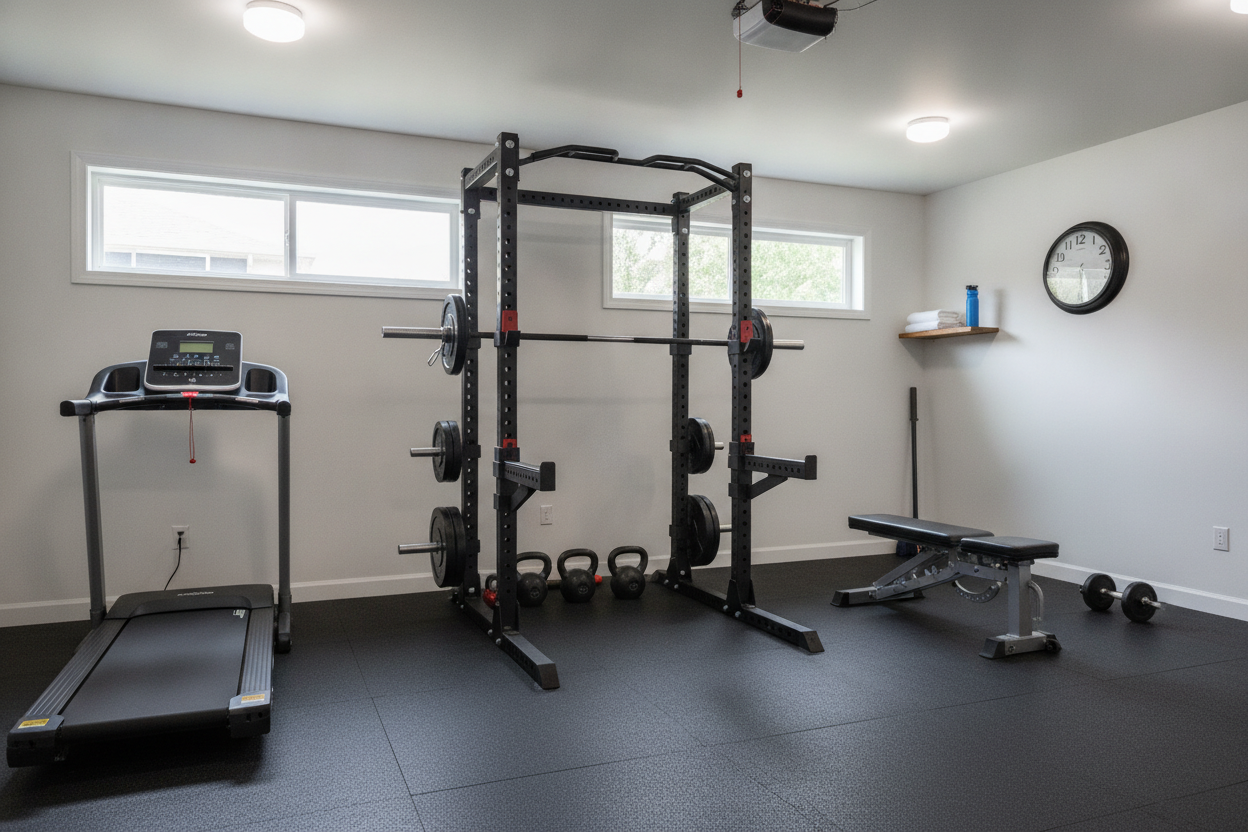
The Only Cheap Gym Machines That Won't Snap Mid-Workout
I’ve spent years scouring Craigslist and scrolling Amazon at 2:00 AM because I refuse to pay $100 a month for a commercial membership where I have to wait 20 minutes for a squat rack. Most budget gear is absolute trash—flimsy, 14-gauge steel that feels like it will fold if you look at it wrong. But if you know which mechanical designs to prioritize, you can find cheap gym machines that actually hold up to heavy sets.
Quick Takeaways
- Prioritize plate-loaded machines over cheap selectorized weight stacks.
- Look for 11-gauge or 12-gauge steel; avoid 14-gauge for anything structural.
- Simple lever arms beat complex cable systems in the budget category.
- Lubricating guide rods is the easiest way to make a cheap machine feel high-end.
Why Most Budget Fitness Gear Is a Trap
The manufacturing shortcuts taken on home gym equipment cheap enough to ship for free are terrifying. Companies often save money by using 'tack welds'—tiny spots of weld—instead of a continuous bead. This might hold up for a few months of light use, but the moment you try to push a heavy set of leg presses, those joints can fail. I've seen frames twist under 200 pounds because the steel was basically the same thickness as a soda can.
It’s not just about the steel, though. It’s the hardware. Most home gym systems cheaply made use M8 bolts where they should use M10 or M12. These smaller bolts shear under stress or vibrate loose after three workouts. If you aren't checking the torque on your bolts every week, you're asking for a structural failure that usually ends with a trip to the emergency room.
The Golden Rule of Budget Gear: Keep It Simple
Physics doesn't care about your budget. A simple lever arm with a single pivot point has almost nothing to go wrong. Compare that to a complex functional trainer with 16 pulleys and 40 feet of cable. For a budget setup, a single, well-built cheap exercise machine based on leverage will always feel smoother and last longer than a bargain-bin cable system.
Leverage machines don't rely on the quality of a nylon pulley or the tension of a cheap steel cable. They rely on a steel bar and a pivot. Even if the bushings are mediocre, you can usually replace them with brass for ten bucks. It's the most reliable way to get home gym equipment for cheap without sacrificing the 'feel' of the lift.
Plate-Loaded Systems Always Beat Cheap Weight Stacks
Weight stacks are heavy and expensive to ship, so budget brands cut corners. They use hollow plastic 'weights' filled with sand or low-grade concrete that eventually cracks. Worse, the guide rods are often thin and arrive slightly bent. A cheap weight lifting machine that uses your own Olympic plates is the smarter move. It’s more work to load, but the movement is actually predictable and you aren't limited by a 150-lb stack that feels like it’s rubbing against sandpaper.
Avoid Anything With More Than Two Pulleys
Every pulley you add is a point of failure and a massive source of friction. On cheap gym equipment for home, these pulleys are usually plastic with non-existent bearings. If the machine has more than two or three pulleys, the 'drag' will make 50 pounds feel like 70 on the way up and 30 on the way down. Stick to simple lat pulldowns or seated rows. If the cable routing looks like a spiderweb, walk away.
3 Red Flags That Scream 'This Will Break'
First, look at the weight capacity. If a machine claims a 300-lb capacity but weighs only 50 lbs itself, it's going to be unstable. Second, check for proprietary attachments. If you can't use standard carabiners or bars, you're stuck with their low-quality parts. Third, look at the weight horns. If they are plastic or held on by a single tiny screw, they will snap the first time you drop a 45-lb plate on them.
When hunting for home gym equipment deals, look at the bolt sizes and the frame dimensions. If the base of the machine is narrow, it’s going to wobble. A wide footprint is a sign that the designers actually thought about the physics of a human being moving heavy weight.
How to Make a Flimsy Machine Feel Expensive
I once bought a $150 lat pulldown that felt like a death trap. I fixed it by swapping the $2 carabiners for climbing-rated ones and throwing down a heavy gym flooring for home workout mat to stop the sliding. A thick rubber mat absorbs the vibration that makes cheap steel feel 'tinny' and keeps the machine from walking across the garage during your sets.
If you're building a safe home gym with weight machines on a budget, your best friend is a can of dry silicone spray. Never use WD-40 on guide rods—it attracts dust and turns into a sticky paste. A dry silicone lubricant will make a budget pulley system feel twice as expensive. Finally, bolt it down. If the machine has holes in the feet, use them. If not, stack sandbags over the base frame to kill the wobble.
FAQ
Can I use standard 1-inch plates on these machines?
Most budget machines come with 1-inch posts and include a plastic adapter for 2-inch Olympic plates. They work, but the plastic adapters often crack. I recommend sticking to one plate type for your whole gym.
How do I know if the steel is thick enough?
Look for the 'gauge' in the specs. 11-gauge is commercial grade. 12-gauge is great for home use. 14-gauge is the absolute limit for light-duty gear. Anything higher than 14 (like 16 or 18) is basically a toy.
Is it worth buying used commercial gear instead?
Always. A 20-year-old rusted commercial leg press from a closing gym is almost always safer and smoother than a brand-new, bottom-tier Amazon machine. Just be ready to replace the cables.