Stop Doing Weird Kickbacks: 3 Lower Glute Exercises That Work
I’ve spent way too much time watching influencers do 45 minutes of 'donkey kicks' with a light resistance band while claiming it’s the secret to a 'lifted' look. It’s nonsense. If you want real results from your lower glute exercises, you need to stop chasing the 'burn' and start chasing the stretch. Most people are spinning their wheels with high-rep fluff that never creates enough mechanical tension to actually change the shape of their body.
Quick Takeaways
- There is no 'underbutt' muscle; it is just the lower fibers of the gluteus maximus.
- Heavy loading in the lengthened (stretched) position is the key to growth.
- Ditch the light bands for dumbbells, barbells, and deficit movements.
- Stability is mandatory—if you are wobbling, you aren't growing.
The 'Underbutt' Myth: What Are We Actually Targeting?
The 'underbutt' isn't a scientific term. You won't find it in Gray's Anatomy. What people are usually referring to is the gluteal fold—the area where the gluteus maximus meets the top of the hamstring. When you search for an exercise for lower buttocks, you’re really looking for ways to hyper-target the lower fibers of the gluteus maximus. These fibers are most active when the hip is flexed—meaning your knee is closer to your chest.
The idea of 'spot reducing' fat in this area or 'isolating' the bottom half of a single muscle with an awkward, lightweight band movement is a fantasy. You cannot isolate the bottom of the glute max from the top, but you can emphasize those lower fibers by choosing movements that challenge the muscle when it is fully stretched. Most lower butt exercises you see on social media involve a short range of motion at the top, which hits the upper glutes more than the lower. To build that lower glute muscle, you have to get deep into the hole of a squat or lunge.
Stop looking for a magic workout for lower buttocks that involves standing in place and pulsing your leg. If the weight isn't heavy enough to make you struggle by the tenth rep, it isn't heavy enough to grow the gluteal fold. You need to treat your lower glute workout with the same intensity you'd bring to a heavy bench press or deadlift session.
Why High-Rep Banded Work Won't Grow the Gluteal Fold
Tension is the primary driver of hypertrophy. While a 5lb ankle weight or a rubber booty band might give you a 'pump' due to metabolic stress, it rarely provides the mechanical tension needed for actual muscle fiber growth. Lower booty workouts that rely on these tools are often just cardio in disguise. To grow lower glutes, you need to put the muscle under a significant load while it is in a lengthened position.
The gluteus maximus is a powerhouse. It’s designed to propel you forward, lift heavy things off the floor, and stabilize your entire trunk. Giving it a light resistance band is like trying to build a skyscraper with a hot glue gun. You need to use movements that allow for progressive overload. If you aren't adding weight or reps over time, your lower buttocks exercises are just a waste of sweat. The 'burn' you feel with high reps is often just lactic acid buildup, not an indicator of a productive lower glute max workout.
Focusing on the stretch under load is the secret. When the glute is stretched at the bottom of a deep movement, the lower fibers are under the most mechanical stress. This is where the magic happens. If you want to know how to build lower glutes, the answer is simple: get strong in deep ranges of motion. Ditch the 20-rep sets of air-pulses and start moving some real iron.
3 Lower Glute Exercises That Actually Move the Needle
If you're serious about how to grow lower glutes, you need to prioritize these three movements. They aren't flashy, and they aren't 'new,' but they work because they maximize the stretch on the glute max. If you're training in a tight space, you can still get a killer home exercise for lower body session in using just a pair of dumbbells and a bit of grit.
1. Deficit Reverse Lunges
Standard lunges are great, but deficit reverse lunges are the king of bottom glute exercises. By standing on a 2-4 inch platform (like a weight plate or a sturdy block), you allow your back knee to drop lower than the level of your front foot. This creates a massive stretch in the gluteal fold of the front leg. This is exactly how to target lower glutes effectively.
Keep your torso slightly leaned forward as you step back. This shift in center of gravity puts more of the load onto the glutes and less on the quads. I usually hold a heavy dumbbell in each hand or a single 'goblet' style. The key is to control the descent. Don't just fall into the hole—lower yourself slowly to maximize that eccentric tension. This is one of the best exercises to build lower glutes because it combines a huge range of motion with easy loading.
2. Romanian Deadlifts (RDLs) with a Glute Bias
Most people treat RDLs as a hamstring-only move, but with a few tweaks, they become an elite workout for lower glutes. To shift the focus, keep a 'soft' knee—meaning a more pronounced bend than you would for a traditional stiff-leg deadlift. As you lower the weight, focus entirely on pushing your hips back toward the wall behind you until you feel a deep stretch in the bottom of your glutes.
The weight should stay close to your shins, and you should stop the descent as soon as your hips stop moving backward. Going lower than that just stresses the lower back. By emphasizing the 'stretch' at the bottom of the hinge, you are directly hitting those lower gluteus maximus fibers. This is how to grow your lower glutes without needing a dozen different machines.
3. Deep Bulgarian Split Squats
I hate them, you hate them, but they work. The Bulgarian split squat is the ultimate 'love-to-hate' exercise for bottom of glutes. By elevating your rear foot on a bench or rack, you force the front leg to handle about 80% of the load. To make this a lower glute-focused move, take a slightly wider stance and lean your chest forward over your front knee.
The goal is to get your front hip crease below your knee. That deep 'hole' is where the lower glute is most active. If you stay completely upright, you're mostly hitting your quads. Lean in, hold some heavy weights, and embrace the suck. This is how to lift lower buttocks at home or in the gym—there's no hiding from the intensity of a heavy split squat.
How to Set Up Your Garage for Heavy Glute Work
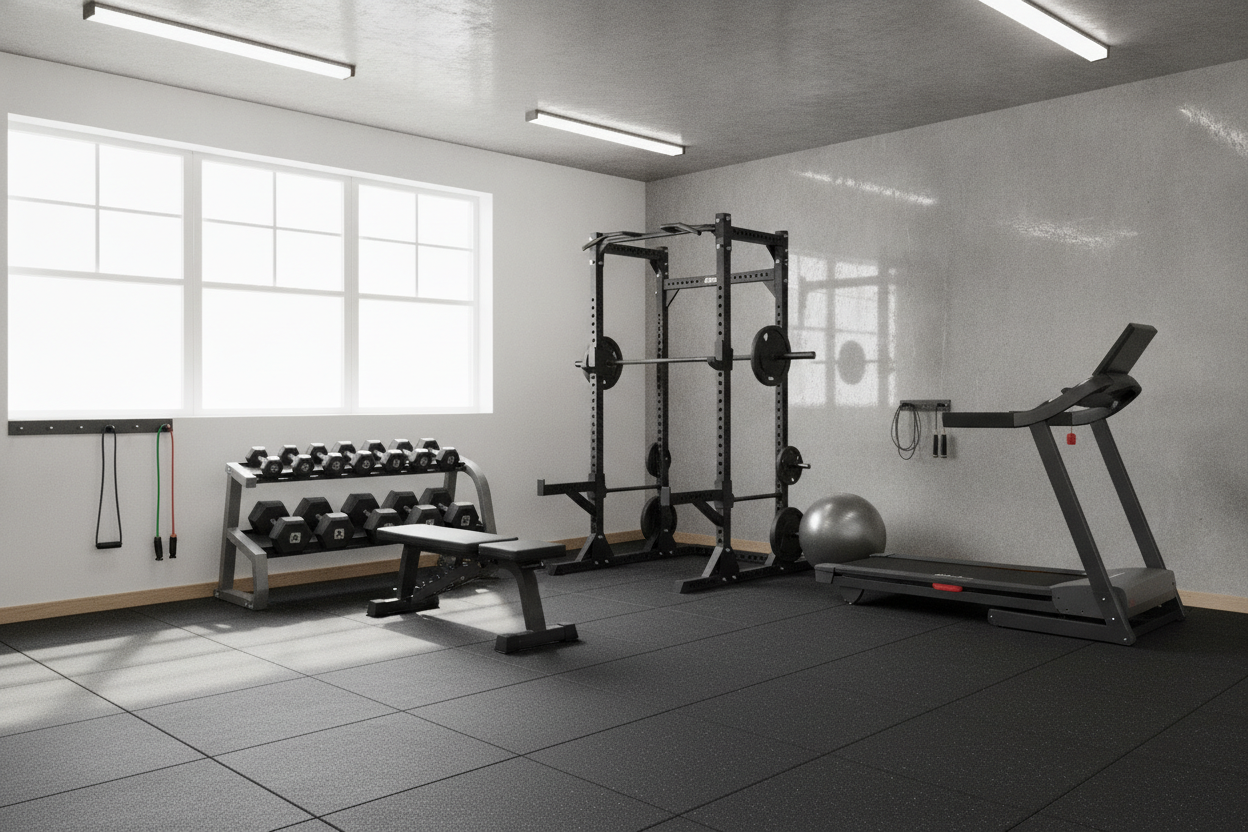
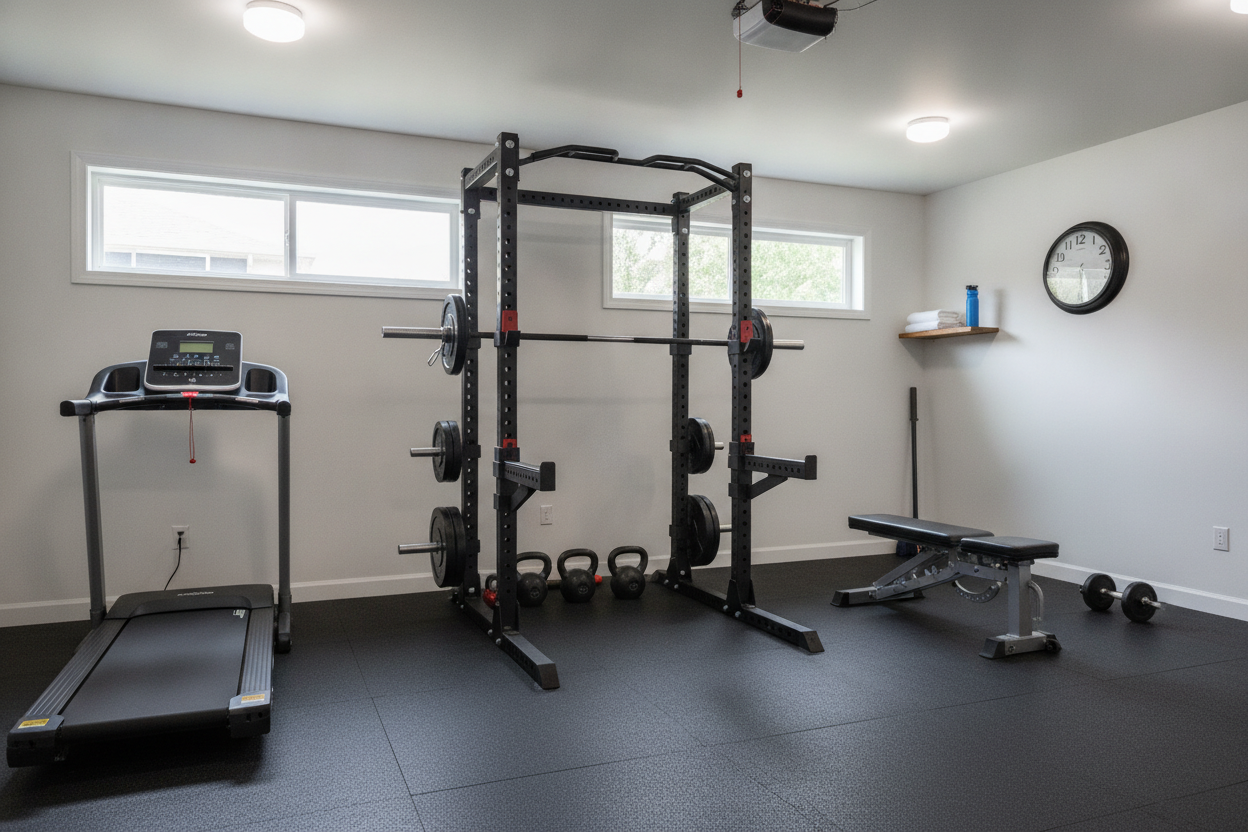
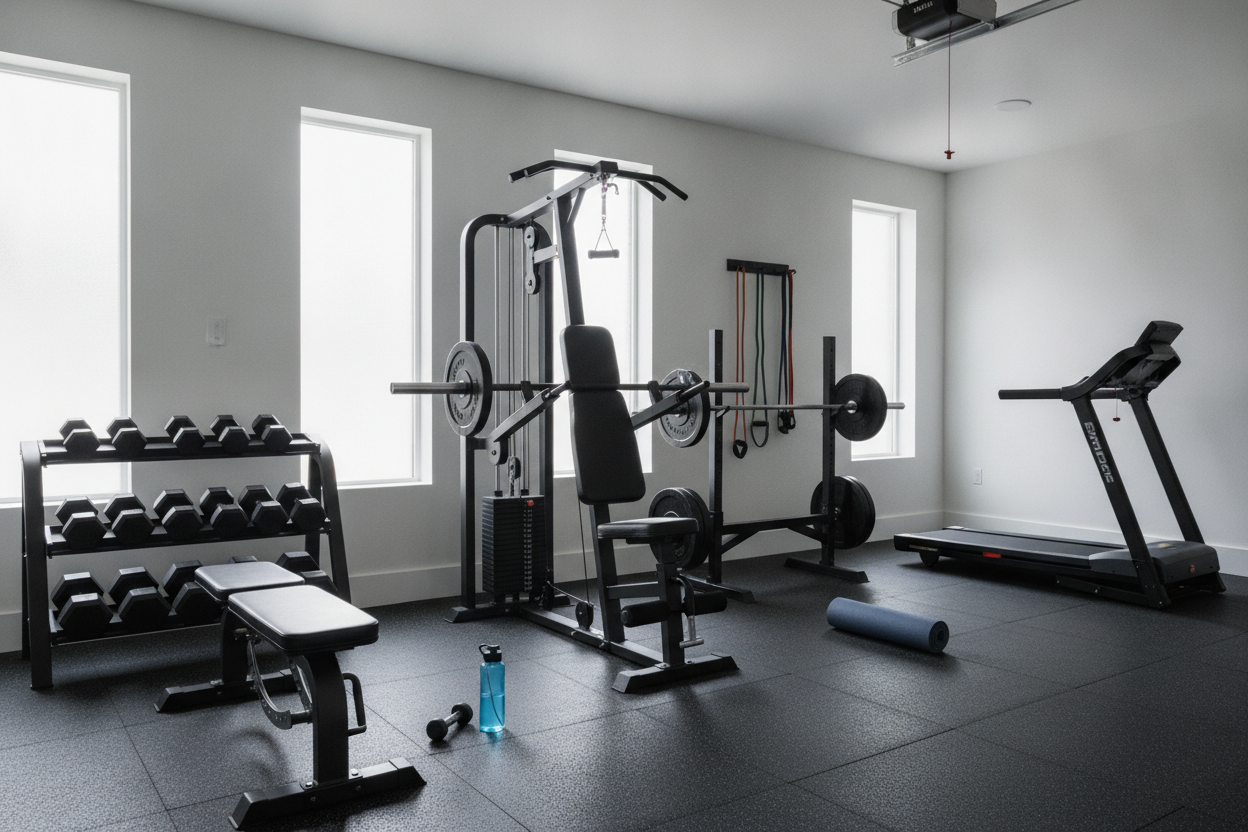
If you're building a home gym, you don't need those 'booty builder' machines you see on TikTok. You need stability. When you're doing heavy deficit lunges or RDLs, the last thing you want is your feet sliding around. I highly recommend investing in a high-quality exercise mat that offers real grip. If your floor is slippery, your nervous system will 'brake' your strength to keep you from falling, which means less growth for your glutes.
Start with a solid set of adjustable dumbbells or a barbell. Once you find that you can't hold enough weight to challenge your legs, that's when you look at a lower body strength machine like a leg press or a hack squat. These machines allow you to push to absolute failure without worrying about balance. However, for most people, the big three free-weight moves listed above will provide years of progress if you actually push the intensity.
Personal Experience: My 'Burn' Mistake
I spent an entire year doing high-rep cable kickbacks and 'rainbow' leg lifts because I thought the burning sensation meant my glutes were growing. I was wrong. My glutes didn't actually change shape until I stopped worrying about the 'burn' and started worrying about my RDL numbers. I remember the first time I hit 225 lbs on RDLs for sets of 8; the difference in my posterior chain development was night and day compared to those cable sessions. Don't mistake fatigue for productivity.
FAQ
How do I target my lower glutes specifically?
You can't completely isolate them, but you can emphasize them by performing exercises that challenge the glute max in a deep, stretched position, such as deficit lunges and deep split squats.
How long does it take to grow lower glutes?
Muscle growth is a slow process. If you are eating in a slight surplus and consistently adding weight to your lifts, you’ll start seeing noticeable changes in 8 to 12 weeks. Consistency is more important than any 'secret' exercise.
Can I grow my lower glutes without weights?
To a point, yes, but you will eventually plateau. Muscles need a reason to grow, and that reason is an increasing load. If you only use bodyweight, you'll eventually just be building endurance, not size.