The Only Carb Rule You Need on a Diet for Lean Muscle Growth
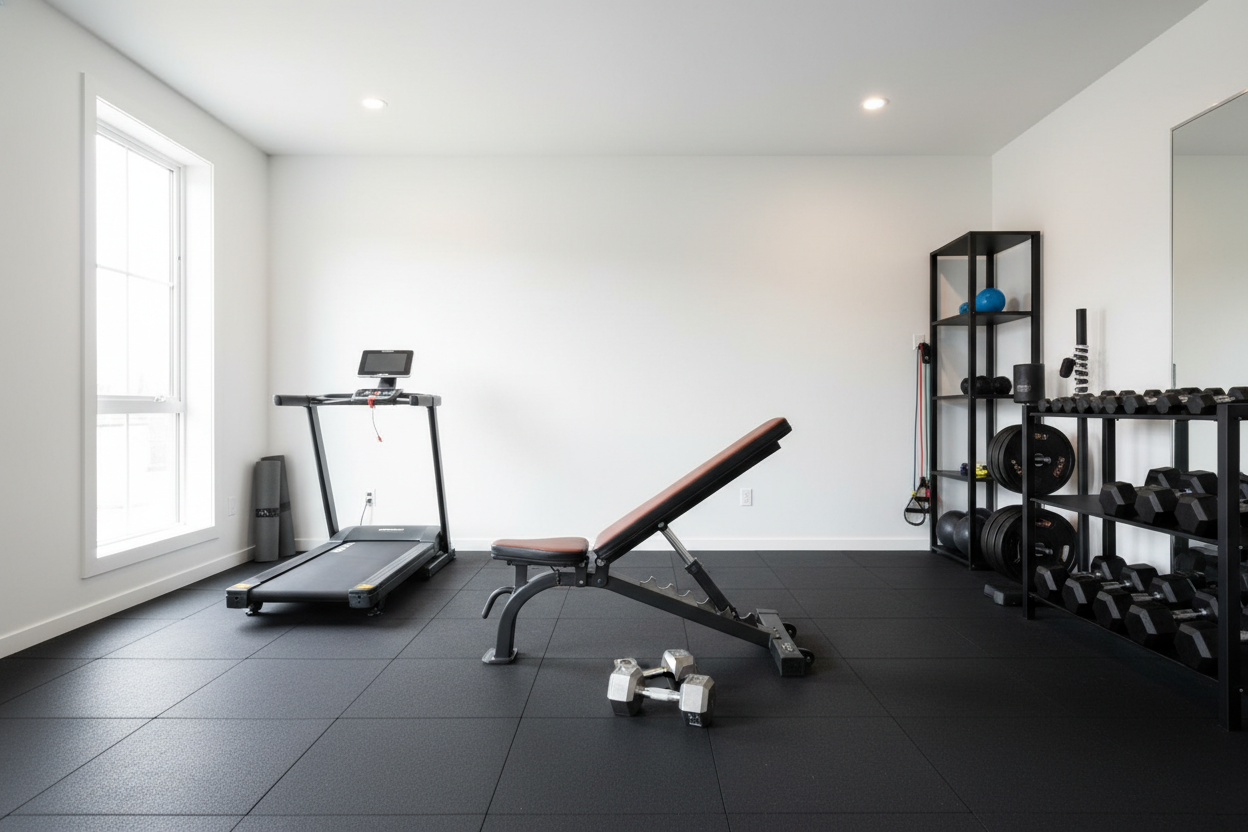
I remember standing in front of my power rack, looking at a pair of 45-lb plates, and realizing I was out of breath just from loading the bar. I was 'bulking,' which in my head meant eating five cups of white rice a day because some guy on an old forum said so. Instead of looking like a Greek statue, I just looked like I had spent way too much time at a local buffet. If you are tired of your diet for lean muscle growth turning into a quest for a larger waistline, you do not need less food—you need better timing.
Most guys treat their bodies like a trash can, dumping in fuel when the engine is not even running. If you want to actually build tissue without the sloppy spillover, you have to stop viewing carbohydrates as a 24/7 energy source. They are a tool for performance and recovery, and they belong in a very specific window of your day.
- Stop eating high-starch meals when you are sitting at a desk.
- Cluster 70 to 80 percent of your daily carbohydrates around your training window.
- Prioritize healthy fats and fibrous vegetables during your sedentary hours.
- Use a heavy carb dinner the night before if you are a 5 AM lifter.
The 'Eat Big' Trap That Ruins Most Physiques
The old-school 'see-food' diet is a recipe for disaster for anyone who is not 22 years old and gifted with elite genetics. When you hammer a massive surplus of carbohydrates all day long, you are basically asking for insulin resistance. Your cells get full, and that extra glucose has nowhere to go but your love handles. This is how a well-intentioned plan turns into a 'dirty bulk' that takes six months of miserable cardio to undo.
I see guys in my comments still clinging to 1990s bodybuilding logic. They are eating tilapia on a diet for lean muscle every three hours, thinking the frequency of their meals matters more than the metabolic context. It does not. If you are not moving, those carbs are just making you soft. You do not need a spike in insulin while you are answering emails; you need it when your muscle fibers are screaming for repair.
Why Your Body Only Wants Carbs When You Lift
When you are under a heavy barbell, your muscles become absolute sponges. Intense training triggers something called GLUT4 translocation—basically, your muscle cells open their doors wide for glucose without needing a massive insulin signal. This is the only time a diet for gaining lean muscle mass should actually look high-carb. It is about nutrient partitioning: sending the calories to the biceps, not the belly.
I have found that high-intensity sessions, specifically those exercises for lean muscle mass that focus on unilateral movements or high-volume compound lifts, drain local glycogen stores faster than most people realize. By the time you finish your last set of split squats, your body is primed to shuttle every gram of rice or potato directly into the tissue you just broke down. This is the foundation of a successful diet for lean muscle mass.
How to Structure Your Pre and Post-Workout Meals
This is the 80/20 rule of a lean muscle growth diet. You want the vast majority of your starch—think cream of rice, sweet potatoes, or jasmine rice—concentrated in the 90 minutes before you train and the two hours immediately after. This ensures you have the glycogen to push a heavy set of 10 and the insulin spike to kickstart protein synthesis once the lifting is done.
For a 200-lb lifter, this might look like 50g of carbs pre-workout and 100g post-workout. If your daily target is 200g, you have just knocked out 75 percent of your intake when your body can actually use it. I prefer fast-digesting sources like white rice or even a specialized carb powder during this time. Save the slow-burning stuff for later if you really need it, but during this window, speed of absorption is your best friend for recovery.
What Your Plate Should Look Like the Rest of the Day
When you are not training, your gain lean muscle diet should pivot. You are not burning glycogen while watching Netflix or sitting in a car. These meals should be built around high-quality protein like steak, eggs, or salmon, paired with healthy fats like avocado or macadamia nuts. Throw in a mountain of green vegetables for fiber to keep your digestion moving.
This approach keeps your blood sugar stable throughout the day. You will not get that 2 PM brain fog that usually follows a massive bowl of pasta. Maintaining high insulin sensitivity during your 'off' hours makes your pre-workout carbs hit even harder when it is time to move some iron. It turns your body into a more efficient machine that knows exactly how to handle different fuel sources based on demand.
Tweaking the Plan for Early Morning Garage Gym Sessions
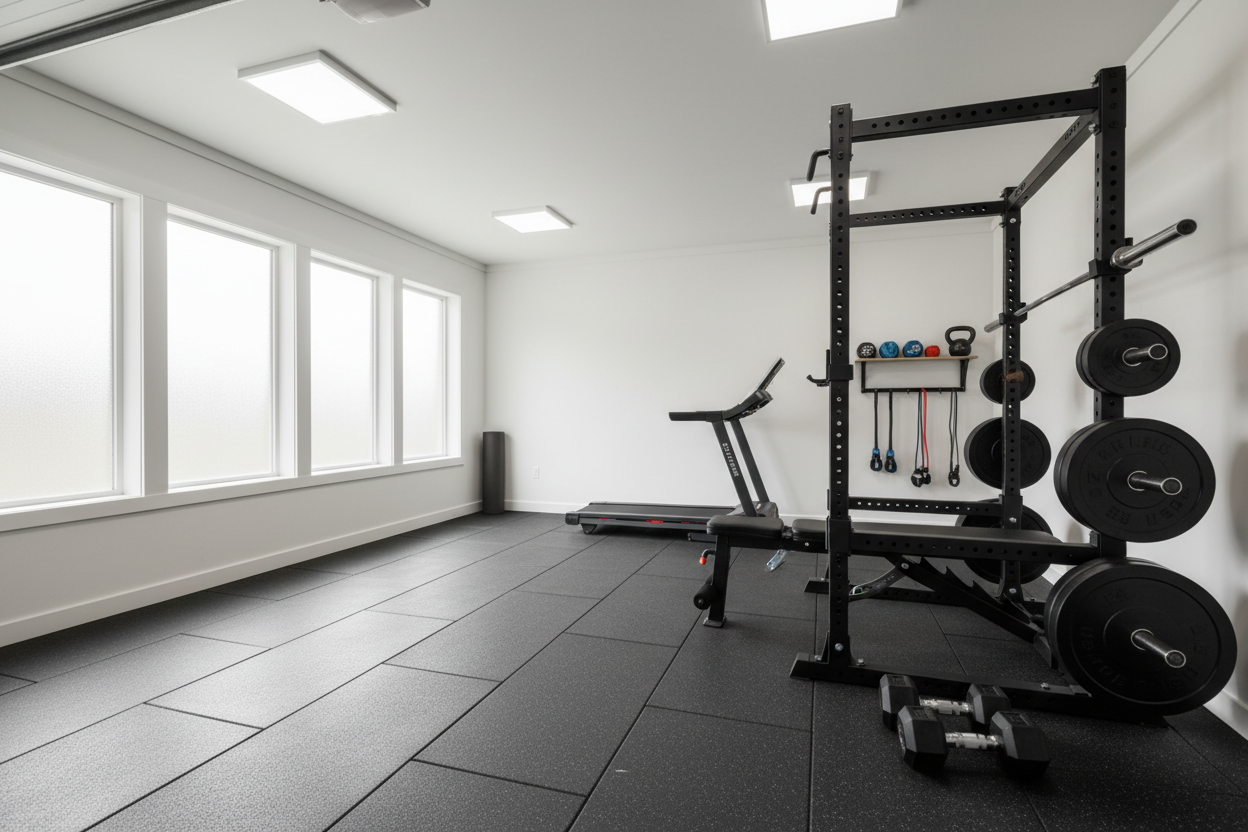
If you are like me and hit the garage at 5 AM, eating a massive bowl of oats 30 minutes before training is a one-way ticket to a stomach ache. For a diet for lean muscles to work on an early schedule, you have to shift your timing to the night before. Eat your largest carb meal for dinner. This ensures your glycogen stores are topped off when you wake up, even if you do not eat a full meal before your first set.
I usually spend five minutes on my large exercise mat for home gym doing some dynamic stretching and foam rolling before I touch a barbell. Because I loaded my carbs the previous night, I have plenty of energy to hit a heavy squat session without feeling weighed down by a half-digested breakfast. I can train with just a scoop of whey and some electrolytes, knowing the fuel is already in the tank.
My Biggest Bulk Mistake
A few years back, I tried to follow a gaining lean muscle mass diet that called for 400g of carbs daily, spread evenly across six meals. I was eating oats at 10 PM while sitting in bed. I gained 15 pounds in two months, but only about two of it was actual muscle. I felt sluggish, my joints felt 'puffy,' and I had to buy new jeans. Switching to timed carbohydrates allowed me to drop the excess fat while actually getting stronger on my main lifts. Don't chase the scale; chase the mirror and the logbook.
FAQ
Can I eat fruit on this plan?
Yes, but treat it like any other carb. Berries are great for low-carb meals because of the fiber, but save high-glycemic fruits like bananas or pineapple for your post-workout shake when you want that insulin spike.
What if I train twice a day?
If you are doing morning cardio and evening lifting, split your carbs between those two windows. However, most people do not need a massive carb load for a 20-minute walk. Keep the heavy starches for the heavy lifting.
Do I need to count every single gram?
If you are not seeing progress, yes. Timing is the secret sauce, but if you are eating 5,000 calories and only burning 2,500, no amount of timing will keep the fat off. Start with a baseline and adjust based on how you look in the mirror.