The Only Accessories for Weightlifting I Keep in My Gym Bag
I have a graveyard of snapped wrist wraps and frayed straps in the corner of my garage. It is the result of years spent scrolling through Amazon at 2 AM, convinced that a $15 'pro' kit would somehow add fifty pounds to my bench. Most accessories for weightlifting are, quite frankly, garbage designed to look good in a filtered Instagram photo rather than survive a heavy session in a humid basement.
After testing dozens of pieces of gear—and having more than a few fail mid-rep—I have realized that the best equipment is usually the simplest. You do not need a bag full of plastic gadgets. You need a few pieces of overbuilt kit that can take a beating and keep your joints from screaming at you the next morning.
Quick Takeaways
- Stick to 10mm or 13mm leather for belts; avoid the velcro 'fitness' versions.
- Nylon straps are better for olympic lifts, while figure-8s are the king of heavy deadlifts.
- Steel attachments always beat plastic, especially for cable work.
- If the stitching looks thin, it will fail when you sweat on it.
What Is Lifting Tackle, Anyway?
The terminology in this industry is a mess. When someone asks what is lifting tackle, they are usually referring to the old-school British term for the whole ecosystem of gym gear. In modern terms, we split this into two categories: supportive wearables and rack hardware.
Supportive gear includes things like your belt, knee sleeves, and wrist wraps. These are designed to create internal pressure or stabilize a joint. Rack hardware—or attachments—are the pieces you bolt onto your power rack to change the mechanics of a lift. Both are essential, but you have to know which one is failing you before you go buying more junk.
The Short Lifting Accessories List Actually Worth Your Cash
If you are building a kit from scratch, start with the stuff that touches your skin. A dependable lifting accessory should feel stiff out of the box. If a pair of knee sleeves feels like a pair of socks, they are not doing anything for your squat. Look for 7mm SBD-style neoprene that requires a bit of a fight to get over your calves.
For your wrists and hands, stop buying the cheap elastic wraps found at big-box retailers. You want heavy-duty cotton or stiff nylon with reinforced thumb loops. I have seen cheap wraps pop off during a heavy overhead press, and it is a fast way to end up in a physical therapy office. When you are looking for high-quality Strength Training Accessories, prioritize double-stitching and industrial-grade velcro. If it does not feel like it could tow a truck, do not trust it with your PR.
Weightlifting Attachments That Upgrade a Basic Rack
Hardware is where people usually overspend. You do not need a twenty-piece set of accessories for lifting. You need a solid pair of sandwich J-cups and a landmine attachment. Sandwich J-cups are superior because they protect your bar's knurling with UHMW plastic on all sides, unlike the cheap stamped steel versions that come standard with budget racks.
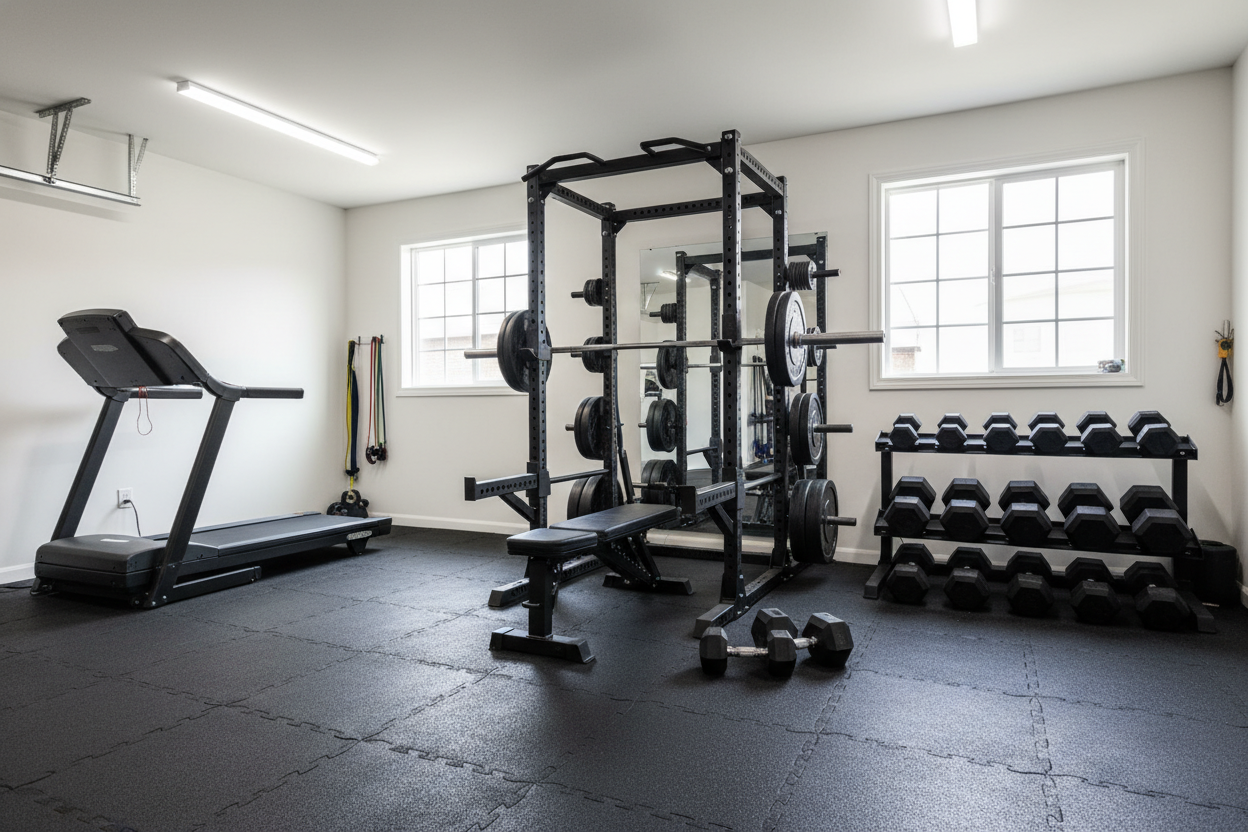
A landmine is arguably the best ROI for any home gym. It turns a standard barbell into a rowing machine, a press station, and a core trainer for about $50. Just make sure you are matching your weightlifting attachments to your rack's upright size. A 3x3-inch attachment will not fit a 2x3-inch rack without a lot of dangerous wobbling. I always tell people to check Lifting Weight Equipment The Definitive Guide For 2024 to ensure their rack specs match the hardware they are eyeing.
The Lifting Equipment Accessories I Refuse to Use
There is a lot of 'lifting tackle' out there that is straight-up dangerous. Barbell pads for squats are at the top of my list. They move the center of gravity away from your spine and make the bar unstable. If the bar hurts your neck, you are likely resting it on your vertebrae instead of your traps. Fix your form, don't buy a foam noodle.
I also avoid any lifting equipment accessories made of thin plastic, like those 'ergo' cable handles that look like they belong on a bicycle. I have had a plastic D-handle snap during a heavy lat pulldown, and the sound of that plastic shattering next to my ear was enough to make me a steel-only guy for life. You should Stop Wasting Money on Useless Weight Lifting Accessories and invest that cash into a single, high-quality stainless steel lat bar instead.
How to Vet Your Next Piece of Gym Hardware
Before you hit 'buy' on that new attachment, look at the gauge of the steel. 11-gauge is the gold standard for home gyms; 14-gauge is okay for light work, but I would not trust it for a heavy rack pull. Check the welds. A good weld looks like a consistent stack of dimes. If it looks like someone dripped hot wax on the metal, it is a weak point waiting to happen.
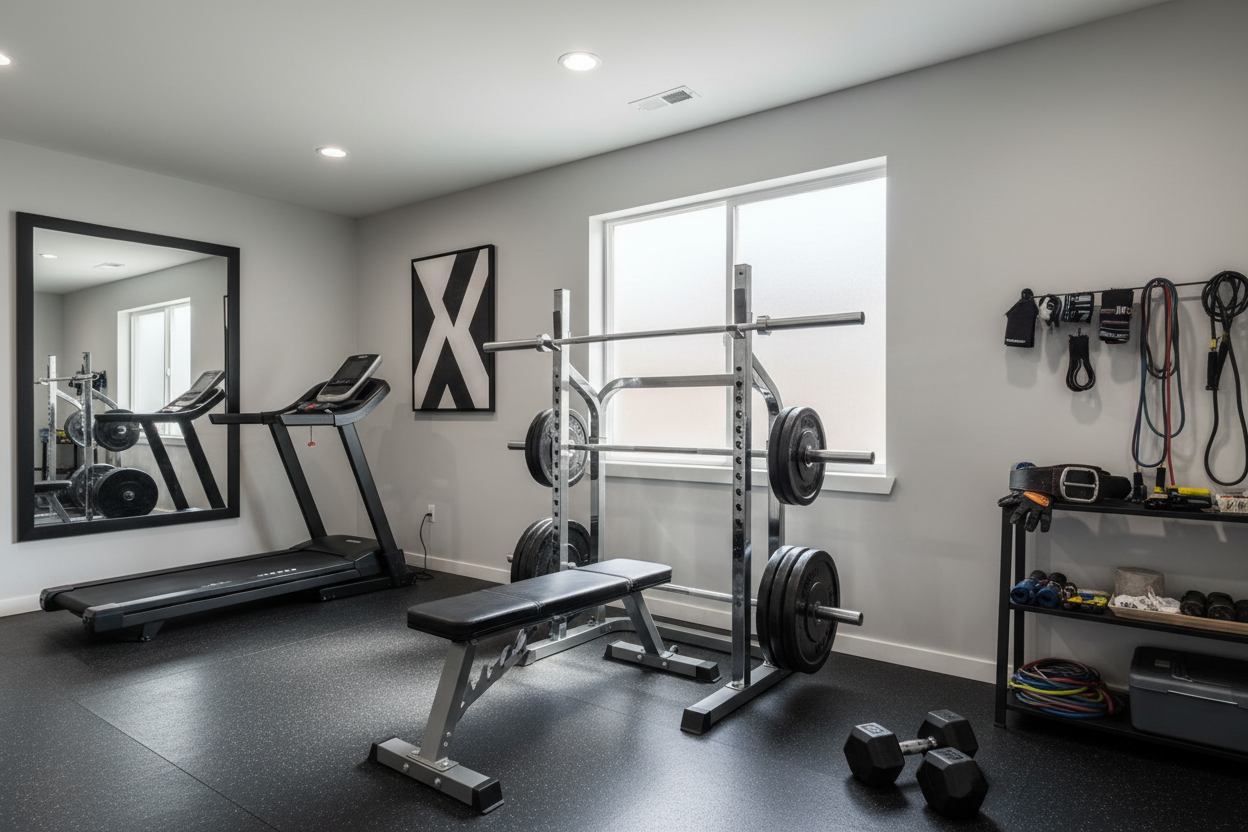
Good attachments can actually save you a fortune. By adding a few well-made handles and a pulley system, you can replicate the stimulus of expensive Weight Lifting Machines without losing half your garage floor space. It is about being surgical with your purchases, not filling a bin with neon-colored rubber bands.
FAQ
Do I really need a lifting belt?
Not for everything. If you are doing sub-maximal work or accessory movements, leave it off. But once you hit 80% of your max on squats or deadlifts, a 10mm leather belt provides the bracing surface your abs need to keep your spine safe.
What is the difference between wraps and straps?
Wraps go around your joints (wrists or knees) to provide support. Straps go around the bar to help your grip. If your back is stronger than your hands, use straps for your heavy sets so your grip isn't the limiting factor.
Are expensive knee sleeves worth it?
Yes. Cheap sleeves lose their 'pop' after three months. A pair of high-grade 7mm sleeves will stay tight for years and actually provide enough compression to keep your joints warm and stable.