Why Your Muscle Gaining Workout Plan Leaves You Sore, Not Big
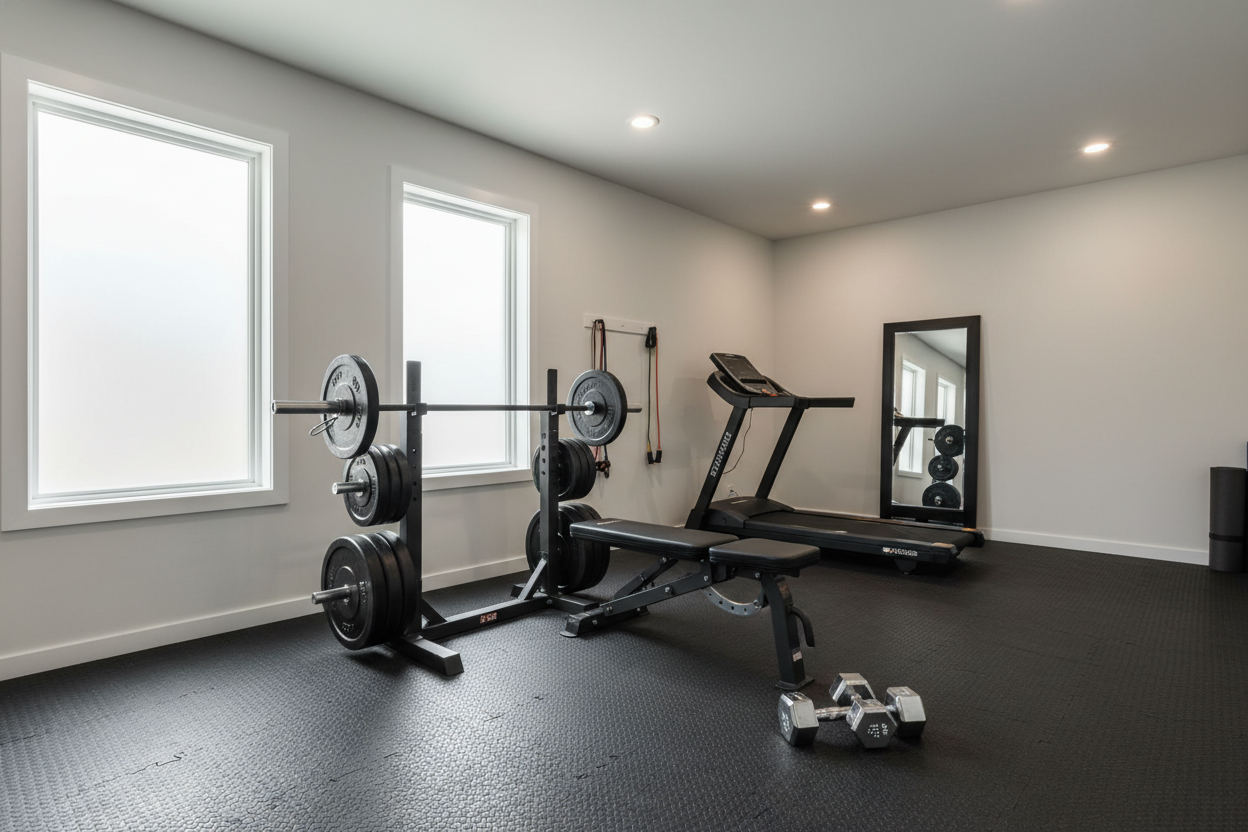
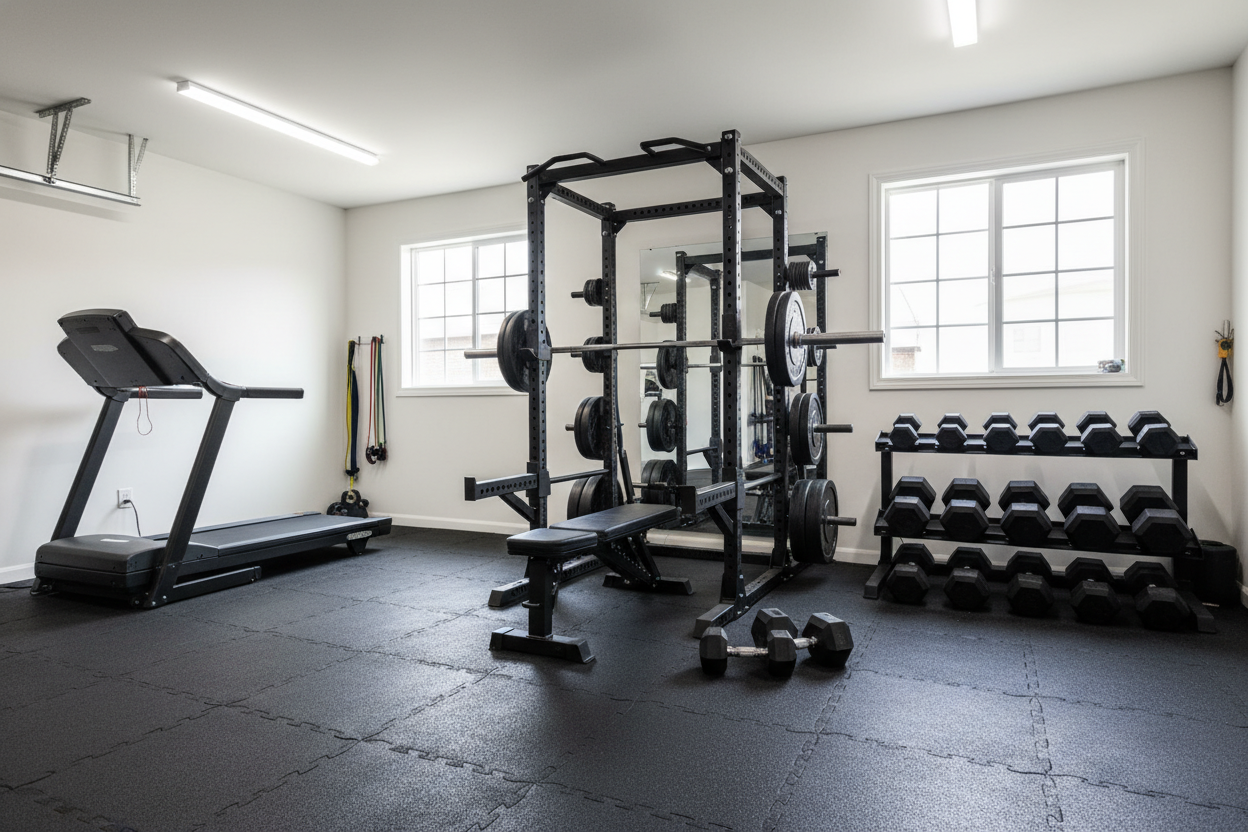
I remember the first time I tried a high-volume pro bodybuilder's split in my drafty garage. I was using a rack that wobbled if I breathed on it too hard and a bar with knurling so dull it felt like a wet pool noodle. I spent two hours chasing a 'pump' and woke up the next day unable to reach for the coffee pot. I thought that meant my muscle gaining workout plan was a success. It wasn't. I was just tired, inflamed, and three weeks away from a nagging shoulder impingement.
- Soreness is a byproduct of novel stress, not a direct indicator of muscle growth.
- High-frequency splits often lead to 'junk volume' that kills recovery for natural lifters.
- Mechanical tension—lifting heavier weights through a full range of motion—is the primary driver of mass.
- A 4-day split is usually superior to a 6-day split for anyone with a job and a life.
Stop Confusing Muscle Damage With Real Growth
We’ve been conditioned to believe that if you aren't hobbling like a 90-year-old after leg day, you wasted your time. This is the biggest trap in the home gym community. When you're training in a garage, you don't have a team of therapists or a chemical 'supplement' protocol to fix your mistakes. A gaining mass workout should focus on disrupting homeostasis, not annihilating your soft tissue. Muscle damage (DOMS) is just one small part of the hypertrophy puzzle, and too much of it actually prevents you from training hard again later in the week.
If you're so sore that your form breaks down during your next session, you've effectively stalled your progress. I’ve seen guys spend hundreds on fancy massage guns and recovery boots just so they can survive a training volume their bodies weren't ready for. Instead of trying to survive the workout, you should be trying to thrive within it. Real growth happens when you can hit the same muscle group frequently with high intensity, which you can't do if you're stuck on the couch icing your hamstrings.
The Core Mechanics of a Routine That Actually Works
To build a training programme for muscle gain that lasts longer than a month, you have to prioritize mechanical tension. This means putting a muscle under a heavy load and making it work through its full lengthened position. It’s not about doing 50 sets of cable flyes; it’s about making five sets of heavy presses count. Many lifters mistake 'metabolic stress'—that burning sensation—for the only thing that matters. While the burn is great, it’s the tension that forces the fibers to adapt and thicken.
I’ve learned the hard way that The Best Gym Workout to Gain Muscle Starts With the Lightest Weights because it forces you to master the mind-muscle connection before the load gets heavy enough to cause injury. You need to feel the lats pulling the bar, not just your biceps jerking the weight up. Once you have that control, you add weight. If you can’t control a 45-lb plate, you have no business touching the 100s. Progressive overload is a slow burn, not a frantic sprint to see how many plates you can fit on your barbell before the sleeves run out of room.
The 4-Day Garage Split I Actually Stick To
Forget the 6-day 'bro-split' where you hit chest on Monday and don't touch it again for a week. For most of us, a weightlifting routine to build muscle works best on an Upper/Lower split. This allows you to hit every muscle group twice a week while giving your central nervous system a break. I’ve tried the 6-day-a-week grind; it lasted about three weeks before my elbows started screaming and I started skipping sessions because I was mentally fried. A 4-day split is the sweet spot for consistency.
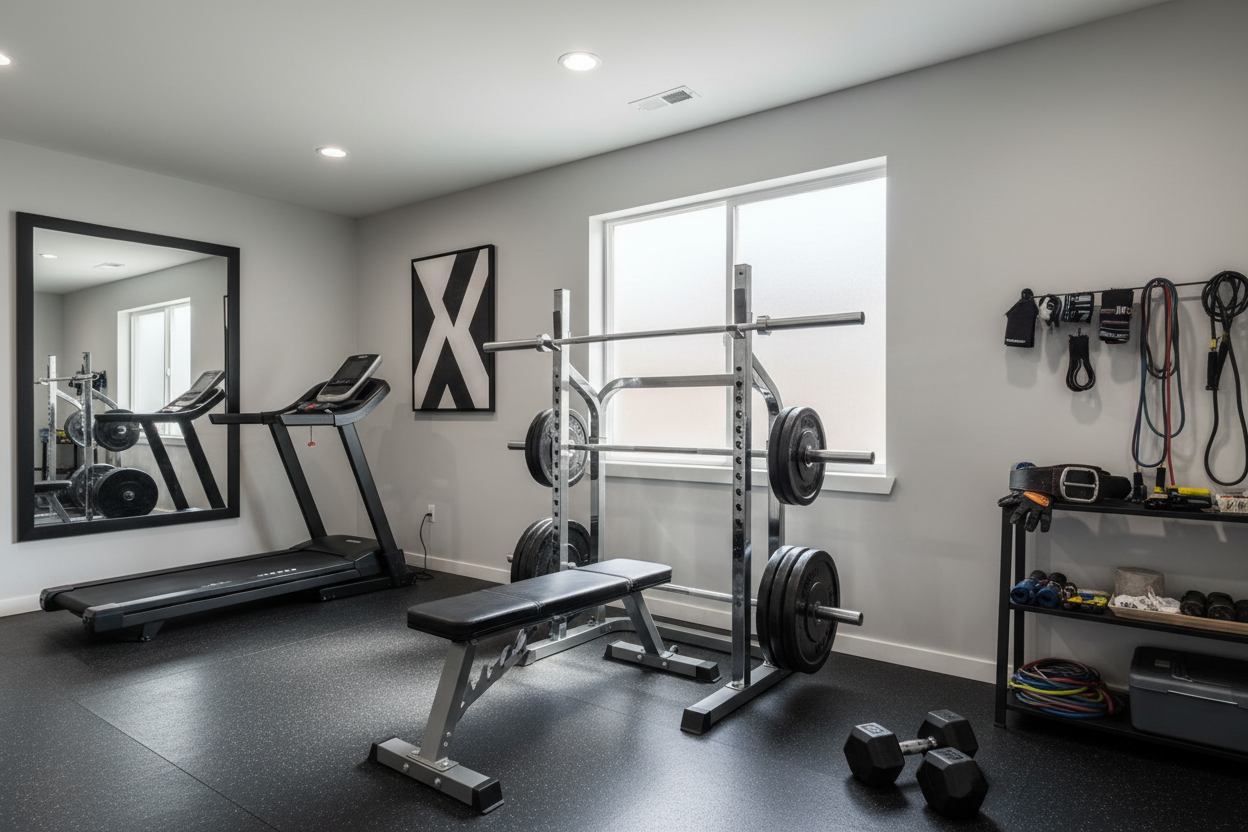
If you find yourself missing a piece of gear—like a leg press or a cable crossover—don't sweat it. You can find plenty of alternatives in the Workout Hub that use basic dumbbells or barbells to get the same stimulus. The goal is to stay consistent. I’ve built more mass with a basic power rack and a flat bench than I ever did with a $50,000 circuit of machines at a commercial gym. It’s about the effort you put into the movements, not the complexity of the machine.
Heavy Legs and Ground Work
Leg day is the foundation. We’re talking squats, Romanian Deadlifts (RDLs), and split squats. I’m a big believer that your gym workout plan to gain muscle should start from the floor up. Stability is everything when you're moving heavy iron. I used to squat in squishy running shoes until I realized I was losing half my power to the foam. Some people even argue the best gym workout plan to build muscle actually barefoot because it allows for better toe splay and balance. Whether you go barefoot or use dedicated lifting shoes, stop lifting in sneakers meant for a 5k run.
Keep the volume moderate but the intensity high. If you’re doing RDLs, focus on the stretch in your hamstrings. Don't just drop the weight; control the descent. I usually aim for 3 sets of 8-12 reps. If I can hit 12 reps with perfect form, the weight goes up next week. It’s a simple, boring, and incredibly effective way to grow.
Upper Body Push and Pull
For the upper body, I stick to the classics: overhead presses, rows, and floor presses. If you don't have a high-end adjustable bench yet, the floor press is a massively underrated chest builder that saves your shoulders. I’ve spent many mornings on my 6X8Ft Exercise Mat doing heavy dumbbell presses. It limits the range of motion just enough to protect the rotator cuff while still letting you load up the triceps and pecs. It’s a staple in my gym workout plan muscle building routine.
Rows are equally important. Most home gym owners over-press and under-pull, leading to that 'caveman' posture. For every pressing set you do, match it with a pulling set. Use your barbell for rows or get a set of rings hanging from your pull-up bar. Thick lats make your waist look smaller and provide a stable platform for your bench press. It’s win-win.
How to Auto-Regulate When Life Gets in the Way
Some days you wake up and the 45-lb bar feels like 135 lbs. Maybe the kids kept you up, or work was a nightmare. A rigid daily workout to build muscle can be your worst enemy on these days. This is where auto-regulation comes in. Instead of hitting your planned weights, you use 'Rate of Perceived Exertion' (RPE). If you planned for a heavy triple but your warm-ups feel like lead, back the weight off by 10% and focus on explosive speed and form. You still get the stimulus without the risk of a snap-city injury.
The biggest mistake I ever made was 'grinding' through a heavy squat session when I had a fever. I ended up straining my hip flexor and was out for six weeks. If I had just listened to my body and done some light mobility work or a few high-rep sets of curls, I would have been back to 100% in two days. Don’t let your ego dictate your training. Mass is built over years, not a single Tuesday afternoon in the garage.
FAQ
How many days a week should I do gym workouts muscle gain?
For most natural lifters, 4 days is the 'Goldilocks' zone. It provides enough frequency to trigger growth twice a week per muscle group while allowing 3 full days of recovery. If you have elite recovery, you might push to 5, but 4 is plenty for 90% of people.
What is the best gain mass training program for beginners?
Start with a basic Linear Progression (LP) program like Starting Strength or StrongLifts, but add some 'hypertrophy' accessories at the end. Focus on the big three (Squat, Bench, Deadlift) and add in curls, lateral raises, and chin-ups to fill out the physique.
Can I follow a gym workout gain muscle routine with just dumbbells?
Absolutely. Dumbbells are actually better for hypertrophy in some cases because they allow for a deeper range of motion and force each side of your body to work independently. You just need a heavy enough set to keep challenging yourself.
How long does a how to gain muscle workout plan take to show results?
If your diet is on point (slight caloric surplus), you’ll see 'the pump' immediately, but real tissue growth takes about 8-12 weeks of consistency. Don't change your program every two weeks. Pick a plan and marry it for at least three months.