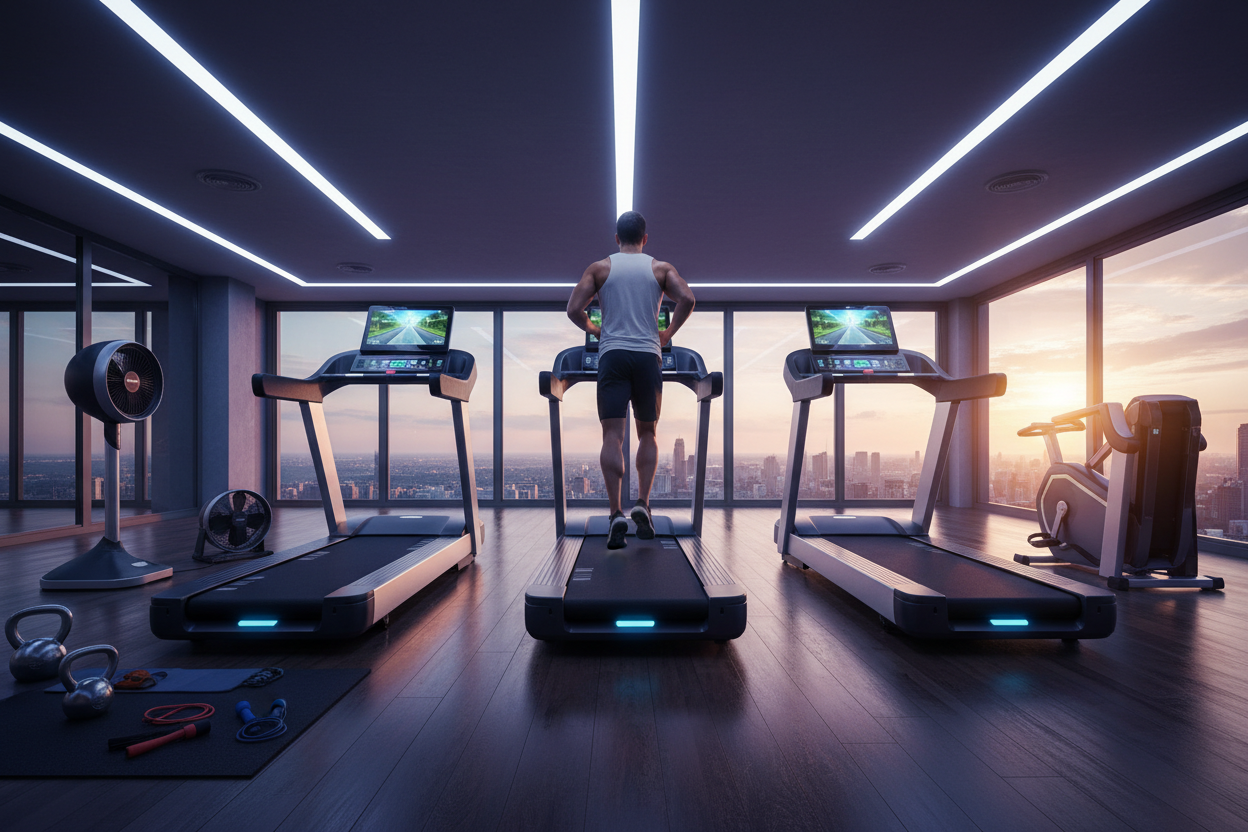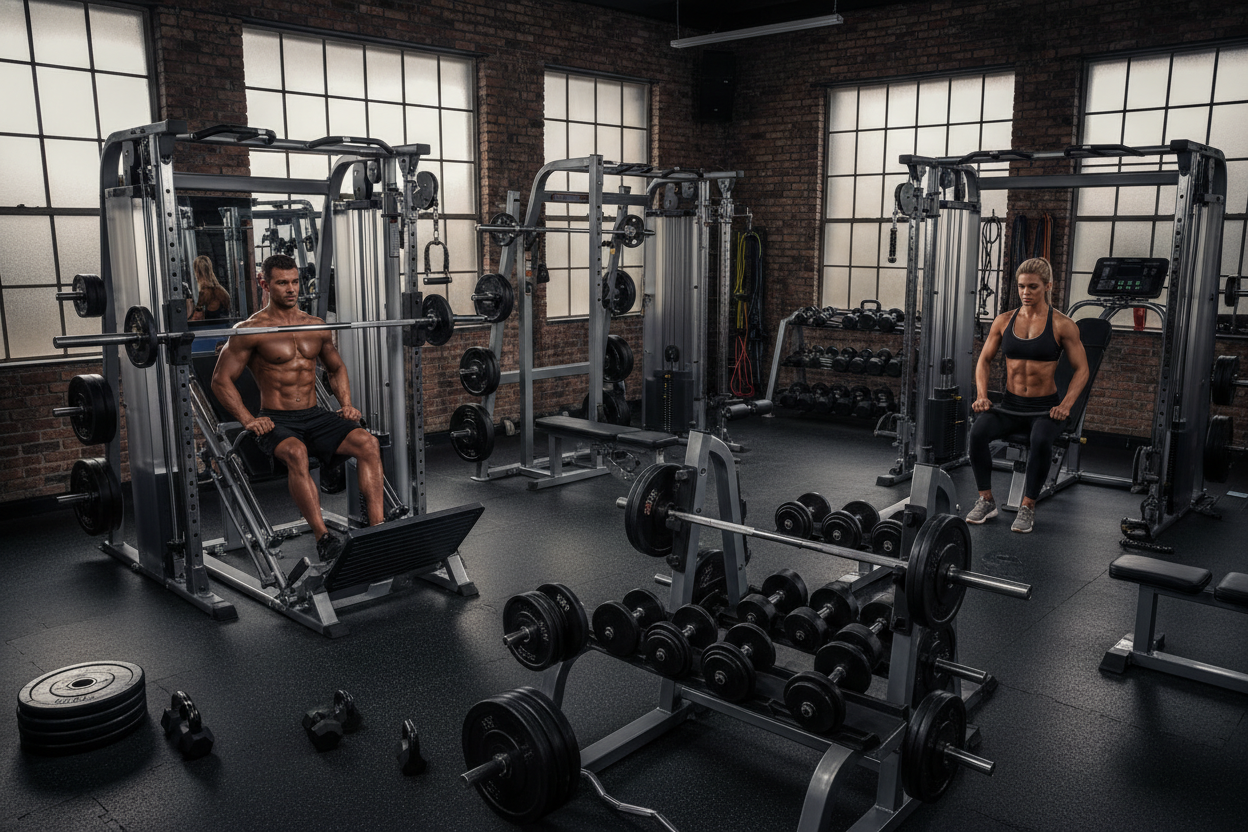
Lifting Weight Equipment: The Definitive Guide for 2024
Walking into a fully stocked gym or scrolling through online fitness stores can feel overwhelming. You see rows of chrome, cables, and iron, but you aren't sure what is essential and what is just an expensive coat rack. Whether you are outfitting a garage gym or trying to navigate your local fitness center, understanding the mechanics and purpose of lifting weight equipment is the first step toward a successful training program.
Key Takeaways
- Functionality First: Free weights build stabilizers, while a weight lifting machine offers isolation and safety for beginners.
- Space Efficiency: All-in-one weight systems are ideal for home gyms with limited square footage.
- Quality Indicators: Look for heavy-gauge steel and smooth pulley movement when browsing weightlifting machines for sale.
- Budget Strategy: You don't need brand new gear; a used gym lifting machine often functions just as well as a new one if maintained properly.
Understanding the Ecosystem: Machines vs. Free Weights
Before you pull out your credit card, you need to understand the two main categories of equipment. Neither is superior; they simply serve different biomechanical purposes.
The Role of the Gym Weight Lifting Machine
Machines guide your body through a fixed range of motion. This is crucial for hypertrophy (muscle growth) because it adds stability. When you use a lift weight machine, you don't have to worry about balancing the load. You can focus entirely on pushing the muscle to failure.
For example, a chest press machine removes the risk of dropping a bar on your neck, allowing you to lift heavier safely without a spotter. This makes a weight lifter machine an excellent tool for both novices learning movement patterns and bodybuilders isolating specific muscle groups.
Free Weight Systems
Free weights (barbells, dumbbells) require you to stabilize the load. This recruits more muscle fibers and improves coordination. However, they require more skill to use safely. A balanced routine usually involves heavy compound movements with free weights, followed by accessory work on a lift machine gym setup.
Sourcing Gear: What to Look For
If you are building a home setup, the market is flooded with options. Here is how to navigate the buying process without getting ripped off.
Evaluating Weightlifting Machines for Sale
When you find weight training machines for sale, ignore the shiny paint job. Look at the weight stack and the cables. On a cable machine, the movement should be glass-smooth. If you feel friction or "drag" during the rep, walk away. That friction will ruin the eccentric (lowering) phase of your lift.
The "All-in-One" Solution
For home users, space is currency. Weight systems (often called multi-gyms) combine a lat pulldown, chest press, and leg developer into one unit. While these save space, be careful with the ergonomics. A weight lifting machine for sale at a budget department store often has poor adjustability, meaning the pivot points might not align with your joints.
Common Mistakes When Selecting Equipment
The biggest error people make is buying equipment that looks cool but has limited utility. That massive leverage squat machine might look impressive, but a power rack and a barbell offer 50 times the versatility for half the price.
Another mistake is ignoring the footprint. A commercial gym lifting machine is designed for a 5,000-square-foot facility. Before you buy, measure your ceiling height and floor space, including the clearance needed for the moving parts.
My Personal Experience with Lifting Weight Equipment
I have spent years training in gritty warehouse gyms and polished commercial centers, and I've made my fair share of purchasing mistakes. A few years ago, I bought a budget-friendly cable crossover machine for my garage. It looked great in the photos, but the reality was disappointing.
The specific issue wasn't the stability—it was the drag. When I tried to do tricep pushdowns, the weight stack didn't glide; it stuttered. I could feel the gritty vibration of the cheap nylon pulleys through the handle. It completely killed the "mind-muscle connection" because I was fighting the machine's friction rather than gravity. I ended up having to strip the whole thing down and replace the pulleys with aftermarket aluminum ones just to make it usable. If you are looking at gear, physically test the movement. If it hums or vibrates on the way down, it's going to annoy you every single session.
Conclusion
Building a physique or a home gym isn't about having the most expensive gear; it's about having the right tools for your goals. Whether you choose a high-end weight lifting machine or a simple barbell setup, consistency is what yields results. Start with the basics, prioritize smooth mechanics over flashy features, and add pieces as your strength increases.
Frequently Asked Questions
What is the best weight lifting machine for beginners?
A selectorized multi-station or a Smith machine is often best for beginners. These weightlifting machines provide stability and safety stops, allowing you to learn movement patterns without the risk of losing control of the weight.
Are used weightlifting machines for sale worth buying?
Absolutely. Commercial-grade equipment is built to last for decades. You can often find a used gym weight lifting machine from a closing gym for a fraction of the retail price, and it will likely outlast a brand-new budget home model.
How much space do I need for a home lift machine gym setup?
For a comprehensive setup involving a rack and a weight lifting machine, you generally need a 10x10 foot area. Always account for an extra 2 feet of clearance around the equipment to load plates and move safely.