The Only 4 Easy Exercises for Legs You Need on Low-Energy Days
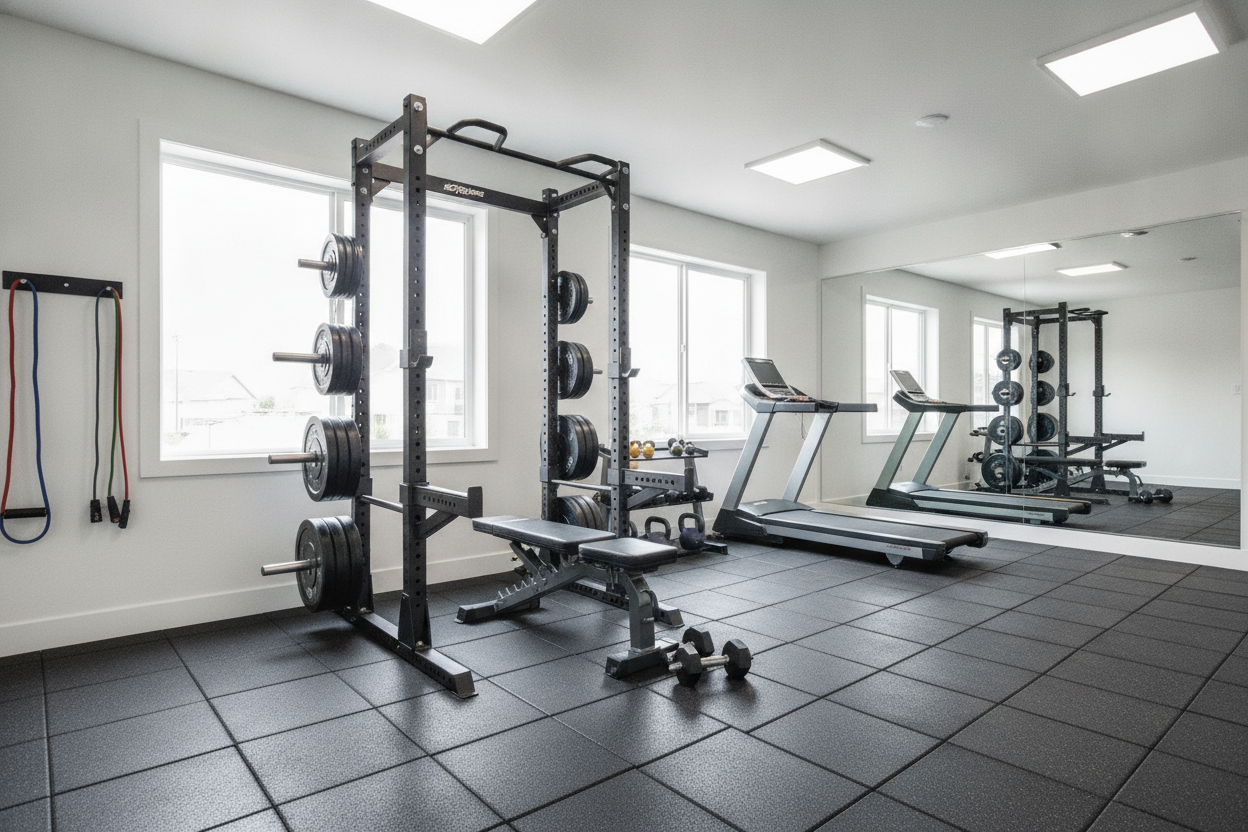
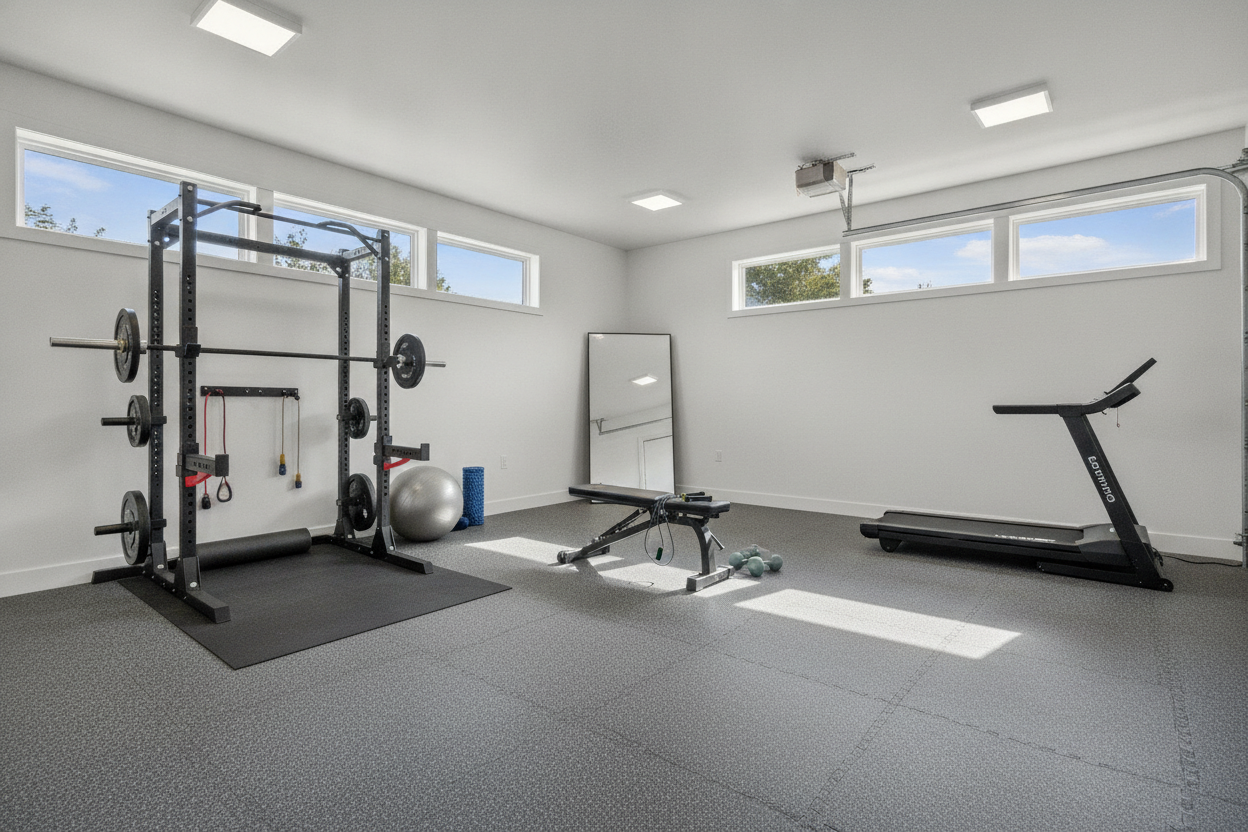
We've all been there. You walk into your garage or spare room, look at the barbell loaded with plates from yesterday's heavy session, and your brain just says 'nope.' The thought of bracing for a 3-rep max feels like a physical impossibility after a ten-hour workday or a night of terrible sleep. Usually, this is where the workout dies, and you end up on the couch with a bag of chips, feeling like a failure. I've spent years falling into that 'all-or-nothing' trap, thinking that if I wasn't shaking under a 315-pound squat, I was wasting my time.
Instead of throwing in the towel, I've learned to pivot to a handful of easy exercises for legs that keep the momentum going without the massive nervous system tax. These aren't 'lazy' moves; they are strategic choices for when your battery is at 5%. I'm talking about movements that don't require a 15-minute warm-up or a gallon of pre-workout to survive. By choosing an easy leg workout, you keep your joints moving and your habits intact, which is worth more than any single heavy session in the long run.
Why 'Easy' Doesn't Mean 'Worthless' for Your Lower Body
The mental hurdle of training when you're exhausted is usually bigger than the physical one. We tend to think that if we aren't 'crushing it,' we're losing ground. But here's the reality: your nervous system doesn't always need a sledgehammer. Sometimes it just needs a light touch to stay primed. When you opt for easy workouts for legs, you're preventing detraining and keeping your synovial fluid moving in your hips and knees. It’s about maintenance, not mastery, on these days.
I used to be the guy who would force a heavy session no matter what. One Tuesday, after a red-eye flight and three cups of lukewarm coffee, I tried to PR my back squat. I felt a pop in my lower back that kept me out of the gym for three weeks. If I had just checked my ego and done some basic leg exercises at home, I would have stayed healthy. Consistency beats intensity every single time when life gets in the way. These low-barrier movements are your safety net.
My Go-To Easy Legs Exercises When the Tank is Empty
When I say these are my go-to moves, I mean it. I’ve done these in my pajamas. I’ve done them while listening to a podcast just to get my blood flowing. The goal here is zero friction. You don't need to load a bar, you don't need to find your lifting belt, and you don't need to psych yourself up with heavy metal. You just need to move. These four exercises target the quads, glutes, and hamstrings without leaving you gasping for air on the floor.
1. The Goblet Box Squat: Save Your Lower Back
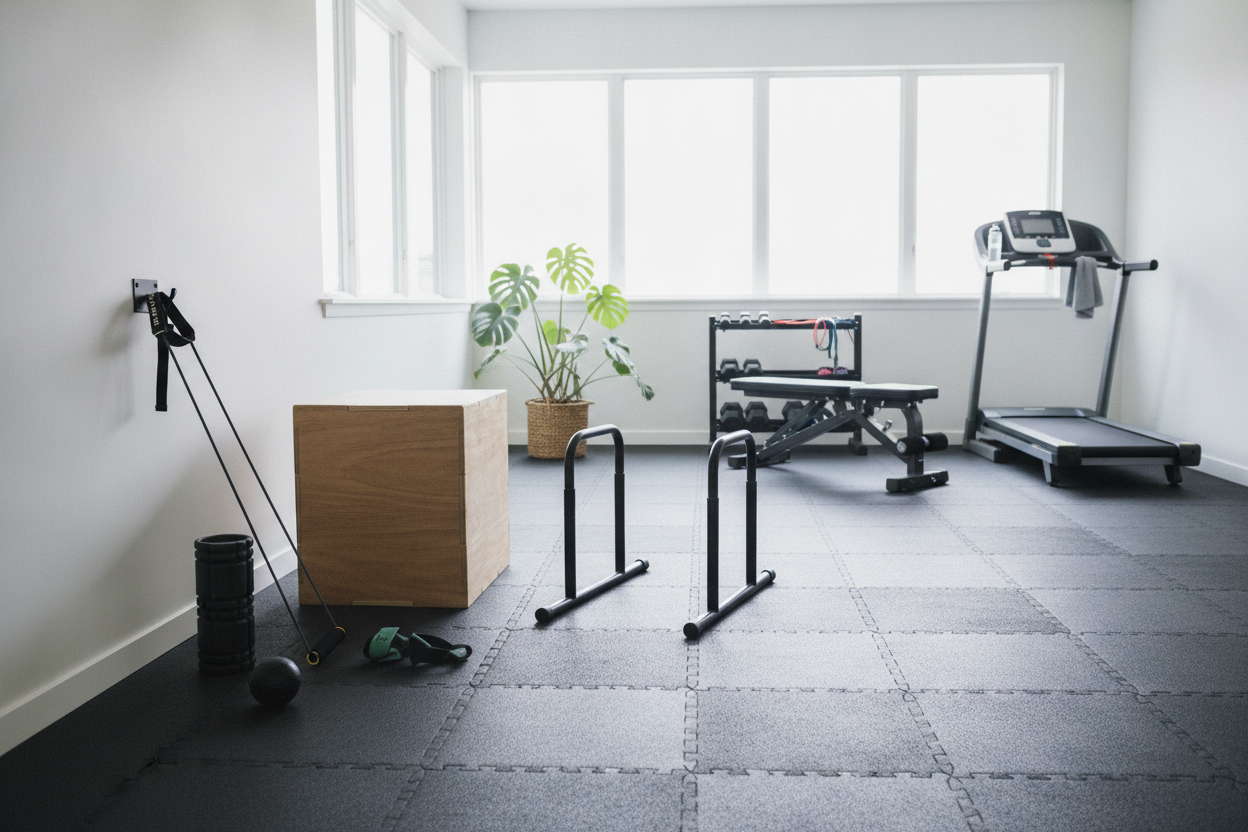
The goblet box squat is the king of the low-energy leg day. By holding a single dumbbell or kettlebell against your chest, you create a natural counterbalance that keeps your torso upright. This is huge because it takes the shearing force off your lower back. I usually grab my 50-pound kettlebell, but even a 20-pounder works if you're really wiped. Sitting back onto a box (or a sturdy chair) removes the 'fear' of the bottom of the squat. You know exactly where the floor is, and you don't have to worry about your knees caving under pressure.
While some people think you need a massive rack and a safety bar to see results, these are secretly some of the best exercises for quads at home because they force such a deep degree of knee flexion without the spinal loading. I've found that doing 3 sets of 12 reps with a controlled 3-second descent gives me a better quad pump than half-hearted heavy squats ever did. It’s a 'set it and forget it' movement that builds real-world strength.
2. Bodyweight Glute Bridges: Zero Setup Required
If you have enough energy to lie down on the floor, you have enough energy for glute bridges. This is the ultimate low-effort, high-reward move. You’re targeting the posterior chain—the glutes and hamstrings—without any impact on your joints. It’s a horizontal movement, so there’s zero compression on your spine. I like to do these for high reps, focusing on a hard squeeze at the top of the movement until my glutes feel like they're actually firing.
To make this tolerable, I usually roll out my large exercise mat for home gym so I'm not grinding my shoulder blades into the cold concrete of my garage. If you want to get fancy, you can pause for two seconds at the top. But honestly, even just going through the motions of 20-30 reps is enough to keep those muscles awake. It’s the perfect 'I’m too tired to stand up' exercise that still counts as work.
3. Supported Reverse Lunges: Ditch the Balance Act
Lunges are great, but they can be a nightmare when you're tired because your balance is the first thing to go. When you're wobbly, you're not actually working your legs; you're just trying not to fall over. That’s why I advocate for supported reverse lunges. Stand next to your power rack, a wall, or even a sturdy table and hold on with one hand. This allows you to focus 100% on the muscle contraction in your front leg rather than your inner ear’s ability to keep you upright.
By removing the balance requirement, these become very basic leg exercises at home that anyone can do. Take a big step back, let your back knee kiss the floor, and drive through your front heel. Since you're supported, you can really sink into the stretch. I’ve found that I can actually handle more volume this way because I’m not mentally fatigued by the coordination required for a standard lunge. It’s pure isolation without the headache.
4. Wall Sits: The Humbling Finisher
There is something beautiful about an exercise where you don't have to move a single inch. The wall sit is pure isometric torture, but it requires zero equipment and zero setup. Just find a flat vertical surface, slide down until your thighs are parallel to the floor, and stay there. It’s a quad-dominant burner that builds incredible mental toughness. I usually aim for 45 to 60 seconds, which feels like an eternity when your quads start screaming.
I like this as a finisher because it drains whatever is left in the tank without any risk of bad form. If you fail, you just sit down on the floor. There’s no bar to catch, no weight to drop, and no complex movement to screw up. It’s the most honest way to end an easy leg workout. You'll walk away with a massive pump and the satisfaction of knowing you didn't quit, even though you really wanted to.
How to Progress Easy Workouts for Legs Over Time
Just because a workout starts 'easy' doesn't mean it has to stay stagnant. The beauty of these movements is how simple they are to tweak once your energy starts to return. You can add 'time under tension' by slowing down your reps. A five-second descent on a goblet squat will make a light weight feel like a ton of bricks. You can also add 1.5 reps—going all the way down, halfway up, back down, and then all the way up—to increase the difficulty without needing heavier dumbbells.
Keeping a list of easy at home leg exercises in your notes app is the best way to survive a high-stress month without losing your gains. My biggest mistake for years was thinking I had to be a hero every time I stepped into the gym. Now, I realize that the hero is the person who shows up on their worst day and does the 'easy' stuff anyway. That's how you build a body that lasts. Don't let the 'perfect' workout be the enemy of the 'done' workout.
FAQ
Can I really build muscle with easy leg exercises?
Yes, especially if you focus on high volume and slow tempos. Muscle doesn't have a GPS; it only knows tension. If you create enough tension with a 20lb dumbbell and a slow rep, your body will adapt.
How many times a week should I do this easy routine?
You can do this 2-3 times a week on your 'off' days or as a standalone routine during a deload week. Since the recovery demand is low, it’s hard to overtrain with these moves.
What if I don't have a box for the squats?
Use a couch, a sturdy chair, or even a cooler. Just make sure it’s high enough that your hips stay at or slightly above knee level if you want to keep it easy on the joints.
Do I need shoes for these exercises?
Actually, I prefer doing these barefoot or in flat shoes. It helps you feel the floor better, especially during glute bridges and wall sits, and improves your foot stability over time.