I Tried 5 Popular Workout Routines Legs First (Here's Why)
Most of us treat leg day like a dentist appointment—something to be rescheduled until it is absolutely unavoidable. For years, I buried my workout routines legs sessions on Friday afternoons, usually right when my energy was tapped and the couch was calling my name. It resulted in chicken legs and a total lack of explosive power.
I decided to stop hiding from the squat rack. I flipped my entire training week upside down, putting my hardest lower body sessions on Monday morning when my central nervous system was fresh. Here is what happened when I stopped treating my legs like an afterthought.
Quick Takeaways
- Front-loading legs eliminates the 'Friday skip' syndrome.
- Heavy compounds require a fresh CNS; do not save them for the end of the week.
- Floor stability is the most underrated factor in squat safety.
- Unilateral work exposes imbalances that bilateral squats hide.
Why I Flipped My Training Split Upside Down
Moving your heaviest day to Monday is a psychological war. Most people start the week with bench press because it is fun and relatively low-stress. By moving my squats and deadlifts to the top of the week, I noticed an immediate shift in my recovery. I was hitting PRs simply because I wasn't already fatigued from three days of upper body volume.
The shock to the system is real, though. That first Monday, I felt like I'd been hit by a truck by 2:00 PM. But over three weeks, my body adapted. My work capacity shot through the roof because I was tackling the hardest tasks when my fuel tanks were full.
The Problem With Mainstream Lower Body Programming
If you look at most 'influencer' programs, they are packed with junk volume. Six sets of leg extensions and four sets of cable kickbacks might give you a pump, but they don't build real-world strength. This fluff makes it impossible to recover if you are training legs early in the week. You end up too sore to even walk, let alone hit your Tuesday pull session.
I realized that Stop Ruining Your Gains The Best Legs Workout Routine Decoded was right: cutting the fat is mandatory. If an exercise doesn't require a significant amount of bracing or force production, it probably doesn't belong in your primary rotation when you're prioritizing performance over aesthetics.
How I Rebuilt a Good Legs Workout Routine From Scratch
To make this work, I had to be a minimalist. A good legs workout routine doesn't need ten exercises; it needs three or four done with terrifying intensity. I stripped away the machines and went back to the basics: a heavy hinge, a heavy squat, and a brutal unilateral movement.
Step 1: Ground-Based Heavy Compounds
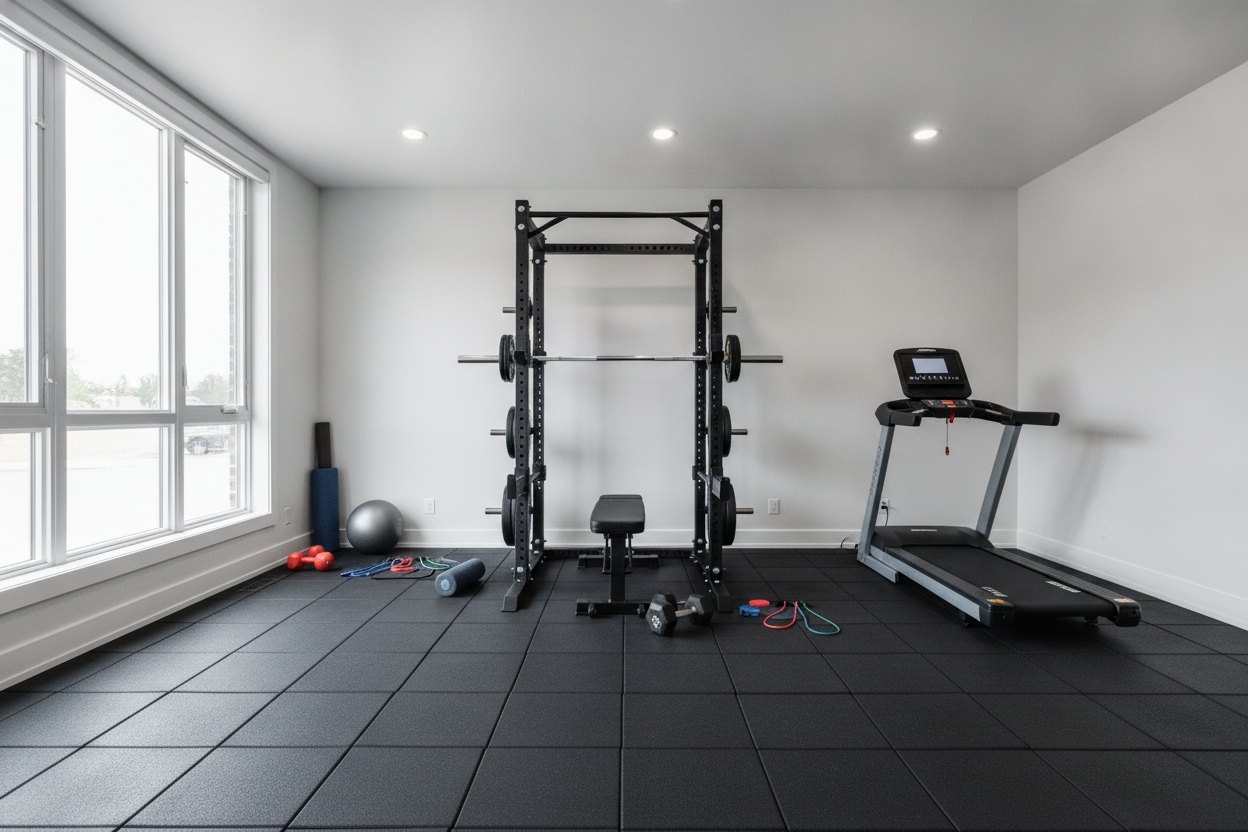
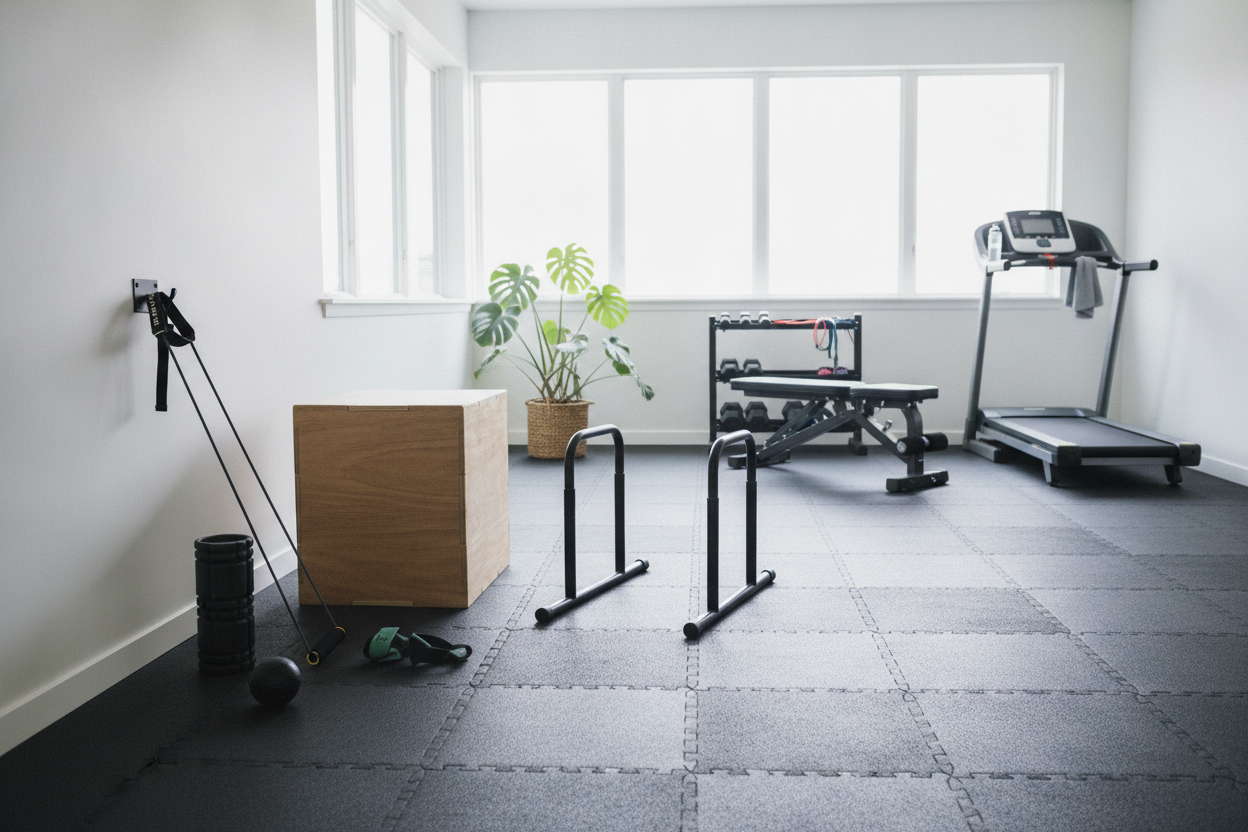
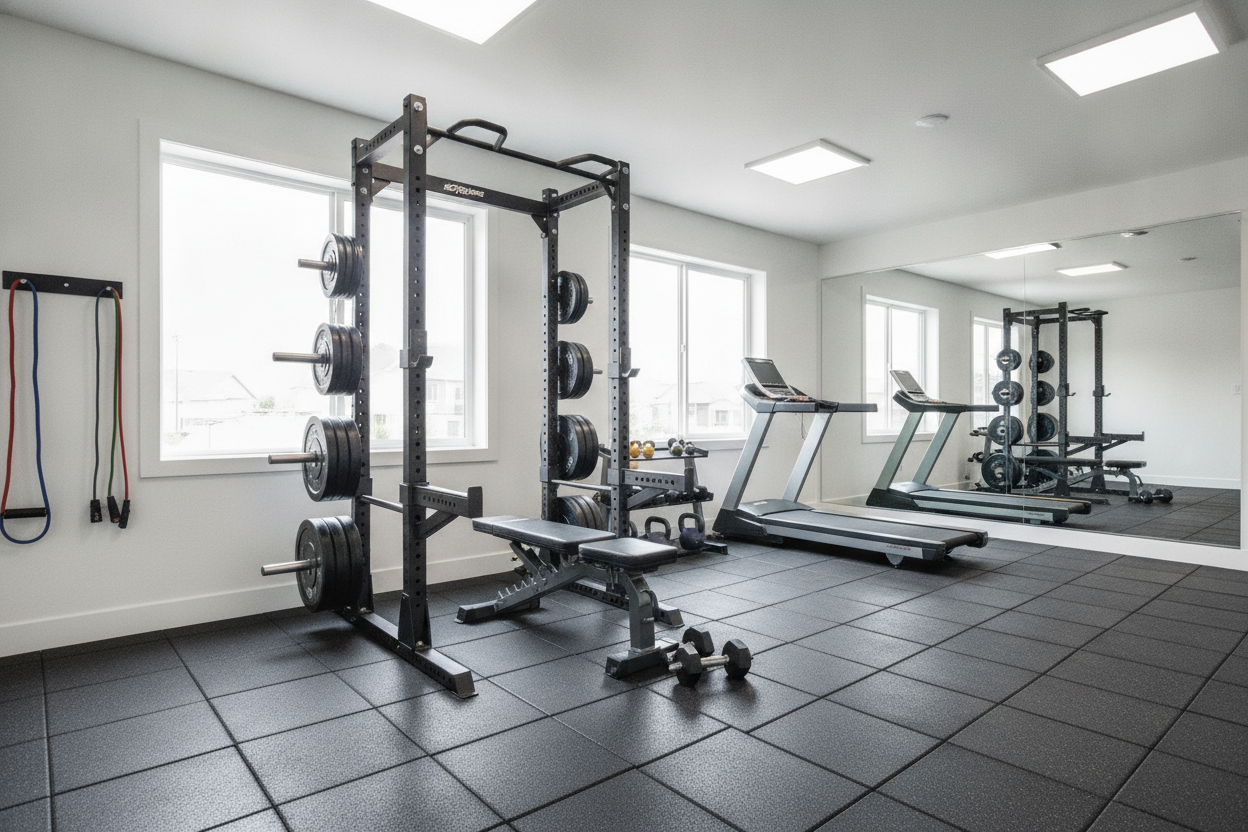
You cannot build a house on sand. I stopped squatting in squishy running shoes and started focusing on my contact with the floor. Whether you're pulling 405 or just starting with the bar, your base matters. I actually laid down a 6X8Ft Exercise Mat Yoga Mat Gym Flooring For Home Workout in my garage specifically to give me a high-density, non-slip surface that doesn't compress under a heavy barbell.
Starting with heavy back squats or front squats on a stable surface allows for maximum force transfer. If your floor is uneven or too soft, your stabilizer muscles fire prematurely, and you'll hit a ceiling on your strength gains way earlier than you should.
Step 2: Unilateral Work for Balance
After the heavy compounds, I moved into the 'misery' phase: Bulgarian split squats. This is where a great leg workout routine separates the lifters from the talkers. Unilateral work forces your core to work overtime and ensures your dominant leg isn't doing all the heavy lifting during your main sets.
I followed a protocol similar to The Jelly Legs Routine How To Crush Your Lower Body Workout to finish off the session. The goal here isn't just muscle growth; it's structural integrity. If you can't balance on one leg with a 50-lb dumbbell, you have no business trying to max out your back squat.
The Final Verdict: Is a Legs-First Approach Worth It?
After three months of this, my legs grew more than they had in the previous two years. My squat went up 45 pounds, mostly because I was actually fresh when I walked up to the bar. The downside? My Tuesday bench press suffered for the first month until my recovery caught up. I had to learn to manage my total weekly volume better.
If you are tired of having a physique that looks like an upside-down triangle, flip your split. Put the hard work first. If you need specific templates to get started, the Workout Hub has a few structures that won't leave you completely crippled by Wednesday.
FAQ
Will training legs on Monday ruin my cardio for the week?
It might for the first two weeks. Keep your cardio low-impact, like walking or light cycling, until your legs adjust to the new volume. Don't try to run a 5K the day after a heavy squat session.
Do I need a squat rack to make this work?
A rack is ideal for safety, but you can get a lot done with heavy kettlebells or dumbbells using goblet squats and lunges. The intensity matters more than the specific piece of iron.
How many days a week should I train legs?
Twice is the sweet spot for most home gym owners. One heavy day focused on squats and one 'lighter' day focused on hinges like deadlifts or RDLs. Any more than that and your recovery will likely tank.