The Only 3 Times Branded Exercise Equipment Actually Matters
I remember staring at my first garage setup five years ago. It was a mismatched collection of rusty plates and a bench that wobbled if I even thought about benching over 135. Like most people, I spent my nights scrolling through Amazon at 2 AM, trying to decide if I should drop three months' rent on a matching set from one of the big branded exercise equipment names or just buy the generic stuff and hope for the best. I wanted that 'pro' look—the black powder coat, the laser-cut logos, the prestige. But after thousands of reps and a few close calls with failing welds, I realized that while a logo looks great on Instagram, it only actually matters for three specific things.
Quick Takeaways
- Buy brands for anything that supports your body weight or moves on a bearing.
- Generic iron is just as heavy as branded iron—don't pay for a logo on a plate.
- Branded racks and bars hold their value; generic gear is a sunken cost.
- Foundation items like flooring should always be generic to save your budget.
The Instagram Trap of the Matching Gym
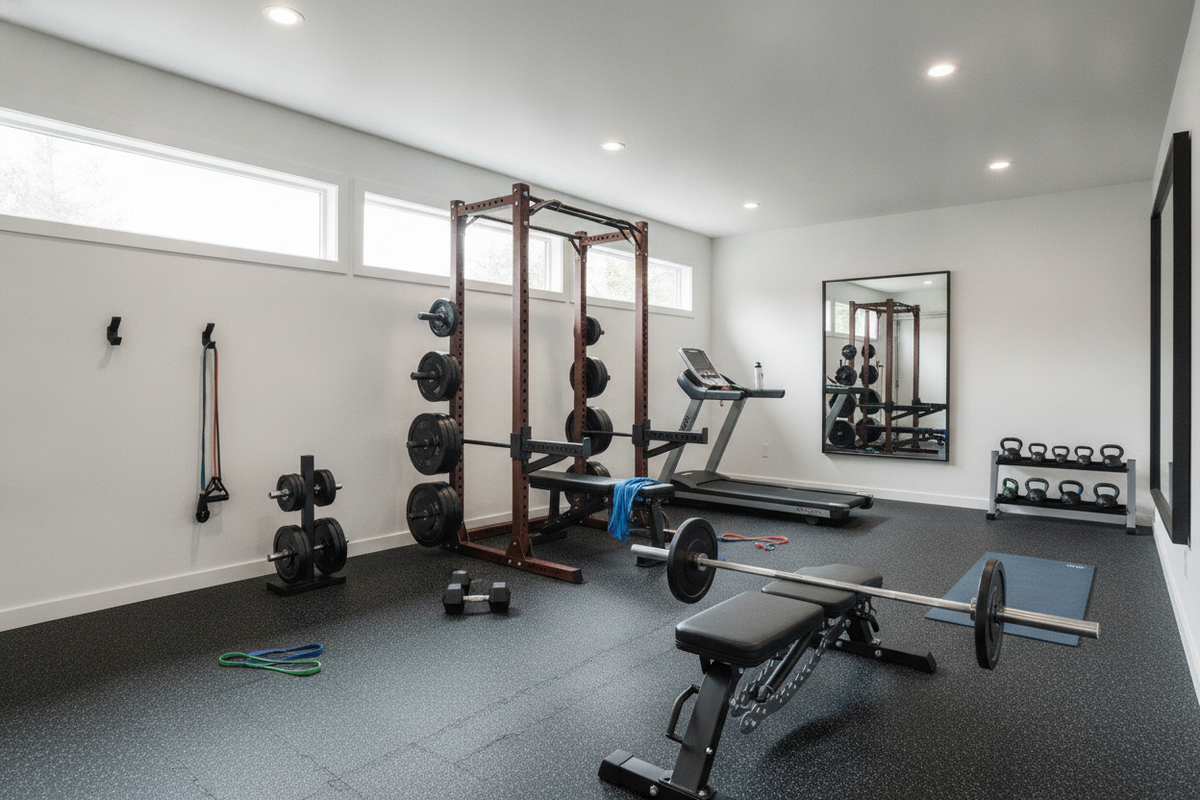
We’ve all seen those 'dream' home gyms on social media where every single kettlebell, rack attachment, and even the chalk bowl has the same logo. It looks clean, sure. But chasing top fitness equipment brands for every single accessory in your gym is the fastest way to drain your bank account without adding a single pound to your total. I’ve seen guys spend $100 on branded barbell collars that do the exact same thing as a $12 pair of plastic ones from a no-name supplier. When you are trying to buy gym gear for the first time, the temptation to match is real, but it’s a trap.
The truth is, your muscles don't know if the weight you're lifting has a famous logo or if it was poured in a nameless foundry. If you spend your entire budget on making things match, you’ll end up cutting corners on the pieces that actually impact your safety. I’ve been there—buying the fancy branded storage tree while settling for a cheap, narrow bench that felt like a balance beam. Prioritize the utility, not the aesthetic.
When You Must Pay for the Logo (The 'Don't Die' Rule)
There are certain pieces of gear where a failure isn't just an inconvenience; it’s a trip to the ER. This is where researching a guide to gym equipment brands becomes essential. If you are buying a power rack, a barbell, or a functional trainer, you are paying for engineering, weld quality, and liability insurance. A reputable fitness brand equipment company uses 11-gauge steel and 3x3 uprights that won't buckle under a 500-lb squat. They use Grade 8 hardware instead of the soft, zinc-plated bolts you find on budget imports.
Take barbells as an example. A high-end bar from one of the major weightlifting equipment brands will have a documented tensile strength (look for 190,000 PSI or higher) and sleeves that spin on actual bearings or high-quality bronze bushings. A generic bar might look the same, but the knurling will be passive, and the sleeves will eventually seize up, turning your cleans into a wrist-snapping nightmare. The same goes for weight machines brands. Complex cable systems rely on pulleys and aircraft-grade cables. If a pulley on a no-name machine snaps while you're doing heavy lat pulldowns, that handle is coming straight for your face. Pay for the brand here so you can sleep at night.
Where Generic Gear is Literally the Exact Same Thing
Now, let's talk about where the logo is a total scam. Cast iron plates are the biggest offender. A 45-lb plate made by a premium gym equipment brands company weighs the same as one from a local sporting goods store. Unless you are a competitive powerlifter who needs calibrated plates accurate to the gram, 'standard' iron is just iron. I’ve seen people pay a 50% markup just to have a specific name embossed on the side of a hunk of metal. It’s madness.
The same logic applies to dumbbells and flooring. Basic hex dumbbells are almost all made in the same few factories. Unless you're stepping up to urethane-coated pro-style bells, the generic ones are fine. And please, don't buy branded floor mats. You can get high-quality gym flooring for home workout setups that provides the same shock absorption and concrete protection as the stuff the pros use, without the 'fitness' markup. Save that cash for a better barbell.
The Secret Resale Value of Recognizable Names
One thing the 'buy generic' crowd forgets is the secondary market. Buying recognizable gym machine brands is actually like putting money into a savings account. If you buy a rack from a top-tier brand for $1,000, you can likely sell it on the used market for $700 or $800 two years later. People know the name, they trust the welds, and they’ll pay for it. It's a liquid asset.
On the flip side, if you buy a generic, no-name rack for $400, it depreciates to nearly zero the moment you open the box. No one wants to buy a used rack from a brand they can't Google. If you plan on upgrading your space in a few years, spending more upfront on weight machines brands with high name recognition actually saves you money in the long run. I’ve sold off old branded gear to fund new projects dozens of times, and it always moves within 48 hours.
How to Build a Hybrid Setup Without Getting Ripped Off
The smartest way to build a gym is the hybrid approach. Invest your 'real' money into the 'Anchor Pieces'—the rack, the bar, and the bench. These are the items that keep you safe and provide the best tactile experience during a workout. For everything else, go generic. You don't need branded weight horns, branded resistance bands, or branded change plates. You can often find incredible home gym equipment deals by looking for these secondary items from smaller suppliers who don't have the massive marketing budgets of the big players.
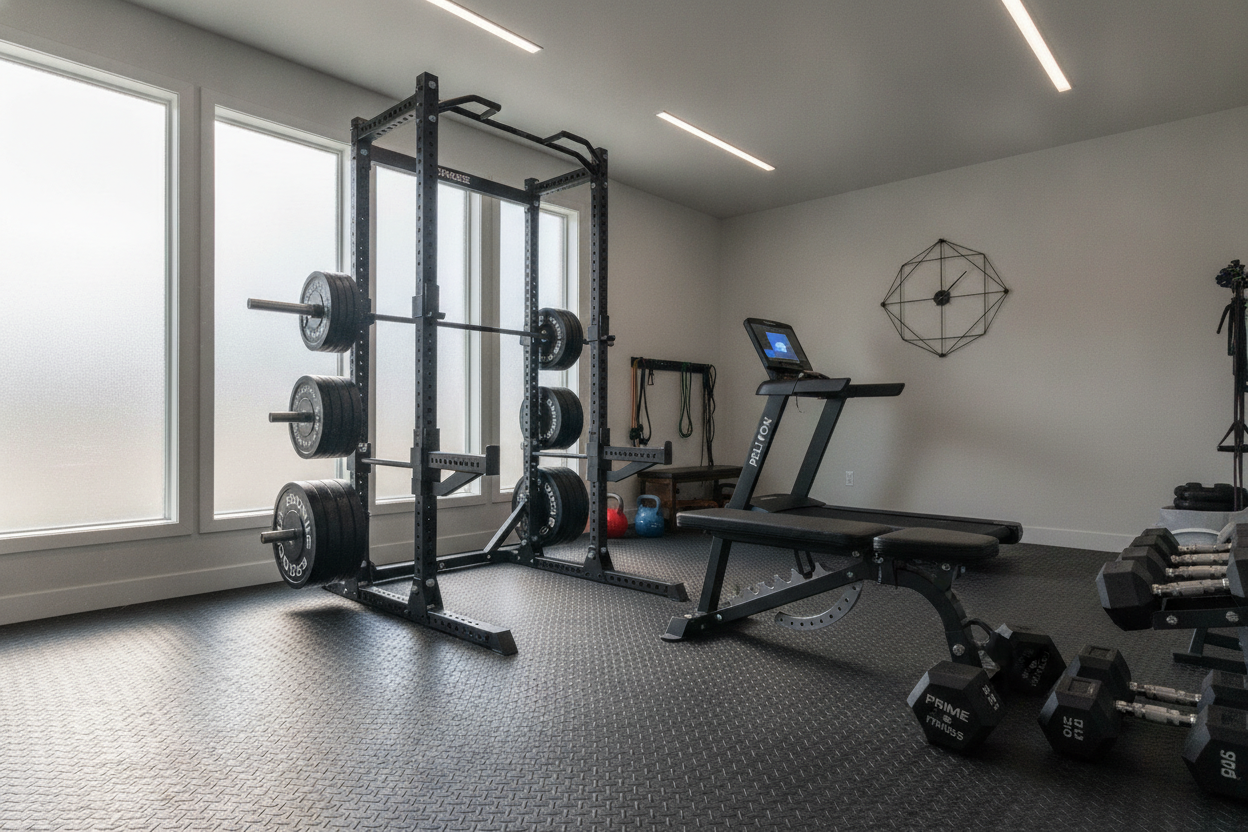
My current setup is a mix of a high-end power rack and a premium barbell, paired with 'no-name' iron plates I found on Craigslist and generic horse stall mats for flooring. It feels like a professional facility because the touchpoints—the things I actually hold and stand in—are high quality. The rest of the room is just there to support the work. That is how you build a world-class gym on a sensible budget.
Personal Experience: The $150 Lesson
Early in my lifting career, I bought a 'bargain' barbell from a big-box store. It was shiny, it was cheap, and it claimed to hold 700 lbs. Three months into a 5/3/1 program, I noticed the bar had a permanent slight bend after a set of deadlifts. A week later, the sleeve stopped spinning entirely. I was forced to buy a 'real' bar from a reputable brand anyway, meaning I wasted $150 on the first one. Don't be like me. Buy the quality bar once, and you’ll never have to buy it again.
FAQ
Is it worth buying branded bumper plates?
Only if you are doing Olympic lifts where you drop the bar from overhead. If you're just doing deadlifts and power cleans, generic crumb rubber bumpers are just as durable and much cheaper.
How can I tell if a no-name rack is safe?
Check the steel gauge and the hardware. You want 11-gauge steel (thicker) rather than 14-gauge (thinner). Also, look at the weight capacity; if it’s rated for less than 800 lbs, it’s probably too flimsy for serious progress.
Do branded dumbbells last longer?
Standard rubber hex dumbbells are very similar across brands. However, high-end urethane dumbbells from major brands are much more durable and won't smell like a tire fire, which is a common issue with cheap generic rubber.