Are Health and Fitness Equipment Centers Still Worth Visiting?
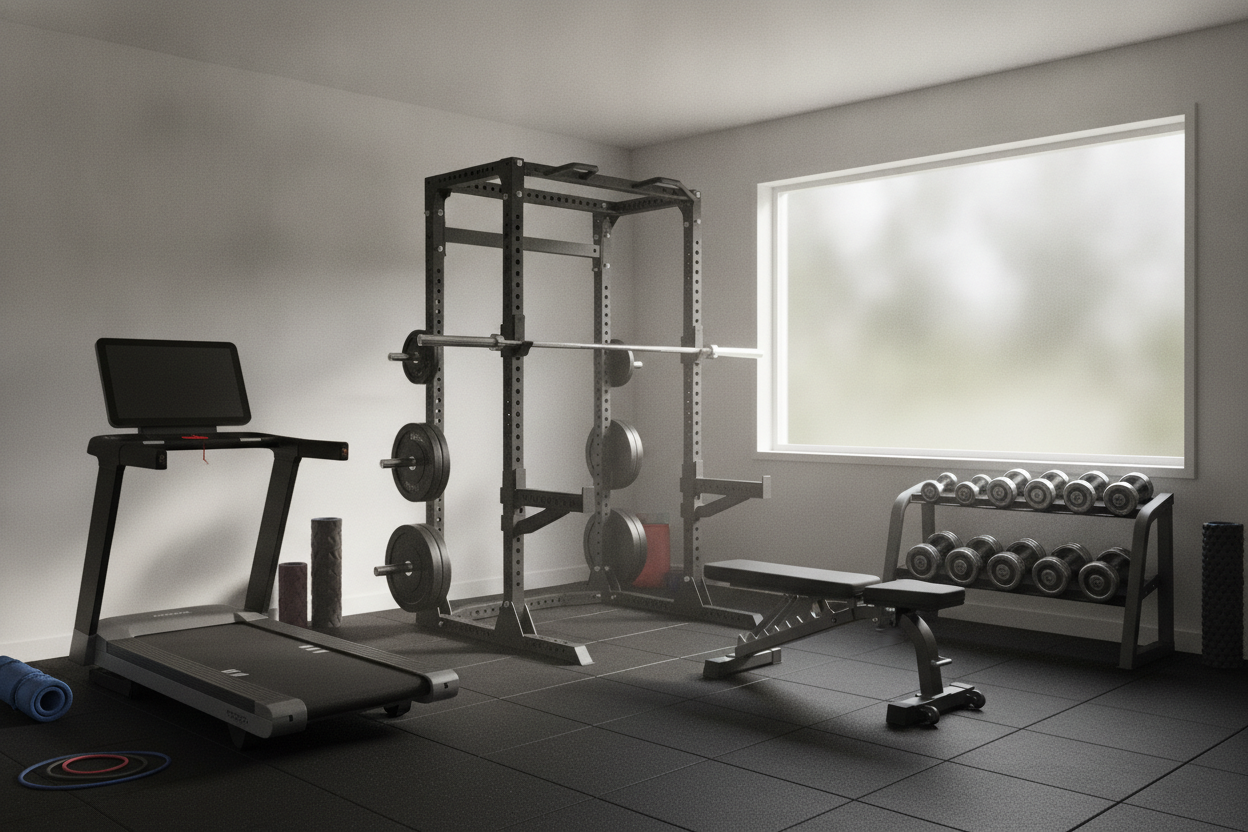
I recently dropped a significant chunk of change on a power rack that looked like a tank in the online photos. When it arrived, the 'heavy-duty' steel felt more like a soda can, and the safety bars rattled every time I breathed on them. That’s the problem with the modern 'add to cart' lifestyle—you’re buying a spec sheet, not a piece of gear. After that disaster, I decided to spend a weekend visiting local health and fitness equipment centers to see if the brick-and-mortar experience still had a pulse.
Quick Takeaways
- Test the bench height; 17 inches is the standard for a reason.
- Check the knurling on bars—online photos never show the real texture.
- Floor models are your best chance to skip the 'shipping tax.'
- Avoid the tech-heavy machines that require a monthly subscription.
Why I Bothered Walking Into a Brick-and-Mortar Store
Ordering gym gear blindly is a gamble. You can read a thousand reviews, but you can’t feel the grip of a barbell or the stability of a bench through a screen. I was tired of the 'unboxing regret' that comes when a 100-pound box arrives with missing hardware or subpar welds. I wanted to physically shake a rack before I trusted it with 400 pounds over my face.
Walking into a local health & fitness equipment center felt like a throwback, but it was necessary. I needed to see if the premium prices at these specialty shops actually translated to better hardware. Sometimes, you just need to know if a cable machine is smooth or if it feels like it’s filled with sand before you commit your entire Saturday to assembling it.
The Showroom Vibe Check: What to Expect When You Walk In
Most health & fitness equipment centers follow a specific script. You’ll walk in and find the $5,000 treadmills and ellipticals with massive touchscreens front and center. They want to sell you on the lifestyle and the software. However, if you’re looking for the only health and fitness equipment you actually need, you usually have to walk past the neon lights to the back of the store.
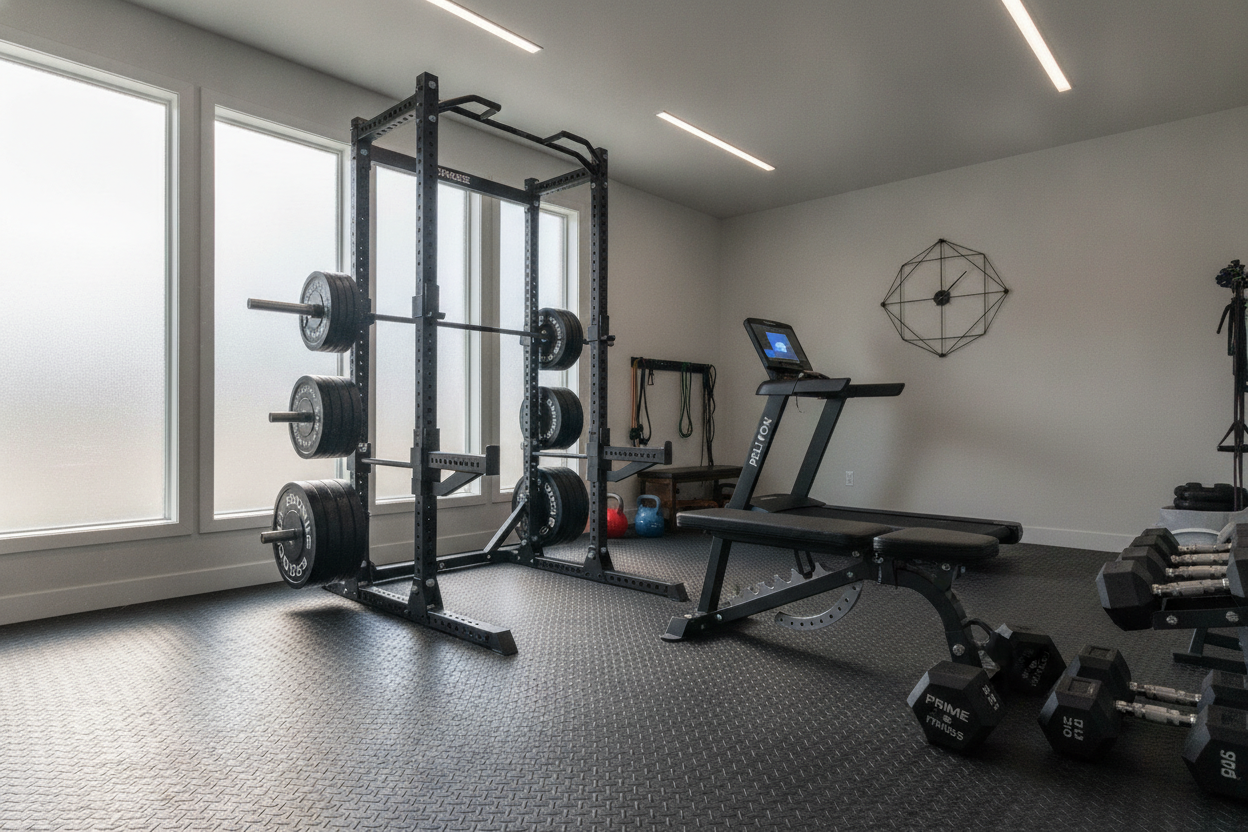
That’s where the real iron lives. The vibe is usually a mix of high-end retail and a dusty warehouse. Don't be distracted by the rows of shiny cardio machines. Head straight for the racks. If a store doesn't have at least one rack bolted down for you to test, they aren't serious about strength training.
Dodging the Aggressive Upsell
Salespeople at these centers are often working on commission. They’ll try to steer you toward a machine that tracks your heart rate and plays Netflix, but stay focused. Tell them you’re strictly looking for heavy-duty strength equipment. If they keep pushing the tech gadgets, start asking technical questions about steel gauge and pulley ratios. They usually back off once they realize you know your stuff.
Gear You Absolutely Must Buy in Person (And What to Ship)
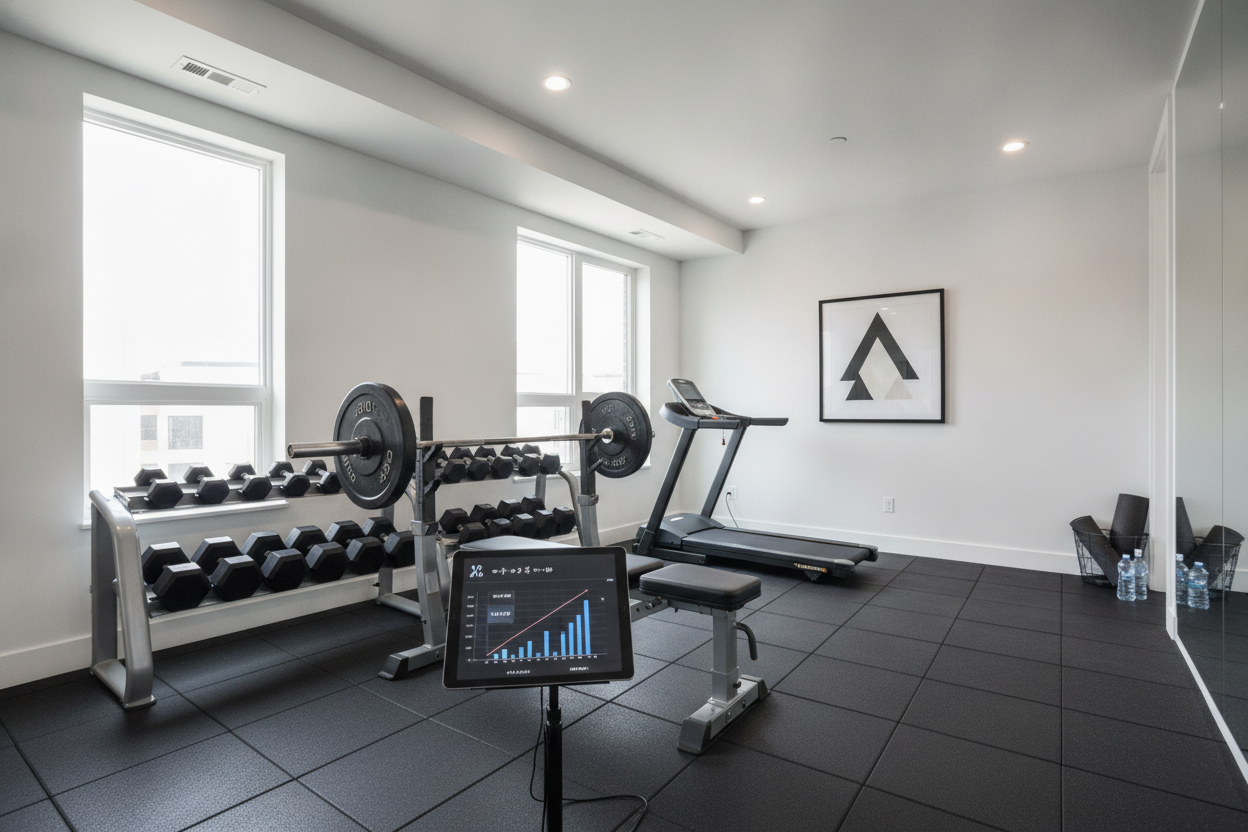
Some things don't need a test drive. Cast iron plates are cast iron plates; buy those wherever they are cheapest. But a bench? That’s personal. You need to know if the pad is too soft (which kills your power transfer) or too wide for your shoulders. I always recommend testing a reliable weight set and bench in person. Lay down on it. If it wobbles while you're just lying there, imagine what it will do with a heavy load.
Barbells are the other 'must-touch' item. A bar can have a 200k PSI tensile strength on paper, but if the knurling is so passive it feels like a pool cue, it’s useless for heavy pulls. Go to the showroom, put your hands on the steel, and check the spin on the sleeves. You can't fake a smooth needle bearing sleeve in a product description.
How to Actually Haggle for Floor Models
The best part about physical stores is the floor model. These pieces are already assembled, which saves you three hours of frustration, and they’ve likely been touched by fifty people. That’s leverage. Look for scuffs on the powder coating or dust in the corners. Point these out to the manager and ask for 15-20% off.
If the manager won't budge on the price for a display unit, you’re often better off walking away and looking for home gym equipment deals online. Sometimes the 'convenience' of a local store isn't worth a 30% markup. Always have a competitor’s price pulled up on your phone. If they want the sale, they’ll usually find a way to meet you in the middle.
The Verdict: Do We Still Need Physical Showrooms?
Is it more convenient to click a button and have a rack show up at your door? Sure. But after testing a few high-end racks in person, I realized that the tactile feedback is worth the drive. There is no substitute for grabbing a pull-up bar and seeing if the whole unit shifts under your weight. While I still buy my small accessories and plates online, the 'big' items—the stuff that keeps you safe—deserve a physical inspection. Being able to violently shake a power rack before you buy it is a luxury that the internet just can't provide.
FAQ
Should I bring my own lifting belt to the showroom?
Absolutely. If you're testing a rack or a bench, you should test it exactly how you train. Most stores won't mind if you do a couple of air squats or a light set to feel the ergonomics of the equipment.
Are 'commercial grade' labels at these centers legit?
Not always. 'Commercial grade' is a marketing term. Look for 11-gauge steel and 3x3-inch uprights. If the steel looks thin or the bolts are tiny, it’s a residential piece with a fancy label.
Do I have to pay for delivery if I buy from a center?
Usually, yes. However, if you have a truck, you can often take the floor model home that day and skip the $150 delivery fee. Just bring a friend; those racks are heavier than they look.