The Only Health and Fitness Equipment You Actually Need to Buy
Walking into a big-box health and fitness equipment retailer can feel like navigating a maze designed to confuse you. Between the Bluetooth-enabled kettlebells and the treadmills that cost more than a used car, it is easy to lose sight of what actually drives physical adaptation. You do not need a commercial gym setup in your garage to get results. You need the right tools applied with the right intensity.
Let’s cut through the marketing noise. Whether you are building a home gym or deciding what to focus on at your local club, the goal is utility, not novelty. Here is how to select gear that serves your physiology rather than just emptying your wallet.
Key Takeaways: The Essentials Checklist
If you are skimming for the absolute necessities, focus on these core categories before buying anything else:
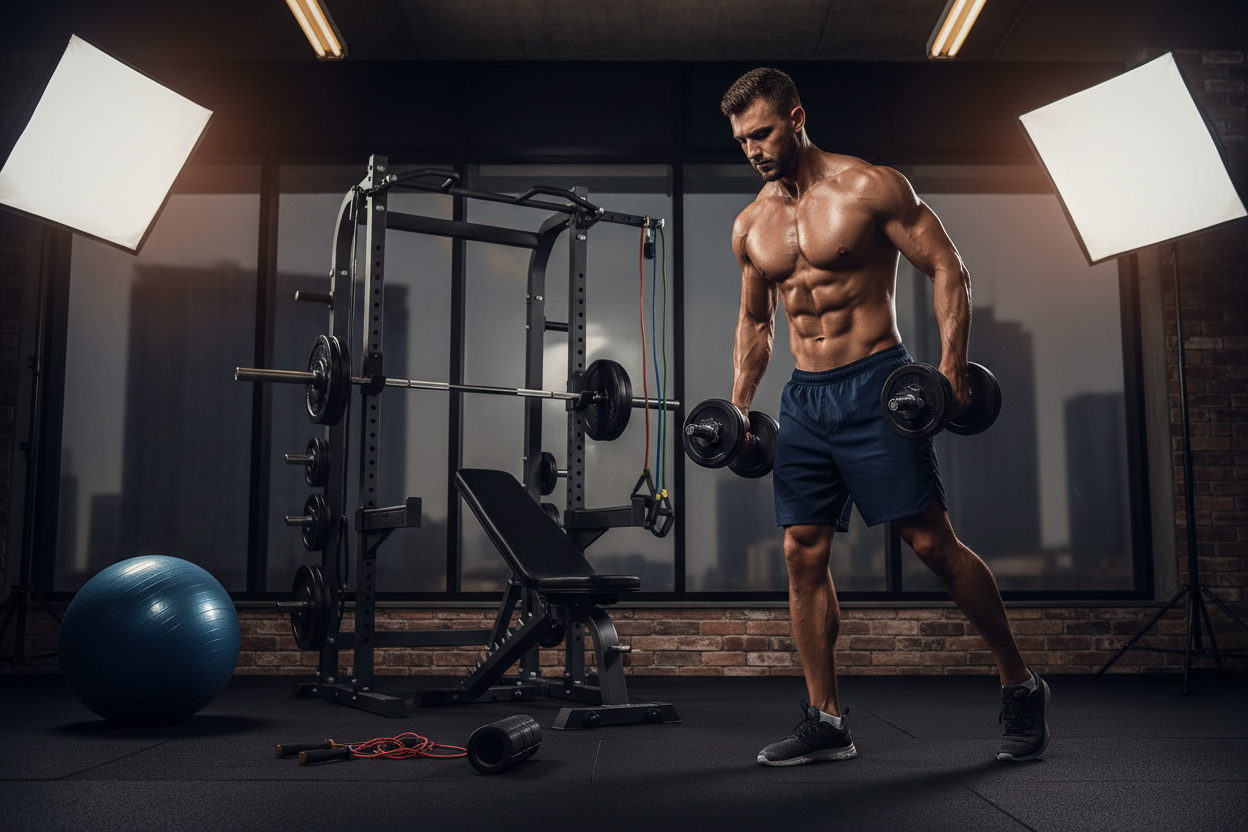
- Resistance Foundation: Adjustable dumbbells or a quality barbell set are non-negotiable for progressive overload.
- Stability Gear: A flat or adjustable bench provides the platform for pressing and rowing movements.
- Cardio Utility: Prioritize low-impact, high-output machines like air bikes or rowers over standard treadmills.
- Recovery Tools: Foam rollers and resistance bands offer the highest return on investment for mobility.
- Flooring: Never underestimate the importance of thick rubber mats to protect your joints and your floor.
Defining Your Training Philosophy First
Before you ever step foot in a health and fitness shop, you must define your training style. Equipment is merely a means to an end. If your goal is hypertrophy (muscle growth), a $2,000 treadmill is a poor allocation of resources. Conversely, if you are training for a marathon, a power rack might become an expensive coat hanger.
The biggest mistake I see is buying equipment based on what looks cool on social media rather than what matches your current programming. Ask yourself: Will this piece of gear allow me to mimic natural human movement patterns (push, pull, hinge, squat, carry)? If the answer is no, skip it.
The Strength Sector: Iron Never Lies
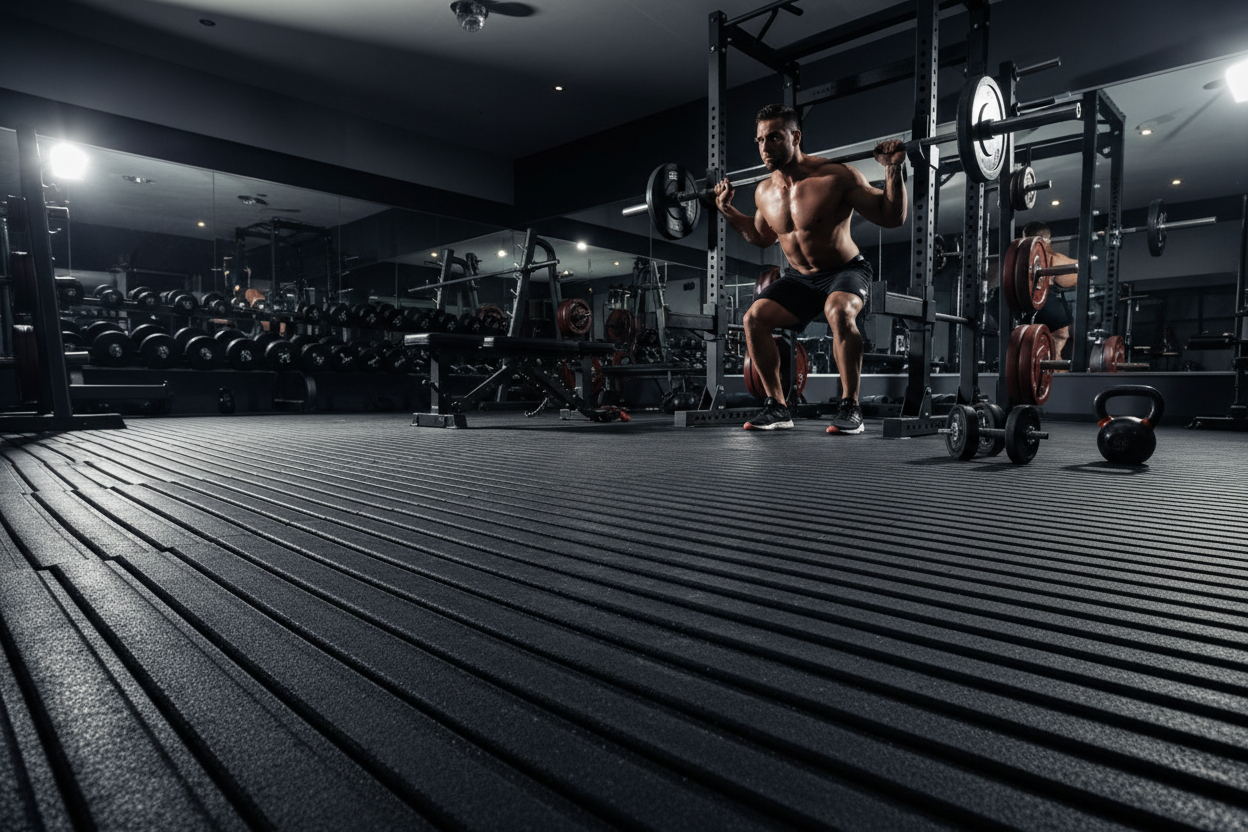
When browsing health fitness equipment, start with gravity. Free weights remain superior to machines for general population fitness because they require you to stabilize the load. This recruits more muscle fibers and improves proprioception (your body's awareness in space).
Dumbbells vs. Kettlebells
For most people, dumbbells are the versatile king. They allow for unilateral training, which fixes muscle imbalances. However, do not sleep on kettlebells. Because the center of mass is offset from the handle, kettlebells force your core to work harder to maintain stability. A simple kettlebell swing creates a posterior chain stimulus that is hard to replicate with other tools.
The Cardio Trap
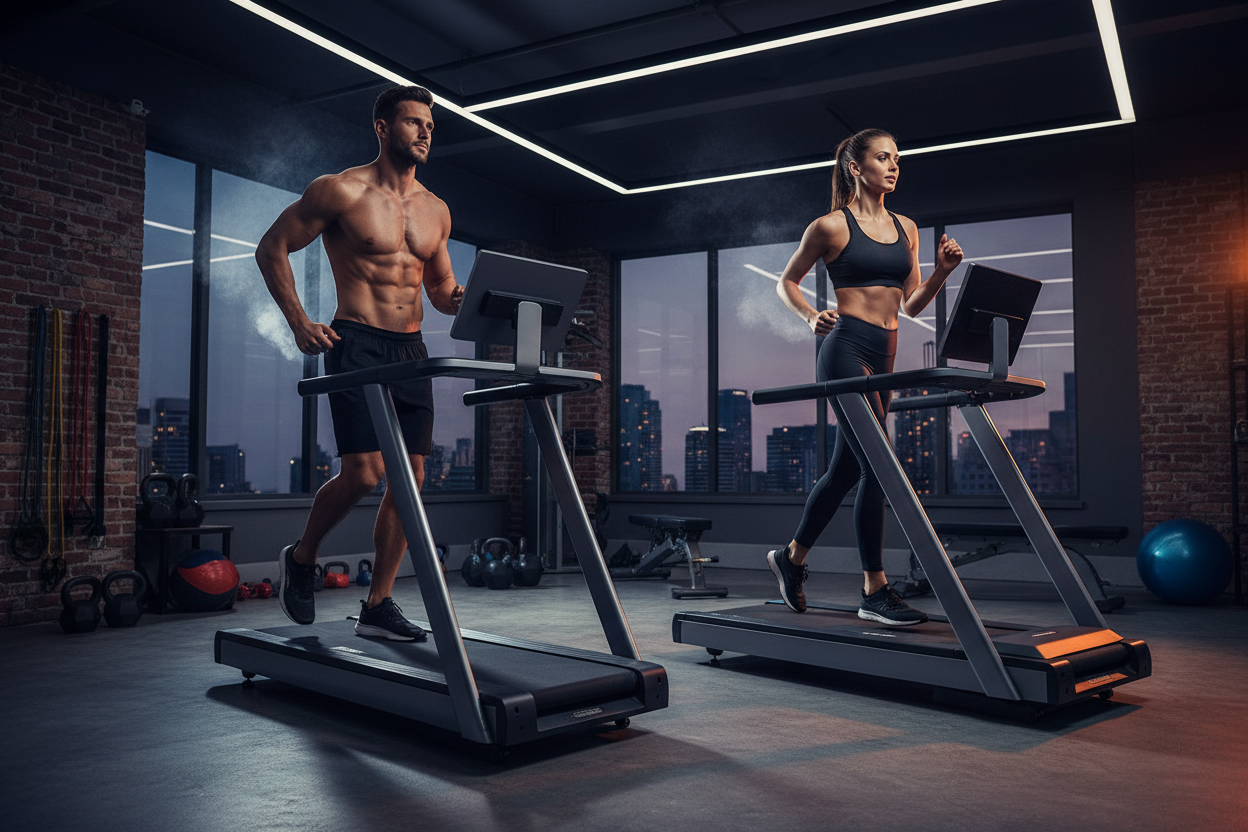
Many people head to a health and fitness store and immediately gravitate toward the cardio section. While cardiovascular health is vital, traditional machines often encourage poor mechanics.
Standard treadmills can alter your gait if the belt is too short or the motor lags. If you must buy cardio gear, look for "ergometers" like rowing machines or assault bikes. These machines respond to your output—the harder you work, the higher the resistance. They are self-limiting and brutally effective for conditioning, unlike a motorized belt that does the work for you.
My Personal Experience with Health and Fitness Equipment
I have spent years training in everything from high-end athletic complexes to gritty garage gyms, and I have learned some expensive lessons. A few years ago, I bought a set of "selectorized" adjustable dumbbells to save space. On paper, they were perfect.
In reality? They were a nightmare. Every time I went for a heavy chest press, the internal mechanism would rattle near my ear, throwing off my focus. The grip was too thick and plastic-feeling, making my forearms give out before my chest did. But the worst part was the shape—they were so boxy I couldn't get a full range of motion on curls without the plates hitting my wrists.
I eventually sold them at a loss and bought old-school iron hex dumbbells. The difference was immediate. The iron felt stable. The knurling dug into my hands just enough to feel secure without tearing my skin. Sometimes, the "high-tech" solution is just a distraction. Give me cold iron that doesn't rattle any day of the week.
Conclusion
Building a physique or improving your health doesn't require a warehouse full of machinery. It requires smart selection. Whether you are browsing an online health and fitness shop or scanning Craigslist, prioritize durability and biomechanics over flashiness. Start small, master the tools you have, and earn the right to upgrade.
Frequently Asked Questions
What is the first piece of equipment I should buy for a home gym?
For most people, a pair of adjustable dumbbells or a high-quality kettlebell offers the most versatility. They take up minimal space and allow you to perform full-body workouts including squats, presses, and rows.
Is expensive health and fitness equipment worth the money?
It depends on the category. For moving parts (like treadmills or adjustable benches), cheap gear is dangerous and prone to breaking. However, for static items like cast iron weights or medicine balls, the budget options usually perform just as well as the premium brands.
Can I build muscle with just resistance bands?
Yes, but with limitations. Bands provide "variable resistance," meaning the exercise gets harder as the band stretches. While great for hypertrophy and joint health, they make it difficult to measure progressive overload compared to static weights.