The Only 3 Rules That Matter for a Senior Lifting Weights at Home
I’ve watched too many people get handed a pair of pink, 2-pound plastic dumbbells like they’re made of glass. It’s patronizing, and frankly, it’s ineffective. If you are a senior lifting weights, you aren’t just trying to 'stay active'—you’re in a race against time to preserve your independence and your skeleton.
The fitness industry treats aging like a slow decline into fragility, but my experience testing everything from 11-gauge steel power racks to cheap resistance bands tells a different story. You can get remarkably strong after 60, but you have to stop playing it safe with movements that have the resistance of a wet noodle. I’ve seen 70-year-olds deadlift 135 pounds with better form than college kids. It starts with the right mindset and the right gear.
Quick Takeaways
- Walking is a cardiovascular tool, not a bone-density builder.
- Mechanical tension is the only way to trigger bone growth and prevent osteoporosis.
- Stability is your insurance policy; ditch the balance boards for a solid floor.
- Progressive overload is non-negotiable—if it doesn’t feel heavy, it isn’t working.
Why Light Cardio Fails the Bone Density Test
Walking is fantastic for your heart and your head, but it does almost nothing for your hips and spine once you've hit a certain age. To stop osteoporosis in its tracks, your bones need to feel a 'threat.' They need to be compressed and pulled by muscle. This is where strength training for women over 60 becomes a medical necessity rather than a hobby.
For strength training for middle aged women, the transition from 'toning' to 'loading' is the most important shift you'll ever make. If the weight you’re using is so light you can do 50 reps without breaking a sweat, you aren’t building bone; you’re just moving your arms. Older women strength training should focus on the 8-12 rep range where the last two reps are actually difficult to finish. That struggle is where the bone density is built.
I’ve tested countless 'senior-friendly' programs that focus exclusively on seated air-squats. While they have a place for rehab, they won't build the 'bone armor' needed to survive a trip or a fall. You need gravity on your side, and you need a load that makes your muscles work hard enough to pull on the bone.
The Real Goal of Weight Lifting for Senior Women (Building Bone Armor)
When we talk about older women lifting weights, we are talking about Wolff’s Law. This law states that bone grows in response to the loads placed upon it. If you don't load it, your body decides it doesn't need to spend the energy maintaining that bone density. This is why older woman weight lifting is the most effective anti-aging 'drug' on the market.
The goal isn't to become a bodybuilder; it's to create a resilient chassis. Weight lifting for senior women should prioritize movements that load the spine and the hips—think goblet squats, deadlift variations, and overhead presses. These movements force the body to thicken the bone matrix. When I test home gym equipment, I’m looking for tools that allow for this kind of loading without being overly complex.
You don't need a 500-pound barbell set. A pair of adjustable dumbbells or a few high-quality kettlebells can provide enough mechanical tension to keep your skeleton dense. The key is consistency. You are essentially 'tricking' your body into staying young by proving to it, twice a week, that it still needs to carry heavy things.
Rule 1: Stability Before Everything Else
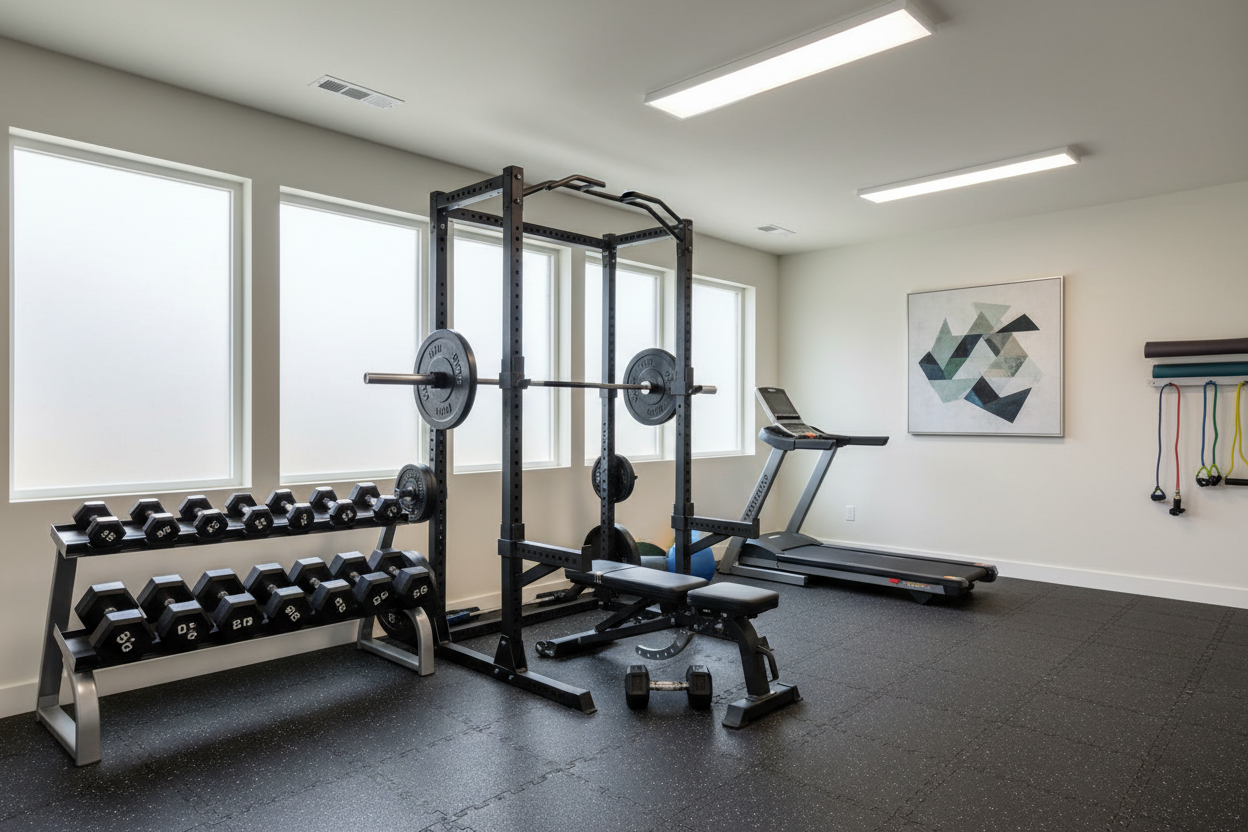
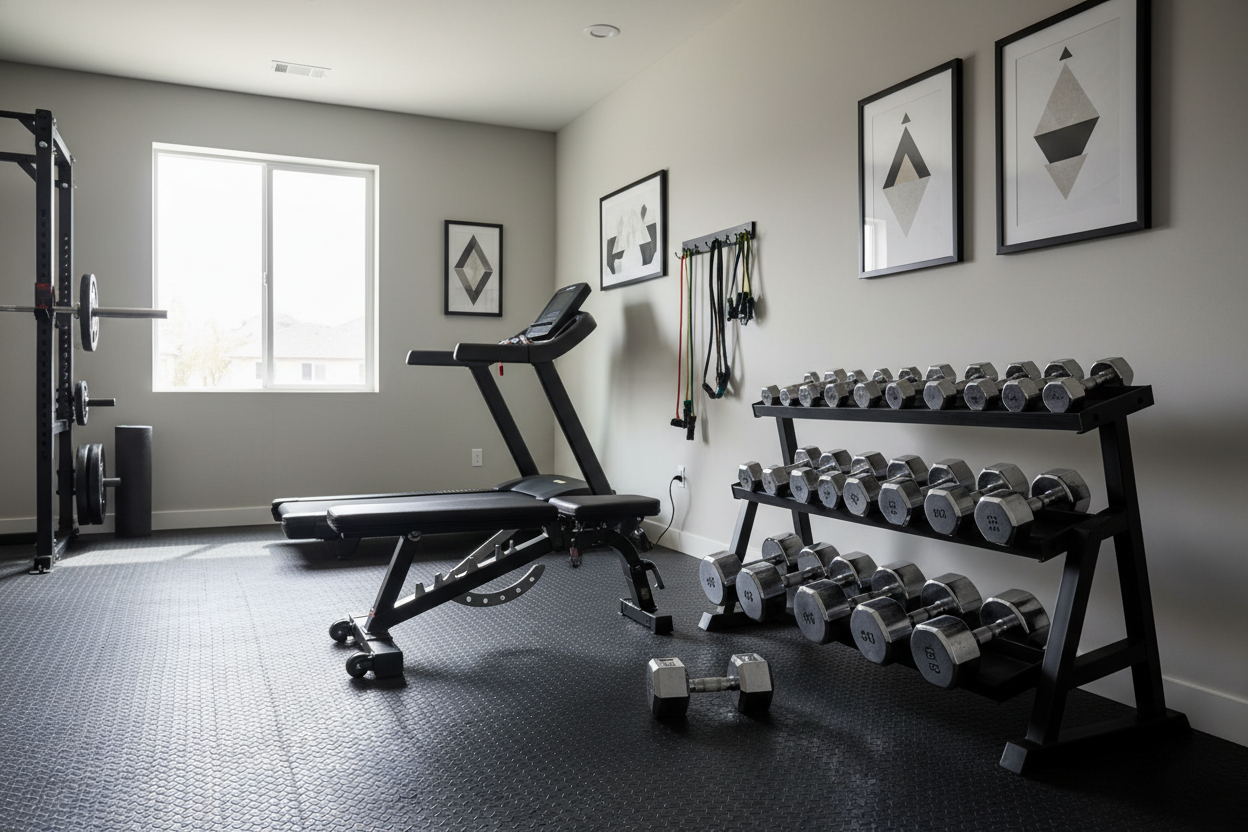
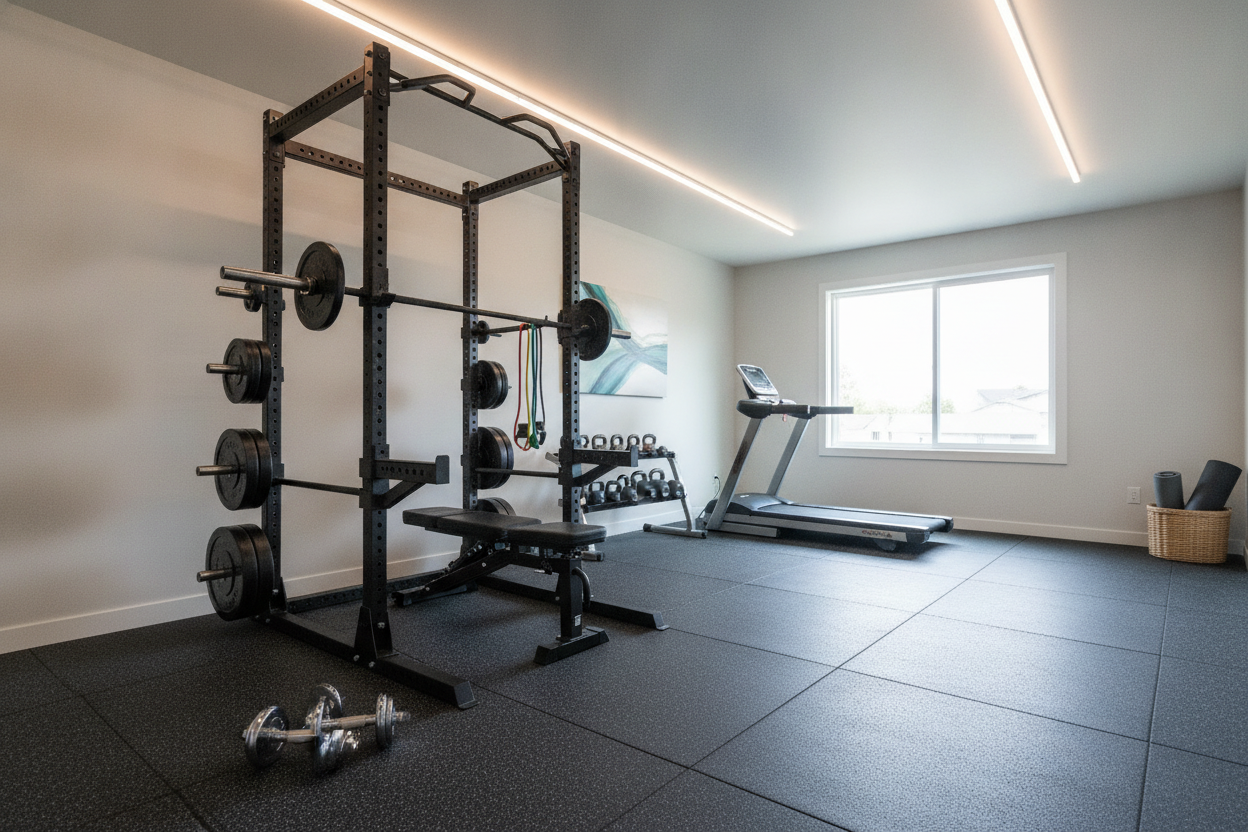
Social media loves to show seniors standing on one leg on a foam pad while lifting 1-pound weights. That is a recipe for a broken hip. If you are weight training for senior women, your first priority is a rock-solid base. You cannot produce force if you are wobbling. You need your feet flat on a non-slip surface and, ideally, a solid adjustable weight bench to support your spine during presses and rows.
A good bench isn't just for chest presses. It’s a tool for seated shoulder presses, supported rows, and even step-ups. When I’m reviewing benches, I look for a wide footprint and zero wobble. If the bench shakes when you sit on it, it’s trash. For a senior lifting weights at home, that stability allows you to focus 100% of your effort on the muscle you're working rather than worrying about your balance.
Don't fall for the 'functional training' trap that prioritizes instability. Real functional training is being able to carry your own groceries or lift a grandchild. You build that capacity by lifting on stable ground where you can safely push your limits.
Rule 2: Don't Fear the Heavy Dumbbells
Progressive overload sounds like a term for athletes, but it’s the secret sauce for strength training for older women. It simply means doing a little more over time. If you started with 5-pound dumbbells in January, you shouldn't still be using them in June. Your body has adapted; you need to give it a new reason to stay strong.
I often see strength training for women over 65 stall because of grip strength. Your legs and back might be able to handle 25 pounds, but your hands give out at 15. This is where strength training accessories like lifting straps or even simple wrist wraps can be a lifesaver. They allow you to hold onto the weight long enough for your larger muscles to actually get a workout.
Graduating to 'heavy' weights (which is relative to you) is where the magic happens. When you move from a 10-pound dumbbell to a 20-pounder, you aren't just doubling the weight—you're doubling the signal to your brain to keep your muscles and bones intact. Don't be afraid to break a sweat. If your heart rate is up and your muscles are warm, you’re doing it right.
Rule 3: Use Machines When Free Weights Feel Sketchy
Free weights are great for building stabilizer muscles, but there is no shame in using weight lifting machines if you have joint pain or mobility issues. In fact, for many lifting weights for older women, a cable machine or a functional trainer is the safest way to reach high intensity without the risk of dropping a weight.
Machines provide a guided path of motion. If you have a 'cranky' shoulder or a bad knee, a machine allows you to isolate the muscle without stressing the joint in a weird angle. I’ve found that weight lifting for senior women often becomes more consistent when they have access to a cable tower, as it feels 'smoother' on the connective tissue than clunky iron plates.
If you’re building a home gym, a simple lat pulldown or a seated row machine can be the centerpiece of your routine. It allows you to work the big muscles of the back—crucial for posture—without having to bend over and stress the lower back like you would with a barbell row.
How to Start Loading Real Weight This Week
Stop waiting for the 'perfect' time. Your bones are losing density every day you aren't loading them. Start by auditing your current gear. If you only have those light plastic weights, it’s time to upgrade. Focus on strength training for older women by picking three 'big' movements: a squat, a push, and a pull.
Treat your home workout like a serious athletic endeavor. Clear a space, put on some shoes with good grip, and keep a log of your weights. When you’re choosing the best strength and weight training equipment for your home, prioritize quality over quantity. You don't need twenty machines; you need three or four high-quality tools that you aren't afraid to use.
The goal is independence. Every pound you add to your squat is a deposit into your 'freedom fund.' It’s the difference between needing help to get out of a car and doing it yourself with ease. Get started, stay stable, and don't be afraid to get a little heavy.
Personal Experience: My Wake-Up Call
A few years ago, I started training my mother in my garage. I was terrified of her getting hurt, so I started her with light bands. After a month, she looked at me and said, 'This is too easy. I feel like I'm doing nothing.' I realized I was the one holding her back with my own fear. We moved to a 20-pound kettlebell for squats, and within weeks, her chronic hip pain—something she’d had for a decade—simply vanished. The mistake I made was underestimating her. Don't underestimate yourself.
FAQ
How many days a week should a senior lift weights?
Two to three days is the sweet spot. Your body needs more recovery time as you age, so avoid lifting heavy every single day. Give your muscles and nervous system at least 48 hours to rebuild between sessions.
Is it too late to start lifting at 70?
Never. Studies have shown that even people in their 90s can increase muscle mass and bone density through resistance training. The key is starting at your current baseline and progressing slowly but surely.
Should I do cardio or weights first?
Always do your weights first. You want your energy and focus to be at 100% when you are handling heavy loads. Use cardio as a cool-down or do it on your off-days to keep the heart healthy without fatiguing your lifting sessions.