Why Your Introduction to Weight Lifting Should Happen at Home
I still remember the first time I walked into a big-box commercial gym. I was twenty pounds underweight, holding a printed-out PDF of a workout I barely understood, and felt like every guy benching three plates was staring at my chicken legs. It sucked. That introduction to weight lifting shouldn't feel like a hazing ritual, but in a public gym, it usually does. You spend half your time waiting for a rack and the other half wondering if your squat looks as weird as it feels.
Why the Commercial Gym is a Terrible Classroom
The biggest hurdle for anyone during their first time weight lifting isn't the weight itself; it's the environment. Commercial gyms are designed for throughput, not education. You’re fighting for floor space, dealing with broken cables, and feeling the subtle pressure to move faster because someone is hovering near your bench. When you're trying to figure out where your feet should go during a deadlift, the last thing you need is a 'gymbro' asking how many sets you have left.
At home, the ego disappears. You can spend twenty minutes practicing a hip hinge with a broomstick in front of a mirror without feeling like a weirdo. You control the music, the temperature, and most importantly, the pace. An intro to weight training requires focus, and focus is the first thing to go when you're worried about 'gymtimidation.' Learning the mechanics of a barbell in your garage allows you to fail safely and quietly, which is how you actually get better.
- Zero travel time means you actually stick to the schedule.
- No waiting for equipment allows for better heart rate management.
- Personal space lets you record your sets to check form without embarrassment.
- You buy the gear once and own your progress forever.
What a Real Introduction to Weight Lifting Looks Like
Forget the fancy machines with the confusing pulleys. A solid intro to weight lifting is about mastering four basic human movements: the push, the pull, the hinge, and the squat. If you can do those four things well, you’ve won. Most people overcomplicate this by trying to mimic bodybuilders they see on Instagram, switching exercises every week. That’s a mistake. I Stuck to a Basic Weight Lifting Routine for a Year (Here's Why), and the results were far better than when I was constantly 'confusing' my muscles.
When you start, your brain is learning how to fire neurons to move your limbs correctly. This is called neurological adaptation. If you keep changing the movements, your brain never gets efficient. Stick to the basics. An introduction to weight training should involve high-frequency practice with low-to-moderate weight. You want to grease the groove. Think of it like learning to drive; you don't start on a racetrack. You stay in the parking lot until the pedals feel like an extension of your feet.
You Only Need a Few Basic Tools to Start
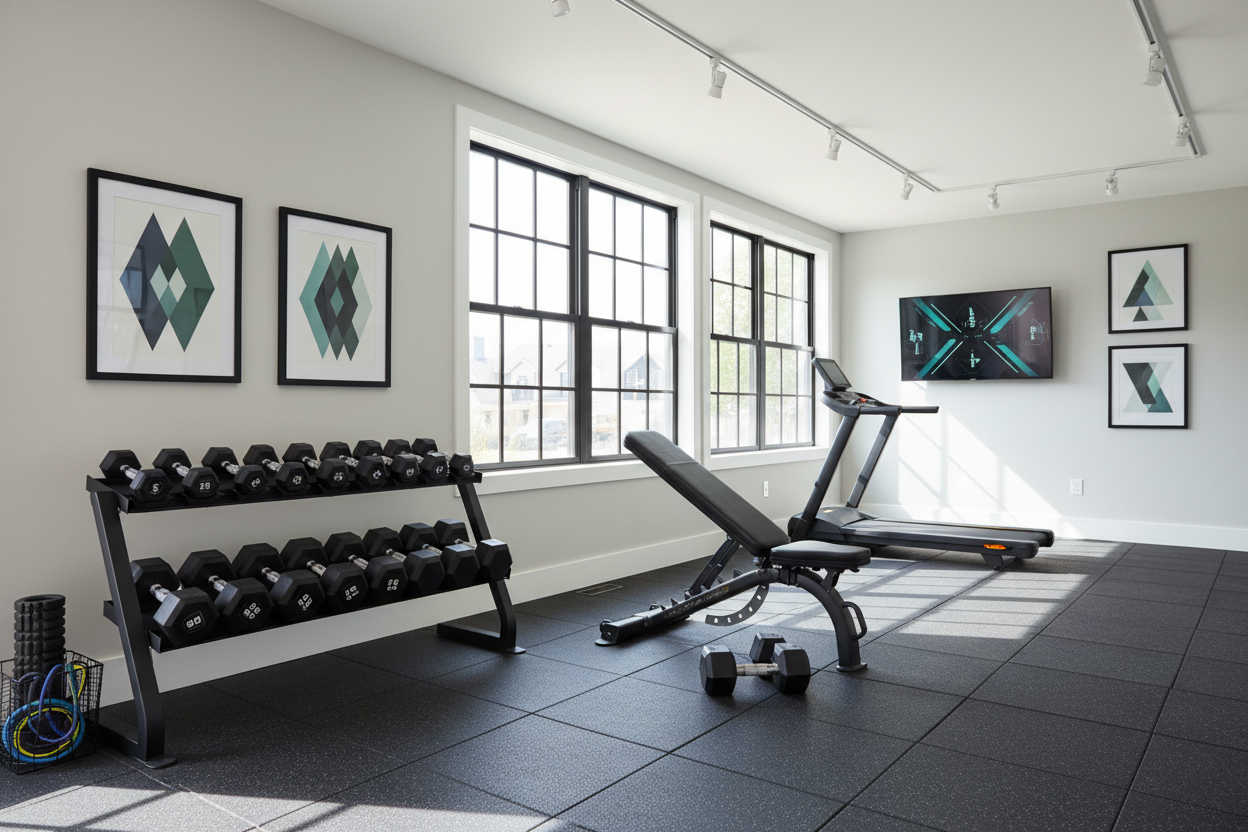
You don't need a $5,000 setup to learn how to start a weightlifting routine. You need a flat surface, some resistance, and a place to sit or lie down. I always tell people to start with a solid foundation. A cheap, wobbly bench from a big-box store will make you feel unstable and kill your confidence. I recommend the Gxmmat Adjustable Weight Bench because it handles up to 600 lbs and doesn't rock when you're trying to press. It’s the centerpiece of a small space.
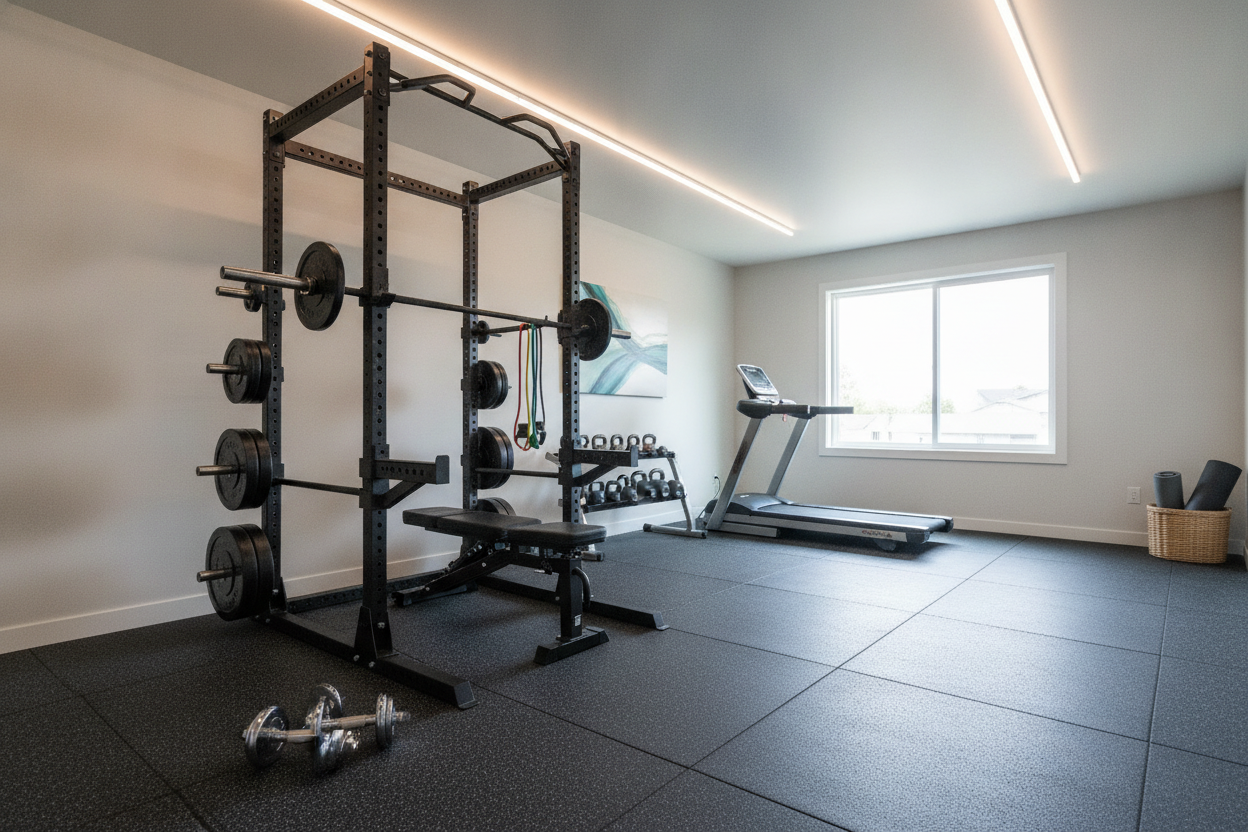
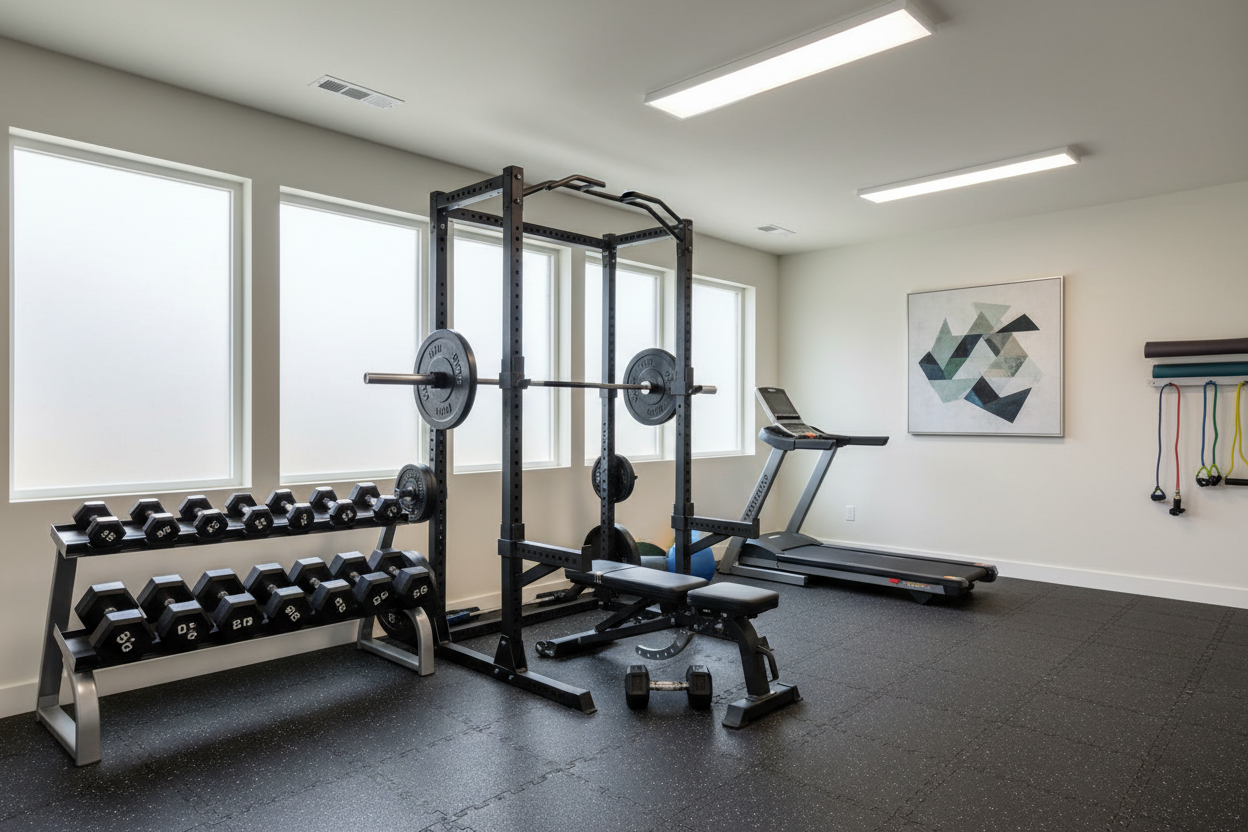
If you have a bit more room—say, an 8x8 foot corner of the garage—go for a package deal. The Gxmmat X6 Power Rack Weight Bench Package is a smart move for beginners because it grows with you. It includes the rack for safety (crucial when training alone) and the bench. You're getting 14-gauge steel that won't feel like a toy. Buy it once, cry once, and you’ll never have to pay a monthly membership again.
How to Start a Weightlifting Routine Without Burning Out
The biggest mistake novices make is going 100% intensity on day one. They wake up on day two so sore they can't sit on the toilet, and they quit by day ten. To avoid this, your first two weeks should feel 'easy.' You should leave the workout feeling like you could have done two more sets. This builds the habit without the physical trauma. Consistency is the secret sauce to any intro to weight lifting.
Start with three days a week. Monday, Wednesday, Friday. Focus on full-body movements. Squat one day, hinge the next. Don't worry about 'arm days' or 'calf raises' yet. Those are the trimmings; right now, we’re building the steak. If you stay consistent for 90 days, you’ve already outlasted 80% of the people who signed up for a commercial gym in January. The goal is to make the movement feel natural, not to see how much weight you can move before your form breaks down.
What to Do When Things Feel Awkward (Because They Will)
Lifting weights for the first time feels like trying to write with your non-dominant hand. It’s clunky. Your knees might wobble during a squat, or your bar path might look like a lightning bolt during a bench press. This is normal. The key is distinguishing between 'good' discomfort (muscle fatigue) and 'bad' discomfort (sharp joint pain). If your muscles burn, keep going. If your joints ache, stop and check your form.
Shoulder discomfort is a common complaint for beginners who jump into pressing too fast. If you find your front delts screaming, you might need to adjust your elbow tuck or grip width. For a deeper dive, check out How to Fix Your weight lifting exercises upper body When Shoulders Ache. Usually, it's a simple fix, but ignore it and you'll be sidelined for a month. Listen to your body, film your sets, and don't be afraid to strip the weight back to the bar to get the movement right.
Personal Experience: My 'Ego' Era
Years ago, I bought the cheapest barbell I could find on Craigslist. It was a chrome-plated piece of junk with no knurling. I tried to load it up for a heavy set of rows, the bar bent, and I nearly took out my shins. I learned the hard way that quality matters, but more importantly, I learned that I was trying to lift for the 'idea' of being strong rather than actually building strength. I went back to the basics, bought a decent rack, and spent six months just perfecting my squat depth. My progress exploded once I stopped trying to impress people who weren't even watching.
Weight Lifting FAQ
Do I need a barbell right away?
Not necessarily. You can learn the basic patterns with dumbbells or even heavy kettlebells. However, a barbell is the gold standard for progressive overload because you can add weight in tiny increments.
How much space do I really need?
A standard barbell is 7 feet long. You need about 8-10 feet of width to comfortably load plates and about 6 feet of depth. A single car garage stall is plenty for a world-class setup.
Is it safe to lift alone at home?
Yes, provided you use a power rack with safety spotter arms. These catch the bar if you fail a rep, so you never have to worry about getting pinned. Never max out on bench press without safeties or a spotter.