The 'Old Man Strength' Guide to Strength Building Workouts
I have watched guys in their 50s walk up to a 400-lb barbell and move it with the casual indifference of someone picking up a bag of groceries. Meanwhile, the 20-something in the stringer tank top is grunting through cable crossovers and wondering why his 'functional' fitness doesn't translate to real-world power. I spent a decade chasing a pump before I realized I was just making myself puffy, not powerful. Real power comes from specific strength building workouts that prioritize density over fluff.
Quick Takeaways
- Focus on low-rep ranges (1-5) to build neurological efficiency.
- Prioritize compound barbell movements over isolation machines.
- Rest periods must be long enough for full ATP recovery (3-5 minutes).
- Invest in high-tensile strength barbells and stable racks.
What Actually Is 'Old Man Strength'?
Old man strength is a real physiological phenomenon, but it has nothing to do with magic. It is the byproduct of decades of bearing heavy loads, which creates dense muscle tissue and incredible tendon stiffness. While the gym bro is building sarcoplasmic hypertrophy—essentially filling his muscles with fluid for size—the veteran lifter is focused on myofibrillar hypertrophy. This is the thickening of the actual contractile fibers.
It is also about neurological efficiency. Your brain learns how to recruit every single motor unit simultaneously. When you have been under a heavy bar for twenty years, your central nervous system (CNS) stops panicking and starts performing. It is the difference between a high-revving sports car engine and a diesel tractor with 500,000 miles. One looks pretty; the other moves mountains.
Why Your Current Routine Only Builds Mirror Muscles
The fitness industry wants you to believe that if you aren't sweating and gasping for air every 30 seconds, you aren't working out. That is great for burning calories, but it is garbage for building pure force. Chasing a 'pump' feels good in the mirror, but it does very little to increase your 1-rep max or your ability to carry a heavy sofa up a flight of stairs.
To build real power, you have to stop training for aesthetics and start training for performance. This means moving away from the 12-rep sets and selecting the best exercises for a full body workout that force multiple muscle groups to work in unison. If you are sitting down for most of your workout, you are probably building mirror muscles, not strength.
The 3 Iron-Clad Rules of Real Strength Building
First, the rep range is king. If you are doing more than five reps, you are moving into hypertrophy or endurance territory. For pure strength, 1 to 5 reps is the sweet spot. This allows you to handle loads that are 85% or more of your max, which is the only way to force the CNS to adapt.
Second, you have to rest. Throw the 'high intensity' clock out the window. You need 3 to 5 minutes between sets to let your nervous system recover. If you start your next set while you are still breathing hard, your lungs will fail before your muscles do. Third, treat every lift as a skill. You don't 'work out' a squat; you practice it. When the loads get heavy, strength training accessories like a 10mm leather belt or some heavy-duty wrist wraps become essential tools to keep your form tight and your spine protected.
My Barebones Garage Setup for Moving Serious Weight
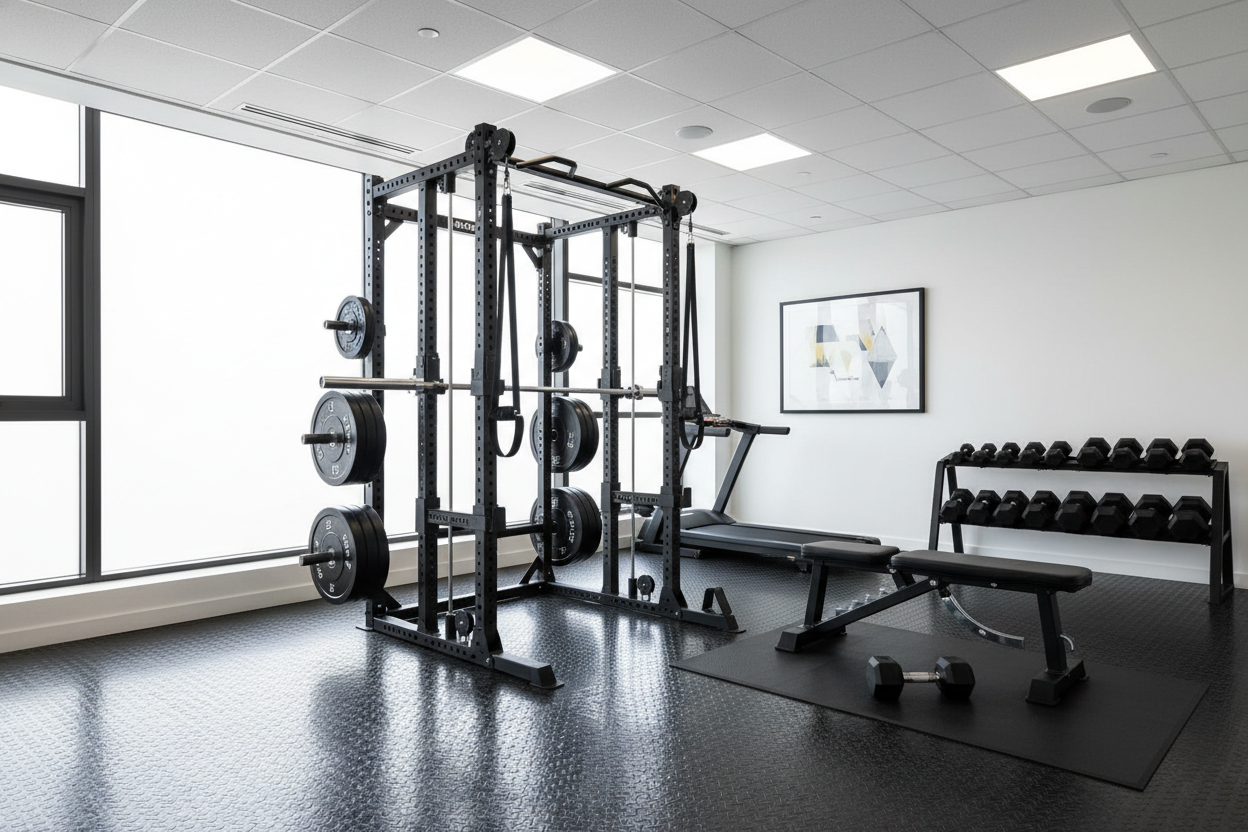
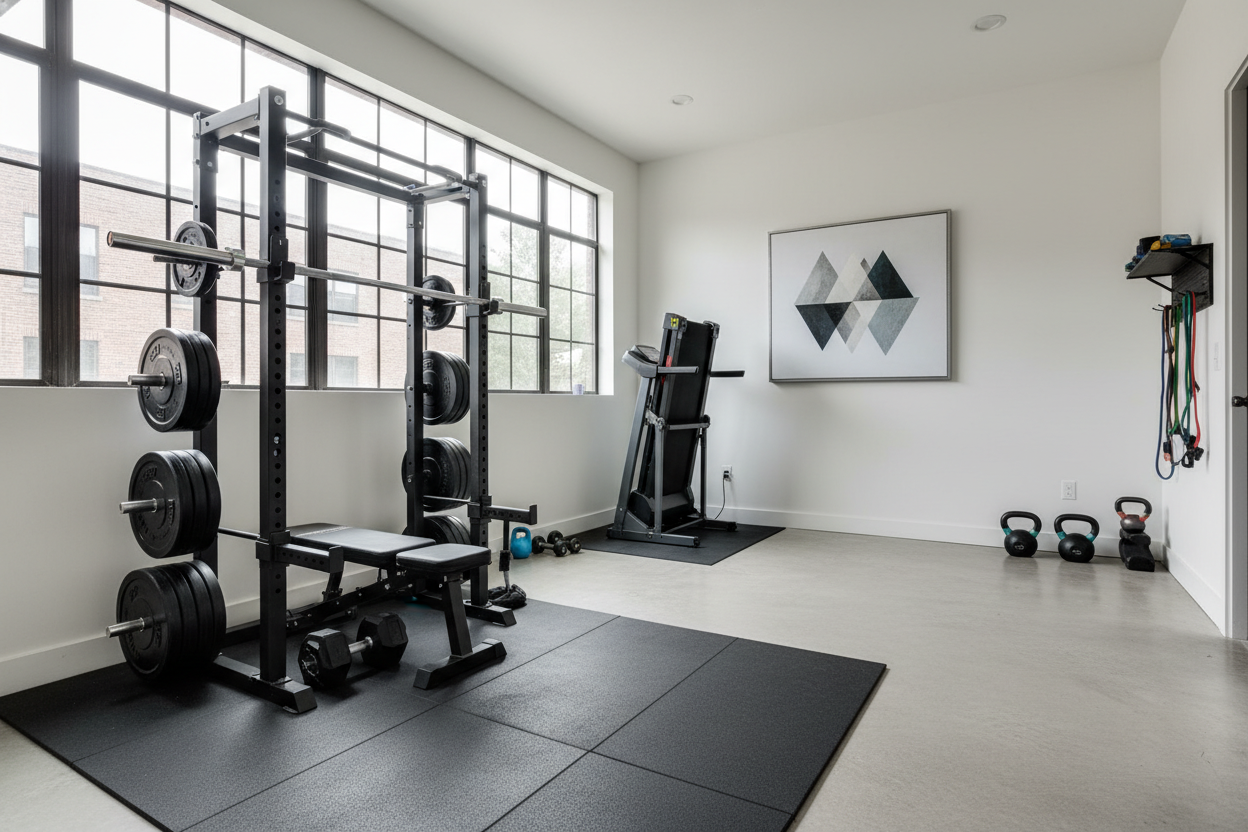
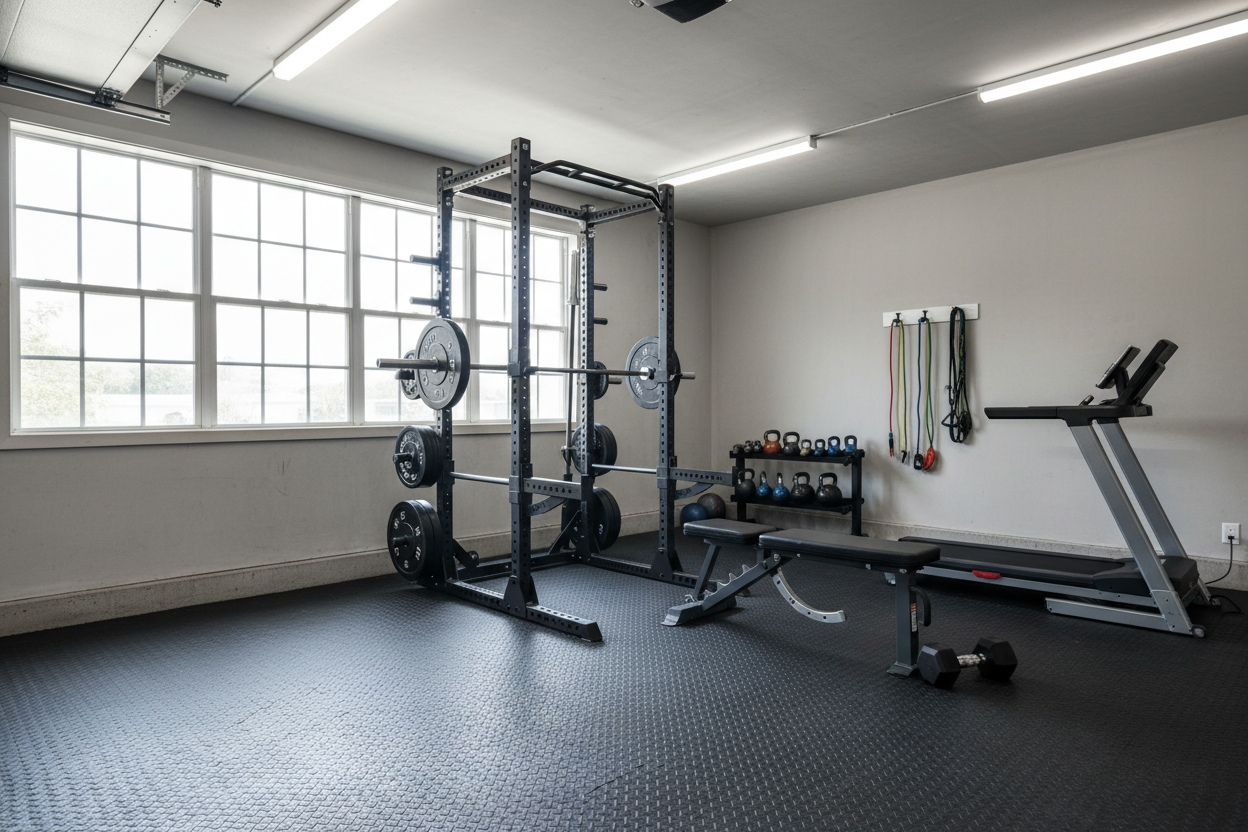
You do not need a commercial gym membership to get strong. In fact, most commercial gyms have 'safety' bars that flex like pool noodles once you put four plates on the side. You need a power rack made of 11-gauge steel, a barbell with at least 190,000 PSI tensile strength, and a flat bench that doesn't wobble. That is it.
When you are sourcing the best strength and weight training equipment, look for utility over features. I don't care if a rack has twenty attachment points if the uprights are made of thin, 2x2' steel. You want reliable strength equipment that can handle a failed rep without folding like a lawn chair. Buy once, cry once.
A 3-Day Split for Brutal, Real-World Power
Keep it simple. Monday: Squat and Bench Press. Wednesday: Deadlift and Overhead Press. Friday: Squat (lighter volume) and Barbell Rows. Perform 5 sets of 5 reps for everything except deadlifts, which should be 1 set of 5 heavy reps. This linear progression will add 5 to 10 pounds to your lifts every week until you hit a wall.
Before you start pulling heavy singles in your garage, please protect your foundation. I have seen guys crack their garage slabs because they thought they were too tough for mats. Get some high-impact gym flooring for home workout so you can drop the weight safely when a lift goes sideways. It saves your gear, your concrete, and your joints.
Personal Experience: The 'Eco-Bar' Disaster
Years ago, I bought a cheap '300-lb weight set' from a big-box store. The bar looked fine, but the first time I tried to deadlift 405 on it, the bar literally stayed bent. It looked like a smile. I realized then that cheap gear is actually more expensive because you have to replace it after it fails. Now, I only buy barbells with aggressive knurling and high-quality bushings. If the bar doesn't feel like it's biting back into your hands, it's not a strength bar.
FAQ
How long does it take to see results?
Neurological gains happen fast—often within 2-3 weeks. Actual muscle density takes months. Stick to the program for 90 days before changing anything.
Can I do cardio on off days?
Yes, but keep it low impact. A 30-minute walk is fine. A 5-mile sprint will eat into your recovery and stall your strength gains.
What if I miss a lift?
Don't panic. If you miss a rep, drop the weight by 10% next session, build your confidence back up, and smash through the plateau the following week.