The No-Nonsense Guide to Building Bigger Legs: A Complete Exercise Breakdown
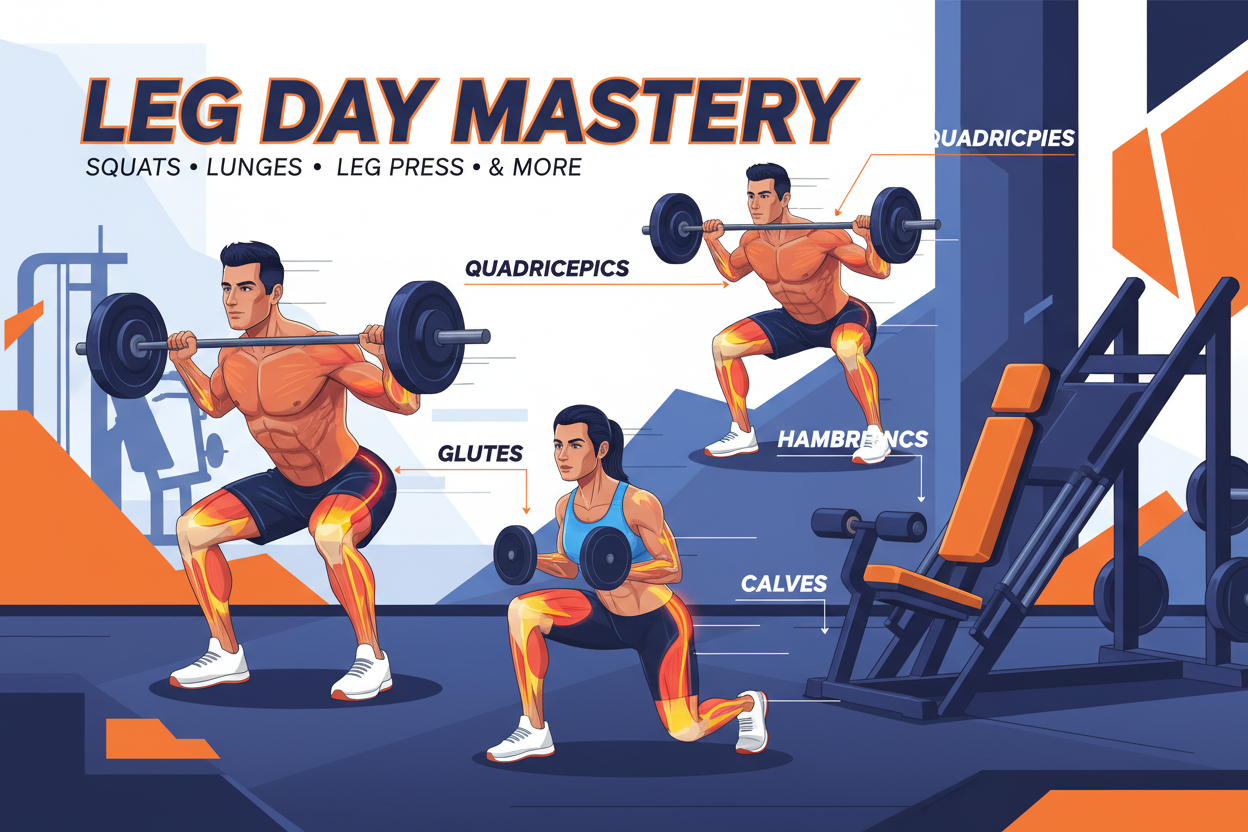
Building a powerful lower body requires more than just showing up to the gym; it demands a strategic selection of movements that target the quadriceps, hamstrings, glutes, and calves effectively. If you are looking for the most effective movements to add to your routine, the core leg exercises list revolves around fundamental patterns: the squat, the hinge, the lunge, and isolation work. Prioritizing compound lifts like the barbell back squat and Romanian deadlift provides the greatest return on investment for strength and size, while accessory movements fill in the gaps to prevent imbalances.
Leg training is often the most grueling part of a fitness regimen, but the physiological payoff is undeniable. The legs house the largest muscle groups in the body, and training them stimulates a significant metabolic response. However, simply knowing the exercises isn't enough. You need to understand execution, mechanics, and how to structure these movements into a cohesive plan. Below is a detailed breakdown of the essential movements you need to master.
The King of Leg Day: Squat Variations
Squats are non-negotiable if your goal is mass and strength. They load the entire skeletal structure and force the body to work as a single unit. While the barbell back squat is the standard, variations exist to suit different biomechanics and goals.
Barbell Back Squat
This is the primary mass builder. By placing the bar on your upper back (traps), you allow for maximum load. The key here is bracing your core to protect the spine. Take a deep breath into your diaphragm, create intra-abdominal pressure, and descend until your hip crease is below your knee. Drive back up through the mid-foot. This hits the quads, glutes, and adductors heavily.
Front Squat
By shifting the barbell to the front rack position across your clavicles, you change the lever arm. This forces your torso to stay upright to prevent the bar from falling forward. The result is significantly more recruitment of the quadriceps and less strain on the lower back compared to the back squat. If you have long femurs or struggle with back squat depth, this is a superior alternative.
Goblet Squat
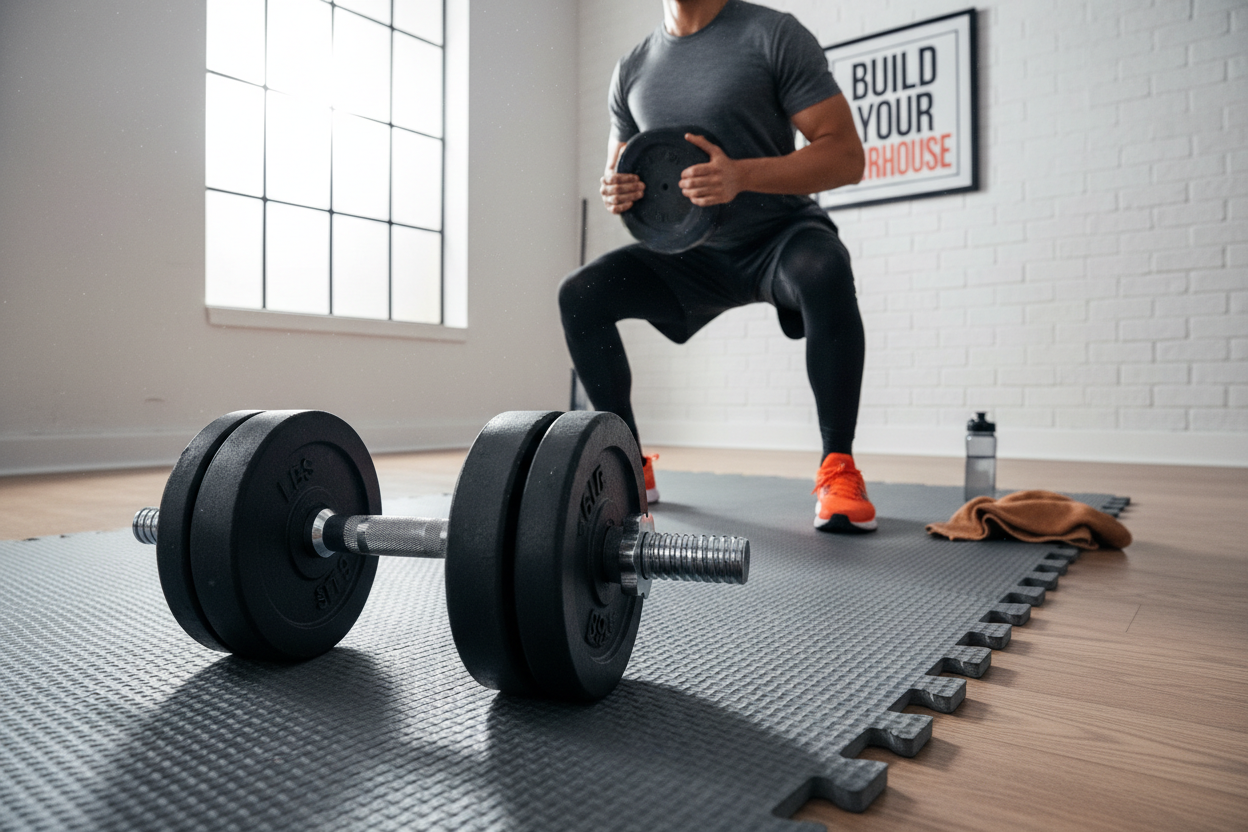
For beginners or those working around back injuries, holding a dumbbell or kettlebell at chest height is ideal. It acts as a counterweight, allowing you to sit deeper into the squat with better form. It is also a fantastic warm-up drill to open up the hips before moving to heavier iron.
Posterior Chain Power: Hinge Movements
Many lifters suffer from quad dominance because they neglect the backside of their legs. A balanced physique requires heavy attention to the hamstrings and glutes. These movements involve bending at the hips while keeping the knees relatively stationary.
Romanian Deadlift (RDL)
Unlike a conventional deadlift that starts from the floor, the RDL starts from the top. You lower the bar by pushing your hips back as far as possible, keeping the bar close to your shins. You should feel a deep stretch in the hamstrings. The movement ends when your hips stop moving back, not when the bar hits the floor. This constant tension makes it one of the best hypertrophy exercises for the posterior chain.
Leg Curl Variations
While deadlifts work the hamstrings as hip extensors, leg curls work them as knee flexors. You need both functions for complete development. Seated leg curls generally offer better stability and a greater stretch than lying leg curls, making them slightly more effective for muscle growth. Control the eccentric (lowering) phase to get the most out of this machine.
Unilateral Training: Fixing Imbalances
Bilateral movements (using both legs) are great for moving weight, but they can hide weaknesses. If your right leg is 10% stronger than your left, the barbell won't tell you, but a split squat will.
Bulgarian Split Squat
This exercise has a reputation for being painful, but it is incredibly effective. With one foot elevated behind you on a bench, you force the front leg to handle the entire load. This challenges your balance, stabilizes the hip, and places an immense stretch on the quads and glutes. It is arguably the best movement for athletic leg development.
Walking Lunges
Lunges add a dynamic component to your training. Because you are moving through space, your stabilizers work overtime. Walking lunges can be used as a heavy strength movement or a high-repetition finisher to flush the legs with blood.
My Experience with Leg Training
Early in my lifting journey, I fell into the trap of ego lifting. I would load up the leg press with every plate in the gym, move the sled three inches, and call it a set. My legs didn't grow, but my knee pain certainly increased. It wasn't until I stripped the weight back and focused on full range of motion that I saw changes. I remember the first time I truly committed to high-rep walking lunges; the soreness the next day was unlike anything I had felt from heavy squats. That experience taught me that weight is just a tool. Tension and range of motion are what actually drive growth. Now, I never start a leg session without a proper warm-up focused on hip mobility, and I always include at least one single-leg movement to keep my hips healthy.
Structuring Your Routine
When you look at a comprehensive list of leg workouts, it is easy to get overwhelmed by the sheer volume of options. You do not need to do every exercise in every session. A good rule of thumb is to pick one main compound lift (squat variation), one hinge movement (deadlift variation), one unilateral exercise, and one or two isolation movements (calves or leg extensions).
For example, a hypertrophy-focused session might look like this:
- Barbell Back Squat: 3 sets of 6-8 reps
- Romanian Deadlift: 3 sets of 8-10 reps
- Bulgarian Split Squat: 3 sets of 10-12 reps per leg
- Leg Extensions: 3 sets of 15 reps
- Standing Calf Raises: 4 sets of 12-15 reps
This structure ensures you hit the legs from every angle without burning out your central nervous system. Consistency matters more than intensity in the long run. Focus on adding a little weight or an extra rep each week, and your legs will have no choice but to grow.
Frequently Asked Questions
How often should I train legs for maximum growth?
Most lifters see the best results training legs twice a week. This frequency allows for sufficient volume to stimulate growth while providing enough recovery time between sessions, typically splitting the focus into a quad-dominant day and a hamstring-dominant day.
Can I build big legs without a barbell squat?
Yes, you can build significant mass using leg presses, hack squats, and dumbbell variations. While the barbell squat is excellent, it is not mandatory; machines like the hack squat can actually isolate the quadriceps better for some individuals by providing external stability.
What should I do if my knees hurt during lunges?
Knee pain during lunges often stems from the front knee caving inward or taking too short of a step. Try taking a longer stride to make the shin more vertical, and focus on driving the knee outward to align with your toes, or switch to reverse lunges which place less shear force on the knee joint.