Balancing Upper Body Proportions: How to Address Imbalances for a Stronger Look
For many fitness enthusiasts, building a balanced physique often proves more challenging than gaining muscle in the first place. Cases like having small chest big arms or big arms small body are surprisingly common. These situations can result from genetics, training focus, or even prior injuries. Whether it’s a small body big arms look or big back small chest, addressing these imbalances requires careful attention to exercise selection, nutrition, and recovery.
Understanding Muscle Imbalances
Imbalances such as big torso small arms or big arms no chest usually occur when certain muscle groups are overtrained while others are neglected. For instance, an individual who focuses heavily on arm training but neglects pressing movements may develop big arms little body, creating an appearance of disproportion. Similarly, small arms big body might occur when compound lifts are prioritized but isolation arm work is minimal.
Common Causes of Imbalance
Several factors contribute to uneven upper body development:
- Training focus skewed toward one area (e.g., prioritizing curls over presses).
- Natural muscle fiber distribution that favors certain areas.
- Insufficient variation in exercises, limiting activation of smaller muscle groups.
- Postural habits from daily life or sports influencing development.
For example, a big back small arms physique might be caused by consistent heavy rowing movements without adequate direct biceps training. On the other hand, big pecs small arms can result from frequent bench pressing without enough pulling or curling exercises.
Strategies to Achieve a Balanced Look
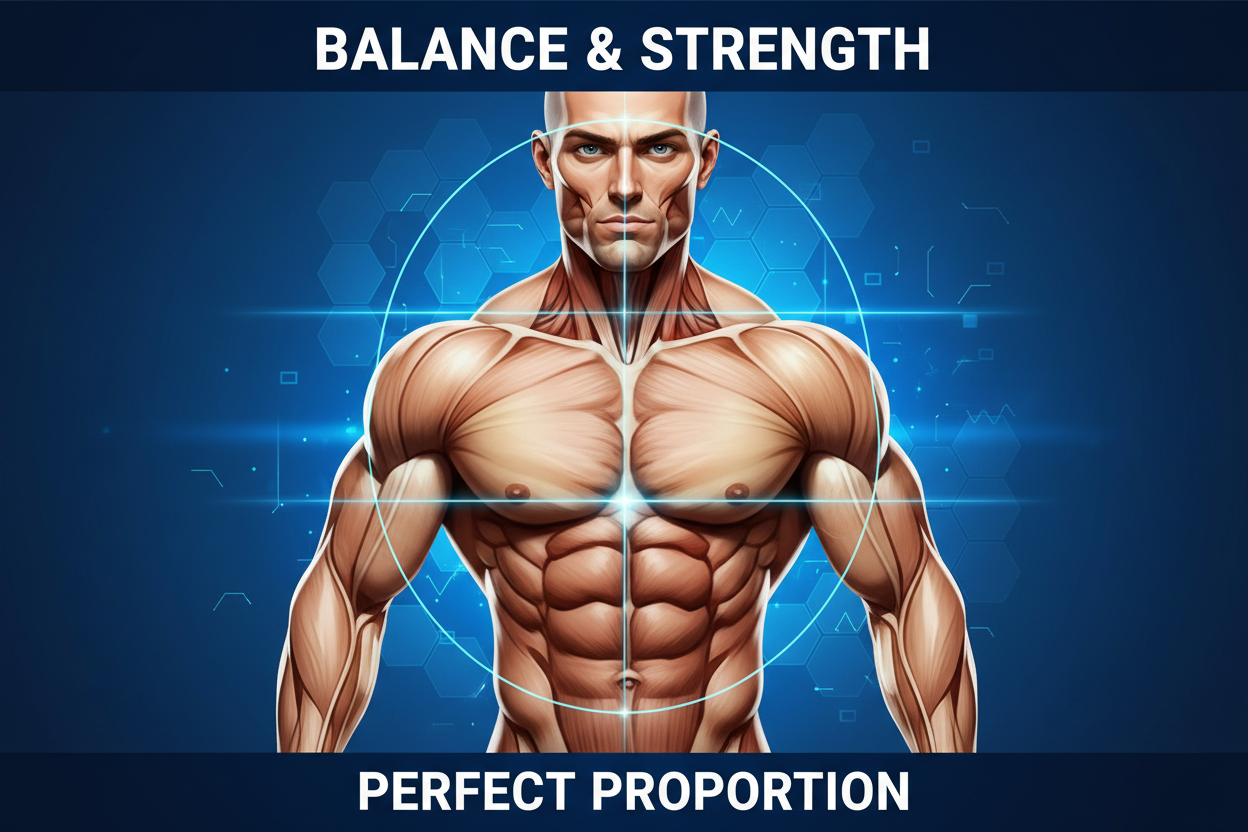
When aiming for balanced proportions between the chest, back, arms, and torso, it is important to take a comprehensive approach. Addressing a big body small arms imbalance, for instance, requires implementing targeted arm training into a full-body regimen while continuing maintenance work for the rest of the physique.
1. Evaluate Your Current Program
Identify which areas are developed and which need focus. If you have big arms small body, more compound lifts and progressive overload targeting the torso, chest, and back can help. Similarly, if you have big arms no chest, increasing the variety and volume of chest exercises, such as incline presses and dips, can improve proportion.
2. Use Balanced Training Splits
Combining compound lifts with isolations in a well-structured split ensures muscle groups are not neglected. Someone with big back small chest might incorporate push-focused days with multiple chest isolation movements, while maintaining strength in pulling exercises.
3. Modify Volume and Frequency
If the goal is to fix a small arms big body imbalance, higher frequency and volume arm training should be employed. This means additional sets for biceps and triceps across the week, without reducing work on other areas too drastically.
Role of Nutrition in Muscle Balance
Nutrition plays a major role in overall body development. Individuals with small chest big arms should ensure adequate protein intake to support recovery and growth in lagging muscle groups. Proper caloric balance helps prevent muscle loss during cutting phases and supports growth during bulking.
Importance of Recovery
Muscle imbalance corrections demand proper rest. Overtraining large muscles while smaller groups recover less can exacerbate disproportions such as big torso small arms. Sleep, rest days, and mobility work are critical parts of ensuring even growth.
Personal Experience
When I started lifting, I naturally had big arms little body because I focused heavily on curls and neglecting larger compound lifts. After assessing my appearance in photos and seeking advice from experienced lifters, I incorporated bench presses, pull-ups, and overhead presses into my weekly routine while slightly reducing arm isolation. Over several months, my upper body became more proportionate, and movements felt more balanced overall.
Tracking and Adjusting Your Progress
Regular assessments are essential. Measure circumference of arms, chest, and torso periodically. If a big pecs small arms imbalance continues despite targeted work, re-evaluate exercise execution or consider progressive overload adjustments.
Conclusion
A proportionate upper body is not just aesthetically pleasing but also functionally more efficient. Whether dealing with big back small arms, small arms big body, or big arms small body, the key is consistent balanced training, proper nutrition, and adequate recovery. Over time, these steps lead to a physique that looks strong and feels strong in everyday life and athletic performance.