The Glute and Hip Wake-Up Call: How to Move Better and Ache Less
Most of us spend the majority of our waking hours sitting on the very muscles designed to power our movement. When you spend eight hours in a chair, your hip flexors tighten up and your glutes effectively go to sleep. This creates a chain reaction of dysfunction that usually manifests as lower back pain, knee issues, or just a general feeling of stiffness. If you want to move freely and lift safely, learning how to strengthen hips and glutes isn't just an aesthetic choice; it is a functional necessity.
The relationship between the hip complex and the gluteal muscles is the foundation of human biomechanics. They stabilize the pelvis during walking, running, and standing. When this connection is weak, other muscles have to compensate, leading to injury. By incorporating specific hip and glute exercises into your weekly routine, you can reverse the effects of a sedentary lifestyle and build a lower body that is as resilient as it is strong.
Why Your Hips and Glutes Are Failing You
I learned the hard way that ignoring these muscle groups is a recipe for disaster. A few years ago, I started training for a half-marathon. I was logging miles efficiently, but about four weeks in, I developed a sharp, stabbing pain on the outside of my knee. I assumed it was a knee problem. I iced it, rested it, and bought expensive knee braces. Nothing worked.
Eventually, I saw a physical therapist who barely looked at my knee. Instead, she had me do a single-leg squat. My knee caved inward instantly. "Your knee is fine," she told me. "Your hips are weak." Because my glute medius wasn't firing, my femur (thigh bone) was rotating internally, torqueing my knee with every step. That was my wake-up call. I stopped running and started focusing entirely on hip and glute strengthening exercises. Within three weeks, the knee pain vanished.
This is a common scenario. Weakness in the posterior chain forces the lower back and knees to take on loads they aren't designed to handle. A targeted glute and hip workout addresses the root cause of these mechanical failures rather than just treating the symptoms.
The Essential Hip and Glute Strengthening Exercises
You do not need a gym full of machinery to correct these imbalances. The most effective movements often rely on body weight or simple resistance bands. Here are the most effective movements to build stability and power.
1. The Glute Bridge
This is the gold standard exercise to strengthen glutes and hips because it isolates the gluteus maximus while opening up tight hip flexors. It is the perfect antidote to sitting.
Lie on your back with your knees bent and feet flat on the floor, hip-width apart. Drive through your heels to lift your hips toward the ceiling. The goal is to create a straight line from your shoulders to your knees. Squeeze your glutes hard at the top—don't just arch your back. Lower slowly. If you want to turn this into a more intense hip and glute workout, do it on one leg at a time.
2. The Clamshell
If you are looking for glute exercises for hip pain, the clamshell is non-negotiable. It targets the gluteus medius, the small muscle on the side of your hip responsible for pelvic stability.
Lie on your side with legs stacked and knees bent at a 45-degree angle. Keep your feet touching while you open your top knee like a clam. The movement should be small and controlled. If your hips rock backward, you have gone too far. This is one of the best hip glute strengthening exercises for preventing the knee cave I experienced.
3. Banded Monster Walks
This dynamic movement fires up the entire hip complex. Place a resistance band around your ankles or just above your knees. Drop into a quarter-squat position. Step diagonally forward and out, keeping tension on the band the entire time. Walk forward for ten steps, then backward for ten steps. You will feel a deep burn in the sides of your hips, indicating the glute medius is working overtime.
4. Fire Hydrants
Mobility is just as important as strength. Fire hydrants serve as both a mobility opener and a strength builder. Start on all fours (tabletop position). Keeping your knee bent at 90 degrees, lift one leg out to the side as high as you can without shifting your torso. This hip glute exercise improves the range of motion in the hip socket while strengthening the abductors.
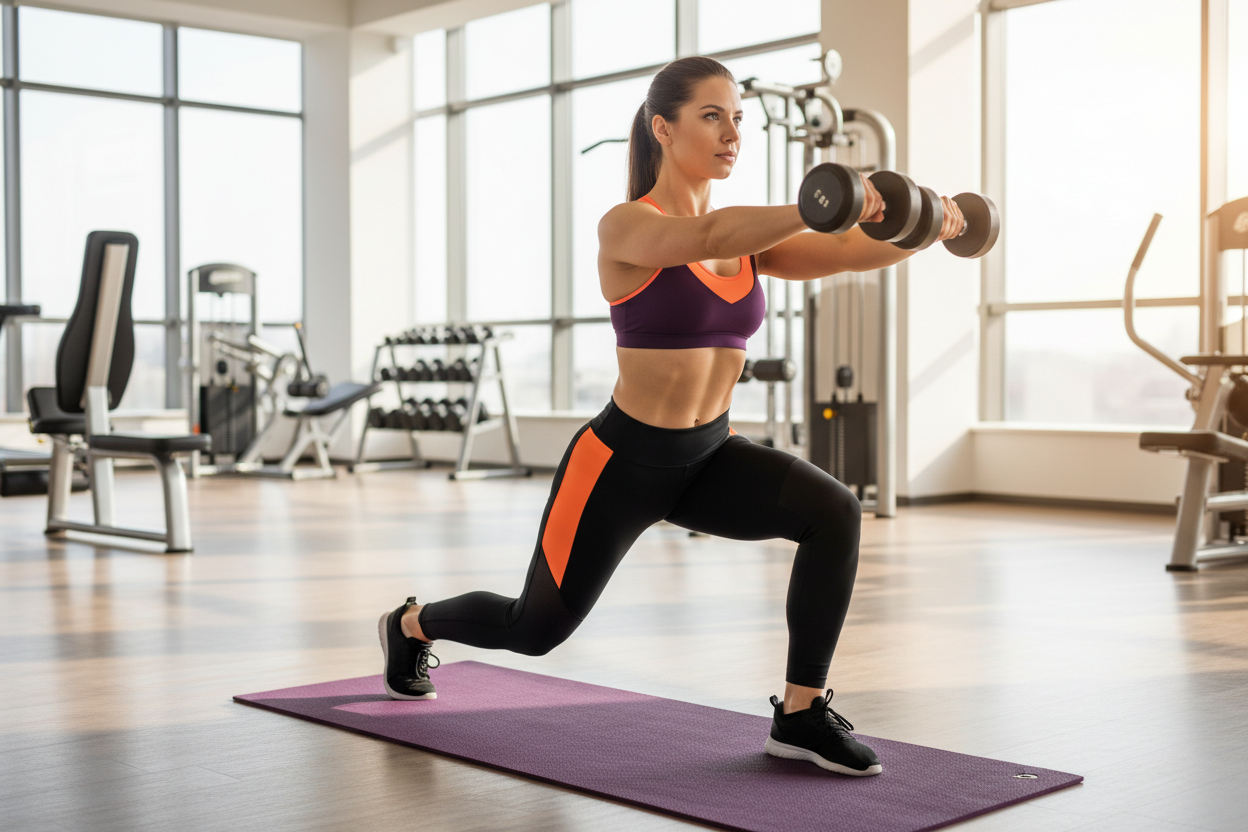
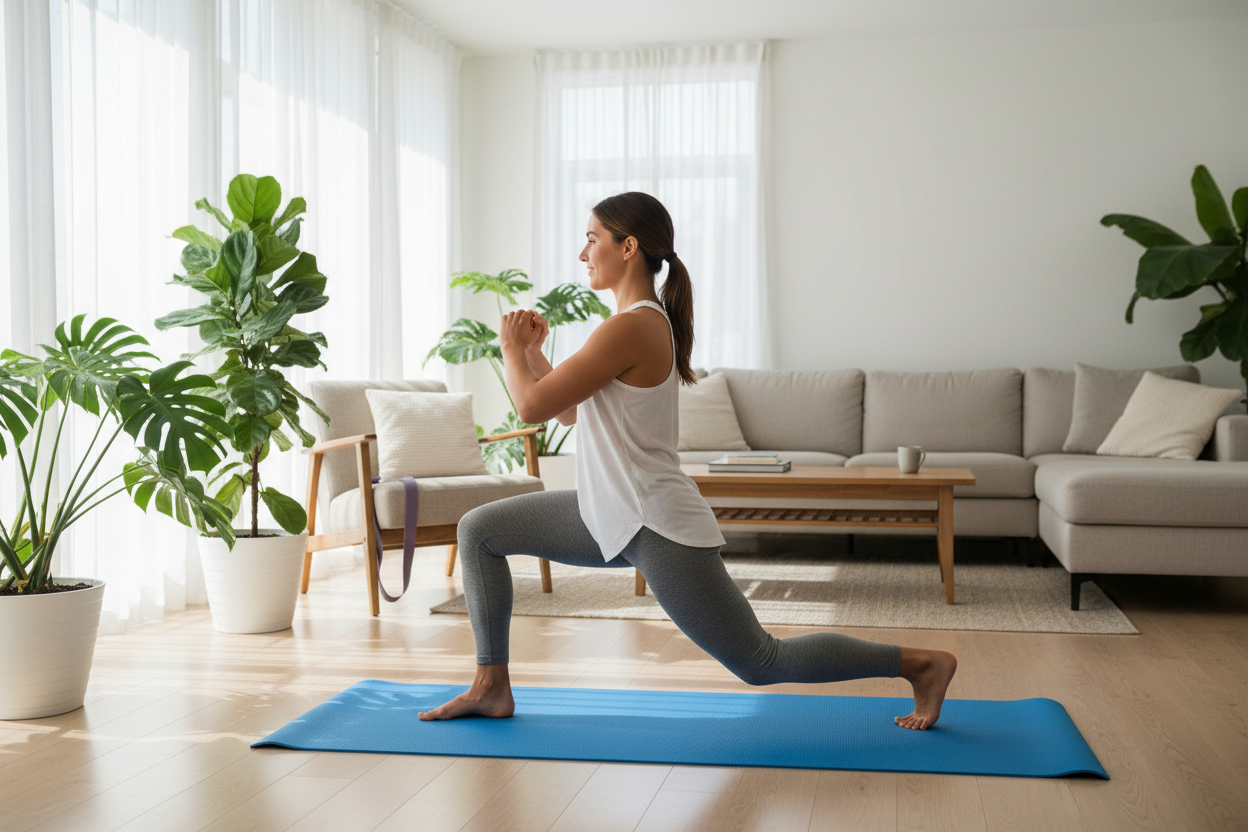
5. Reverse Lunges
Compound movements are essential for a complete hips and glutes workout. The reverse lunge is superior to the forward lunge for this purpose because it places less shear force on the knee and requires more glute activation to pull yourself back up to standing.
Stand tall, step one foot back, and drop your back knee toward the ground. Keep your front shin vertical. Drive through the front heel to return to the starting position. This functional movement mimics everyday activities and ensures you can strengthen glutes and hips in a coordinated pattern.
Structuring Your Routine
Consistency beats intensity when you are trying to correct imbalances. You don't need to dedicate a whole day to a "glute and hip strengthening exercises" session, although you certainly can. A better approach for many is to use these movements as a warm-up before running or heavy lifting.
Perform the bridges, clamshells, and fire hydrants as a circuit. do 15 to 20 reps of each, for three rounds. This primes the nervous system and wakes up the muscles so they contribute during your main workout. If you are specifically treating pain, perform this circuit 3 to 4 times a week on its own.
The Mental Connection
There is a neurological component to these exercises. Because we sit so much, our brains often "forget" how to activate the glutes—a phenomenon often called gluteal amnesia. When performing any exercise for glutes and hips, you must focus intently on the muscle contracting. If you are doing a bridge but only feel it in your hamstrings or lower back, you need to reset and try again.
Touch the muscle while it is working. This tactile feedback helps re-establish the mind-muscle connection. Intentional movement is what transforms a simple motion into a powerful hip and glute strengthening exercise.
Moving Forward Pain-Free
Building a resilient body takes patience. You might not see visible muscle growth immediately, but you will feel the difference in how you move. Walking becomes smoother, lower back aches subside, and your knees feel more stable. By prioritizing hip and glute exercises, you are investing in your body's long-term functionality. Whether you are an athlete trying to improve performance or just someone who wants to get off the floor without groaning, the solution lies in the center of your body. Strong hips and glutes are the engine of a healthy life.
Frequently Asked Questions
How long does it take to strengthen weak hips and glutes?
Most people feel a difference in stability within 2 to 4 weeks of consistent training. However, significant strength gains and visible muscle changes typically take 8 to 12 weeks of performing a dedicated hip and glute workout at least three times a week.
Can walking strengthen my glutes and hips?
Walking activates these muscles, but it is usually not enough to correct significant weakness or imbalances on its own. To truly strengthen glutes and hips, especially if you have pain, you need targeted resistance exercises like bridges, lunges, or banded lateral walks to provide enough stimulus for muscle growth.
Why do my hips pop when I do leg exercises?
Hip popping is often caused by a tight tendon snapping over a bony prominence in the pelvis, frequently due to tight hip flexors or weak stabilizers. incorporating mobility work and specific hip glute strengthening exercises can help stabilize the joint and reduce this sensation over time.