The Difference Between a Lift and a Hoist (And Why It Matters)
I remember watching a guy at my old commercial gym try to 'clean' 225 lbs with a rounded back and enough body English to power a small village. He didn't actually lift the bar; he performed a frantic hoist that made my own L4-L5 discs scream in sympathy. Most people use the terms interchangeably, but there is a massive chasm between a controlled strength movement and a mechanical heave.
Quick Takeaways
- A hoist involves mechanical advantage (pulleys/ropes) or momentum, while a lift relies on direct force.
- In gym slang, 'hoisting' usually refers to ego lifting with terrible form.
- Hoisting equipment like cable machines uses a 2:1 or 1:1 ratio to redirect weight.
- Understanding the hoist meaning can save your joints from unnecessary shear force.
Let's Get Technical: The Actual Meaning of a Hoist
If we look at the literal hoist meaning, we are talking about raising something, usually by means of a rope, pulley, or tackle. The hoist etymology traces back to the Middle High German word 'hisen,' which basically meant to pull up a sail. It implies a system is doing the heavy lifting for you, or at least making the direction of force more manageable.
When you ask 'what is a hoist' in a mechanical sense, you are looking at a device used for lifting or lowering a load. In a warehouse, that’s a crane. In a gym, that’s your lat pulldown. The definition hoist enthusiasts care about is how force is redirected. Unlike a barbell, where gravity is your only boss, a hoist allows you to move weight vertically, horizontally, or at an angle by using a hoisting machine.
To define hoist properly in a training context: it is the act of using a mechanical system to move a load. If you are hoisting up a weight manually without a machine, you are likely just using momentum to cheat the movement. Understanding what does hoist mean helps you realize that the machine is a tool, not a crutch.
Are You Lifting the Weight, or Just Hoisting It Up?
The hoist verb gets a bad rap in weightlifting circles, and for good reason. When a coach says you are 'hoisting' the weight, they mean you are using your entire body to swing a dumbbell rather than using the target muscle. If you are trying to figure out what is a good exercise for shoulders, you will quickly learn that a strict lateral raise is superior to a 'hoisted' one where your hips do 90% of the work.
What does hoisted mean in the context of an injury? It means you took a weight you couldn't handle and used a 'human crane' technique to get it from point A to point B. This is how you tear a bicep or pop a disc. To hoist someone up meaning usually implies assistance; in the gym, that assistance is your own momentum, and it is a fast track to the physical therapist's office.
Is hoist a word you want associated with your deadlift? Absolutely not. You want a pull, a drive, or a lift. If you have to spell hoist out to your training partner because they are swinging the bar like a pendulum, it's time to strip the plates and check the ego at the door.
What Exactly Is Hoisting Equipment in a Home Gym?
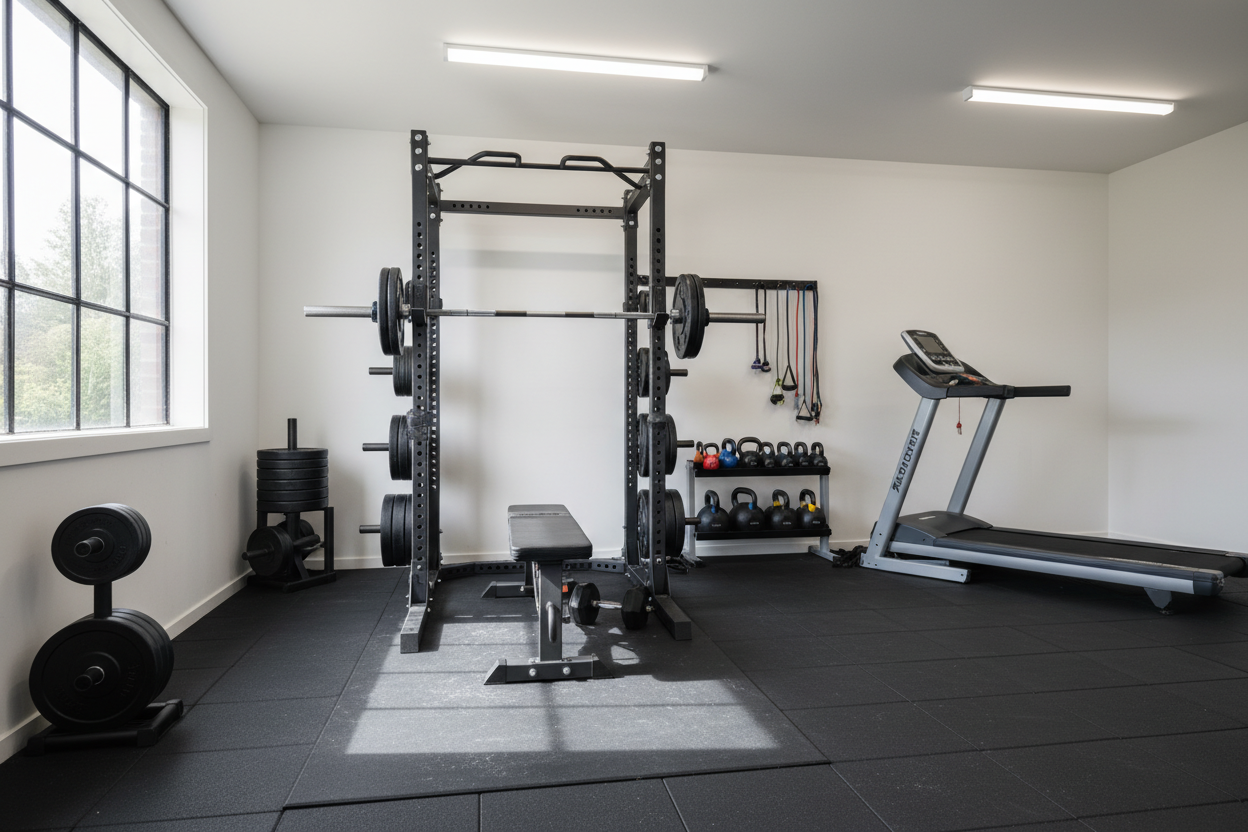
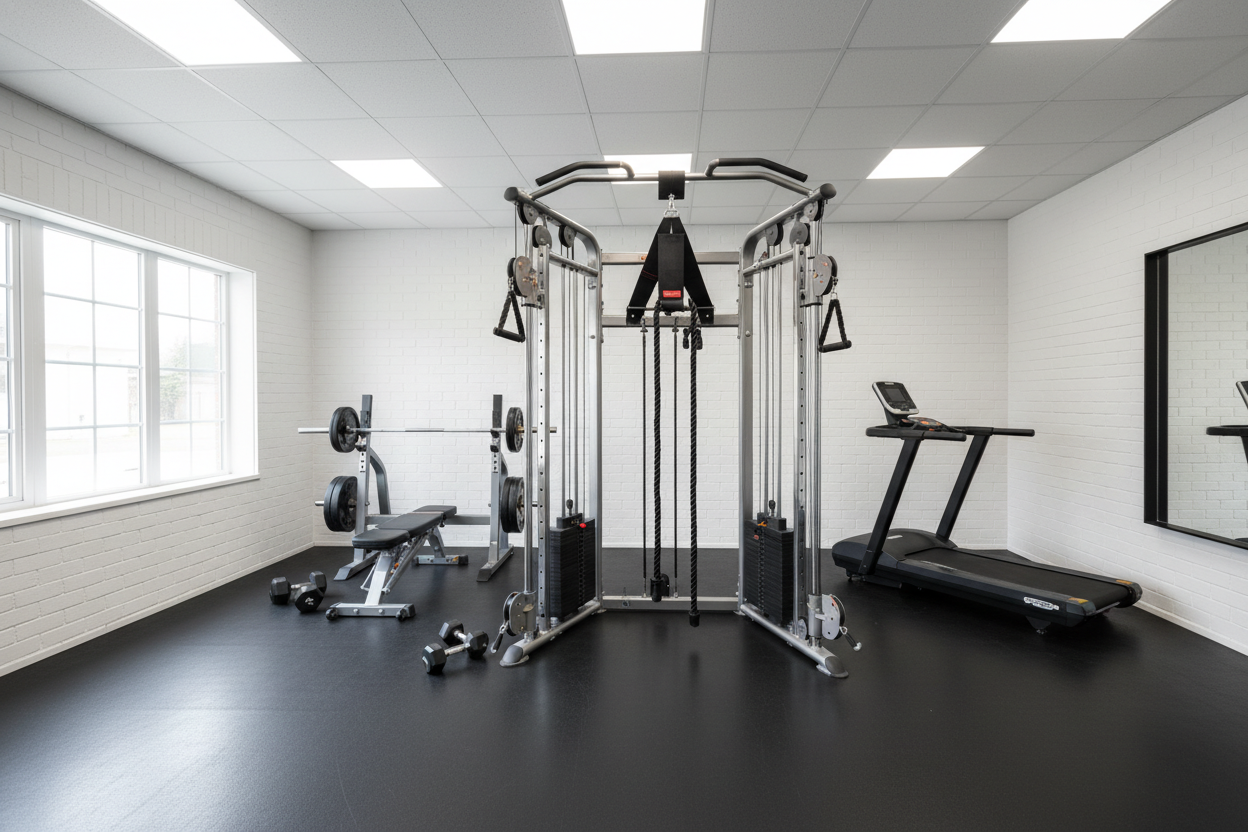
When we talk about what is a hoisting machine in a garage gym, we are looking at cable crossovers, functional trainers, and wall-mounted pulleys. These are what are hoisting equipment in the modern sense. They use aircraft-grade cables and nylon or aluminum pulleys to create a smooth path for the weight stack.
If you are building a high-quality strength equipment collection, you need to understand the 'hoister meaning' in terms of pulley ratios. A 1:1 ratio means 100 lbs feels like 100 lbs. A 2:1 ratio means 100 lbs feels like 50 lbs because the cable travels twice as far. This is the definition of hoist advantage—it allows for more 'travel' and smoother resistance, which is perfect for isolation work.
What are hoists used for most effectively? Hypertrophy. Because a hoisting machine provides constant tension throughout the entire range of motion, it hits the muscle in ways a standard iron plate cannot. Knowing what is hoisting equipment allows you to fill the gaps that your barbell leaves behind.
How to Add a Pulley Hoist to Your Setup Without Going Broke
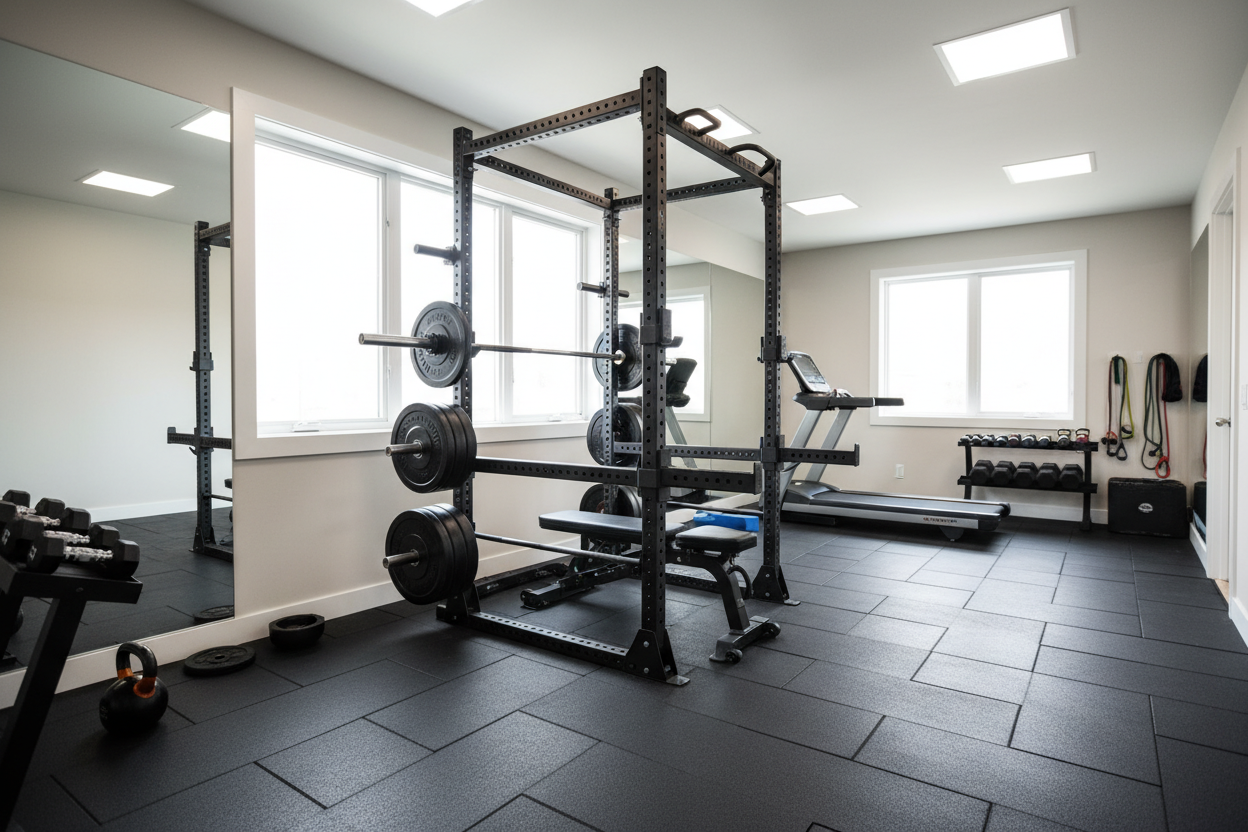
You don't need a $4,000 commercial unit to get the benefits of hoisting up some heavy loads. I’ve seen some of the best back development come from simple loading pins and pulley systems attached to a power rack. When finding home gym equipment deals, look for DIY pulley kits that include high-tensile cables and swivel pulleys.
One word of caution: when you start using a portable hoist setup, the weight tends to swing. I highly recommend investing in extra wide exercise mats to protect your concrete. A swinging 45-lb plate on a loading pin will chip your garage floor faster than you can say 'hoist def.'
The hoist uses in a home gym are endless—tricep pressdowns, face pulls, and cable rows. Just ensure your rack is bolted down. There is nothing more terrifying than watching a 300-lb rack tip over because you decided to hoist a heavy lat pulldown from the top crossmember without anchoring the base.
Personal Experience: The 'Human Crane' Phase
I spent my early twenties 'hoisting' everything. I thought a 100-lb dumbbell row was impressive, even though my torso was rotating 45 degrees to get the weight up. I wasn't lifting; I was acting as a biological hoisting machine. The result? A chronic 'twinge' in my lower back that took two years to fix. I learned the hard way that the meaning of hoisted in my training log was usually followed by 'sore back.' Now, I use a dedicated cable hoist for my accessory work and keep my barbell movements strict. The gains are better, and I can actually walk the next day.
FAQ
What does hoisting mean in training?
It usually refers to using momentum or 'cheating' to move a weight. It can also refer to using cable and pulley machines that provide mechanical advantage.
How do you spell hoist?
It is spelled H-O-I-S-T. It comes from the Dutch word 'hisen' or 'hijsen.'
What is a hoisting machine in a gym?
Any cable-based machine, like a functional trainer, lat pulldown, or seated row station, qualifies as a hoisting machine because it uses pulleys to redirect weight.
What is the meaning of hoisted?
To have been lifted or hauled up using a mechanical device or a sudden, forceful effort.