I Added 30lbs to My Bench Using These powerlifting shoulder exercises
I spent twelve months staring at the same three plates on the bar. My bench press felt like it was moving through wet concrete every time I hit the midpoint of the lift. I tried more volume, I tried different grips, and I even bought a specialized bench bar, but nothing moved the needle. It wasn't until I focused on specific powerlifting shoulder exercises that the weight finally started moving again.
- Front delts provide the initial drive off the chest.
- Rear delts create the stable 'shelf' for a heavy bar.
- Overhead work builds lockout strength that tricep extensions can't match.
- Seated movements prevent lower back compensation.
Stop Expecting the Bench Press to Build Your Shoulders
Most lifters think the bench press is a complete upper-body builder. While it’s great for the pecs, it often leaves the deltoids in a supporting role that doesn't actually build maximum strength. If you only bench, you develop a massive imbalance where your chest can push more than your shoulders can stabilize.
I realized my shoulders were the weak link when I started shaking at the bottom of a 315-lb rep. That instability comes from a lack of structural integrity in the joint. You need your delts to be thick and capable of holding heavy loads under tension, not just acting as secondary movers. Relying solely on the bench to grow your shoulders is like trying to build a skyscraper on a foundation made of plywood.
The Anatomy of a Real powerlifting shoulder workout
A successful powerlifting shoulder workout doesn't look like a bodybuilding routine. We aren't here for the pump or to see veins in our lateral delts. We need raw, vertical pushing power and rear-end braking stability. Your front deltoids are the primary assistants during the bench press, especially during the transition from the chest to the midpoint.
On the flip side, the rear delts are often ignored because you can't see them in the mirror. In powerlifting, the rear delts are your brakes. They control the descent and provide the platform your scapula rests on during the lift. If those muscles are weak, your shoulders will cave forward, ruining your leverage. You can find more ways to balance your accessories in our comprehensive workout hub, where we map out how to slot these movements into a heavy peaking program.
The 3 shoulder exercises for powerlifting That Move the Needle
I cut the fluff and narrowed my accessory work down to three movements. These aren't fancy, and they won't make you look like a physique competitor overnight, but they will make you stronger. These specific shoulder exercises for powerlifting are designed to translate directly to your 1RM bench press.
Heavy Seated Overhead Dumbbell Press
I prefer dumbbells over a barbell for overhead work because they force each shoulder to work independently. Most of us have a dominant side that takes over during a heavy barbell press. The seated version is non-negotiable for me because it prevents me from turning the lift into a standing incline bench by arching my back. I use a bench set at a 90-degree angle and focus on driving my heels into the floor.
If you find that your garage gym dumbbells don't go heavy enough—mine top out at 100 lbs—it might be worth looking into gym workout shoulder exercises that utilize heavy-duty machines or selectorized stacks found in commercial spaces. Sometimes you just need that 120-lb pair to really stress the nervous system without the struggle of cleaning them into position.
Chest-Supported Rear Delt Rows
This is my secret weapon for bench stability. By laying face down on an incline bench, you eliminate the momentum that usually ruins a standing row. I pull with my elbows flared out to specifically target the rear delts and the upper traps. When these muscles get thicker, they create a literal cushion for your back. This shortened range of motion makes the bar feel like it's traveling a shorter distance because your 'shelf' is higher off the bench.
Dead-Stop Barbell Pin Presses
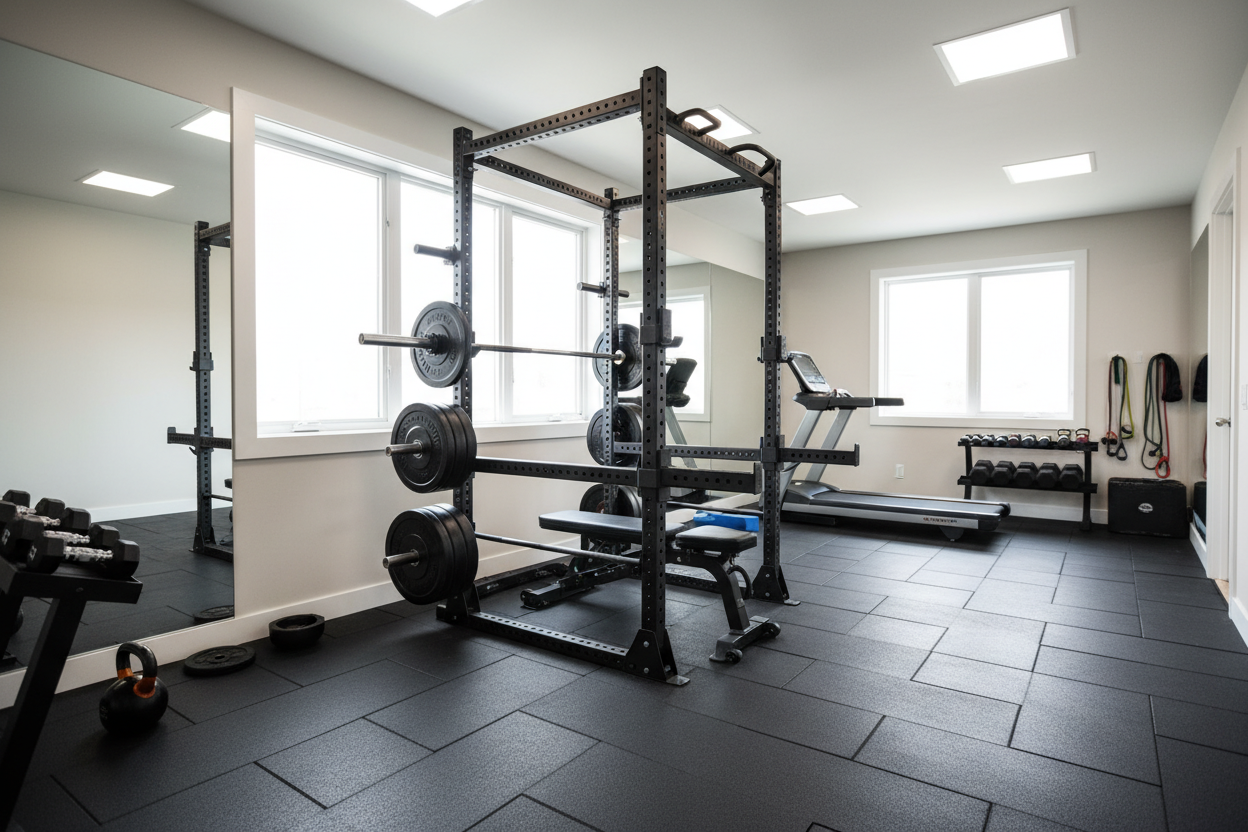
If you're weak at the lockout, you need pin presses. Set the safety bars in your power rack so the barbell starts right at your sticking point—usually 3 to 4 inches off your chest. You start each rep from a dead stop, which kills all stretch reflex. It’s pure, raw strength. I’ve found that hitting these for sets of 3 to 5 reps builds a level of tricep and shoulder explosive power that standard overhead pressing just can't touch.
How to Fit This Into Your Powerlifting Split Without Frying Your CNS
Don't make the mistake of adding all three of these to your heavy bench day. You’ll be too fatigued to get any real value out of them. I recommend placing these on a secondary 'speed' day or a dedicated accessory day. If you're running a four-day split, these fit perfectly after your lighter pressing movements.
The goal is to supplement your main lift, not replace it. Unlike high-volume bodybuilding routines, we aren't going for 15-20 reps. Keep the heavy presses in the 5-8 rep range and the rear delt work in the 10-12 range. If you want to see how this differs from a standard hypertrophy plan, check out our guide on the ultimate gym workout shoulder exercises to see the contrast in volume and intensity.
Don't Try Heavy Overhead Work on a Slippery Floor
One thing I learned the hard way in my garage: traction matters. When you're trying to drive 90-lb dumbbells over your head, your feet need to stay glued to the ground. I once tried a heavy set on bare, dusty concrete and my right foot slid out from under me mid-rep. It was a terrifying moment that could have ended in a torn labrum or a dropped weight.
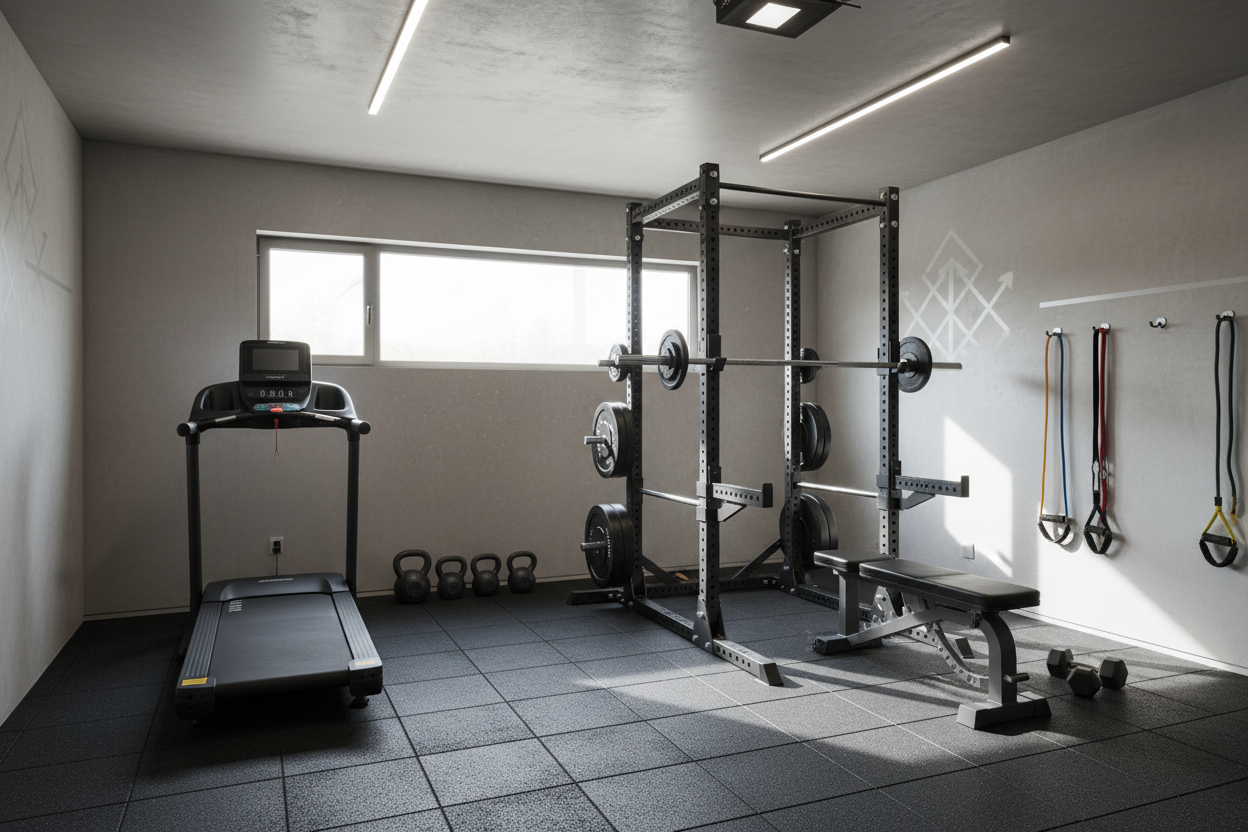
Invest in high-quality gym flooring for home workout before you start chasing heavy overhead PRs. A solid rubber surface provides the friction you need to use your legs for stability. It also protects your foundation if you have to bail on a lift and drop the dumbbells. Trust me, your concrete floor—and your ankles—will thank you.
FAQ
Should I do these before or after benching?
Always after. Your bench press is the priority. These are accessories designed to fix weaknesses, so don't tire out your primary movers before you hit your main working sets.
Can I use a barbell instead of dumbbells for overhead pressing?
You can, but I find dumbbells better for identifying imbalances. If one shoulder is lagging, a barbell will mask it until you're under a max load and something snaps. Use dumbbells to build a symmetrical base.
How often should I train shoulders for powerlifting?
Twice a week is the sweet spot. One day focused on heavy pressing and one day focused on rear delt stability and rowing movements. This keeps the joint healthy without overtraining.