The Definitive Guide to the Best Leg Exercise Equipment for Home
Skipping leg day is a running joke in the fitness community, but for home gym owners, it’s often a logistical necessity rather than laziness. Bodyweight squats and lunges only take you so far. To stimulate true hypertrophy (muscle growth) and strength, you need to introduce progressive overload. That is where finding the best leg exercise equipment for home becomes critical.
Whether you have a sprawling garage setup or a tight apartment corner, the right tools allow you to replicate the intensity of a commercial facility. This guide cuts through the marketing fluff to identify exactly what gear delivers the mechanical tension required to build a strong lower body.
Quick Summary: Essential Home Leg Gear
If you are looking for a fast answer on what to buy, here is the hierarchy of equipment based on effectiveness and versatility:
- Adjustable Dumbbells: The absolute baseline for goblet squats, lunges, and RDLs.
- Squat Stand or Power Rack: Essential for heavy compound movements and safety.
- Compact Leg Press / Hack Squat: The best leg workout machine for home if space permits.
- Glute Drive / Hip Thrust Bench: Ideal for posterior chain isolation.
- Resistance Bands: Necessary for warm-ups and finishing burnouts.
Building the Foundation: Free Weights vs. Machines
Before buying a dedicated leg workout device, you must cover your bases. The most effective leg workouts at the gym with machines are usually supplementary to heavy compound lifts. At home, your priority should be free weights.
The Power of Adjustable Dumbbells
If you have limited space, adjustable dumbbells are the most versatile workout equipment for legs at home. They allow you to perform unilateral movements like Bulgarian split squats and walking lunges. These exercises correct muscle imbalances that strictly using weight machine leg exercises might hide.
The Squat Rack Necessity
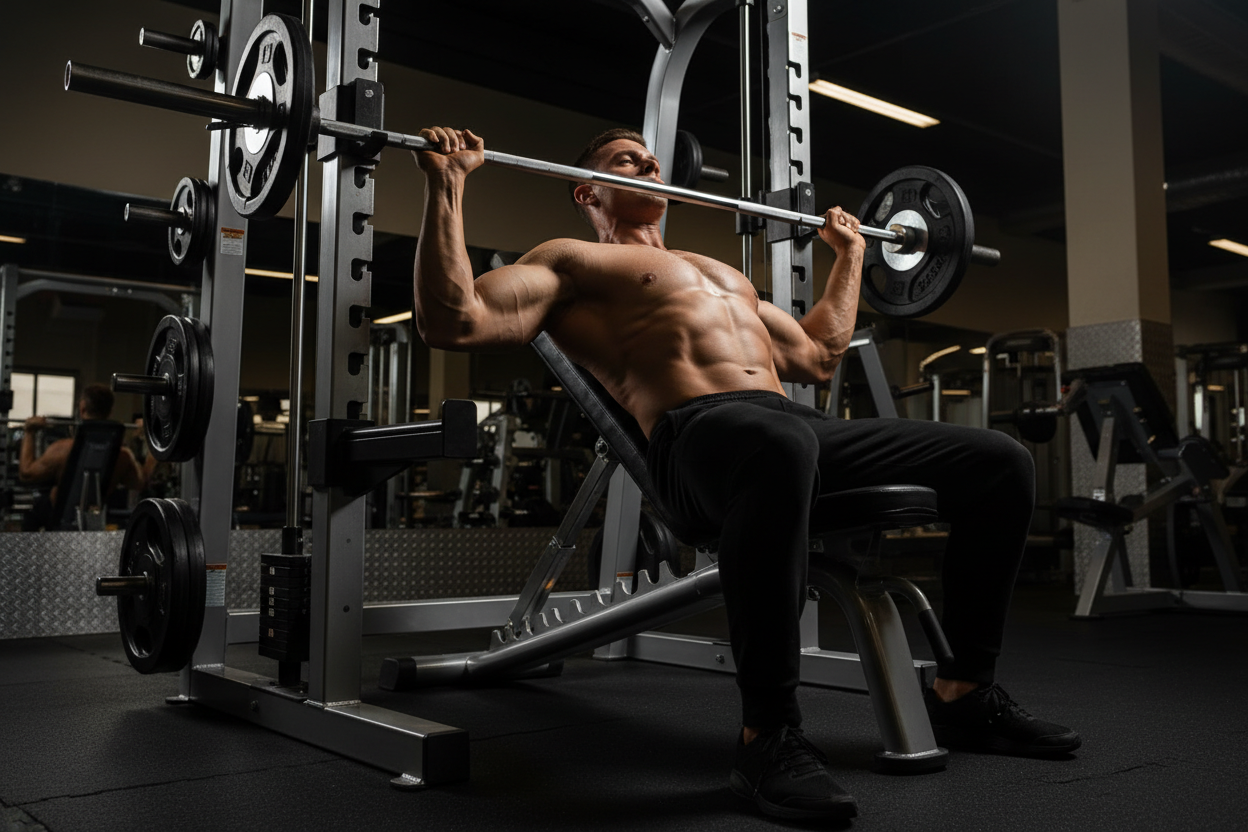
You cannot safely squat heavy without a rack. A squat stand with spotter arms transforms your home space into a serious training environment. It allows you to load the spine safely, which is the primary driver of leg strength.
Replicating Commercial Machines at Home
Once you have the basics, you can look at specialized leg workout tools. Many lifters miss the stability of leg day gym workout machines. Fortunately, manufacturers now make compact versions.
The Home Leg Press and Hack Squat
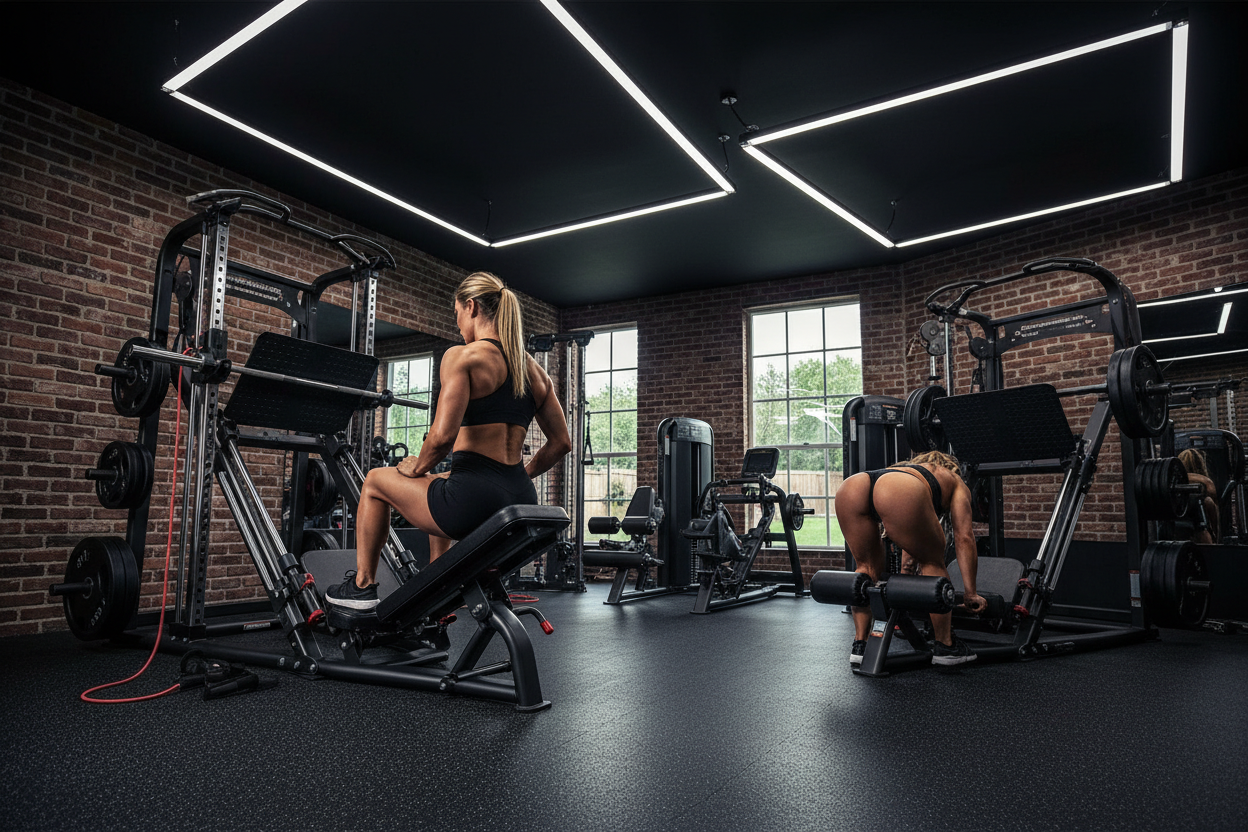
The leg press is often considered the best home gym equipment for legs for those with back issues, as it removes spinal loading. Look for a "vertical leg press" or a compact 45-degree sled. These machines allow you to push to failure safely without a spotter, replicating the high-intensity gym machine leg workout routine you are used to.
Isolation Stations: Extensions and Curls
For complete quad development, a thigh exercise machine at home that allows for leg extensions is vital. Many modern home workout benches now come with a leg developer attachment. This is a cost-effective way to get isolation work in without buying a standalone unit.
Focus on Glutes and Posterior Chain
There is a high demand for gym leg workout female machines—which is industry shorthand for equipment that targets the glutes and hamstrings, though these are essential for all genders. The standard squat is quad-dominant for many people.
To target the posterior chain, look for a hip thrust bench or a dedicated glute drive machine. These lower body gym workout female machines provide stability for the hips, allowing you to load heavy weight directly onto the glutes without the discomfort of balancing a barbell on your lap.
Structuring Your Home Leg Routine
Having the gear is one thing; using it correctly is another. A solid leg workout with gym equipment at home should follow this structure:
- Compound Lift: Barbell Squat or Heavy Dumbbell Goblet Squat.
- Unilateral Movement: Split Squats (using dumbbells).
- Machine/Isolation: Leg Extensions or Leg Curls (using attachments).
- Posterior Chain: Romanian Deadlifts or Hip Thrusts.
My Training Log: Real Talk
Let me share a bit of my personal experience with the best leg exercise equipment for home. A few years ago, I bought a budget-friendly "all-in-one" leg extension/curl attachment for my bench. On paper, it looked like the perfect space saver.
The reality? The foam rollers were too thin, digging into my shins once I went over 80 lbs. But the real annoyance was the friction. It wasn't a smooth glide like the Cybex machines at the commercial gym; it had this gritty, stuttering resistance profile. I found myself cheating the rep just to get past the "sticky" point in the movement. I eventually upgraded to a plate-loaded lever arm attachment for my rack. The difference in the strength curve was night and day. If you are buying attachments, check the pivot point quality—plastic bushings wear out fast; look for bearings.
Conclusion
Building impressive legs at home is entirely possible, but it requires smart investment. Don't fill your garage with cheap gadgets. Start with heavy free weights, then add a quality leg workout machine for home like a vertical leg press or a glute drive to fill the gaps. Consistency and progressive overload will always beat fancy equipment.
Frequently Asked Questions
What is the single best piece of equipment for legs?
If you can only buy one item, adjustable dumbbells are the superior choice. They allow for squats, lunges, deadlifts, and step-ups, offering the most variety for your investment.
Can I build mass with just home machines?
Yes, provided the machines allow for progressive overload. You must be able to add weight over time. Friction-based resistance or light bands will eventually stop stimulating growth.
Are vertical leg press machines safe?
Yes, vertical leg presses are safe and effective space-savers. However, they require decent hamstring flexibility to keep your lower back flat against the pad during the descent.