The Brutal Reality of Training in a Home Body Build Gym
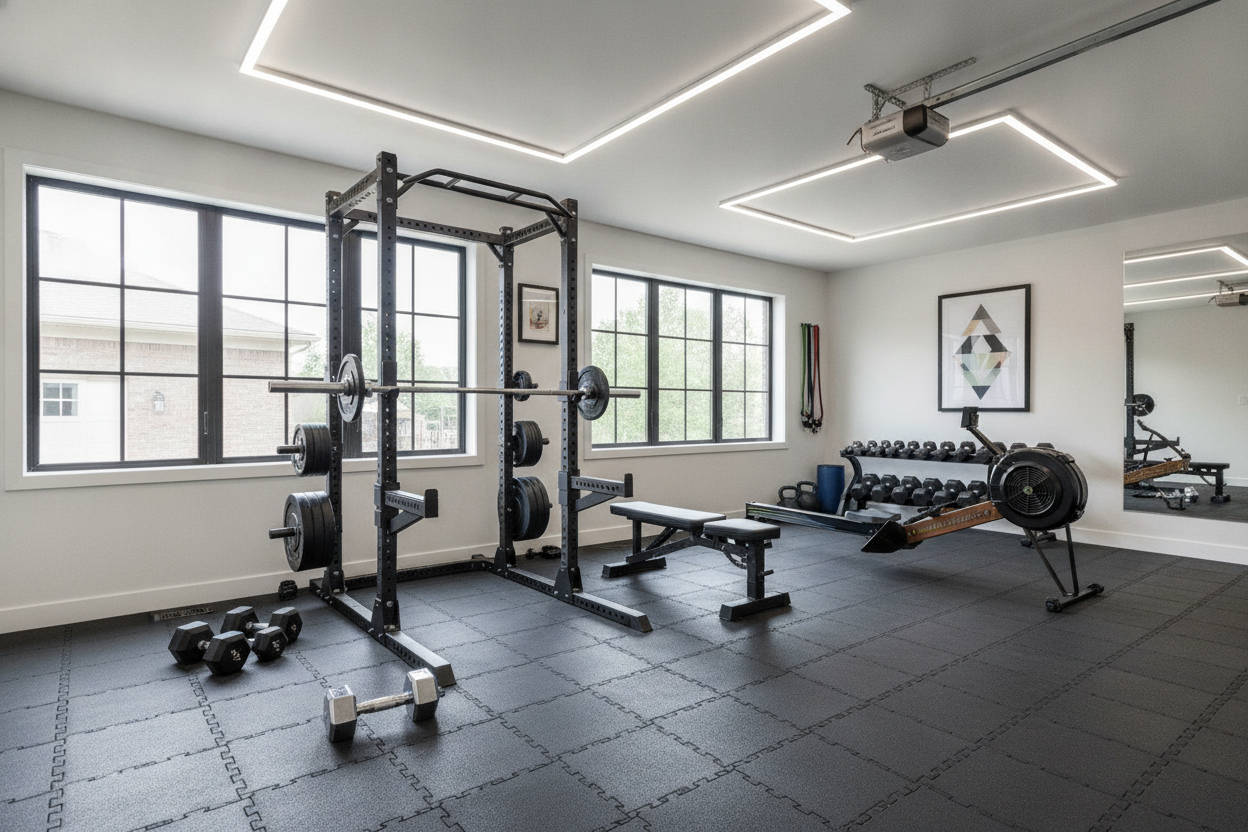
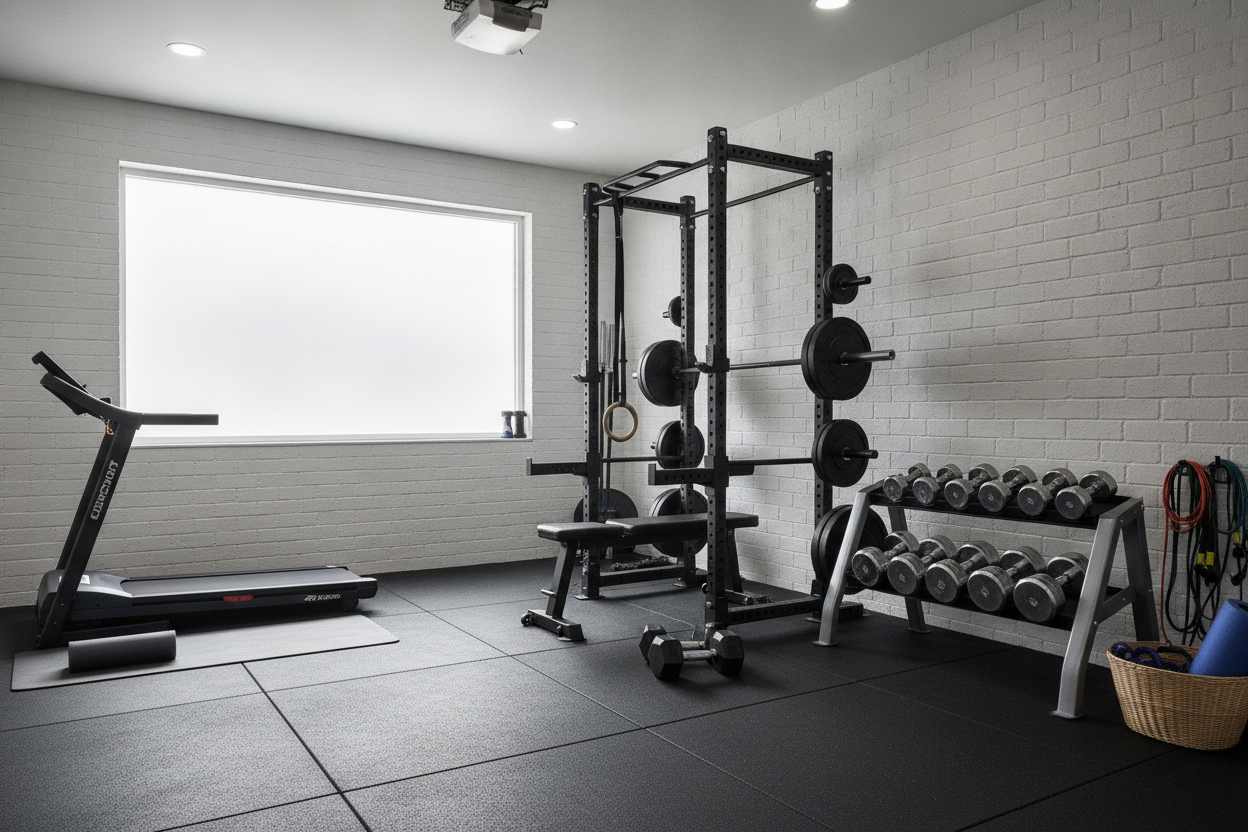
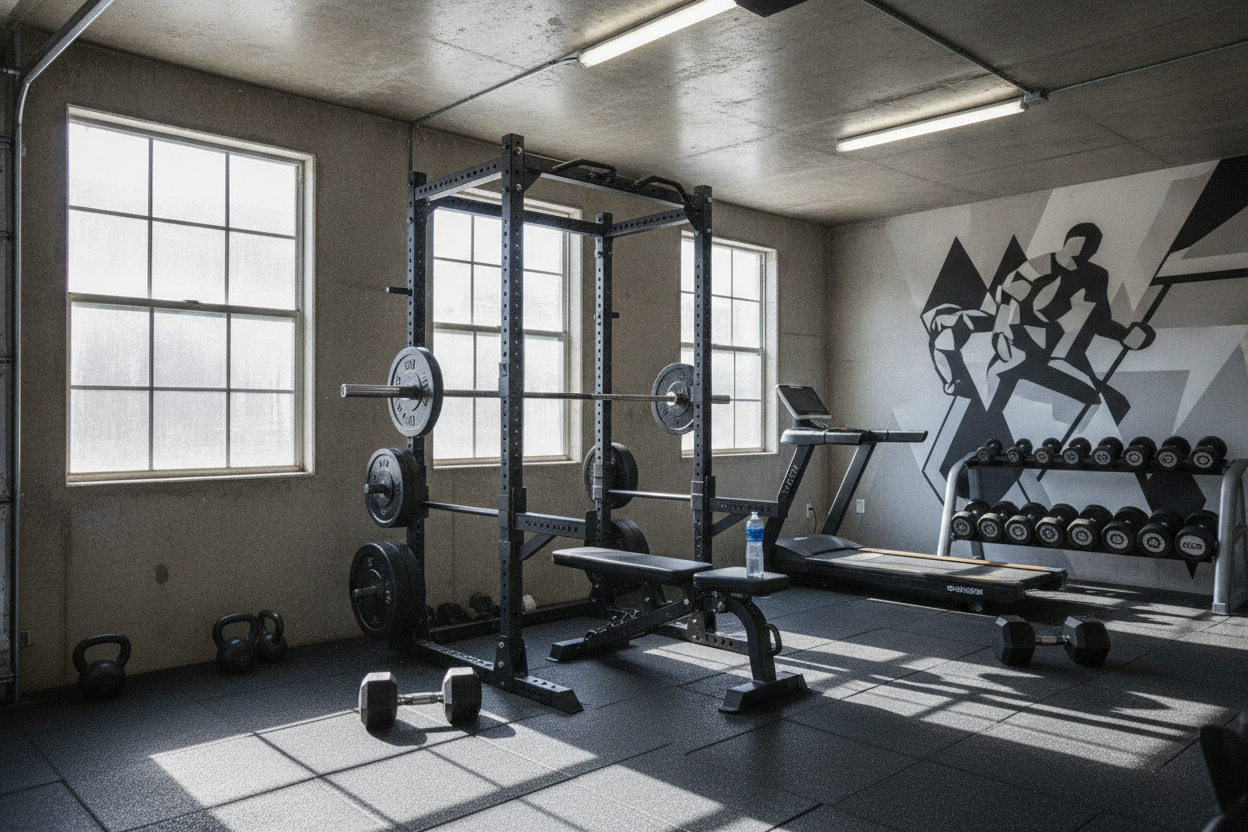
I remember the day I finally quit my commercial gym. It wasn't the $80 monthly fee; it was the fifteen-minute wait for a cable crossover machine while some kid filmed TikToks in the squat rack. I realized that building a body build gym in my garage wasn't just about saving time—it was about reclaiming my training intensity and my gains.
Building muscle in a private space requires a different mindset than training for a powerlifting meet. You aren't just moving weight from point A to point B; you're trying to create a specific look. That means your equipment needs to do more than just hold a heavy barbell.
- Hypertrophy requires angles, not just heavy singles.
- Isolation is the hardest thing to replicate at home without bulk machines.
- Flooring is your best insurance policy against cracked concrete.
- Adjustable gear saves your floor plan and your wallet.
The Big Lie About Home Hypertrophy
The fitness industry wants you to believe that without fifty different selectorized machines, you'll never see a bicep peak or a teardrop quad. That’s nonsense. Traditional gym bodybuilding was built on a foundation of basic movements, and those principles translate perfectly to a garage. The real secret to bodybuilding and fitness at home is understanding tension.
In a commercial setting, machines dictate the path of the weight. In your own space, you have to create that path. You don't need a $4,000 leg press to get big legs; you need the discipline to do high-rep Bulgarian split squats and the right weight to make them hurt. Bodybuilding fitness is about the stimulus, not the brand name on the frame.
Why Your Powerlifting Rack Isn't Enough
Most home gym advice starts and ends with a power rack. While a rack is the heartbeat of any setup, a fitness and bodybuilder needs more than just the 'Big Three' lifts. If you only squat, bench, and deadlift, you're going to end up with massive glutes and a thick waist, but you'll lack the detail that defines a physique. You need to select the best fitness training equipment that allows for lateral movements and isolation.
Think about your delts. You can't build capped shoulders just by pressing a barbell overhead. You need side raises, face pulls, and rear delt flyes. A standard rack doesn't make these easy unless you add the right attachments. You want gear that works in multiple planes of motion, not just up and down.
The 3 Non-Negotiable Upgrades for Muscle Isolation
To make body building fitness work in a 400-square-foot garage, you have to be tactical. First, you need a high-low cable pulley system. Whether it’s a wall-mounted unit or a plate-loaded attachment for your rack, cables provide constant tension that dumbbells can't match. It’s the difference between a 'good' pump and a skin-splitting one.
Second, get a pair of adjustable dumbbells that actually feel like dumbbells. Look for sets that go up to at least 80 lbs and allow for micro-loading. Finally, invest in a heavy-duty FID (Flat/Incline/Decline) bench. When you're following a personal trainer home gym setup, they will almost always emphasize incline work to build the upper chest—something you can't do on a flat powerlifting bench.
Stop Destroying Your Foundation (And Your Joints)
Bodybuilding and fitness training involves a lot of high-rep sets taken to absolute failure. When your muscles give out on that 12th rep of DB presses, you aren't going to gently place the weights down. You're going to drop them. If you're lifting on bare concrete, you're going to ruin your dumbbells and eventually crack your slab.
You need a dedicated drop zone. I always recommend at least a large exercise mat for home gym use to cover the area where you'll be doing your heavy dumbbell work. If you want a more permanent solution, a 3/4-inch gym flooring for home workout mat provides the shock absorption needed to save your joints and your floor when those 100-pounders come crashing down.
A Sample Push Day Without a Pec Deck
You don't need a chest fly machine to get a massive pump. Here is how I run a fit bodybuilding push day in my garage: start with Incline DB Presses (4 sets of 10-12), followed by Weighted Dips using a rack attachment. For the 'fly' movement, use your cable pulley for high-to-low crossovers, or use resistance bands looped around the uprights of your rack.
Finish with overhead tricep extensions using a rope attachment on the cable and some lateral raises. The intensity comes from the short rest periods and the lack of distractions. In your own gym, there is no one waiting for your equipment, so you can superset until your lungs and muscles are screaming without feeling like an asshole.
Is the Garage Actually Better for Getting Huge?
The biggest hurdle in fitness and bodybuilding is consistency. When your gym is twenty feet from your kitchen, you lose the excuses. No commute, no crowds, and no shitty music. The downside? You are the janitor. There is no one to wipe down the bench but you.
Personally, I'll take the occasional dust bunny over a crowded commercial floor any day. My biggest mistake early on was buying a cheap, 'entry-level' adjustable bench. It wobbled the first time I tried to press 80s, and I nearly tore a rotator cuff. Buy the heavy-duty gear first. It’s cheaper than physical therapy.
How much space do I need for a bodybuilding setup?
You can get a pro-level workout in a 10x10 space. The key is using vertical storage for your plates and choosing an adjustable bench that can be stored upright when you aren't using it.
Are cables really necessary for muscle growth?
Necessary? No. Highly effective? Yes. Cables provide constant tension throughout the entire range of motion, which is superior for hypertrophy compared to the 'dead zones' found in many free-weight movements.
What is the best flooring for heavy dumbbells?
Look for high-density rubber. Avoid the foam puzzle mats you see in playrooms; they compress too much under heavy loads and offer zero protection for your concrete floor.