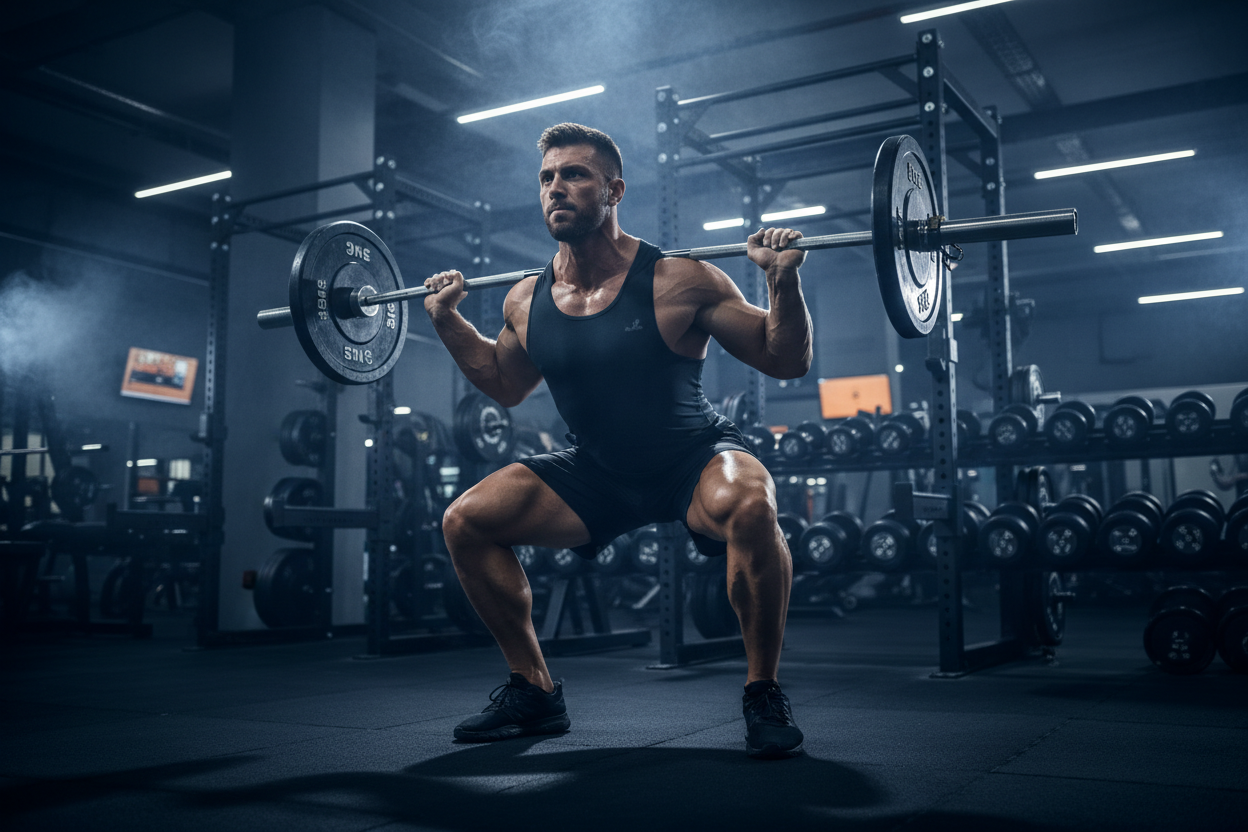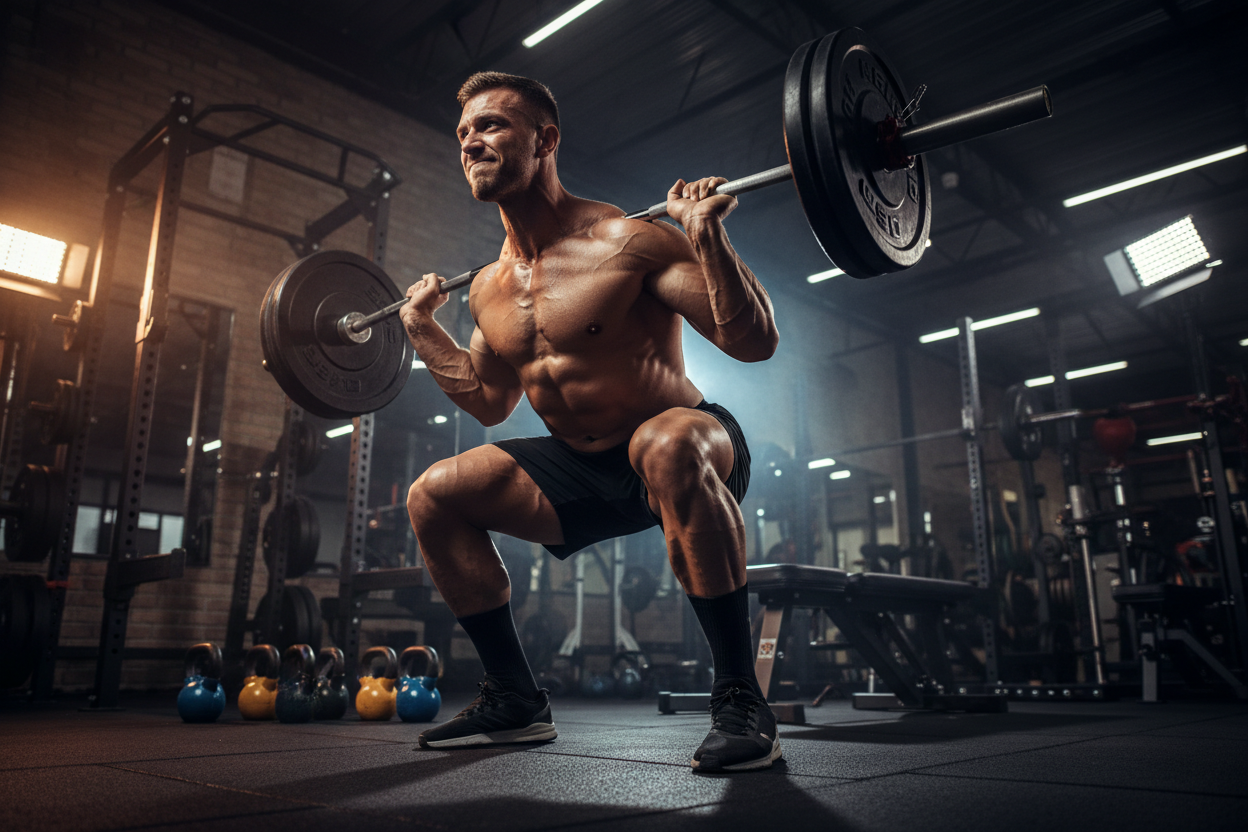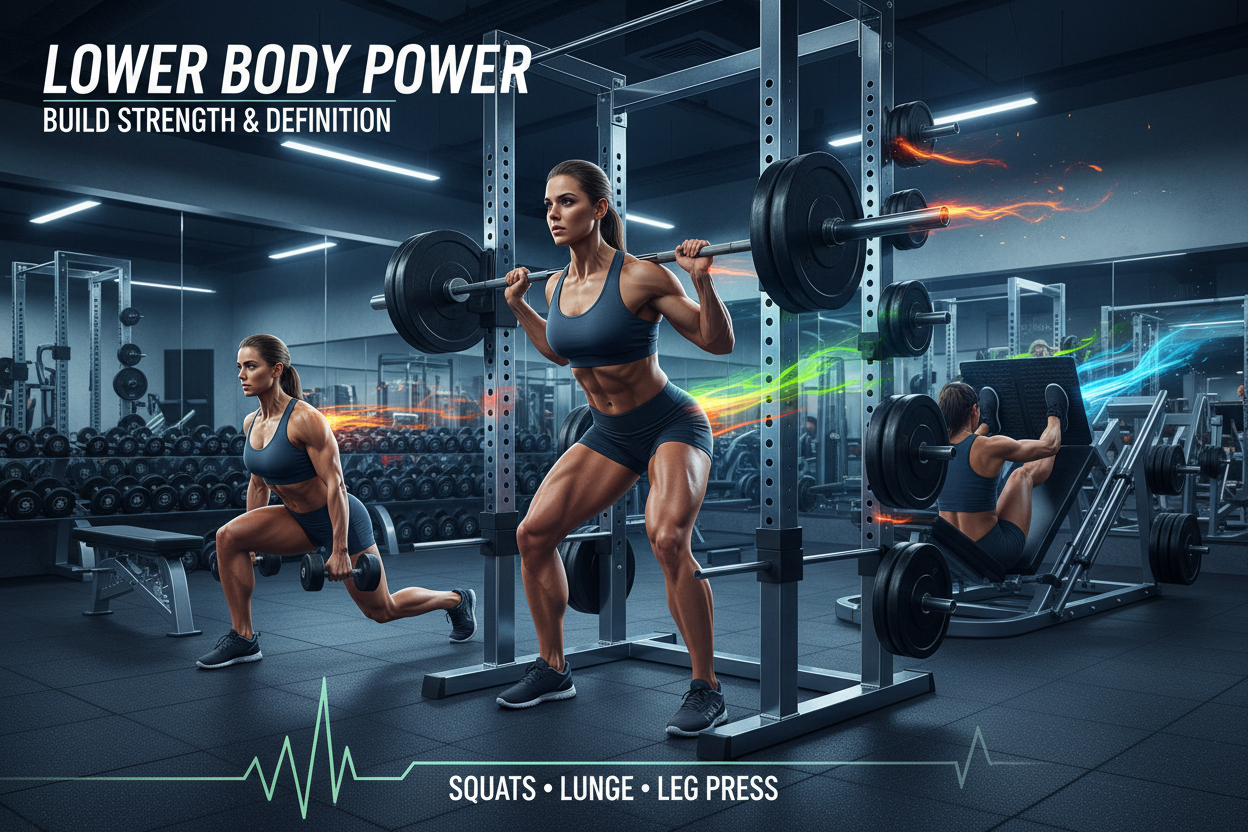
The Blueprint to Building a Stronger, Bigger Lower Body at the Gym
Building a powerful, shapely lower body comes down to a specific combination of mechanical tension, metabolic stress, and consistency. If you are looking for the short answer on how to grow your glutes, here it is: you need to prioritize compound movements that allow for progressive overload—specifically hip extension exercises like thrusts and hinges—and supplement them with abduction and single-leg work. Randomly hopping between machines without a plan won't yield the results most lifters are chasing.
Many gym-goers spin their wheels for years performing high-repetition bodyweight pulses that burn but don't actually stimulate muscle growth. To see physical changes, you have to move weight. This article breaks down exactly how to structure your training, which movements give you the highest return on investment, and how to execute a full glutes workout that actually works.
Why Heavy Lifting Beats Cardio for Glute Development
I remember walking into the weight room for the first time, absolutely convinced that forty-five minutes on the elliptical followed by some light ankle-weight kickbacks was the secret to changing my physique. I did that for six months and looked exactly the same. It wasn't until I overcame my intimidation of the barbell and started a proper glutes lifting workout that my body composition shifted. The reality I learned the hard way is that the gluteus maximus is the largest muscle in the human body. It requires significant resistance to grow. You have to challenge the muscle fibers to tear and repair, which simply doesn't happen with low-intensity cardio alone.
The King of Hinge Movements: Hip Thrusts and Bridges
When discussing the best gym exercises for bum development, the barbell hip thrust usually sits at the top of the list for a reason. Unlike squats, which involve a lot of quad and back engagement, the hip thrust places the load directly on the hips in a shortened position. This creates immense tension on the glutes.
To execute this properly, set up a bench so it hits just below your shoulder blades. Roll the barbell over your hips (use a pad to avoid bruising) and drive your hips toward the ceiling, keeping your chin tucked and your ribs down. You want to avoid hyperextending your lower back. The goal is to lock out the hips using your glutes, not your lumbar spine. If the barbell is intimidating, you can start with a heavy dumbbell across your lap or use the dedicated glute drive machine found in many modern gyms.
The Stretch: Romanion Deadlifts (RDLs)
While the hip thrust works the muscle in the shortened (contracted) position, you also need to train the glutes in the lengthened (stretched) position. This is where the Romanian Deadlift shines. It is arguably one of the most effective exercises for glutes in gym settings because it allows for heavy loading while minimizing knee flexion.
Grab a barbell or a pair of heavy dumbbells. Keep a slight bend in your knees—just enough so they aren't locked—and push your hips backward as if you are trying to close a car door with your backside. Keep the weight close to your shins. You should feel a deep stretch in your hamstrings and glutes as you lower the weight. Stop once your hips can't go back any further; going lower usually just rounds your back, which creates injury risk rather than muscle growth.
Unilateral Training: The Secret Weapon
Bilateral movements (using both legs) are great for moving maximum weight, but they can hide imbalances. If your right side is stronger, it will take over during a squat. Unilateral, or single-leg training, ensures each glute pulls its own weight. This category includes split squats and lunges.
Bulgarian Split Squats are notoriously difficult but incredibly effective workouts at the gym for booty gains. By elevating your rear foot on a bench and dropping your back knee toward the floor, you place nearly all your body weight plus external load on the front glute. To bias the glute rather than the quad, lean your torso forward slightly and keep your shin relatively vertical. Walking lunges and reverse lunges also fall into this category and serve as excellent secondary compound movements.
Isolation and Metabolic Stress
Once the heavy compound lifting is done, you can move on to isolation work. These exercises are meant to pump blood into the muscle and induce metabolic stress. This is where cable kickbacks and abduction machines come into play. These aren't the primary builders, but they are the finishers.
For cable kickbacks, attach a strap to your ankle and set the pulley to the lowest setting. Hinge forward slightly and kick your leg back and slightly out at a 45-degree angle. This targets the gluteus medius, which contributes to the "shelf" look of the upper glutes. Seated abduction machines also target the gluteus medius and minimus. Use these towards the end of your session when you are already fatigued.
Structuring Your Session
A random assortment of exercises won't get you far. You need a structured plan. Here is a sample of what a highly effective session looks like, moving from the most taxing movements to the least taxing.
Sample Hypertrophy Routine
- Compound Lift (Shortened Position): Barbell Hip Thrusts – 3 sets of 8-10 reps (Heavy)
- Compound Lift (Lengthened Position): Romanian Deadlifts – 3 sets of 10-12 reps (Controlled eccentric)
- Unilateral Movement: Reverse Lunges or Bulgarian Split Squats – 3 sets of 12 reps per leg
- Isolation Finisher: 45-degree Hyperextension (rounding the upper back to bias glutes) – 3 sets to failure
- Burnout: Seated Abduction Machine – 2 sets of 20 reps
This structure ensures you hit a full glutes workout covering all movement patterns and muscle fibers without overtraining. You start with the moves that require the most energy and coordination and finish with machine-based work where stability is provided for you.
Frequency and Recovery
You might be tempted to train this muscle group every day, but growth happens during rest, not during the workout. Training glutes heavy 2 to 3 times a week is generally the sweet spot for most natural lifters. If you are sore for days after a session, you likely did enough damage to require significant recovery time. Listen to your body. If performance drops and you can't lift as heavy as the week before, you might need an extra rest day or a deload week.
Nutrition plays the other half of the role. All the hip thrusts in the world won't result in muscle tissue growth if you aren't eating enough protein to support that growth. Aim for a protein-rich diet and a slight caloric surplus if your primary goal is size. If you are in a steep calorie deficit, muscle growth will be significantly harder to achieve.
Final Thoughts on Consistency
The best routine is the one you stick to for months, not weeks. Changing your exercises every time you go to the gym prevents you from tracking progressive overload. Pick your core lifts, write down your weights, and try to beat those numbers slightly every week. That is the reliable path to a stronger physique.
Frequently Asked Questions
How long does it take to see results from glute training?
Visible muscle growth typically takes about 8 to 12 weeks of consistent training and proper nutrition. While you may feel stronger within the first month due to neural adaptations, physical changes in muscle size are a slower biological process that requires patience.
Can I grow my glutes without growing my thighs?
It is difficult to completely isolate the glutes without some quad and hamstring engagement, but you can minimize leg growth by selecting hip-dominant exercises. Focus more on hip thrusts, cable pull-throughs, and 45-degree hyperextensions, rather than heavy squats or leg presses.
Do I need to lift heavy to get a bigger butt?
Yes, to a significant degree. The glutes are large, powerful muscles composed of type II muscle fibers which respond best to heavy resistance and explosive movements. While high-rep bodyweight exercises can improve endurance, heavy lifting is far superior for hypertrophy (size).