The Best Exercise Deltoids Respond To Isn't A Heavy Press
I spent three years chasing a two-plate overhead press because every old-school forum told me it was the secret to cannonball shoulders. My triceps grew, my traps got thick, but my silhouette stayed as narrow as a hallway. The best exercise deltoids actually respond to isn't about moving the most weight; it's about making light weight feel impossible by killing every ounce of momentum.
- Eliminates leg drive and hip sway entirely.
- Forces the medial deltoid to initiate the lift from a dead stop.
- Reduces the risk of rotator cuff impingement from heavy, ego-driven pressing.
- Requires minimal equipment—just a pair of dumbbells and some floor space.
The Problem With How We Normally Train Shoulders
Most of us treat shoulder day like a contest of who can heave the heaviest dumbbells toward the ceiling. We use 'body English,' a little knee bend, and a lot of trap shrugging to get the weight up. The result? You’re moving 50-pounders, but your delts are only doing 20 pounds of the work.
If your goal is purely aesthetic width, the standard standing lateral raise is a trap. You start the movement with a swing, and by the time the weight reaches the top—where the tension is highest—you're already using momentum to carry it through. This is why your best exercise for deltoid growth needs to be one that you can't cheat.
Shoulders vs Delts: Why the Distinction Actually Matters
When people talk about shoulders vs delts, they often use the terms interchangeably, but they shouldn't. Your shoulder is a complex ball-and-socket joint involving the clavicle, scapula, and humerus. The deltoid is the three-headed muscle that sits on top of it.
To find the best exercise for deltoid muscles, you have to isolate the muscle from the joint's compensatory patterns. If you just 'train shoulders,' your body will naturally rely on the stronger, bigger muscles like the traps and pecs to do the heavy lifting. To build delts, you have to force the specific heads—usually the lateral head—to work in isolation.
Why Heavy Presses Fall Short for the Side Delts
Don't get me wrong, I love a heavy press. But the anterior (front) delt and triceps take over the majority of the load. If you're already doing heavy chest and anterior pressing routines, your front delts are likely already overdeveloped.
Pressing rarely creates that 'capped' shoulder look because it doesn't target the medial head effectively. When you're looking for the best exercise for delts, you need something that places the tension directly on the side of the arm. Heavy weights often lead to poor form, where the front delt and upper traps take over the movement just to keep the weight moving upward.
The Momentum-Killer: My Pick for the Best Exercise Deltoids Need
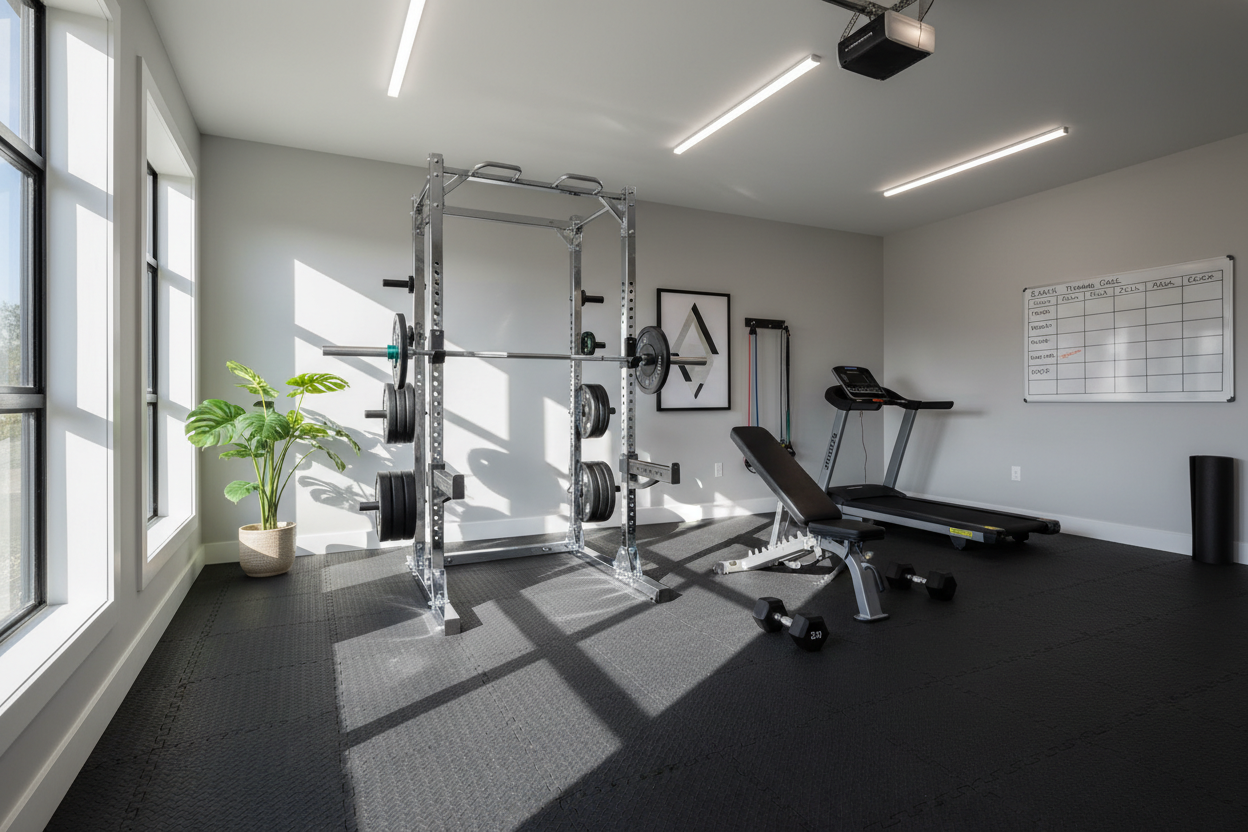
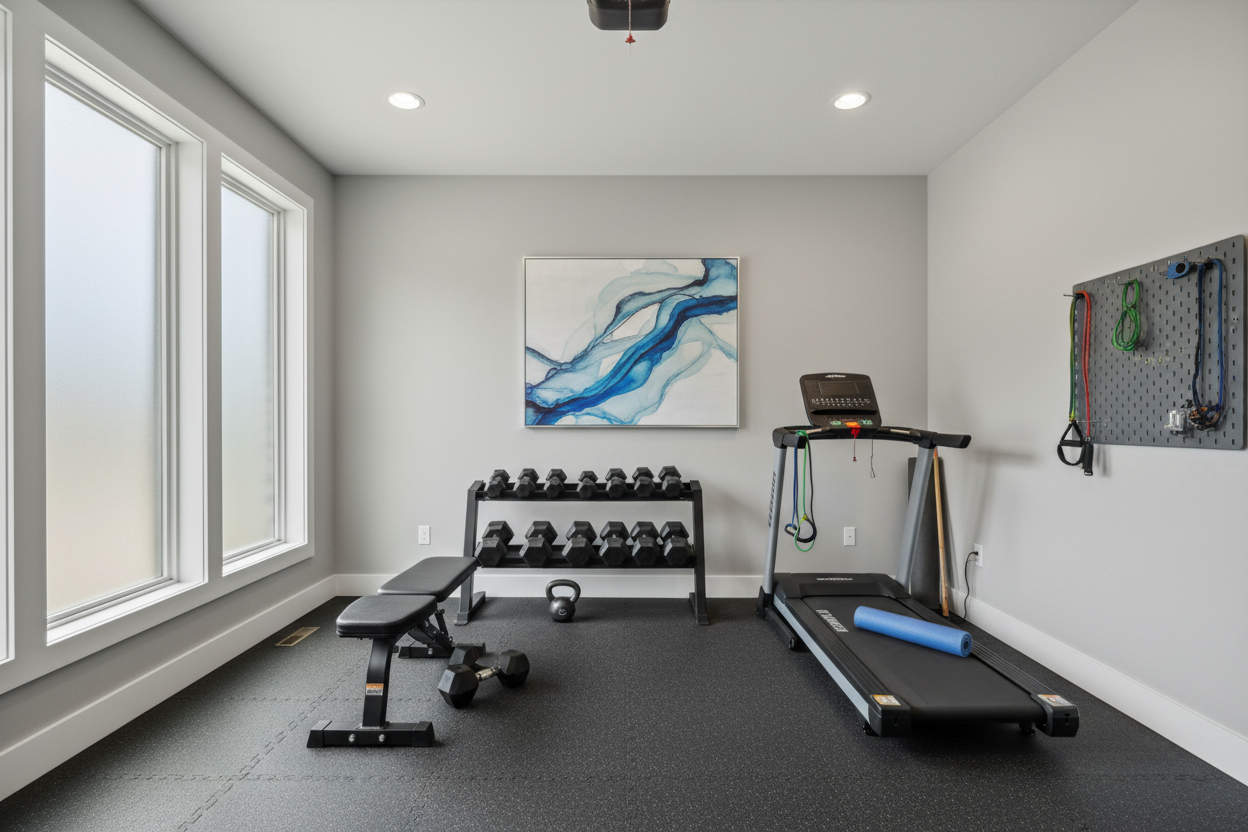
The dead-stop seated floor lateral raise is the most humbling movement I’ve ever done in my garage gym. You sit completely flat on the floor with your legs stretched out in front of you. By sitting on a comfortable large exercise mat, you anchor your lower body and eliminate the ability to use your legs or hips for a 'kickstart.'
Holding the dumbbells at your sides, you let them rest on the floor for a second. This is the 'dead stop.' You have to use 100% muscle fiber recruitment to get those weights moving. You'll quickly realize that the 15-pound dumbbells feel like 40s. This is the best workout for deltoid isolation because there is literally nowhere for the tension to go except into the medial head.
How to Execute the Floor Lateral Raise Properly
Start by sitting tall with a neutral spine. Don't lean back against a wall; use your core to stay upright. Hold the dumbbells with a neutral grip, palms facing your thighs. This is your starting position.
Initiate the raise by thinking about pushing the weights 'out' toward the walls, rather than 'up.' Keep a slight bend in your elbows. When the weights reach shoulder height, pause for a split second, then control the descent. Let the dumbbells come to a complete rest on the floor before starting the next rep. No bouncing.
Building the Best Workout for Deltoid Growth Around This Move
Since this is an isolation move, don't lead with it if you're doing heavy compounds. I prefer to use this as my second or third exercise. Aim for 3-4 sets of 12-15 reps. The goal isn't to fail at rep 5; the goal is the 'burn' and the pump that comes from constant tension.
Pair these with a face pull or a rear delt fly to hit the posterior head. Because you’re sitting on the floor, you can transition quickly between moves without moving much equipment. It’s an efficient way to build the best deltoid package without needing a rack full of heavy iron.
The Bottom Line on Finding Your Best Deltoid Builder
The best exercise for deltoid width isn't the one that lets you brag about your numbers. It's the one that makes you grimace with a pair of 'light' weights. Stop ego-lifting and start isolating. Your joints—and your t-shirts—will thank you.
Personal Experience: The Day I Dropped the Ego
I remember the first time I tried these. I grabbed my usual 35-pounders, sat down on the floor, and couldn't even get them six inches off the ground without my back rounding like a frightened cat. It was embarrassing. I had to swallow my pride and grab the 15s. But after six weeks of floor raises, my shoulders actually started to pop for the first time in years. The 'dead stop' doesn't lie.
FAQ
Is sitting on the floor better than sitting on a bench?
Yes. On a bench, you can still 'cheat' by slightly using your legs or leaning back. On the floor, your legs are out of the equation entirely. It’s the ultimate honesty test for your delts.
Should I use a thumbless grip?
Some people find a thumbless 'suicide' grip helps them feel the lateral delt more, but I prefer a full grip for better control. Try both and see which one lets you 'push out' better.
How often should I do this?
The delts recover quickly. You can easily plug this into your routine twice a week. Just make sure you aren't overworking your rotator cuffs with too much volume.