There Are Only 4 Kinds of Flexibility Exercise That Actually Matter
I remember trying to hit a 405-lb squat three years ago while my hips felt like they were glued shut with industrial epoxy. I spent twenty minutes yanking on my hamstrings like a madman, only to feel weaker and more unstable when I finally got under the bar. It was a classic mistake: I was doing the wrong kinds of flexibility exercise at the absolute worst time.
Most lifters treat stretching as an afterthought or a boring chore to be rushed through. But if you want to keep training into your 40s and 50s without your joints sounding like a bowl of Rice Krispies, you need a strategy. You don't need a thousand different movements; you need to understand the four specific categories of mobility work and where they fit into your training week.
- Dynamic: Use this to prime your central nervous system before you touch a barbell.
- Static: Save this for the post-workout cooldown to downregulate your system.
- PNF: The 'nuclear option' for fixing chronic tightness and gaining new range of motion fast.
- Active Isolated: Perfect for stubborn joints like shoulders and ankles that need blood flow without the fatigue.
Stop Doing Random Types of Flexibility Workouts
The biggest reason people fail to see results is they treat all types of flexibility workouts as interchangeable. They’ll do long, passive holds right before a heavy snatch session, which actually reduces power output and makes the joints feel 'loose' in a bad way. You wouldn't try to PR your deadlift while your body is in sleep mode, so why would you use a stretching method designed to relax you?
Matching the method to the goal is the secret sauce. If you are warming up, you want movement. If you are recovering on a Sunday afternoon, you want stillness. If you are trying to fix a legitimate mobility restriction that is ruining your squat depth, you need a more aggressive, neurological approach. Stop guessing and start categorizing.
The 4 Kinds of Flexibility Exercise (Minus the Jargon)
The fitness industry loves to invent new names for the same three movements to sell you 'mobility' certifications. It’s reached a point where I Googled every name of stretching exercise just to see how much fluff was out there. Strip away the marketing, and you are left with four distinct types of flexibility exercise that actually move the needle for someone who lifts heavy.
1. Dynamic: The Pre-Lift Primer
Dynamic stretching involves moving through a range of motion repeatedly without holding the end position. Think leg swings, arm circles, or deep bodyweight lunges. These are the only types of flexibility stretches you should be doing before you load a barbell. They increase your core temperature and wake up your nervous system.
When I’m prepping for a heavy bench day, I’m not touching my toes for 60 seconds. I’m doing band pull-aparts and controlled shoulder circles. The goal is to tell your brain that it’s safe to access those ranges of motion under load. If you skip this, you’re basically trying to redline a cold engine.
2. Static: The Post-Workout Cooldown
Static stretching is what most of us learned in middle school gym class: reach for your toes and hold it until it hurts. While it’s terrible for performance right before a lift, it’s excellent for recovery. Once your muscles are warm and the work is done, these types of flexibility exercise help shift your body from a 'fight or flight' state into a 'rest and digest' state.
The key here is comfort. I found that trying to do these on a hard floor ruined my flexibility exercises because I couldn't actually relax my nervous system. You need a surface that allows you to sink into the stretch for 30 to 60 seconds without your knees screaming from the pressure of the concrete.
3. PNF (Proprioceptive Neuromuscular Facilitation): The Deep Fix
PNF is the 'contract-relax' method. You take a muscle to its end range, contract it as hard as you can against resistance (like a partner or a strap) for about 6 seconds, and then relax into a deeper stretch. It tricks your Golgi Tendon Organs into letting the muscle relax further than it normally would. It’s incredibly effective for opening up tight hamstrings or a sticky chest.
Because PNF involves intense contractions, you need a stable base. I usually do my PNF work on a large yoga mat so I have enough grip to push against the floor without sliding. If you're sliding around, you can't generate the force needed to trigger the neurological release. This is high-intensity mobility; don't treat it like a casual stretch.
4. Active Isolated: The Stubborn Joint Fix
Active Isolated Stretching (AIS) is the middle ground. You use the opposing muscle to pull yourself into a stretch, hold it for exactly two seconds, and then release. For example, to stretch your hamstring, you use your quad to lift your leg. You do 10 to 12 reps. This 'pumps' blood into the joint and avoids the stretch reflex that causes muscles to tighten back up.
I use AIS for my ankles and wrists. It’s a great way to get synovial fluid moving in joints that feel 'crunchy' in the morning. It’s low fatigue but high reward, making it a great 'filler' exercise between sets of upper body work if you have a specific joint that always feels stiff.
Which Activity is a Type of Flexibility Exercise? (A Practical Checklist)
People often ask me, which activity is a type of flexibility exercise? The truth is, any movement that takes a joint through its full range of motion under control counts. A deep Bulgarian split squat isn't just a leg builder; it’s a massive active stretch for the hip flexors of the trailing leg. A Romanian deadlift is essentially a weighted hamstring stretch.
If you are training with a full range of motion, you are already doing flexibility work. The mistake is cutting your reps short. If you squat to parallel but could safely go deeper, you are leaving mobility gains on the table. Use your warm-up sets as a diagnostic tool to see where your movement is restricted that day.
How to Build Your Weekly Routine (Without Living on Your Floor)
You don't need an hour of yoga every day. Spend 5 minutes on dynamic movements before you lift. Spend 5 minutes on static or AIS work after you lift. On your off days, dedicate 15 minutes to PNF or deep static holds for your most problematic areas. That’s it. Consistency beats intensity every single time.
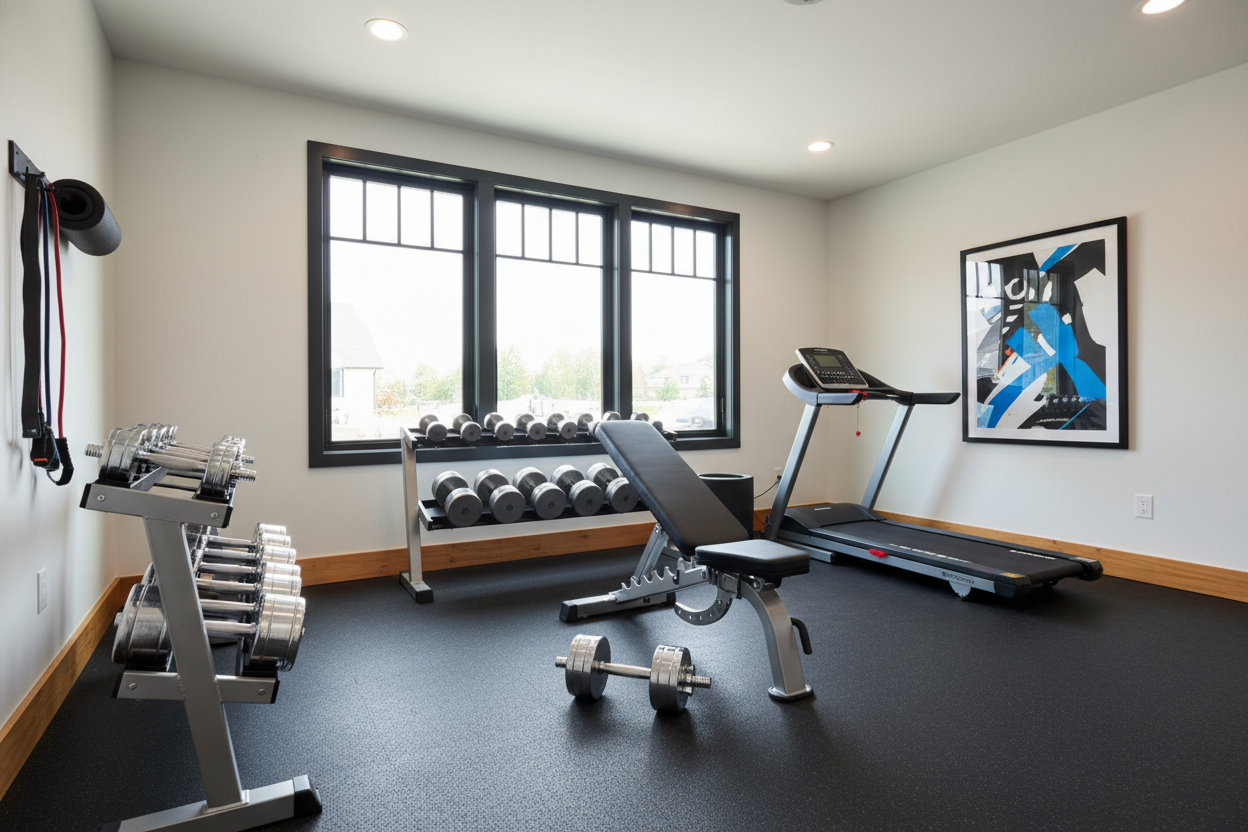
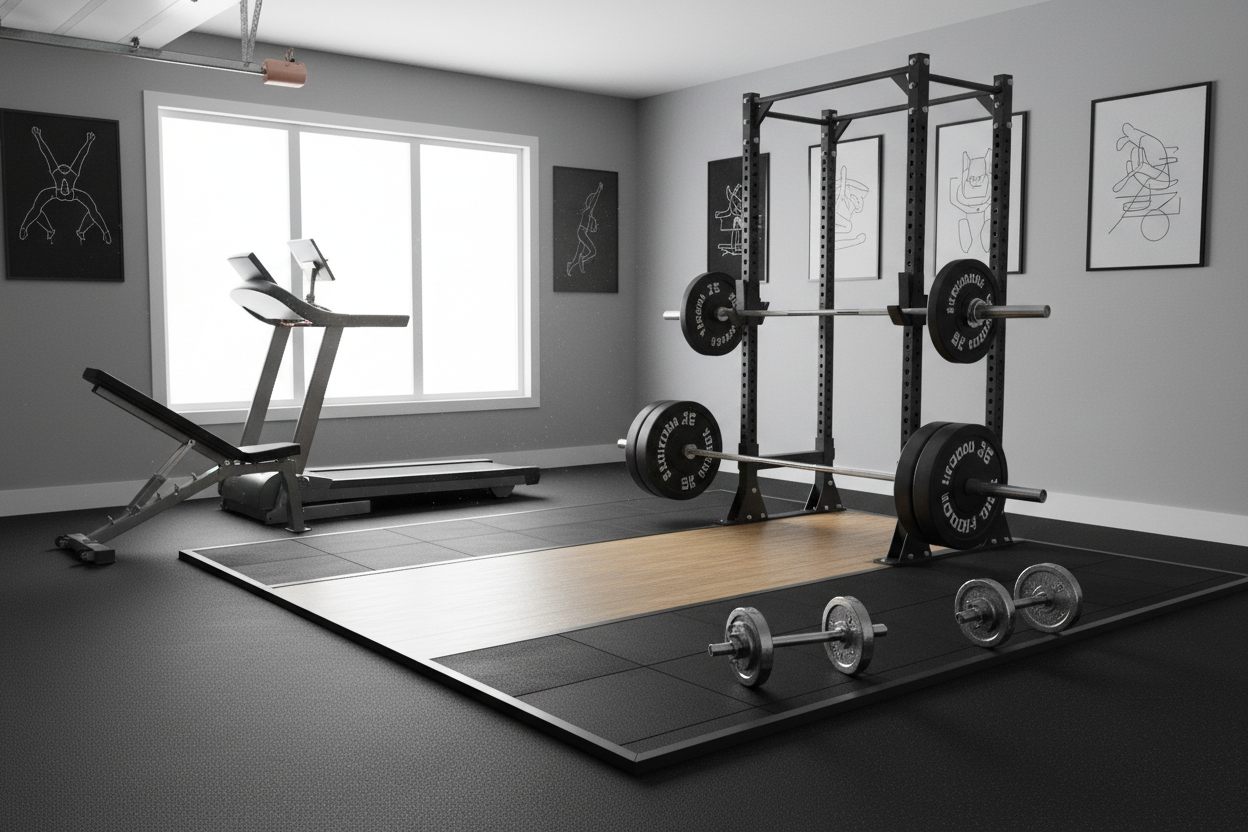
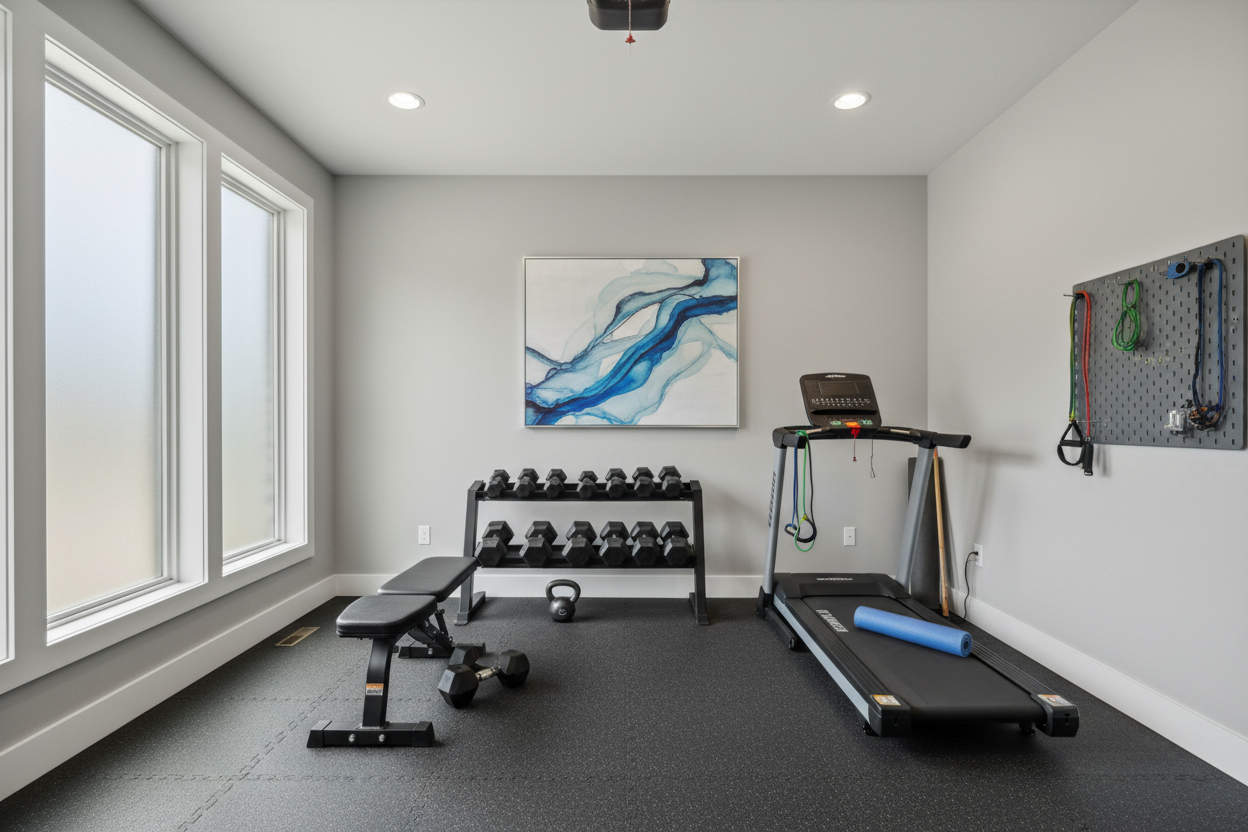
I recommend setting up a dedicated recovery zone in your gym. I put a 6x8ft exercise mat in the corner of my garage gym next to my foam roller. Having that dedicated space makes it much more likely that I’ll actually do the work instead of just heading inside to the couch as soon as my last set is done. If the space is ready, you'll use it.
Personal Experience: The Injury That Changed My Mind
I used to be the guy who walked into the gym, put 135 on the bar, and started squatting immediately. I thought mobility was for people who didn't train hard. That lasted until I tore a hip labrum. I spent six months in physical therapy learning that my 'toughness' was just a mask for poor movement patterns. Now, I never skip my dynamic prep. It’s not about being 'bendy'; it’s about being able to reach the positions required to move heavy weight safely. My squats are deeper and my back feels better at 35 than it did at 25.
FAQ
Is yoga the same as flexibility exercise?
Yoga is a discipline that incorporates many kinds of flexibility exercise, but it also includes balance and isometric strength. It's a great tool, but you can get all the mobility you need for lifting without ever doing a 'downward dog.'
Can I do static stretching before I lift?
You can, but it’s usually counterproductive. It can temporarily reduce the 'snap' in your muscles. Stick to dynamic movements before the heavy stuff and save the long holds for the end of the session.
How long does it take to see results?
You’ll feel better immediately after a session, but permanent changes in muscle length and joint range usually take 4 to 6 weeks of consistent work. Think of it like brushing your teeth—you do it daily to prevent problems, not just when you have a cavity.