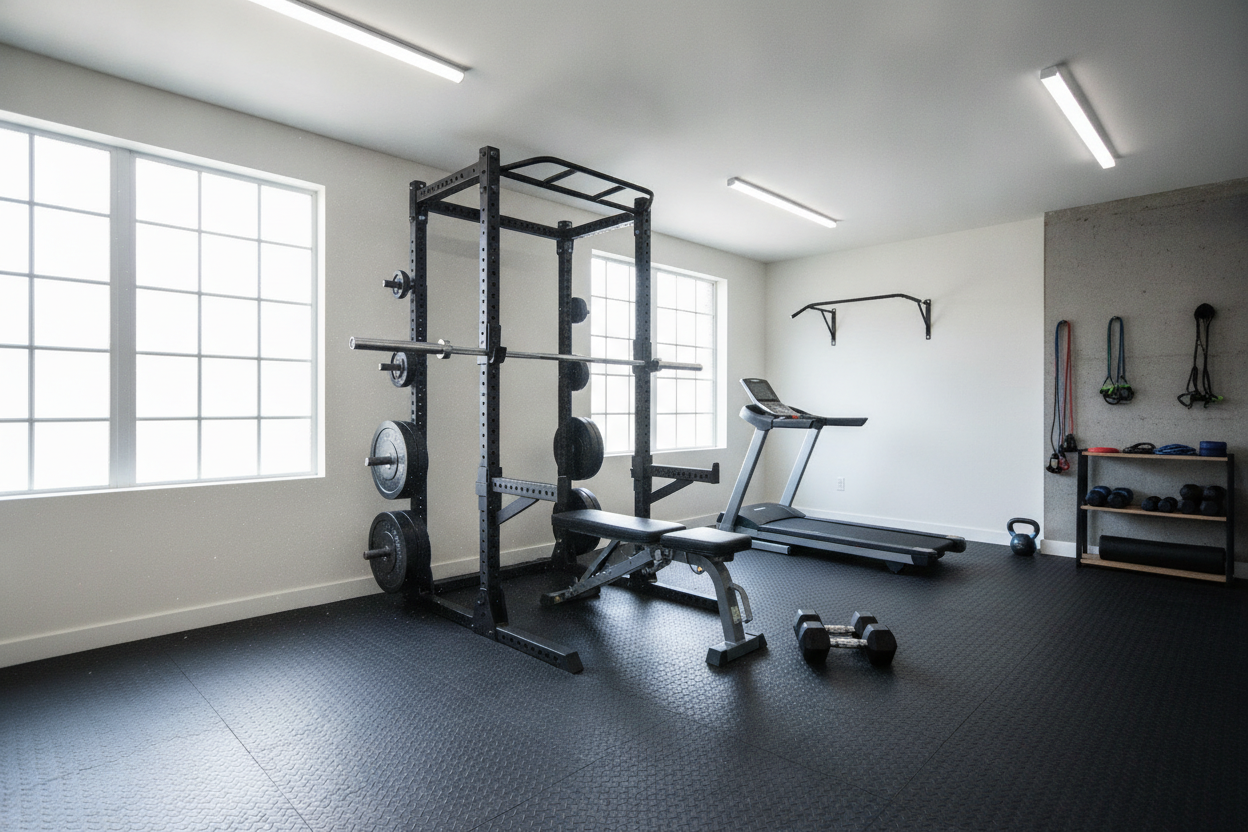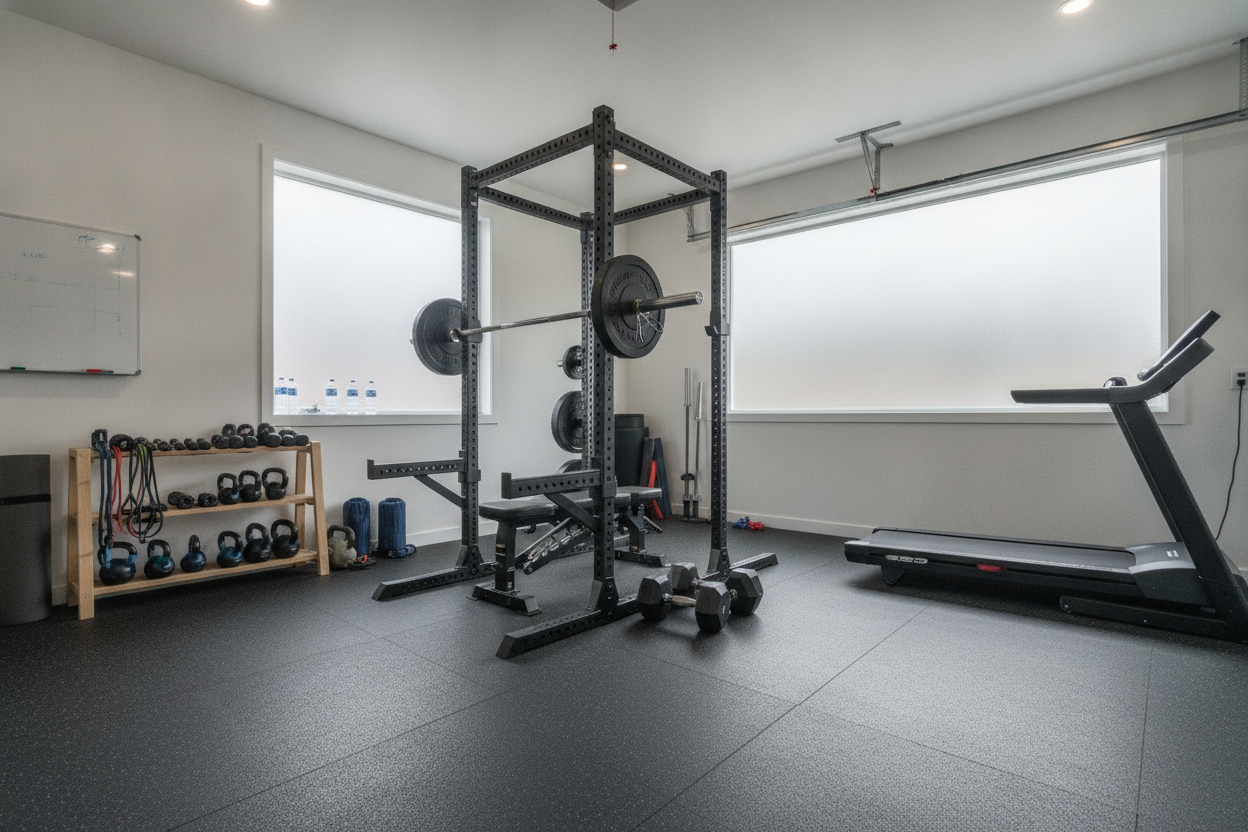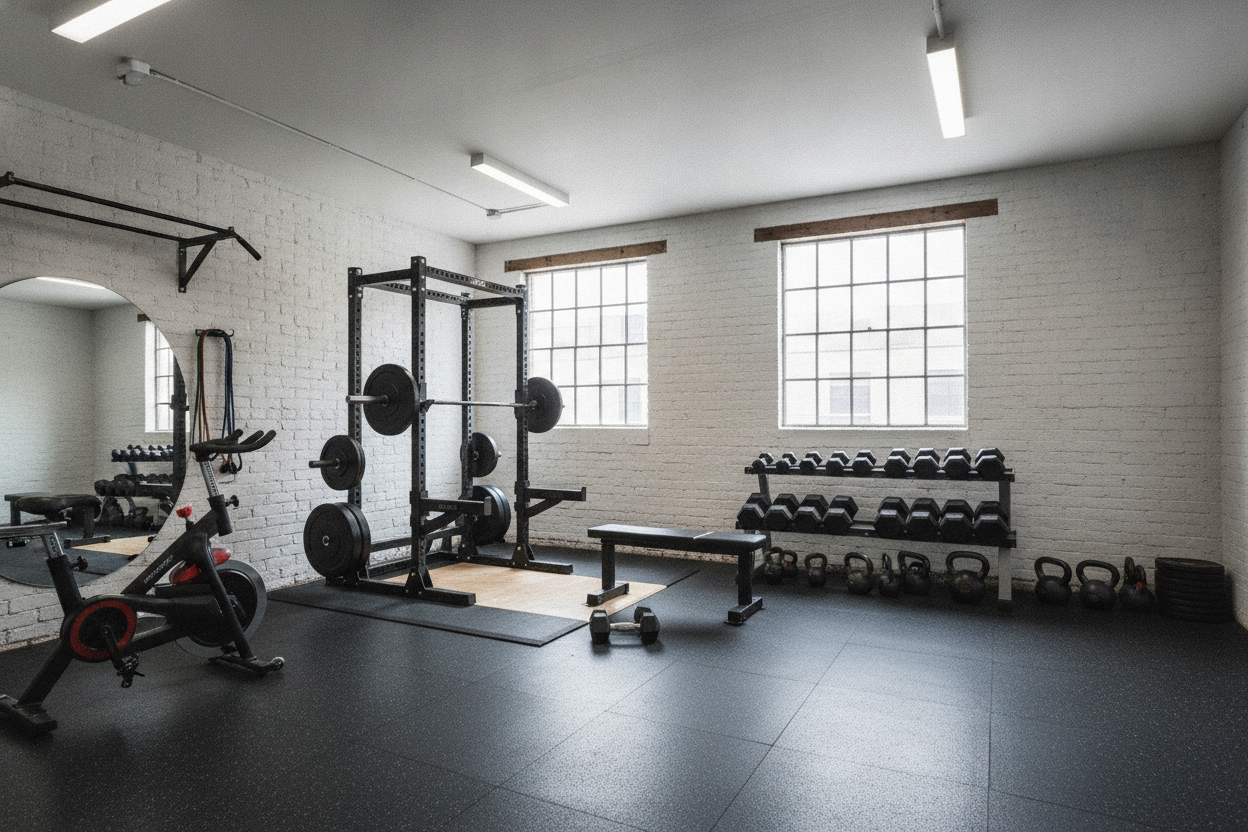
The Best Equipment for Home Gym Training Doesn't Plug Into a Wall
I remember staring at my credit card statement three years ago, watching my local 'commercial' gym hike their monthly rates while the only squat rack they owned stayed perpetually out of order. I finally snapped and ordered a cheap bench online that wobbled the second I tried to press 135 pounds. It was a wake-up call. Finding the best equipment for home gym setups isn't about buying the flashiest thing on Instagram; it's about buying the last thing you will ever need to buy.
Quick Takeaways
- Avoid anything with a screen or a mandatory monthly subscription.
- Prioritize 11-gauge steel and 3x3 uprights for your power rack.
- Standard cast iron plates save space compared to bulky bumper plates.
- High-quality flooring is cheaper than repairing cracked concrete.
The Trap of the 'Smart' Fitness Machine
Digital fitness mirrors and AI-powered weight machines are the 'treadmills-turned-laundry-racks' of the modern era. They look sleek in a showroom, but they are built on planned obsolescence. If the company goes bankrupt or stops supporting the software, your five-thousand-dollar investment becomes a very heavy, very expensive wall mirror. These machines also fail to teach you the stabilization and proprioception required for real-world strength.
You can Transform Your Home With The Best Gym Equipment For Effective Workouts by focusing on mechanical reliability rather than Wi-Fi connectivity. A barbell doesn't need a firmware update to help you build a bigger chest. Stick to tools that rely on gravity, not an algorithm. If it requires a power cord to function, it probably doesn't belong in a serious garage gym.
How to Build the Best Home Gym for the Money
If you want the best home gym for the money, you have to think like a weightroom manager, not a consumer. Your budget should be allocated in this order: Rack, Barbell, Plates, Bench. Everything else is a luxury. A power rack with 3x3-inch 11-gauge steel is the industry standard for a reason—it will literally outlive you. Look for racks with 5/8-inch or 1-inch holes, which allow you to add attachments like dip bars, lever arms, and weight horns later on.
When it comes to the bar, don't skimp. A cheap bar has 'mushy' knurling and might permanently bend under a 300-pound load. You want a multi-purpose bar with a tensile strength of at least 190,000 PSI. Discover The Best Fitness Equipment Brands For Your Home Gym that offer lifetime warranties on their frames. Brands like Rogue, REP, or Titan have built their reputations on iron, not apps. Buying a used set of 'rusty' iron plates and cleaning them with a wire brush is the ultimate pro-move for saving hundreds of dollars.
The Only Time I Actually Recommend Buying Machines
I am a free-weight purist, but I am also a realist. As you get older or more advanced, isolation work becomes necessary to keep your joints happy. If you have a 10x10 space, you probably shouldn't buy a dedicated leg press. However, if you have a 3-car garage and a healthy budget, certain machines provide a stimulus that a barbell simply cannot replicate. The key is choosing machines that are plate-loaded to keep maintenance low and versatility high.
So, What Are the Best Machines for Home Gym Use?
The best machines for home gym use are functional trainers and lat pulldown towers. A functional trainer with a 2:1 pulley ratio is the Swiss Army knife of the gym. It allows for cable crossovers, face pulls, and tricep extensions in a relatively small footprint. If you can find one with a 200-pound weight stack, you'll never outgrow it. A simple lat pulldown tower is the other 'must-have' because it allows for vertical pulling movements that are difficult to mimic with just a pull-up bar, especially if you are working through an injury.
Your Iron Is Only as Good as Your Floor
I have seen guys spend $4,000 on a custom-painted rack only to bolt it directly into a thin garage slab. One heavy set of deadlifts later, and they are staring at a spiderweb of cracks in their foundation. You need a Large Exercise Mat For Home Gym or, better yet, 3/4-inch thick horse stall mats. These mats protect your equipment from the concrete and, more importantly, protect your concrete from the equipment.
Proper flooring also dampens the noise. If you're training at 5:00 AM while the family is asleep, that vibration dampening is the difference between a productive session and a domestic dispute. Don't buy those interlocking foam squares from the toy aisle—they will compress and slip under heavy loads. Get the heavy, recycled rubber mats that weigh 60 pounds each. They aren't pretty, but they work.
Personal Experience: My $600 Mistake
Early in my journey, I bought a 'complete' home gym system from a big-box retailer. It had a butterfly press, a leg developer, and a preacher curl pad all attached to one flimsy frame. The first time I tried to squat in it, the whole thing shifted six inches to the left. The cables were coated in cheap plastic that started peeling within a month, eventually snapping during a set of rows. I spent more time tightening bolts than lifting weights. I eventually sold it for $50 on Craigslist and bought a used squat stand. My progress doubled in six months because I stopped worrying if the machine was going to break.
Frequently Asked Questions
How much space do I actually need for a home gym?
You can fit a full power rack and barbell in an 8x8 foot area, but you really want at least 10x10 feet to allow for 'plate math'—the ability to walk around the bar and load weights without hitting a wall.
Are bumper plates better than iron plates?
Only if you are doing Olympic lifts (cleans, snatches) where you drop the bar from overhead. For powerlifting or bodybuilding, iron plates are thinner, allowing you to fit more weight on the bar, and they are significantly cheaper.
Do I need to bolt my rack to the floor?
If you are doing heavy pull-ups or using lever arms, yes. If you have a 'flat-foot' rack design and you aren't doing dynamic movements, you can usually get away without bolting it, provided you keep some weight plates on the storage pegs for stability.