Your Training Plan for Muscular Strength Is Too Complicated
I remember scrolling through social media at 11 PM, looking at a 'pro' split that involved four different types of bicep curls and three cable variations for the rear delts. I was exhausted just reading it. If you are like me, you have a garage, a barbell, and maybe 45 minutes before the rest of the world starts demanding your time. You need a training plan for muscular strength that actually produces results without requiring a spreadsheet the size of a tax return.
- Focus on compound movements like squats and deadlifts.
- Three to four sessions per week is the sweet spot for recovery.
- Progressive overload is the only rule that matters.
- Invest in a solid rack and a barbell that won't whip under 300 lbs.
The Problem With Modern 'Strength' Routines
Most 'strength' routines you find online are just high-volume bodybuilding programs wearing a trench coat. They bury you under 20+ sets per workout, chasing a pump that disappears twenty minutes after you hit the shower. If you are doing 12 different isolation exercises, you aren't building raw power; you are just burning calories and wearing out your joints.
A real fitness plan for muscular strength should be efficient. I personally stopped chasing size once I realized that my bench press had stalled for six months because I was too fatigued from accessory work to actually push heavy weight. When you strip away the fluff, you give your central nervous system the room it needs to actually get stronger.
The Only 4 Movements That Actually Matter
You do not need a 15-machine circuit. You need the big rocks: the squat, the hinge, the horizontal push, and the vertical pull. These four movements recruit the most muscle mass and allow for the greatest amount of weight to be moved. If you can't squat your own body weight for ten reps yet, you have no business worrying about leg extensions.
The squat builds the foundation. The hinge (deadlifts or RDLs) builds the posterior chain. The horizontal push (bench press or floor press) builds the chest and triceps, and the vertical pull (weighted pull-ups or rows) ensures your back can support the heavy loads you're moving. Everything else is just seasoning on the steak.
How to Program Your Lifts (Without a Math Degree)
Programming should be boring. If it's exciting, you're probably changing things too often to see progress. Stick to the classics: 5x5 or 3x5 for your main lifts. This rep range is the 'Goldilocks zone'—heavy enough to build serious tension, but enough volume to practice the skill of the lift.
You need to stop overthinking weight training and focus on the simplest metric: the weight on the bar. If you hit your 5x5 at 225 lbs this week, put 230 lbs on the bar next week. It is that simple. When you can no longer add weight every session, you move to adding weight every week. Don't go hunting for complex percentages until you're at least an intermediate lifter.
Why You Need to Rest More Than You Lift
Garage gym athletes often fall into the 'more is better' trap. We think if three days is good, six days must be twice as good. That is a fast track to a snapped-up lower back. Heavy strength training is a massive tax on your central nervous system (CNS). Unlike your muscles, your CNS takes a lot longer to bounce back from a heavy triple.
I have found that training every other day—or a simple Monday/Wednesday/Friday split—works best for most people with a job and a life. It gives you 48 hours between sessions to eat, sleep, and recover. If you feel like a zombie before you even touch the bar, you aren't training too soft; you're recovering too little.
The Minimalist Gear Required to Pull This Off
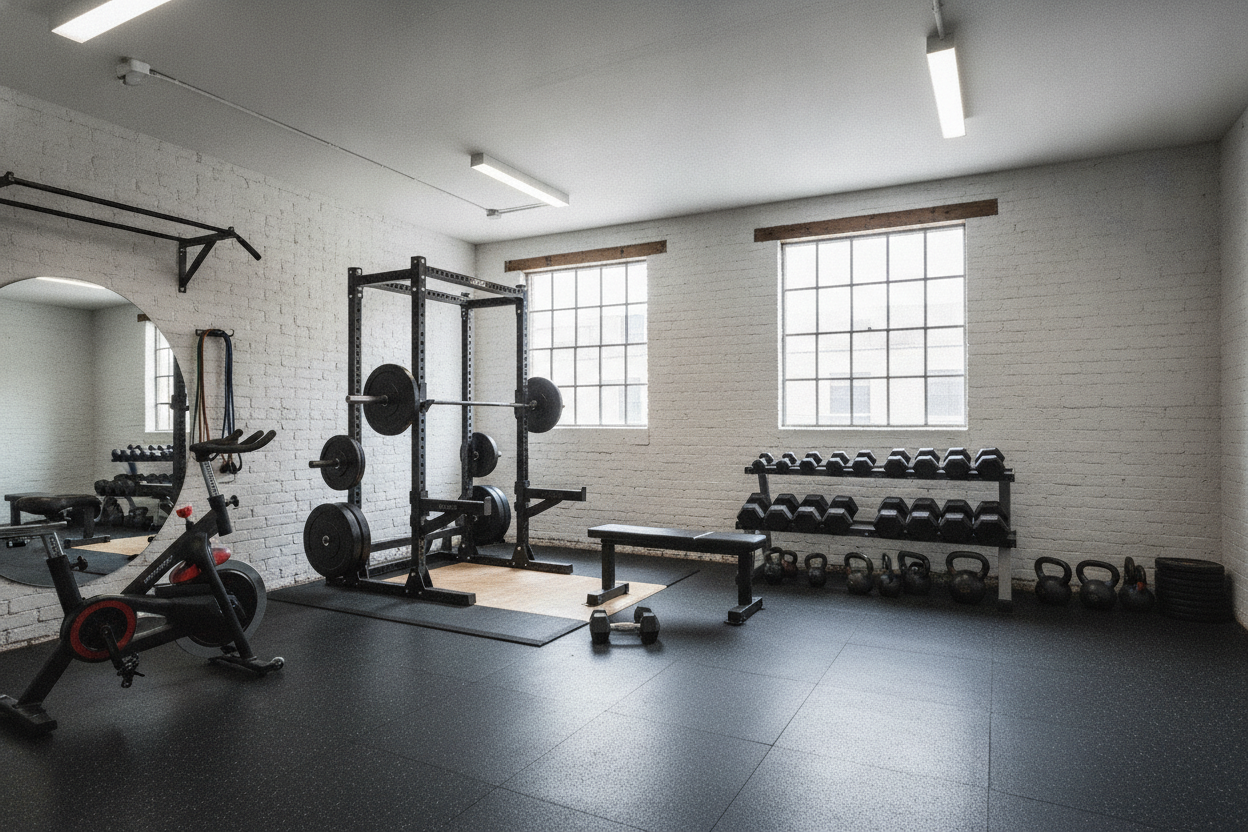
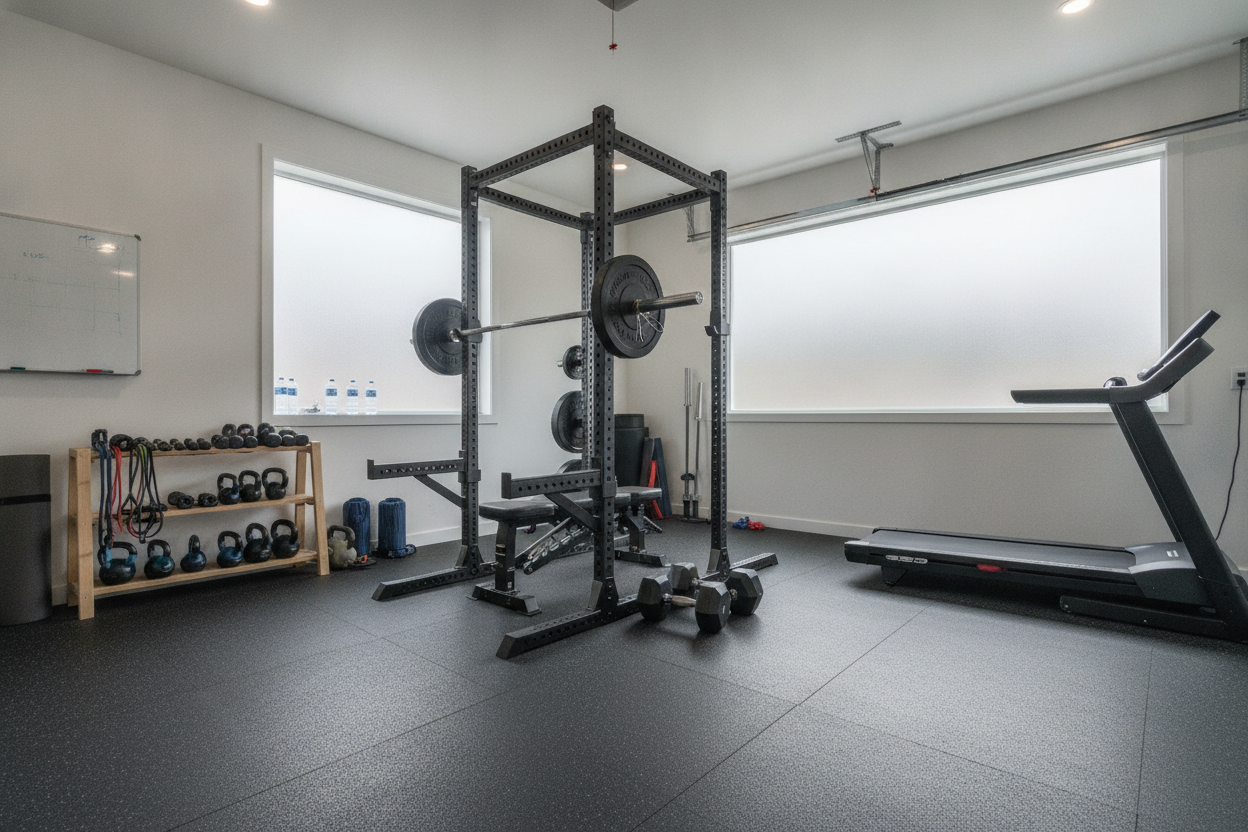
You don't need a commercial gym membership. To run this plan effectively, you need a power rack that doesn't wobble when you re-rack a heavy squat and a barbell with decent knurling. Look for high-quality strength equipment that is rated for at least 700 lbs. Even if you aren't lifting that yet, the stability of a heavy-duty rack changes the psychology of the lift.
Beyond the big iron, a few strength training accessories can help. A 10mm lever belt is great for bracing on heavy deadlift days, and some liquid chalk will keep that bar from sliding out of your hands when the garage gets humid. You don't need the fancy machines; you just need the basics built to last.
How long should I rest between sets?
For strength, forget the 60-second timer. Rest 3 to 5 minutes. You want your heart rate to settle so your muscles have enough ATP to move the heavy weight again. If you're rushing, you're training for endurance, not power.
Can I add 'beach work' like curls?
Sure, but do it at the very end. Spend 80% of your time on the big four. If you have 10 minutes left, knock out some curls or lateral raises. Just don't let the 'extra' stuff eat into your recovery for the main lifts.
What if I miss a rep?
Don't panic. If you miss a rep in a 5x5, try the same weight again next session. If you miss it three sessions in a row, deload by 10% and work your way back up. It's a marathon, not a sprint.