The Best Dumbbell Set for a Garage Gym Doesn't Cost $1,000
I remember the day I realized my local commercial gym was charging me $80 a month just to wait in line for the 50-pounders. I went home and spent six hours scrolling through the 'best rated dumbbell sets' on Amazon, paralyzed by the choice between $200 budget iron and $1,500 urethane beauties. Choosing the best dumbbell set shouldn't feel like buying a used car, but the fitness industry loves to overcomplicate simple heavy objects.
- Durability over Flash: Rubber-coated hex heads are the industry standard for a reason—they don't roll and they don't break.
- Handle Matters: Look for knurled steel, not chrome-plated plastic or smooth grips that slip when you sweat.
- Space vs. Speed: Adjustables save room, but fixed sets are faster for drop sets and metabolic conditioning.
- Protect the Floor: Never drop iron directly on concrete; even the best dumbbells need a buffer.
The Overpriced Iron Trap: Why We Pay Too Much for Weights
Brands spend millions trying to convince you that their 'patented ergonomic grip' or 'space-age alloy' will magically add ten pounds to your bench. It won't. Many beginners get lost while finding the best dumbbell set because they think price equals performance. In reality, a hunk of iron from 1984 weighs the same as a boutique dumbbell from 2024.
You are often paying for the brand name and the shiny finish, not the gains. When looking for the best brand of weights, focus on the casting quality. If the weight is off by more than 2 or 3 percent, you're getting cheated. Most mid-tier 'weights brands' offer gym quality dumbbells that are plenty accurate for anyone not competing in a sanctioned powerlifting meet.
Adjustable vs. Fixed: The Great Home Gym Debate
Adjustable dumbbells are the darlings of 'best at home dumbbells' lists because they save space. If you're training in a 400-square-foot studio, they're a necessity. You can get a full run of weights in the footprint of a shoebox. But they have moving parts, plastic dials, and a tendency to feel clunky during overhead movements.
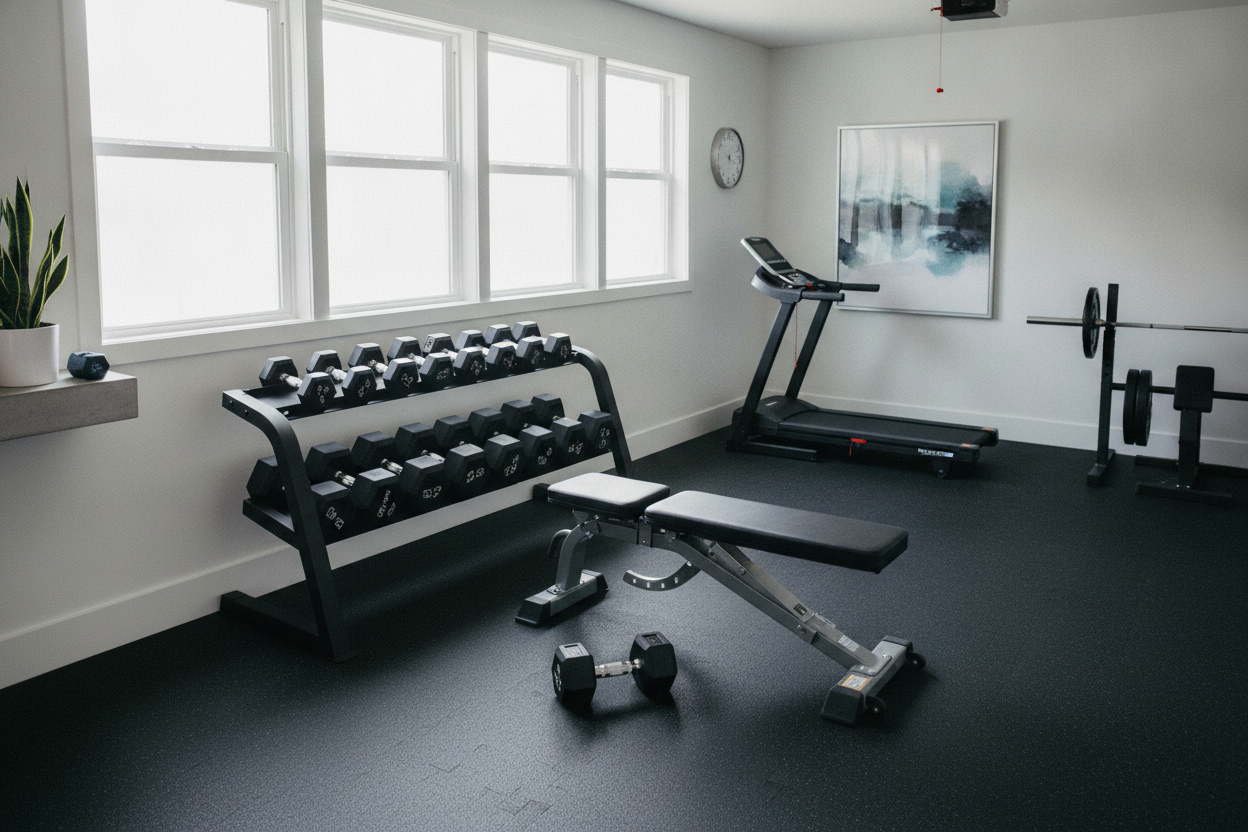
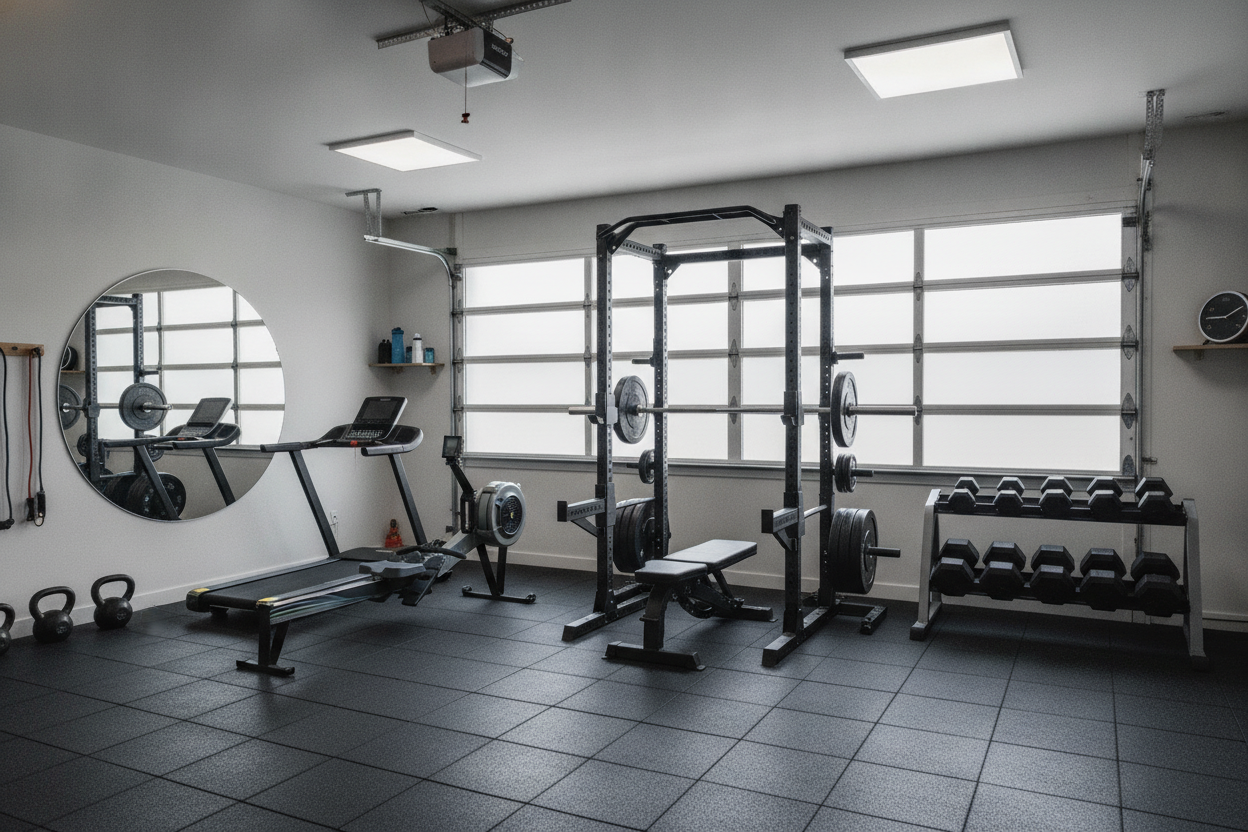
Fixed dumbbells—the ones you see in real gyms—are ready the second you grab them. There’s no clicking, no jamming, and no fear of a plate sliding off mid-press. For a garage gym, a set of best home gym dumbbells usually means a solid 5-50 lb hex set on a rack. It’s a bigger footprint, but the workflow is much better.
Why I Eventually Went Back to Fixed Hex Weights
I used to swear by a high-end adjustable set until I dropped a 50-pounder after a grueling set of shoulder presses. The plastic gear inside shattered. Suddenly, my $600 investment was a paperweight. That’s when I realized why rubber-coated hex dumbbells are the gold standard for durability. They are the best dumbbells for home gym use because they can take a beating and keep working. I'd rather have 'good quality dumbbells' I can drop than 'cool dumbbells' I have to baby.
What Actually Makes a Set of Dumbbells 'Good'?
Forget the marketing fluff. Focus on three things. First, the knurling. If it feels like a smooth PVC pipe, it’s garbage. You want a grip that bites back just enough so it doesn't slip when your palms are sweaty. High quality dumbbells usually feature a medium-grade knurl that doesn't require chalk every five minutes.
Second, the handle shape. Straight handles are generally better for heavy lifting and consistency, while contoured handles are okay for light accessory work. Third, the smell. Cheap rubber off-gasses a chemical stench that will make your garage smell like a tire fire. Look for low-odor rubber or urethane if you’re sensitive to smells. The 'best dumbbell brand' is often the one that doesn't make your house smell like an industrial plant.
Don't Buy Heavy Iron Until You Fix Your Floor
I’ve seen guys buy the best quality dumbbells only to crack their garage slab on the first drop. Concrete is strong, but it’s brittle. At the very least, you need a large exercise mat for home gym use to dampen the impact and save your equipment from scuffing.
If you're planning a full setup with a rack, a 6x8ft exercise mat provides the perfect footprint for a standard 3-tier dumbbell rack and a flat bench. It saves your floor, reduces noise, and keeps your 'best value weights set' from looking like junk after a month of use.
The 3-Move Test for Your New Dumbbells
Once your boxes arrive, don't just stare at them. Test them immediately. Start with a heavy flat press to build a stronger chest at home and check for handle stability. If the heads rattle, send them back.
Then, do some high-rep goblet squats to see if the weight distribution feels balanced against your chest. Finally, do some farmer's carries. If the knurling tears your skin or the weights feel lopsided, they aren't the 'top dumbbell sets' they claimed to be. Good dumbbells should feel like an extension of your arm, not a chore to hold.
Dumbbell FAQ
Are hex or round dumbbells better?
Hex. They don't roll away when you're doing floor work or weighted push-ups. They are also easier to stack if you don't have a rack yet.
How many weights do I really need to start?
If you're on a budget, buy 15s, 25s, and 40s. You can do 90% of common workouts with those three increments while you save up for a full set.
Is urethane worth the extra cost over rubber?
Only if you're training in a living room or have a huge budget. Urethane is more durable and has zero smell, but it’s often twice the price of standard rubber hex sets.