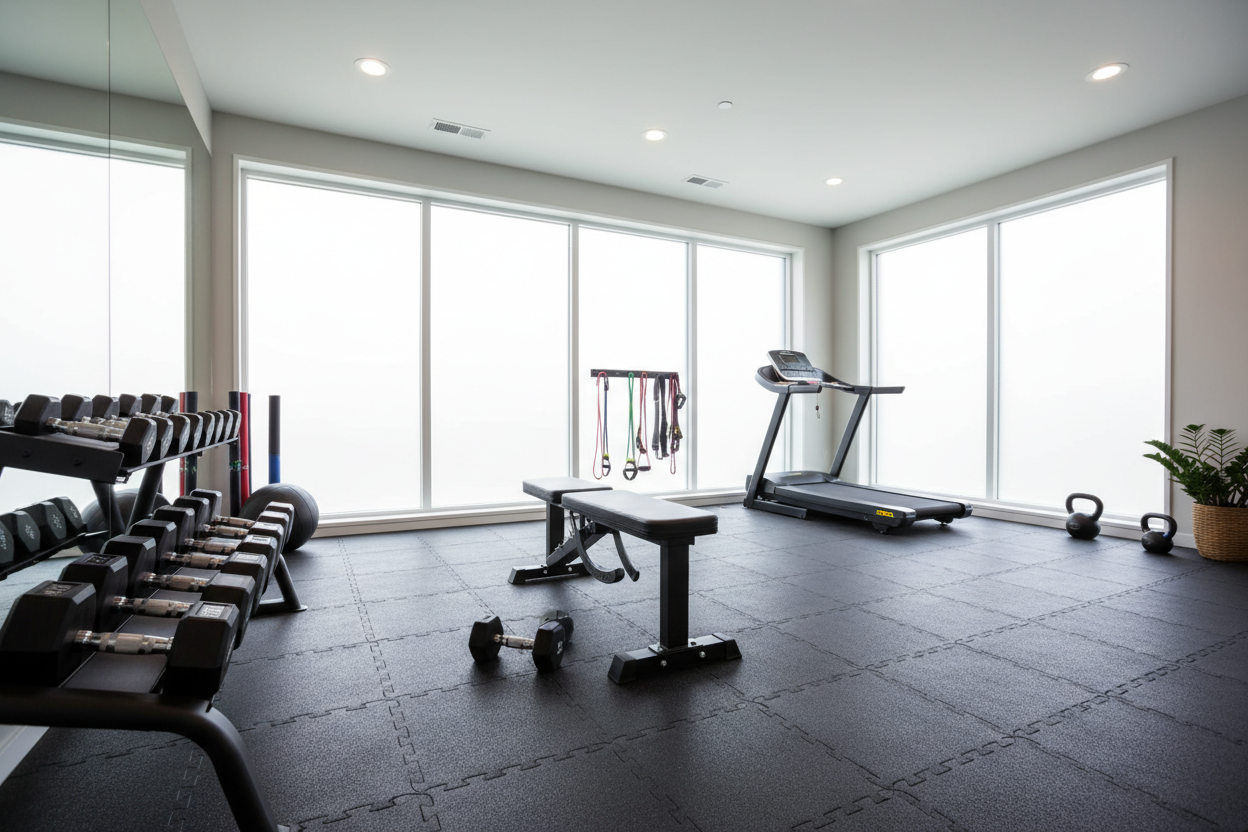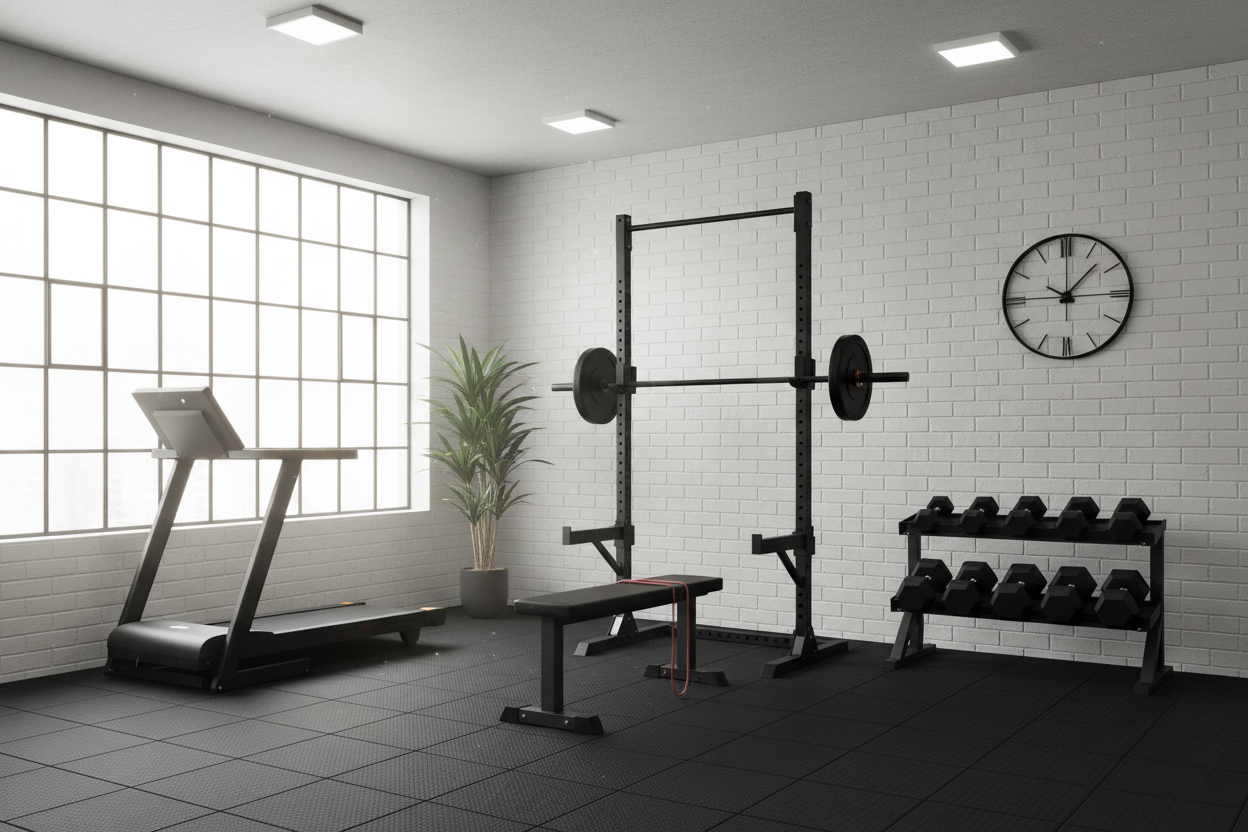
The Bare Minimum Weight Lifting at Home Equipment You Need
I remember staring at a $200 'all-in-one' home gym system on Amazon at 2 AM, genuinely believing I had hacked the fitness industry. It arrived, I loaded it with a measly 50 pounds, and the frame flexed like a pool noodle. Finding the right weight lifting at home equipment isn't about buying the most features; it's about buying the fewest things that won't break when you actually work hard.
You don't need a 2,000-square-foot facility to get strong. You just need gear that doesn't wobble when you're under a heavy bar. I've spent a decade testing everything from $5,000 power racks to Craigslist cast iron, and most of what you see in late-night ads is garbage.
- Prioritize Steel: Look for 11-gauge or 14-gauge steel for racks and benches.
- The Bar Matters: A cheap barbell with 'bolt-on' sleeves will eventually fail.
- Protect the Floor: Concrete cracks easier than you think.
- Simplicity Wins: You can do 90% of exercises with a bar, a rack, and a bench.
The Infomercial Trap (And Why We All Fall For It)
The fitness industry loves selling complexity. They want you to believe that you need 40 different cable attachments and a digital screen to see results. This is why beginners often end up with flimsy exercise equipment strength training tools made of thin plastic and light-gauge aluminum.
Those machines end up as expensive clothes racks because they feel terrible to use. There is no 'kinetic feedback' when a pulley is grinding against a plastic housing. If the equipment feels unsafe or unsatisfying, you won't use it. Real strength comes from moving heavy, stable objects, not fighting against friction in a poorly designed machine.
The Holy Trinity of Strength Building Equipment
If you want a setup that lasts 20 years, you need three things: a squat rack (or half-rack), a 20kg Olympic barbell, and iron plates. This strength building equipment core allows you to perform the 'Big Three'—squat, bench, and deadlift—safely and effectively.
Don't overspend on a rack with 50 attachments you'll never use. Focus on a rack with a 500-lb+ weight capacity and 2x2 or 3x3 inch steel uprights. For the barbell, look for one with brass bushings or bearings and a decent 'knurl'—that sandpaper-like texture that keeps the bar in your hands. You can often find incredible Home Gym Equipment Deals if you know which brands are clearing out last year's inventory. This basic at home resistance training equipment setup beats any smart-mirror gimmick every single day.
Why Your Weight Bench Needs to Be Heavy
A wobbly bench is a mental block. If you're lying down to press and the bench shifts half an inch, your brain instinctively cuts power to your chest to stabilize your body. When shopping for equipment for weight training at home, check the weight of the bench itself. If it weighs less than 40 pounds, it's probably a toy.
I look for a bench with a tripod design or a wide rear base. You want at least a 600-pound total capacity (that includes your body weight plus the bar). A 12-inch wide pad is the sweet spot for shoulder support without restricting your movement.
Protecting Your Foundation (And Your Subfloor)
I learned this the hard way: dropping a 315-pound deadlift on bare concrete will eventually spider-web your foundation. Even if you aren't 'dropping' weights, the repeated vibration of strength training at home equipment will destroy your floor and annoy your neighbors. Cheap foam puzzle mats are useless; they compress under load and slip during lunges.
You need high-density rubber. I recommend using a dedicated 6X8Ft Exercise Mat Yoga Mat Gym Flooring For Home Workout to create a designated lifting zone. It provides the grip you need for heavy squats and the impact absorption required to keep your plates (and your floor) from cracking.
How to Actually Progress With a Minimalist Setup
Once you have your basic weight training at home equipment, the goal is progressive overload. You don't need a new machine to 'confuse the muscles.' You just need to add five pounds to the bar or do one more rep than last week. A simple setup of a barbell and plates is the ultimate tool for this because the increments are exact.
You can supplement your big lifts with bodyweight movements or simple dumbbell work. If you're serious about long-term gains, check out our guide on Building Real Muscle With The Best At Home Weight Training Equipment to see how to structure a program around this minimalist gear. Master the basics before you even think about buying a cable crossover or a leg press machine.
Personal Experience: My $100 Mistake
Early on, I bought a barbell from a big-box sporting goods store. It had 'threaded' ends and star collars. Every time I did a set, the collars would unscrew themselves, and the plates would start jiggling. It was distracting and dangerous. I eventually sold it for $20 and bought a proper Olympic bar. The lesson? Buy once, cry once. Spend the extra $100 on a bar with smooth sleeves and snap-ring construction. Your safety is worth the price of a few pizzas.
FAQ
Do I need a full power rack or a half-rack?
If you have the space, a full power rack is safer because it has four uprights and safety bars to catch the weight if you fail a rep. If you're in a tight spare room, a half-rack or a set of sturdy squat stands will work, just make sure they have spotter arms.
Can I just use dumbbells instead of a barbell?
Dumbbells are great for hypertrophy and fixing imbalances, but they are harder to load heavy for squats and deadlifts. A barbell is the most efficient way to move the most weight and build raw strength quickly.
How much floor space do I actually need?
An Olympic barbell is 7.2 feet long. You need at least an 8x8 foot area to safely load plates and move around the bar without hitting walls or furniture.