The 6 Strength Exercises Gym Owners Actually Do After Hours
It is 10:00 PM. The last member has checked out, the music is finally off, and the rows of $5,000 Italian-made selectorized machines look like museum pieces in the dim light. Most people think gym owners have some secret, high-tech routine involving the latest pneumatic resistance tech or vibrating platforms. They don't. When the doors lock, I don't head for the pec deck; I head for the chalk bucket. If you want to cut through the noise, the strength exercises gym owners actually use to stay strong are the same ones that worked fifty years ago.
- Compound movements over isolation.
- Standing up instead of sitting down.
- Moving heavy iron through a full range of motion.
- Prioritizing the barbell over cables.
Why I Ignore 95% of the Equipment in My Own Facility
I’ve spent hundreds of thousands of dollars on equipment. My floor is covered in shiny chrome, digital displays, and ergonomic seats designed by engineers with PhDs. But here is the dirty secret: most of that is for marketing. People buy memberships because they see a variety of tools. They stay because they feel comfortable. But 'comfort' is the enemy of progress. Equipment paralysis is a real thing—I see members walk in, look at forty different machines, and spend more time reading instruction placards than actually lifting. It is a trap.
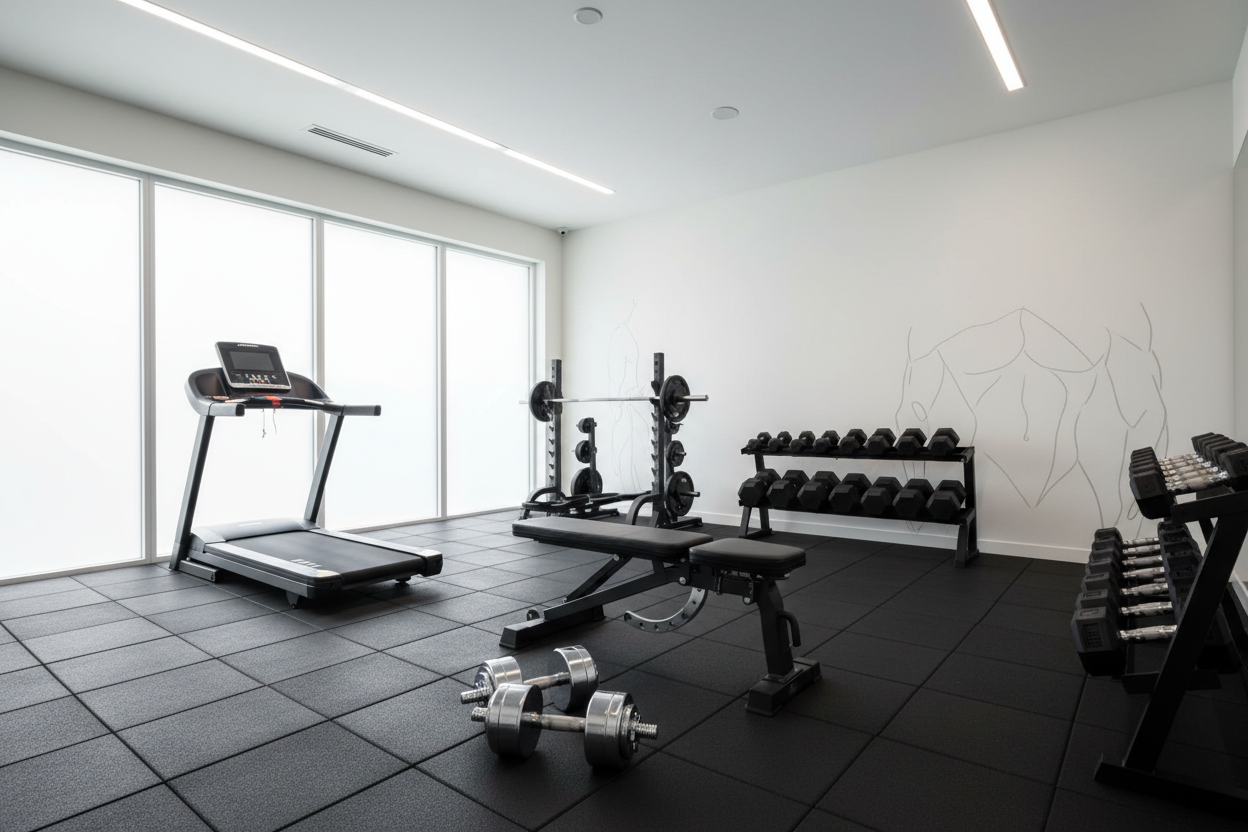
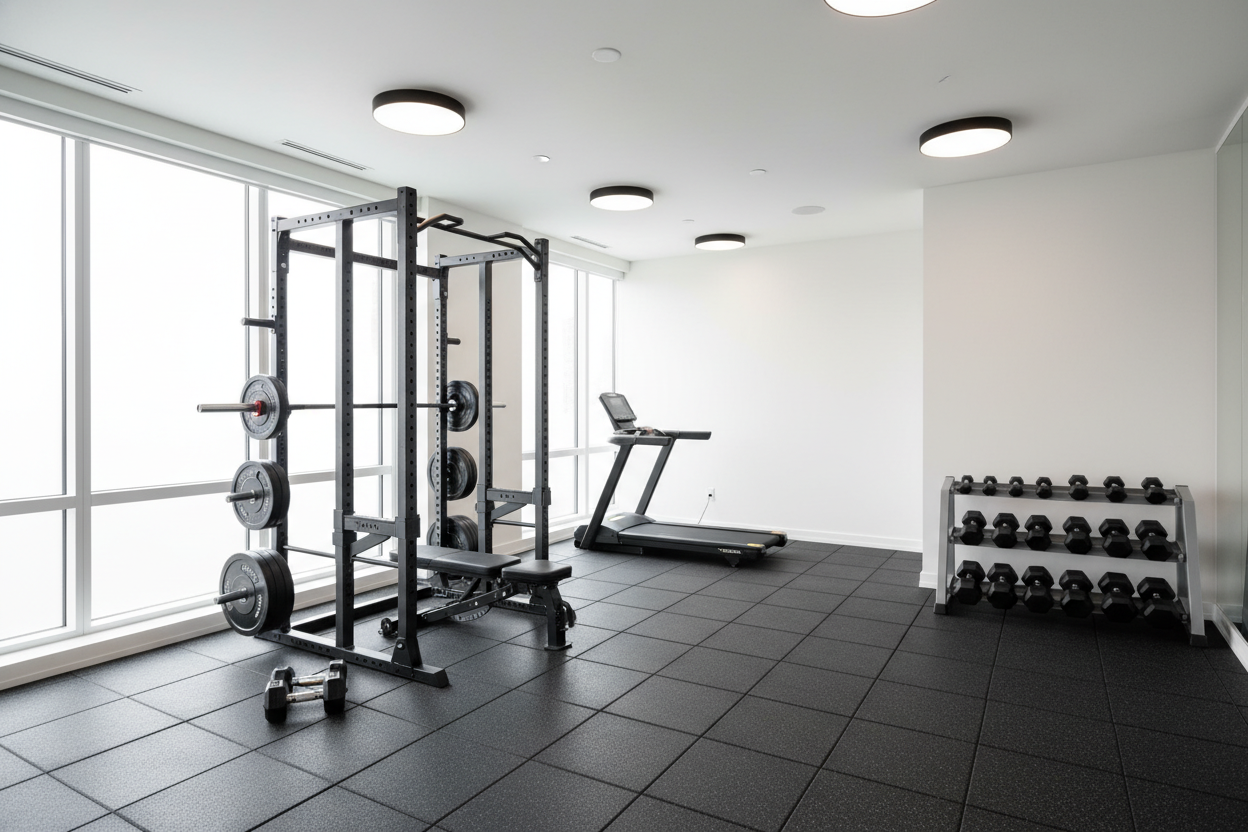
When I train, I ignore the fluff. I want the most bang for my buck because my time is as limited as yours. I stick to a handful of pieces of reliable strength equipment that I know won't break and will actually force my body to adapt. A solid power rack, a stiff barbell, and enough plates to make the floor shake—that is the foundation. You don't need a 12-station cable crossover to build a back like a barn door; you need to get comfortable being uncomfortable under a heavy bar.
The Core 6: Breaking Down the Non-Negotiable Lifts
The routine I run is stripped down to the studs. These six movements are non-negotiable because they are compound exercises. They recruit multiple muscle groups, spike your CNS, and build the kind of 'dense' muscle that machines just can't replicate. If you only have 45 minutes to train, these are the only things that should be on your menu. We are looking for the highest return on investment here. Every rep should make you better, not just tired.
1. The Barbell Back Squat (Not the Leg Press)
The leg press is a great way to move a lot of weight and feel like a hero, but it’s a lie. When you’re sitting in a chair pushing a sled, your core is on vacation. The back squat is the king of strength exercises gym veterans swear by because it forces your entire body to work as a single unit. Your spinal erectors, your abs, and your upper back all have to stay rigid to keep you from folding like a lawn chair. I don't care if you're only squatting 135 lbs; if you're moving your own body weight plus a load through space, you're building functional power that carries over to real life.
2. Overhead Pressing (Standing, Not Seated)
Seated dumbbell presses are fine for bodybuilding, but the standing military press is the ultimate test of upper body power. When you stand up, you can't cheat by arching your back against a pad. You have to squeeze your glutes and brace your core just to stay upright. It builds boulder shoulders, sure, but it also creates incredible shoulder stability. If you can press your own body weight overhead, you are in the top 1% of humans in terms of raw strength. It’s a lost art that I’m trying to bring back one late-night session at a time.
3. The Deadlift (Raw and Heavy)
Nothing beats picking heavy things off the floor. It is the most primal movement there is. I see people overcomplicating the deadlift with fancy variations, but the standard conventional pull is still the gold standard. I usually pull raw until I hit about 80% of my max, then I’ll break out the strength training accessories like a stiff leather belt or some figure-8 straps. There’s no shame in using gear when the weight gets heavy enough to compromise your grip or your lumbar safety. Just make sure you’ve earned the right to wear the belt first.
4. Weighted Pull-Ups (The Real Lat Builder)
The lat pulldown machine is the most popular station in my gym, and it’s also the most misused. People lean back 45 degrees and use momentum to move the stack. I prefer the weighted pull-up. Strapping a 45-lb plate to your waist and pulling your chin over the bar is a statement. It builds a wide, thick back and incredible grip strength. If you can’t do 10 bodyweight pull-ups with perfect form, you have no business touching the pulldown machine anyway. Relative strength is the best indicator of overall fitness.
5. Heavy Barbell Rows
Everyone wants a big chest, but nobody wants to do the work to support it. Heavy rows are the antidote to the 'bench-bro' posture—that rounded-shoulder look you see on guys who only train what they see in the mirror. I keep my rows strict: 45-degree torso angle, pulling the bar to the belly button, and squeezing the shoulder blades at the top. This builds an injury-resistant back that acts as a platform for every other lift you do. If your back is weak, your bench and squat will eventually plateau.
6. The Classic Bench Press
I know, it’s overhyped. Every Monday is international bench press day. But there’s a reason it’s a classic. When you retract your scapula properly and drive your feet into the floor, the bench press is a full-body push that builds massive upper body density. It’s a universal tool to build strength and shape regardless of your goals. I’ve seen powerlifters and bikini competitors alike benefit from a heavy, well-executed bench program. Just don't let your ego dictate the weight—keep your butt on the bench and the bar under control.
Stop Wasting Time on 'Optimal' Machine Circuits
Lately, I’ve seen a trend of 'fitness influencers' claiming that free weights are outdated. They post videos of complex cable setups and claim it’s 'more optimal' for hypertrophy. It’s nonsense. These people are trying to sell you a program that looks different so you’ll buy it. The best strength training exercises in gym settings involve a barbell and gravity. Machines have their place for rehab or finishing a muscle off, but they should never be the main course. If you spend 60 minutes in the gym and 40 of those are on machines, you’re leaving 50% of your gains on the table.
How to Run This Routine in a Garage Setup
You don't need my 10,000-square-foot facility to get strong. In fact, most of the strength exercise in gym routines I’ve mentioned are actually easier to do in a garage. You don't have to wait for a rack or deal with someone doing bicep curls in the squat area. If you’re looking to build your own space, focus on the essentials. Getting the right home gym equipment for strength training is simpler than you think: a rack, a bar, 400 lbs of plates, and a flat bench. That’s it. That’s the whole gym. Everything else is just expensive wallpaper.
Personal Experience: My Biggest Mistake
I once bought a $4,000 leg extension machine that was supposed to be the 'holy grail' of quad development. I used it for three weeks, realized my knees felt like garbage, and went back to front squats. I eventually sold it to a physical therapy clinic. The lesson? Don't let fancy tech replace hard work. I’ve wasted more money on 'innovative' gear than most people spend on their cars, and I always come back to the same six lifts. They work every time, provided you do.
FAQ
Do I need to do all 6 exercises every workout?
No. Split them up. I usually do Squat/OHP/Rows one day, and Deadlift/Bench/Pull-ups the next. Two or three heavy sets per move is plenty if the intensity is high.
Are machines better for beginners?
Actually, I think they’re worse. Machines teach you to move in a fixed path. Free weights teach you how to stabilize your own body, which prevents injuries in the long run. Start light with a bar.
How often should I change my routine?
Stop changing it. People 'plateau' because they get bored and switch exercises every three weeks. Stick to these six for six months, add weight to the bar every week, and watch what happens.