The 5-Rep Rule: How to Actually Lift for Strength at Home
I remember my first year in the garage. I was hitting 15-rep sets of everything until my arms felt like overcooked noodles, thinking the puddle of sweat on the floor was proof of progress. I was wrong. If you want to lift for strength, you have to stop training like a bodybuilder and start training like a forklift. You aren't chasing a pump; you are training your nervous system to handle a crisis.
- Focus on the 1-5 rep range for maximum central nervous system adaptation.
- Rest 3-5 minutes between sets to allow full ATP recovery.
- Prioritize compound movements like squats, deadlifts, and presses.
- Progressive overload is the only metric that matters—add weight every week.
Sweating Doesn't Always Mean You're Getting Stronger
Most home trainees fall into the trap of metabolic fatigue. You get out of breath, your muscles burn, and you think you're getting powerful. That is endurance, not raw strength. To understand how to get strong with weights, you have to realize that strength is a skill. It is about teaching your brain to recruit every motor unit in a muscle at the exact same time.
When people ask me 'to build strength how should one lift,' they usually expect a complex circuit of 12 different exercises. The reality is much slower and, frankly, more boring. A successful strength session shouldn't leave you gasping for air; it should leave your brain feeling slightly fried because you just forced it to move a heavy object that didn't want to move.
The Boring Math Behind Raw Power
Strength lives in the 1 to 5 rep range. Once you hit 6 or 8 reps, you are drifting into hypertrophy (muscle growth) and endurance territory. To learn how to lift for strength, you need to find the right weights for strength training so that the fifth rep of a set is a struggle, but your technique doesn't break down.
And here is the part that drives high-energy people crazy: you have to sit down. You need at least 3 minutes between heavy sets. If you’re ready to go again in 60 seconds, you didn’t go heavy enough. Your muscles might feel fine, but your central nervous system needs that window to recharge. If you rush it, your next set will be weaker, and you’ll leave gains on the table.
Free Weights vs. The Fluff in Your Garage
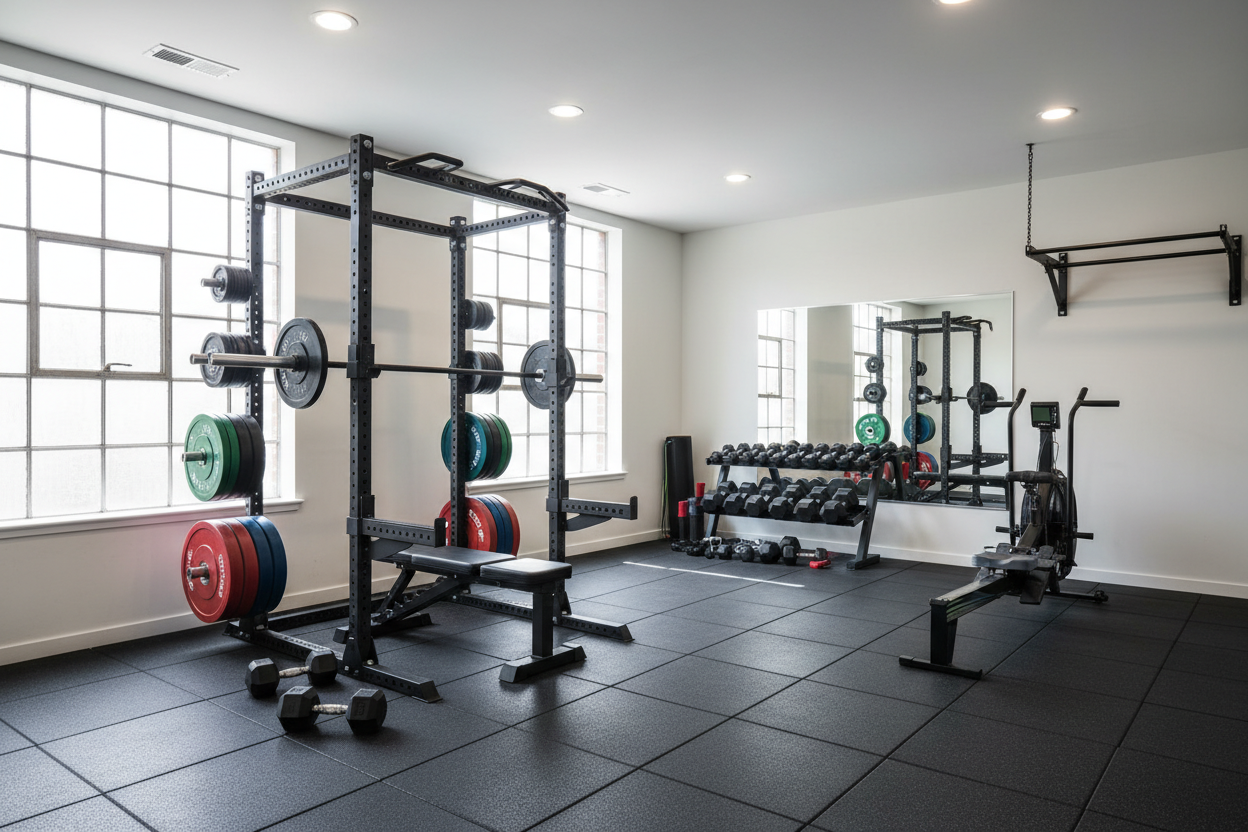
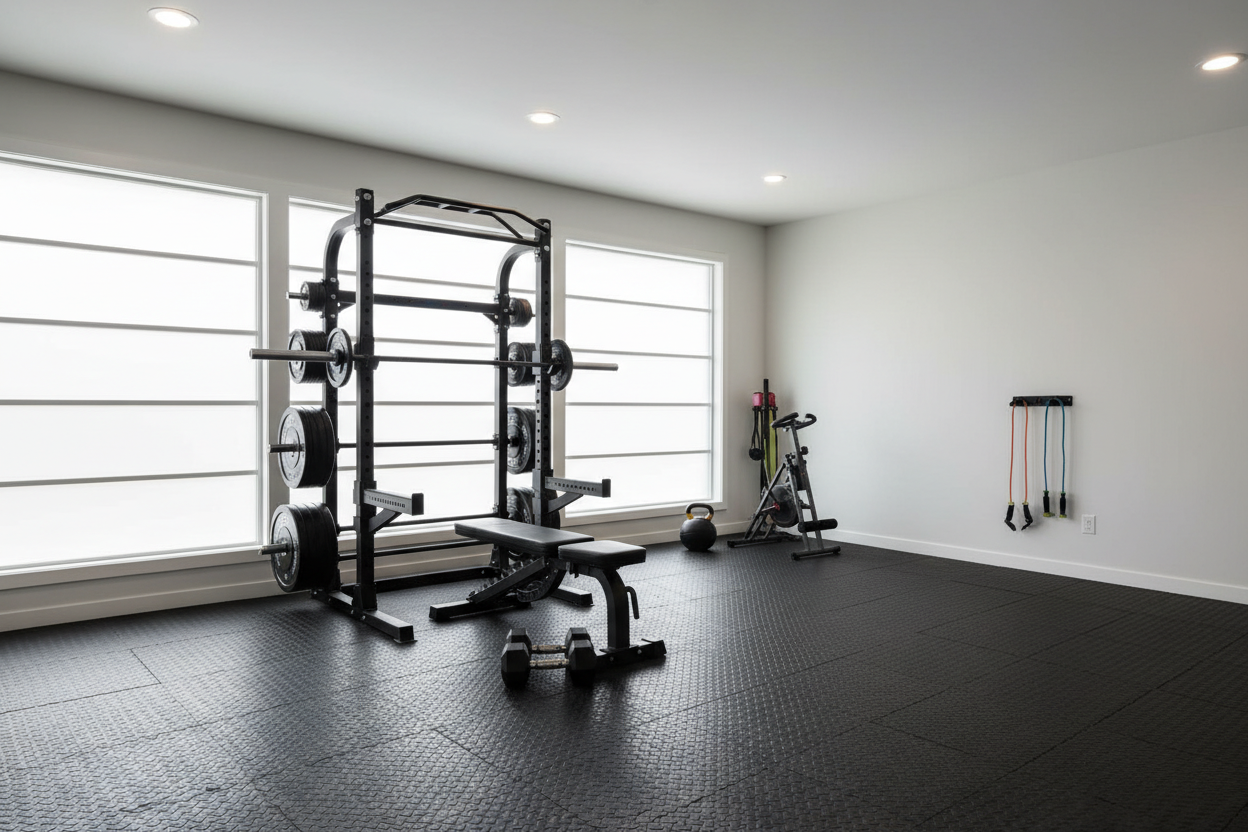
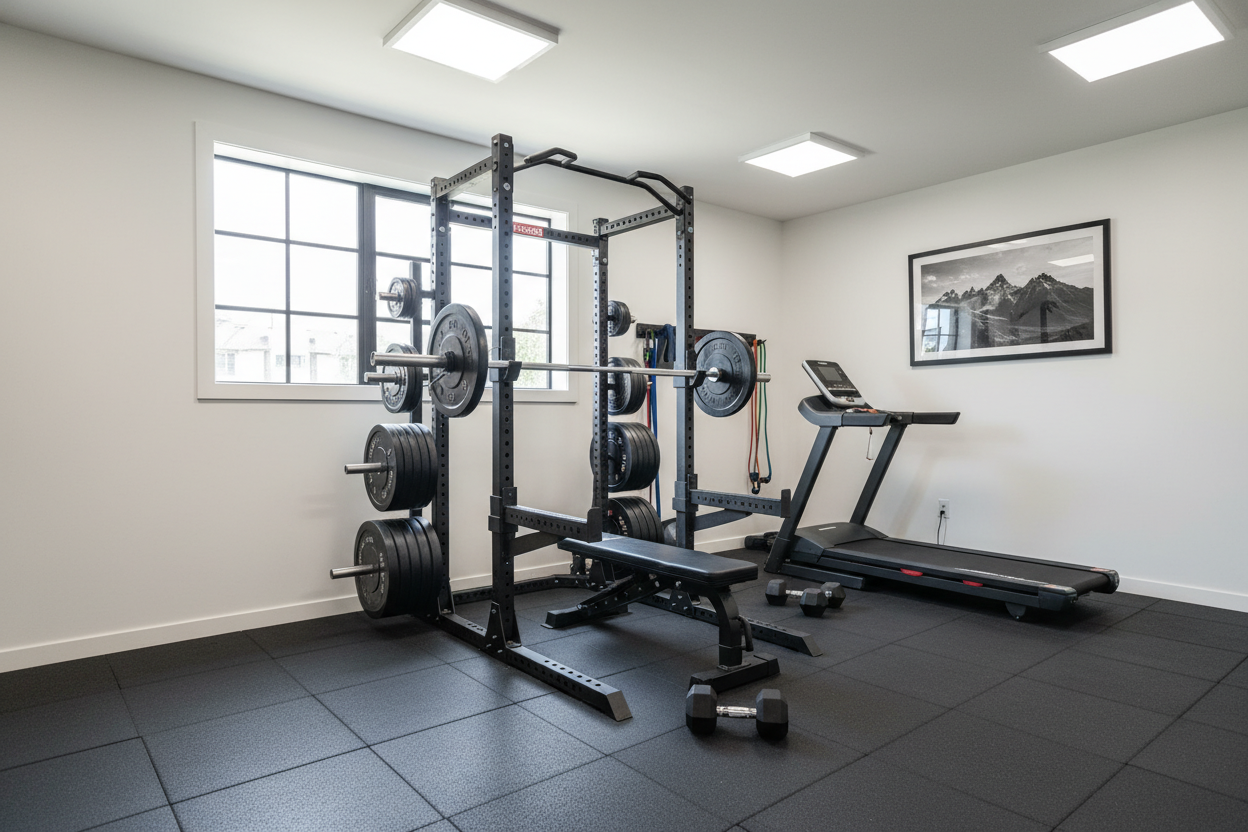
You don't need a 12-piece cable crossover or a vibrating platform to get strong. You need basic strength equipment: a barbell, a rack, and a pile of iron plates. Barbells allow for the most weight to be moved through a full range of motion, which is the fastest way to build a foundation. I’ve seen guys spend $3,000 on fancy machines only to get out-lifted by a kid with a rusty bar and a squat stand.
Machines have their place, but they shouldn't be the main course. I use weight lifting machines for accessory work—things like lat pulldowns or leg curls—after my heavy barbell work is done. This helps build the supporting muscles without the fatigue of balancing a heavy bar, but the bar is where the real power is made.
Don't Cheap Out on Your Foundation
When you are pushing a 5-rep max alone in your garage, your gear cannot wobble. I once tried to bench 250 pounds on a $90 bench I bought from a big-box store. The frame flexed, the vinyl was slippery, and I spent more energy trying not to fall off than I did pushing the weight. It was dangerous and stupid.
You need a sturdy adjustable weight bench that stays planted. Look for a tripod design or a heavy-duty steel frame with a high weight capacity. If you don't trust your equipment, your brain will subconsciously 'brake' your power output to keep you safe. You can't lift heavy on a shaky foundation.
A Bare-Bones Blueprint: How to Weight Lift for Strength
Stop doing 14 variations of bicep curls. If you want to know how to work out for strength, look at the classic A/B split. Workout A: Squat, Bench Press, Barbell Row. Workout B: Squat, Overhead Press, Deadlift. Perform 5 sets of 5 reps. That is it. It sounds too simple to work, but if you add 5 pounds to the bar every single week, you will be significantly stronger in three months than the guy doing 'muscle confusion' workouts.
This is how to weight lift for strength effectively. You focus on the big four movements because they use the most muscle mass. More muscle used means more weight moved, which means a bigger stimulus for your body to grow stronger. Keep a logbook. If the numbers aren't going up, you aren't doing it right.
Personal Experience: The 5x5 Lesson
I spent two years doing 'bodybuilding' splits and barely added 20 pounds to my squat. I was obsessed with the pump. The moment I stripped everything back to a basic 5x5 program and forced myself to rest 4 minutes between sets, my numbers exploded. The downside? My workouts felt 'shorter' and I didn't leave the gym drenched in sweat. But for the first time, I was actually strong. I stopped buying 'innovative' gadgets and invested in a better barbell with decent knurling. That bar has lasted me a decade; the gadgets ended up on Facebook Marketplace.
FAQ
How many days a week should I lift for strength?
Three days is the sweet spot. Strength training is taxing on your joints and nervous system. You don't get strong while lifting; you get strong while recovering between sessions.
Can I do cardio while training for strength?
Yes, but keep it low-impact. A 20-minute walk or light cycling is fine. If you run a marathon on your off days, your squat numbers will likely stall because your body is trying to adapt to two opposite signals.
What if I fail a rep?
If you can't hit 5 reps, don't panic. Stay at that weight for the next session. If you fail three sessions in a row, drop the weight by 10% and build back up. This is called a reset, and it's a normal part of the process.