I Sold My Treadmill to Build a Slim and Lean Body
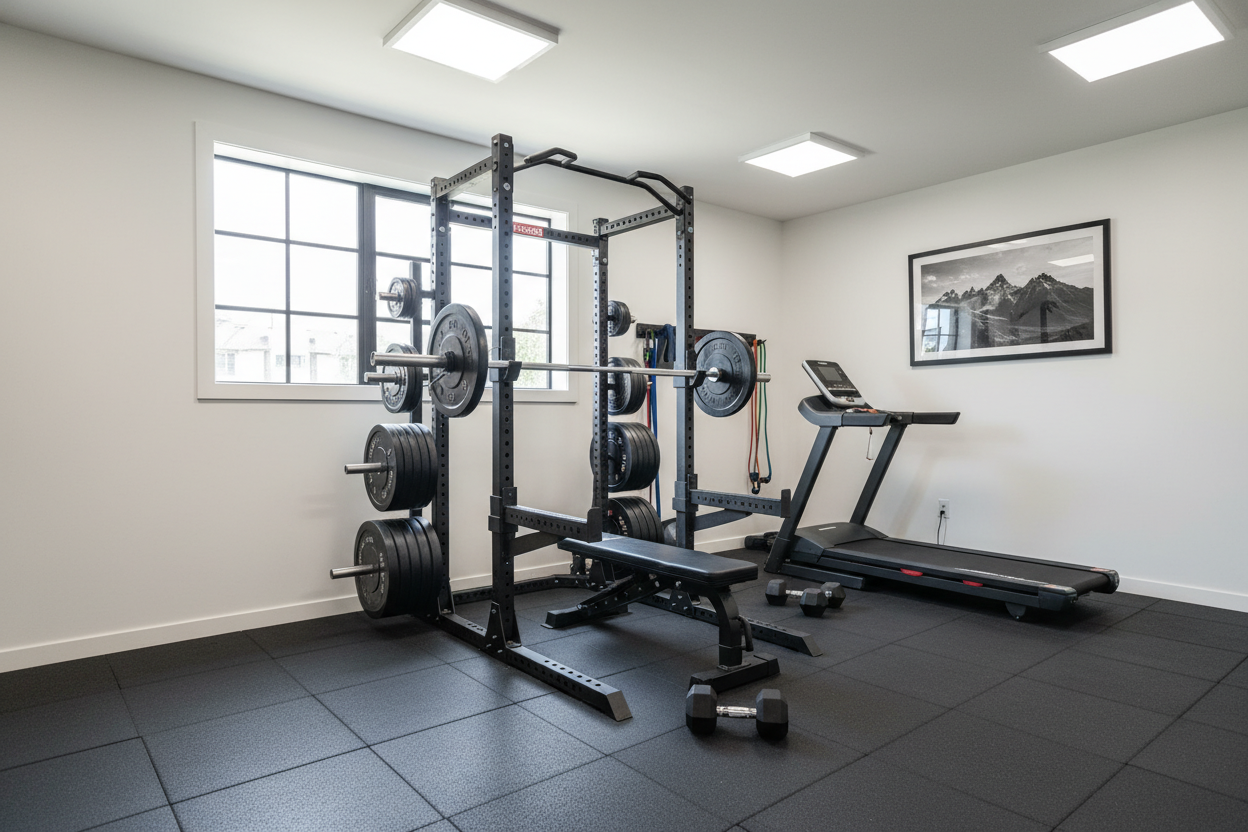
I remember staring at my treadmill three years ago. It was a $1,200 clothes rack that hummed like a jet engine and took up half my garage floor. I was logging five miles a day, four days a week, waiting for my abs to show up. Instead, I just looked like a smaller, softer version of my former self. I was chasing a slim and lean body but I was running myself into a metabolic grave.
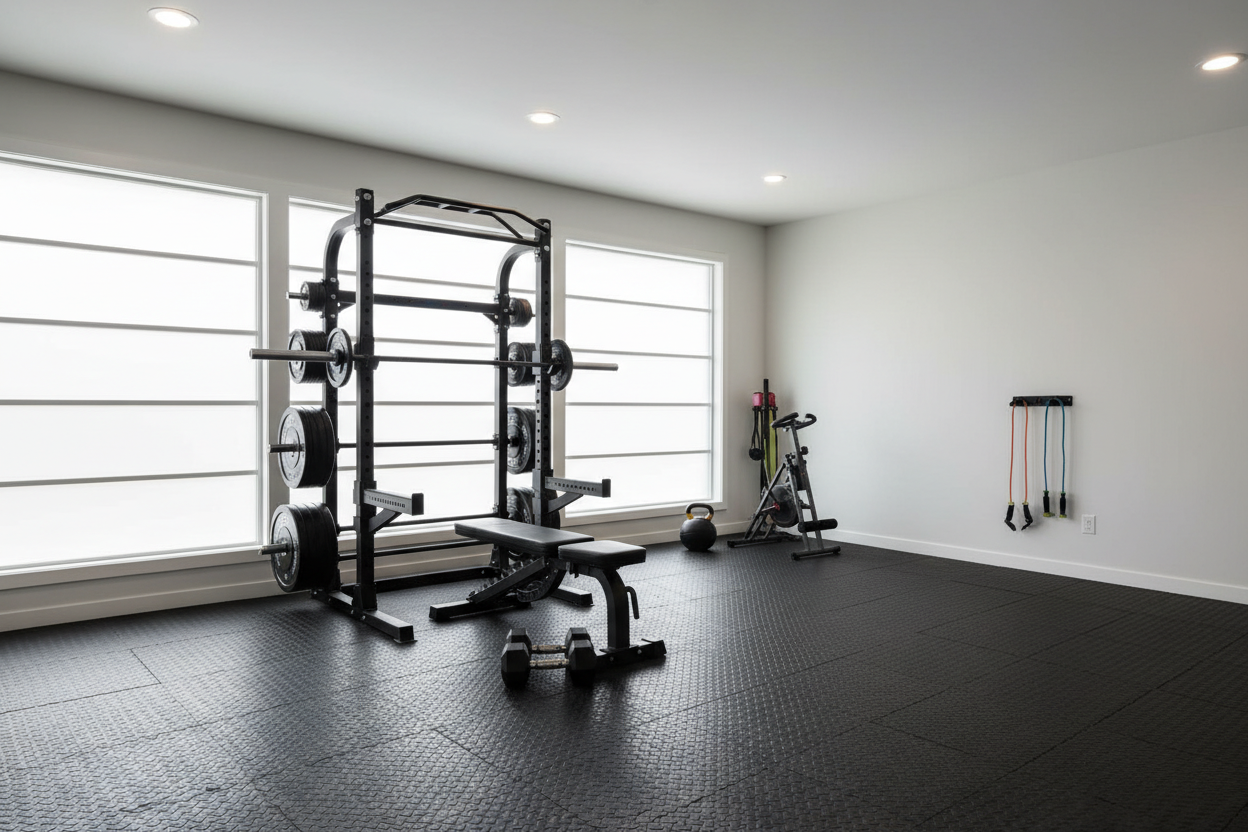
The treadmill eventually went on Craigslist for half what I paid. I replaced it with a squat stand, a couple of kettlebells, and a realization: you can't run your way to a physique that requires muscle to exist. If you want that hard, athletic look, you have to stop trying to burn calories and start trying to build a frame.
- Cardio Overload: Excessive steady-state cardio can lead to muscle wasting and a 'skinny-fat' appearance.
- The Iron Advantage: Resistance training keeps your basal metabolic rate high even while resting.
- Efficiency: Weighted HIIT burns more fat in 20 minutes than a 60-minute jog.
- Leg Tension: Heavy lower body work is the best hormonal trigger for fat loss.
Why Running in Place Was Ruining My Physique
For years, I believed the lie that more miles equaled more definition. I’d lace up my shoes, hit the garage, and pound the belt for an hour. My heart rate stayed in that 'fat-burning zone' we’ve all seen on the charts. I lost weight, sure. But when I looked in the mirror, I didn't see an athlete. I saw a guy who looked like he’d been stranded on a desert island for six months.
My shoulders were narrow, my chest was flat, and I still had that stubborn layer of soft tissue around my midsection. Chronic cardio was eating my muscle mass for fuel. When you do nothing but run, your body becomes efficient at running, which means it tries to shed 'unnecessary' weight—and to your body, your hard-earned biceps are just heavy, energy-consuming baggage.
I was sacrifice-testing my metabolism. By the time I finished those long sessions, I was ravenous, leading to overeating that negated the entire workout. It was a cycle of frustration that ended the day I hauled that treadmill out of the garage and decided to pick up something heavy instead.
The Real Secret to a Slim Lean Body is Iron
If you want a slim lean body, you need to understand the metabolic cost of muscle. Muscle is expensive for your body to maintain. It requires energy just to sit there. By shifting my focus to resistance training, I turned my body into a furnace that burned calories while I slept, not just while I was sweating.
You don't need a commercial gym membership to make this happen. I started with a reliable weight set and bench in a 6x8 foot corner of my garage. That small investment allowed me to perform the 'big rocks' of body composition: presses, rows, and lunges. These movements create a structural demand that a treadmill simply cannot match.
When you lift, you create micro-tears in the muscle fibers. The repair process—known as protein synthesis—requires a massive amount of energy. This is the 'afterburn' effect. While the runner stops burning calories the second they hit the 'stop' button, the lifter is still burning fuel 24 to 48 hours later. That is how you actually get lean without starving yourself.
Swapping Marathon Sessions for Weighted HIIT
Once I dropped the long-distance runs, I needed a way to keep my conditioning sharp without sacrificing my gains. The answer was weighted HIIT. Instead of a steady pace, I started using dumbbells and kettlebells for short, explosive bursts of work. It’s about density—doing more work in less time.
I’m talking about movements like goblet squats, overhead presses, and renegade rows performed back-to-back. This spikes the heart rate into the stratosphere while forcing your muscles to stabilize the load. It’s brutal, but it works. I personally found that a 52.5-lb adjustable dumbbell set was all I needed to completely reinvent my conditioning.
If you want to feel the difference, try a brutal 60-minute weighted HIIT session. You’ll notice that your lungs are screaming, but your muscles are also pumped. This dual stimulus is the holy grail of body recomposition. You’re building the engine and the chassis at the same time, ensuring you don't just get smaller, but more defined.
Using Tabata to Torch the Remaining Fat
When I’m looking to shave off those last few pounds for summer, I turn to the Tabata protocol. It’s a simple 20-seconds-on, 10-seconds-off format, repeated eight times. It sounds easy until you try it with a pair of 15-pound dumbbells. I use light weights for high-volume movements like thrusters or mountain climbers.
The science here is about oxygen debt. By pushing at 100% intensity for those 20 seconds, you create a massive deficit that your body has to pay back later. I’ve tried doing this on a stationary bike, but it doesn't compare to the full-body fatigue of weighted movements. It’s the ultimate metabolic finisher at the end of a strength session.
I usually recommend an intense 60-minute Tabata routine for those days when you feel like you have extra energy to burn. The key is the 'off' period. Don't sit down. Stay standing, breathe through your nose, and get ready to explode again. It’s four minutes of hell that delivers better results than forty minutes of jogging.
Why You Still Need to Push Legs Heavy During a Cut
The biggest mistake I made early on was thinking that 'cutting' meant 'high reps, low weight.' I stopped squatting heavy because I was tired from the calorie deficit. That was a mistake. Your legs are your biggest muscle group; if you stop giving them a reason to stay strong, your body will happily cannibalize that muscle for energy.
Even when I’m leaning out, I make sure to hit my legs with serious tension. If you’re worried about safety when training alone or when you're fatigued, a dedicated lower body strength machine like a leg press or a hack squat can be a lifesaver. It allows you to push to failure without the technical breakdown that happens with a heavy barbell on your back.
Heavy leg work keeps your testosterone and growth hormone levels optimized, which is critical when you're trying to stay lean. Don't let your legs turn into toothpicks just because you're eating less. Keep the load high, keep the intensity up, and the fat will have nowhere to hide.
How long does it take to see results from weighted HIIT?
If your nutrition is on point, you’ll see a noticeable difference in muscle hardness and 'pop' within three to four weeks. Unlike cardio, which just makes the scale move, weighted HIIT changes how your clothes fit almost immediately.
Can I get lean with just bodyweight exercises?
You can, but it’s slower. External resistance—like dumbbells or a barbell—provides a much faster stimulus for muscle growth. Muscle is what gives you that 'lean' look; otherwise, you're just thin.
Do I need to do cardio at all?
I still walk my dog and do some light movement for heart health, but I no longer treat 'cardio' as a primary tool for fat loss. My 'cardio' happens with a kettlebell in my hand now.