Is the best delt exercise actually a sloppy lateral raise?
I remember staring at my shoulders in my garage mirror three years ago, wondering why they looked like flat pancakes despite doing strict lateral raises for months. I was using 15-lb dumbbells, pinkies up, 'pouring the tea,' and getting a massive burn that led to exactly zero growth. It turns out, the best delt exercise isn't the one that feels the prettiest; it's the one that actually moves the needle on mechanical tension.
Quick Takeaways
- Strict form is often the enemy of high mechanical tension for side delts.
- Lengthened partials target the muscle where it is strongest and most prone to growth.
- Heavy weights (10-20 lbs over your strict max) are required for this method.
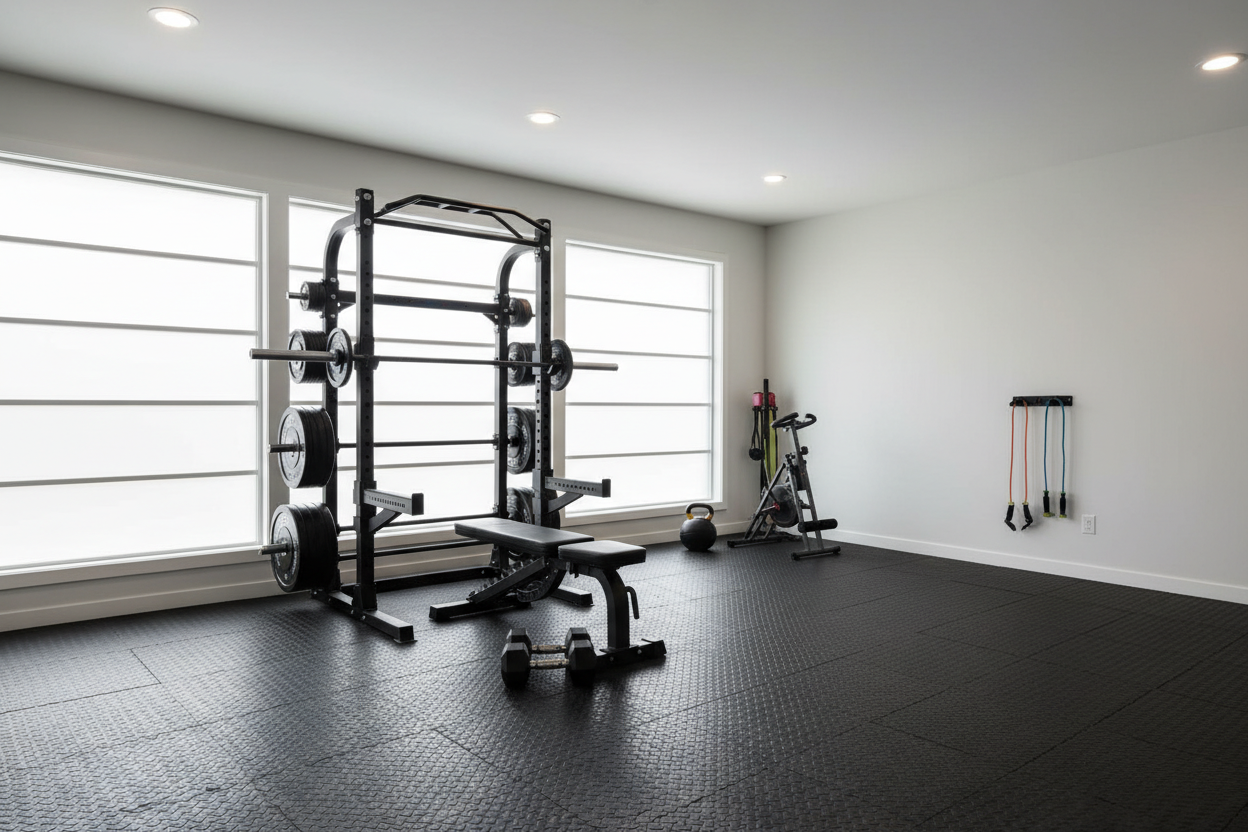
- A best large exercise mat is essential for the stability needed during heavy standing movements.
The Problem With Chasing the 'Perfect' Lateral Raise
Gym culture has a weird obsession with ultra-light, 'clean' lateral raises. If your torso moves a millimeter, the form police are ready to pounce. But here is the reality: the top of a lateral raise—where your arms are parallel to the floor—is where the side deltoid is shortest and weakest. By the time you get the weight up there, the leverage is so poor that you have to use a tiny weight just to complete the rep.
This results in a great 'burn,' but the actual tension on the muscle fibers is minimal. If you want the best deltoid workout, you have to prioritize load. Chasing a pump with 10-lb dumbbells is fine for a finisher, but it shouldn't be the meat of your training. You need to challenge the muscle where it has the most leverage to move weight.
Enter the Heavy Partial: Why Cheating Actually Works
We are seeing more data now on 'lengthened partials'—basically, doing reps in the bottom half of the range of motion where the muscle is stretched. This isn't just 'cheating'; it's a deliberate way to overload the side delt. By focusing on the bottom 50% of the movement, you can use significantly more weight, which creates massive stretch-mediated hypertrophy.
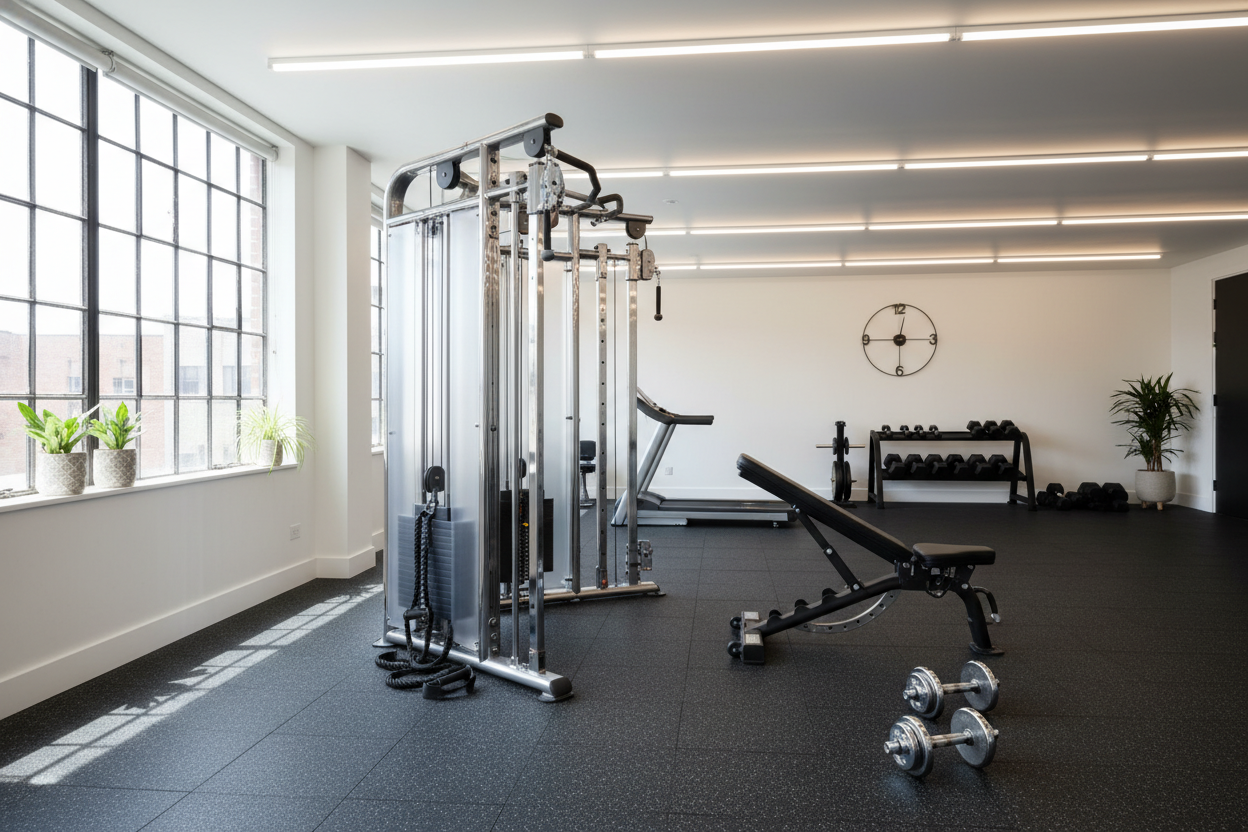
While some of the best at home exercise machines can isolate the shoulders using cams or cables, nothing beats the raw, heavy feel of a dumbbell in a garage gym. Using heavy partials makes this the undisputed best delt exercise for guys who have hit a plateau. You're hitting the fibers with a load they've never had to support before, forcing them to adapt and widen.
How to Execute Heavy Partials Without Wrecking Your Joints
Sloppy doesn't mean dangerous. To do these right, grab a pair of dumbbells that are about 15-20 lbs heavier than what you'd use for strict reps. Lean forward about 10 degrees. Instead of thinking 'lift up,' think 'push the weights out to the walls.' Use a slight bit of momentum from the hips to get the weights moving, but here is the key: fight them on the way down.
Stop the rep when your arms reach about 45 degrees. When you compare this to other best deltoid exercises like the upright row, the partial lateral raise is actually much easier on the rotator cuff because you aren't forcing the joint into internal rotation at the top. Just make sure you're standing on a solid surface. I recommend a best large exercise mat because when you start swinging 40 or 50-lb bells, you need that shoe-to-floor grip that dusty concrete simply won't provide.
Programming This Into Your Weekly Routine
You don't need to overcomplicate the best delt workout. I usually recommend starting with your heavy overhead presses, then moving into these heavy partials. Aim for 3 sets of 10-15 reps. Because you aren't going to the very top, you can keep the tension constant on the side delt for the entire set.
If you still want that 'burn,' follow up your heavy sets with one high-rep set of strict, light raises. This combination of heavy mechanical tension and metabolic stress is the best workout for delts I've ever found. It covers all the bases without requiring you to spend two hours in the gym.
The Verdict: Stop Fearing the Heavy Dumbbells
Stop worrying about what the form purists think. If your goal is wider shoulders, you have to treat them like any other muscle and move some actual weight. The best workout for delts is the one that actually challenges the tissue. Grab the heavy bells, control the swing, and stop leaving gains on the table by chasing a 'perfect' rep that doesn't exist.
My Personal Experience
I spent years stuck on 20-lb dumbbells for lateral raises because I was told my back had to be a brick wall. My shoulders never grew. The moment I swallowed my ego, grabbed the 40s, and started doing heavy, controlled partials, my shirts started fitting differently within six weeks. My biggest mistake was not doing it sooner because I was afraid of looking like a 'gym bro' with bad form.
FAQ
Will heavy partials hurt my traps?
Your traps will definitely help out a bit, but that's not a bad thing. To keep the focus on the delts, think about pushing the weight 'away' from your body rather than 'shrugging' it up.
Do I need a belt for these?
Unless you have a pre-existing lower back issue, you shouldn't need one. The slight hip hinge is natural and shouldn't put excessive strain on your spine if you keep your core braced.
Can I do these every day?
No. Side delts recover fast, but the heavy load from partials hits the connective tissue harder than light reps. Stick to 2-3 times per week for maximum growth.