The 4-Move Bum and Leg Workout for People Who Hate Leg Day
I used to be the person who scrolled through social media at midnight, looking for the secret 'burn' that would finally fix my flat glutes. I bought the flimsy rubber bands, did the 50-rep donkey kick circuits, and wondered why my jeans still fit exactly the same. After years of testing commercial racks and cheap home gear, I realized I was chasing a sensation instead of mechanical tension. A real bum and leg workout doesn't need a dozen movements; it needs four heavy ones performed with intent.
Quick Takeaways
- Ditch the high-rep, low-weight 'toning' circuits for heavy compound lifts.
- Focus on the hip hinge to target the glutes rather than just the quads.
- Progressive overload—adding weight or slowing down the tempo—is mandatory.
- You only need a pair of dumbbells and a stable surface to see real results.
Why I Ditched the 12-Step Booty Band Circuits
The fitness industry loves to sell complexity. They want you to believe you need a 12-step circuit with three different types of resistance bands to see results. I’ve tested those routines, and frankly, they’re a waste of time for anyone looking to build actual muscle density. The 'burn' you feel from high-rep banded work is often just metabolic stress, not the mechanical tension required for growth.
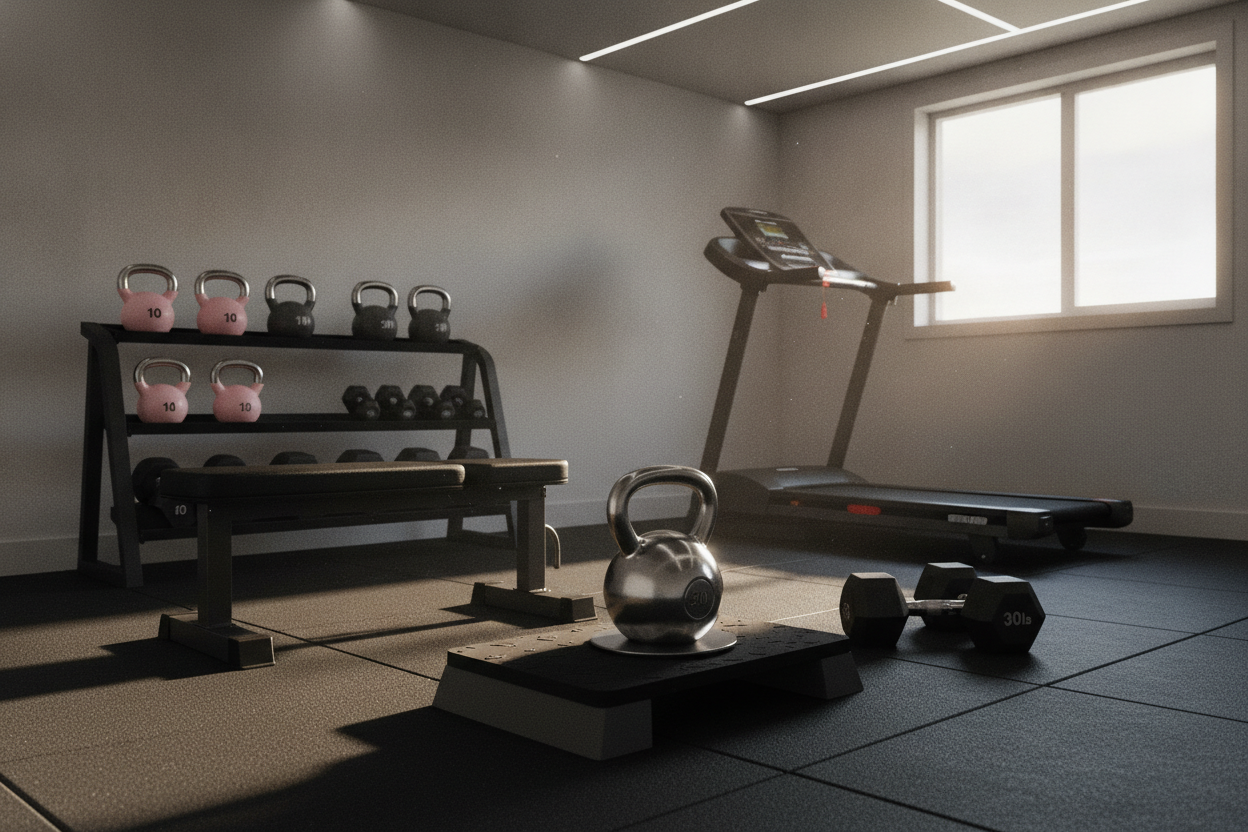
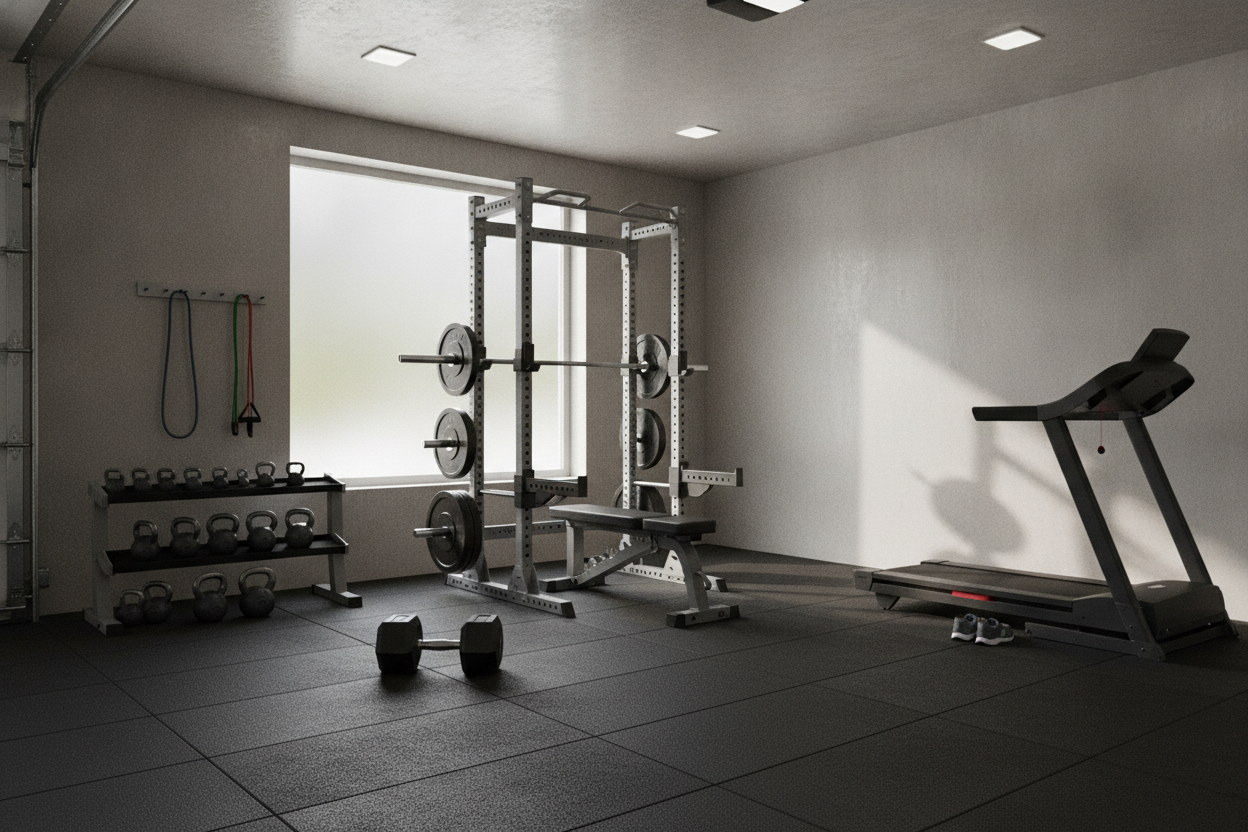
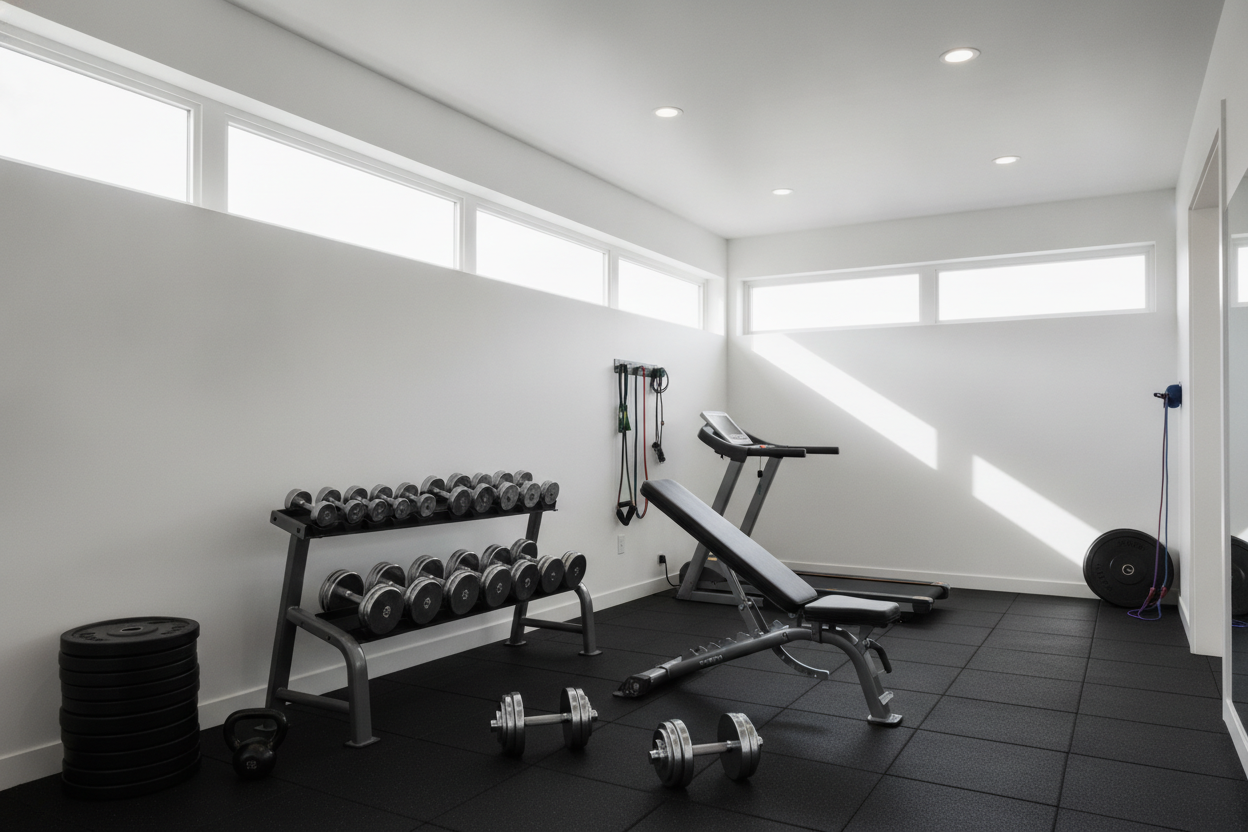
I stopped doing the fluff and went back to basics. I cleared a space in my garage, laid down a large exercise mat for home gym use, and focused on moving actual weight. When you prioritize heavy loads, your body has no choice but to adapt. You don't need a gym full of machines to build a better posterior chain; you just need to stop exercising and start training.
The Difference Between Quad-Dominant and Glute-Dominant Lifts
Most people struggle with leg day because they accidentally make every movement quad-dominant. If your knees are the first thing to move, you're likely hitting your thighs and ignoring your glutes. To fix this, you have to understand the hip hinge. By pushing your hips back—think of it like trying to close a car door with your butt while your hands are full of groceries—you shift the load to the posterior chain.
The Romanian Deadlift (RDL) is the undisputed king here. It is arguably the best exercise for buttocks and thighs because it places the glutes under a massive stretch while they are fully loaded. If you aren't hinging, you aren't building. Mastering this shift in biomechanics is the difference between tired knees and a stronger back side.
The 4-Move Blueprint for Lower Body Power
Here is the reality: you only need four moves. I start with a deep Goblet Squat to prime the hips. Then, I move into the heavy RDLs mentioned above. The third move is the one everyone loves to hate: the Bulgarian Split Squat. I consider it the best exercise for hips and thighs because it identifies and kills any strength imbalances between your left and right sides.
Finally, I finish with a weighted glute bridge or hip thrust. While squats and deadlifts are great, the hip thrust provides maximum tension at the top of the movement where the glutes are shortest. This four-move combination covers every angle of the lower body without requiring you to live in the gym for two hours. Keep the rest periods short—about 60 to 90 seconds—and focus on the quality of every single rep.
How to Force Progress Without a Squat Rack
The biggest hurdle for home trainees is 'maxing out' their equipment. If you only have 50-lb dumbbells, eventually, those RDLs will feel easy. Instead of buying more gear, change your tempo. Try a 3-second eccentric (the lowering phase) followed by a 2-second pause at the bottom. This increased time under tension makes light weights feel incredibly heavy.
Stability is also key when you're pushing for those last few reps. I use a 6x4ft exercise mat to ensure I have a non-slip surface for wide-stance movements. If your feet are sliding during a heavy split squat, your brain will subconsciously cut the power to keep you from falling. Solid footing equals more force production, which equals more growth.
My Honest Experience
I spent an entire year doing 'booty-focused' yoga and pilates-style leg lifts. My flexibility improved, but my strength stayed stagnant. It wasn't until I started loading my RDLs with 80-lb dumbbells that my physique actually changed. My biggest mistake was being afraid of 'bulking up' my quads, so I avoided heavy weights. Once I embraced the heavy compound lifts, I realized that 'bulk' is just muscle, and muscle is what creates the shape everyone is looking for.
FAQ
How many times a week should I do this workout?
Twice a week is plenty if you are lifting heavy. Your glutes and hamstrings need time to recover. If you can do this workout four times a week, you aren't lifting heavy enough.
Can I do this with just bodyweight?
You can start with bodyweight to master the form, but muscle growth requires resistance. If you don't have dumbbells, use a heavy backpack or water jugs until you can invest in proper gear.
What if Bulgarian Split Squats hurt my knees?
Check your front foot placement. Usually, people tuck their foot too close to the bench. Step further out so your shin stays relatively vertical, which shifts the stress from the knee joint to the glutes and hips.