The 3-Day Strength Building Workout That Broke My Plateau
I spent six months staring at the same 315-pound squat. Every Monday, I would walk into my garage, load the bar, and fail the third rep of my second set like clockwork. I was following a high-volume 'bro split' I found on a forum, thinking more sweat equaled more progress. I was wrong. My strength building workout was actually just a fast track to burnout and joint pain.
Quick Takeaways
- Prioritize recovery: Your central nervous system needs more rest than your muscles.
- Low volume, high intensity: Keep the reps between 3 and 5 for primary lifts.
- Long rest periods: 3-5 minutes between sets is mandatory for ATP recovery.
- Consistency over variety: Stick to the same big lifts for at least 8-12 weeks.
Why You Are Stuck (And Why More Volume Isn't the Answer)
The biggest mistake I see guys make in their home gyms is trying to train like a professional bodybuilder on a six-day split. When you plateau, the instinct is to add more—more sets, more exercises, more 'finisher' movements. But gym training for strength is not about chasing a pump or burning calories. It is about force production.
When you add junk volume, you are not getting stronger; you are just getting better at being tired. If you are lifting five or six days a week and your numbers aren't moving, you are likely under-recovered. Your muscles might feel fine, but your central nervous system (CNS) is fried. A true workout routine to build strength requires you to step back and let your body actually adapt to the stress you are putting on it.
I had to swallow my pride and cut my training days in half. I went from six days of mediocrity to three days of absolute intensity. The result? My squat jumped 20 pounds in three weeks. You don't need another accessory movement; you need more weight on the bar and more sleep in your bed.
The Anatomy of a Proper Strength Gain Workout
There is a massive biological difference between training for size and a strength gain workout. Hypertrophy training relies on metabolic stress and cellular swelling. Strength training relies on myofibrillar hypertrophy and neural adaptation. Basically, you are teaching your brain to recruit more muscle fibers simultaneously.
To do this, you have to lift heavy. We are talking 85% to 95% of your one-rep max. When you are moving that kind of weight, your CNS takes a beating. It takes about 48 to 72 hours for your nervous system to fully recover from a heavy session, which is why a three-day split is the sweet spot for most natural lifters. Investing in high-quality Strength Equipment is a non-negotiable when you start moving three plates or more alone in a garage. You need a rack that won't tip and safeties you can actually trust.
Rest times are the most ignored variable. If you are resting 60 seconds between sets of heavy triples, you are doing it wrong. You need at least three minutes for your phosphagen system to replenish. If you aren't bored between sets, you aren't resting long enough. This isn't a HIIT class; it is a clinical application of force.
The 3-Day Heavy Hitter Split
This build strength workout is designed for the person who has a life outside the gym but wants to look like they live in one. We focus on the 'Big Three' plus overhead pressing and weighted pull-ups. This schedule allows for maximum recovery: Monday, Wednesday, and Friday. You get two full days of rest over the weekend, which is when the actual growth happens.
The goal is simple: add 2.5 to 5 pounds to the bar every week. No fancy drop sets, no 'shocking the muscle.' Just cold, hard progressive overload on a few key movements that give you the most bang for your buck.
Day 1: Heavy Squat and Push
Monday is for the squat. It is the most taxing movement in your arsenal, so we do it when we are freshest. I aim for 5 sets of 3 to 5 reps. If I hit 5 reps on all 5 sets, the weight goes up next week. It is a simple, objective metric that removes the guesswork from your workout for building strength.
After squats, we move to the overhead press. This builds stable shoulders and a massive upper body. If back squats are wrecking your hips or knees, check out how to Build Real Strength With The Best Exercises For A Full Body Workout to find a variation like the safety bar squat or front squat that fits your mechanics. The key is the movement pattern, not the specific bar you use.
Day 2: Deadlift and Pull
Wednesday is pull day. The deadlift is the king of all lifts, but it is also the easiest to overtrain. I only do one top set of five reps. Anything more than that and my lower back is useless for the rest of the week. This is where you find out what you are made of.
Follow the deadlifts with weighted pull-ups and some heavy rows. Keep the accessory work minimal. If you have enough energy to do four different types of curls after your deadlifts, you didn't pull heavy enough. This is about efficiency. We want to stimulate, not annihilate.
Day 3: Dynamic Effort and Power
Friday is different. We aren't just trying to move heavy weight; we are trying to move sub-maximal weight as fast as humanly possible. The best workouts for strength and power always include a dynamic component. I usually take about 60-70% of my max and do 10 sets of 2 reps with very short rest.
This trains your 'explosiveness.' It teaches your body to overcome inertia. On this day, I'll also throw in some bench press work and maybe some carries. By the time I finish Friday, I'm ready for a massive steak and 48 hours of doing absolutely nothing. This is how you build a physique that is as strong as it looks.
Gear You Actually Need for This Setup
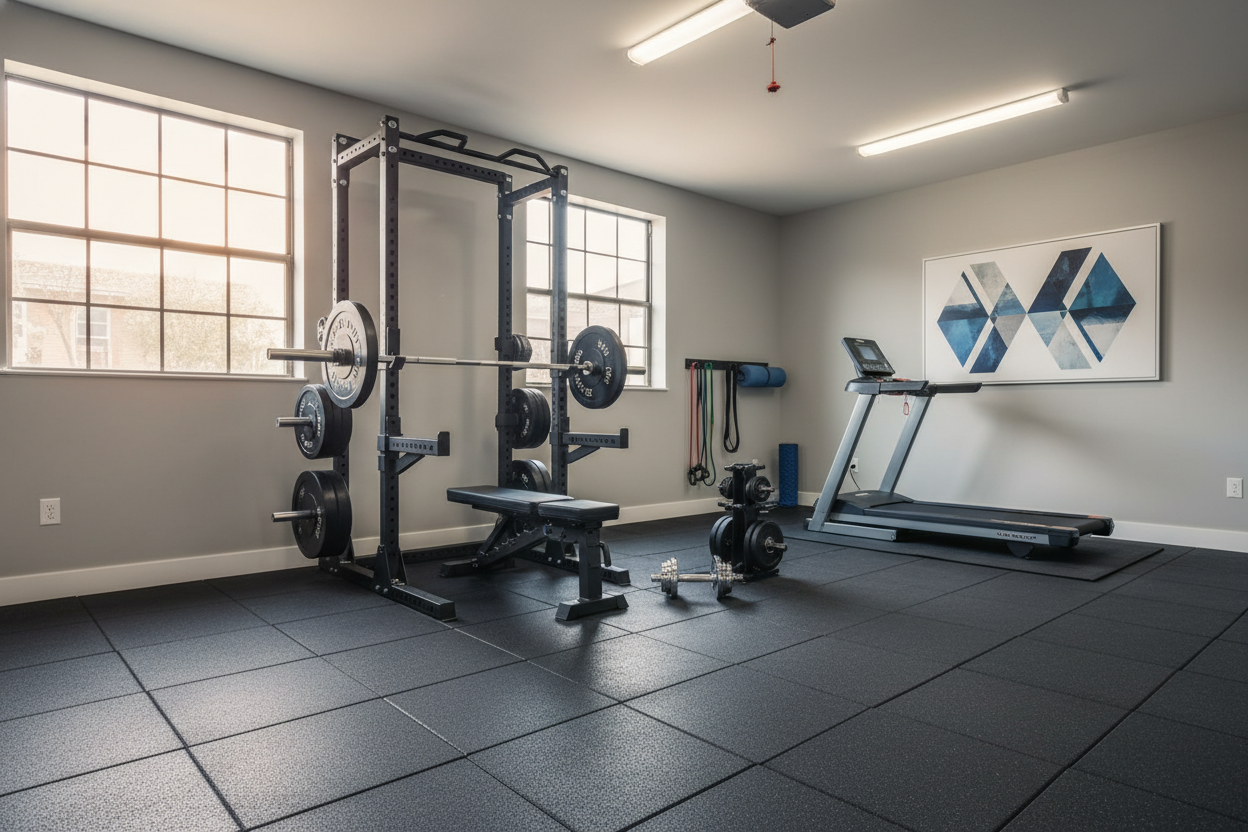
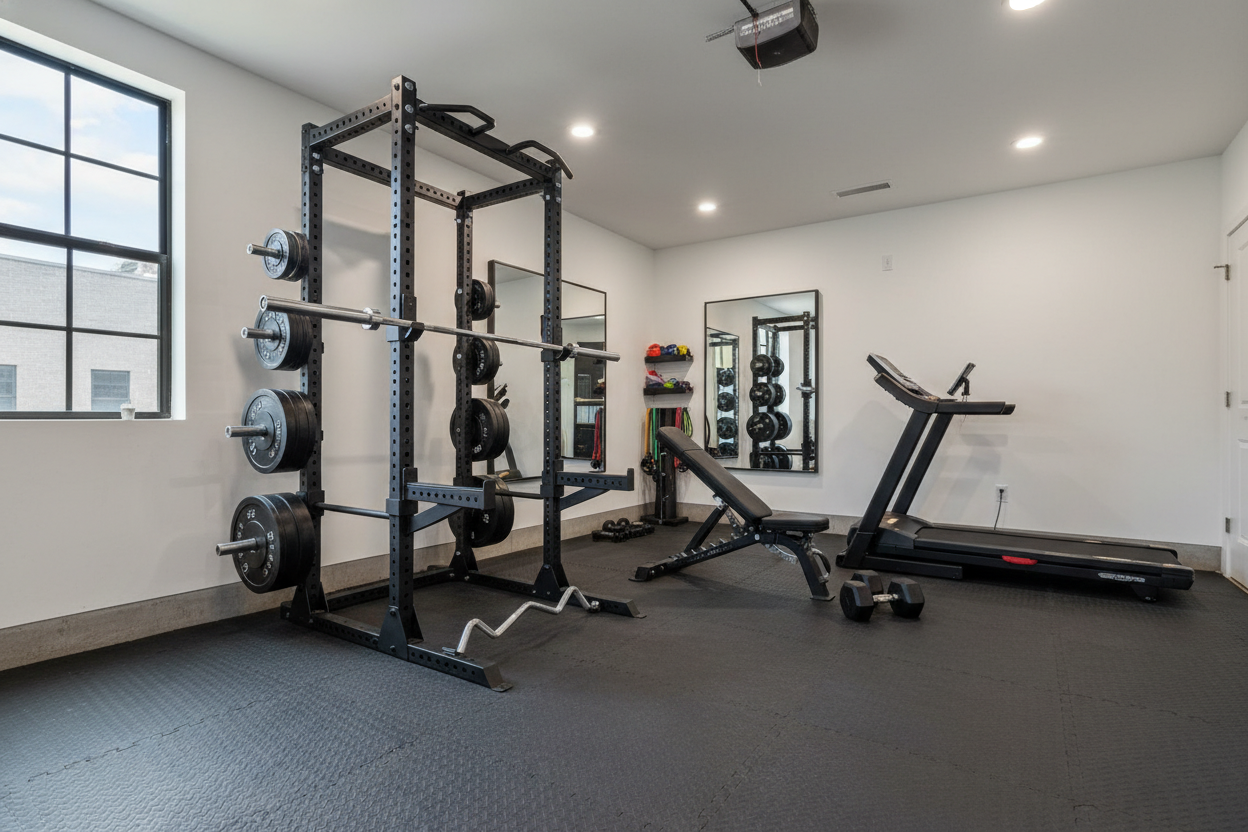
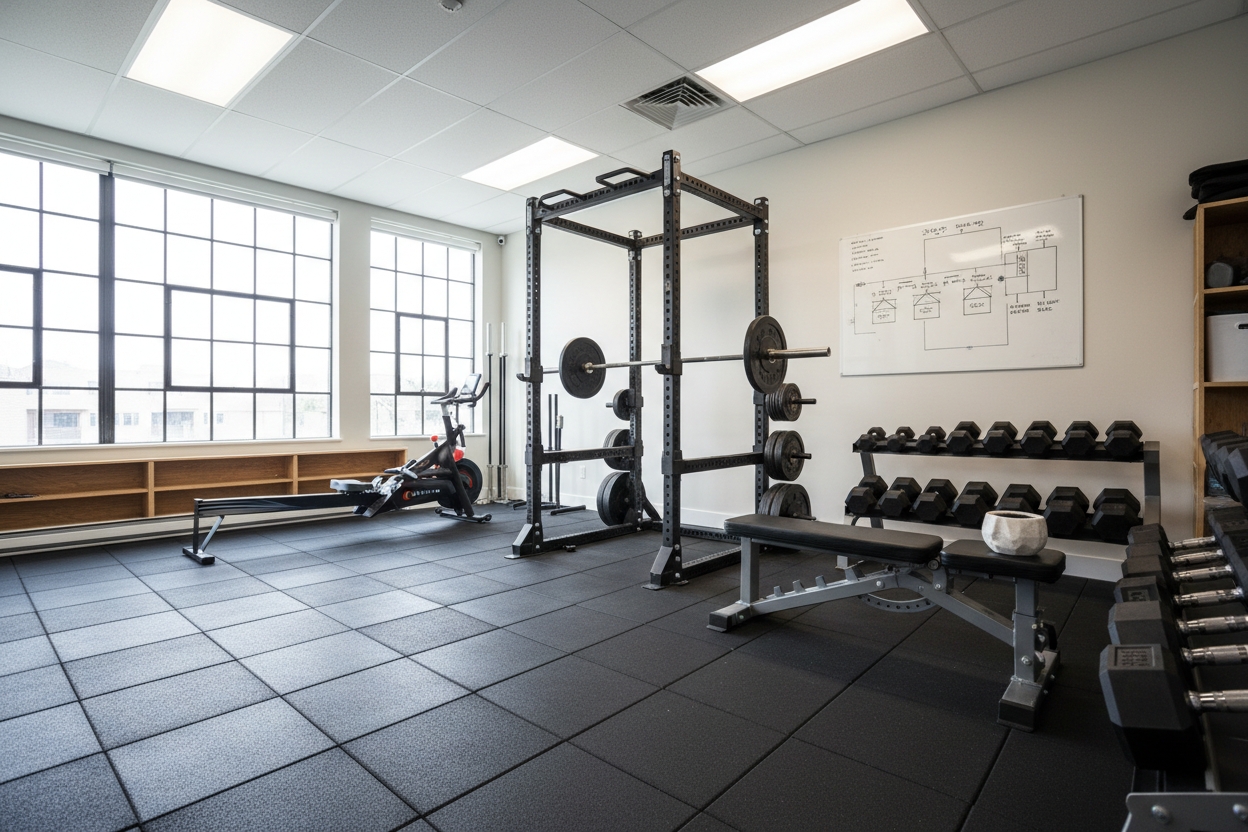
You don't need a 20-piece cable circuit to get strong. My garage gym is built around a heavy-duty power rack, a 20kg barbell with a decent knurl, and about 500 pounds of iron plates. That is 90% of the battle. If your bar is thick and has no spin, your cleans and deadlifts will suffer. Spend the money on a good multi-purpose bar first.
Once the weights get north of 400 lbs, I am a big fan of using specific Strength Training Accessories like a 10mm lever belt or some liquid chalk to keep things tight. A good belt isn't a crutch; it is a tool to increase intra-abdominal pressure, which actually protects your spine when you are grinding out a heavy triple. Don't buy the cheap foam ones from the big box stores—they are useless for real strength work.
Personal Experience: The Power of Less
I used to be the guy who spent two hours in the gym every day. I had a spreadsheet with 15 different exercises per session. I was exhausted, my elbows hurt, and my bench press hadn't moved in a year. When I switched to this low-volume, high-intensity 3-day split, I felt like a lazy person for the first two weeks. I was leaving the gym in 50 minutes.
But then, the weights started feeling lighter. I wasn't dreading my sessions. I stopped getting those 'nagging' injuries that usually pop up when you're overtrained. The biggest downside? I had to buy new pants because my quads actually started growing again. If you are stuck, stop trying to work harder and start working heavier.
FAQ
How long should I rest between sets?
For your main lifts, 3 to 5 minutes. You need your ATP stores to fully recover so you can give 100% effort on the next set. If you're breathing hard, you aren't ready.
Can I add more cardio to this?
Keep it low impact. A 30-minute walk is great. High-intensity sprinting on your off days will likely interfere with your recovery and stall your strength gains.
What if I miss a workout?
Don't double up the next day. Just pick up where you left off. Strength is built over years, not days. Missing one session won't ruin your progress, but overtraining to 'make up for it' might.